The title promises amusement. The reality is a cold, methodical plunge into despair, delivered with a chilling politeness that lingers far longer than any jump scare. Michael Haneke's 1997 Funny Games isn't just a film; it's an assault on the viewer's comfort, a stark, Austrian middle finger to the conventions of the home invasion thriller, and a tape that, once watched, tends to imprint itself onto the darker corners of your memory. Finding this unassuming white cover on a video store shelf, perhaps nestled between more conventional thrillers, felt like discovering something genuinely illicit, something viewers weren't supposed to see.
A Game Without Rules
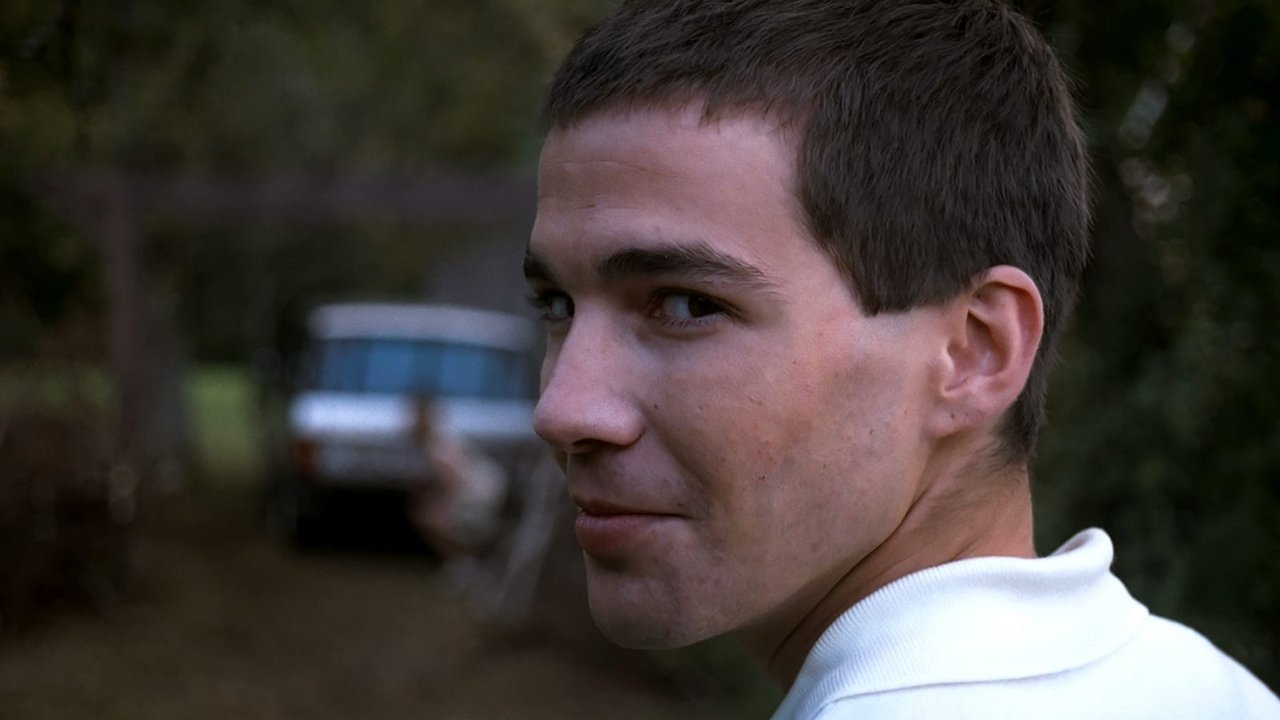
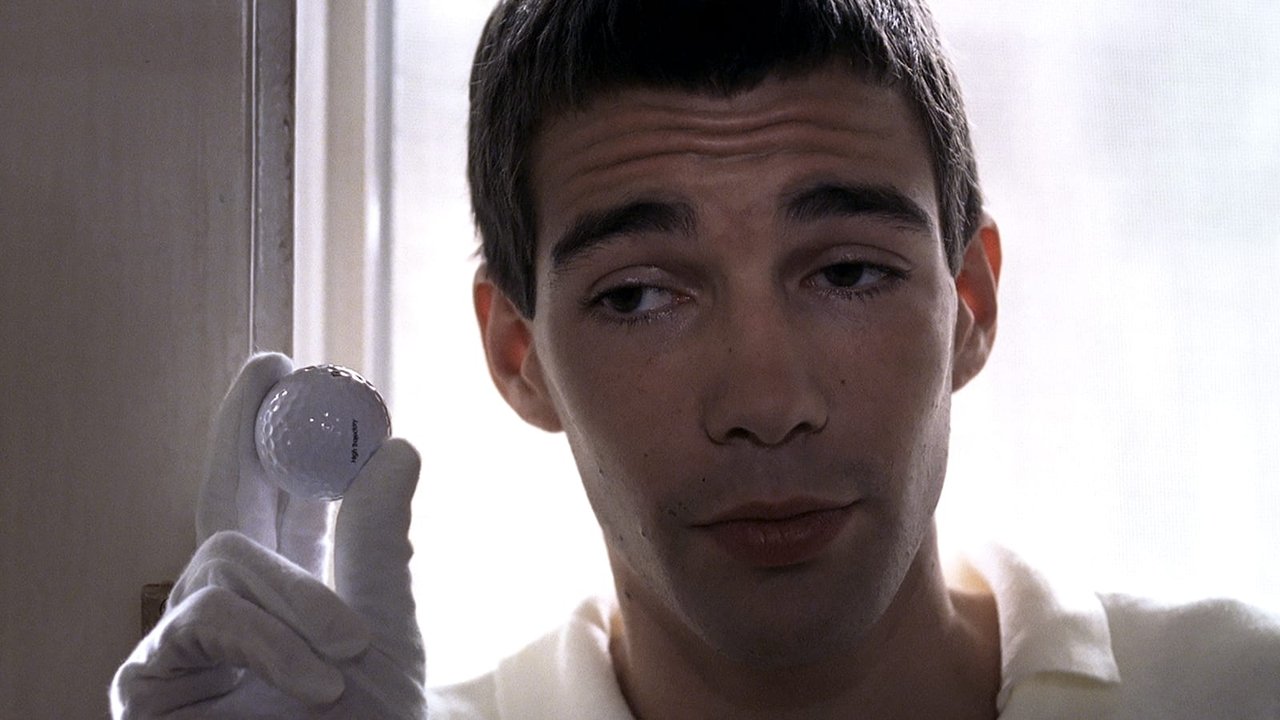
The setup is deceptively simple, almost mundane. A well-to-do family – Georg (Ulrich Mühe, later globally recognized in The Lives of Others), Anna (Susanne Lothar), and their young son Georgie – arrive at their idyllic lakeside holiday home. Their peace is shattered by the arrival of two clean-cut, unnervingly polite young men, Peter (Arno Frisch) and Paul (Frank Giering, though Frisch is often the more remembered face), dressed in pristine white tennis gear. They ask to borrow some eggs. What follows isn't a typical escalation of terror, but a slow, deliberate dismantling of security, dignity, and hope, orchestrated by antagonists who treat torture and murder as bored parlour games. There's a horrifying lack of motive offered, a void that makes their actions feel even more terrifyingly random and absolute.
Haneke's Cold Control
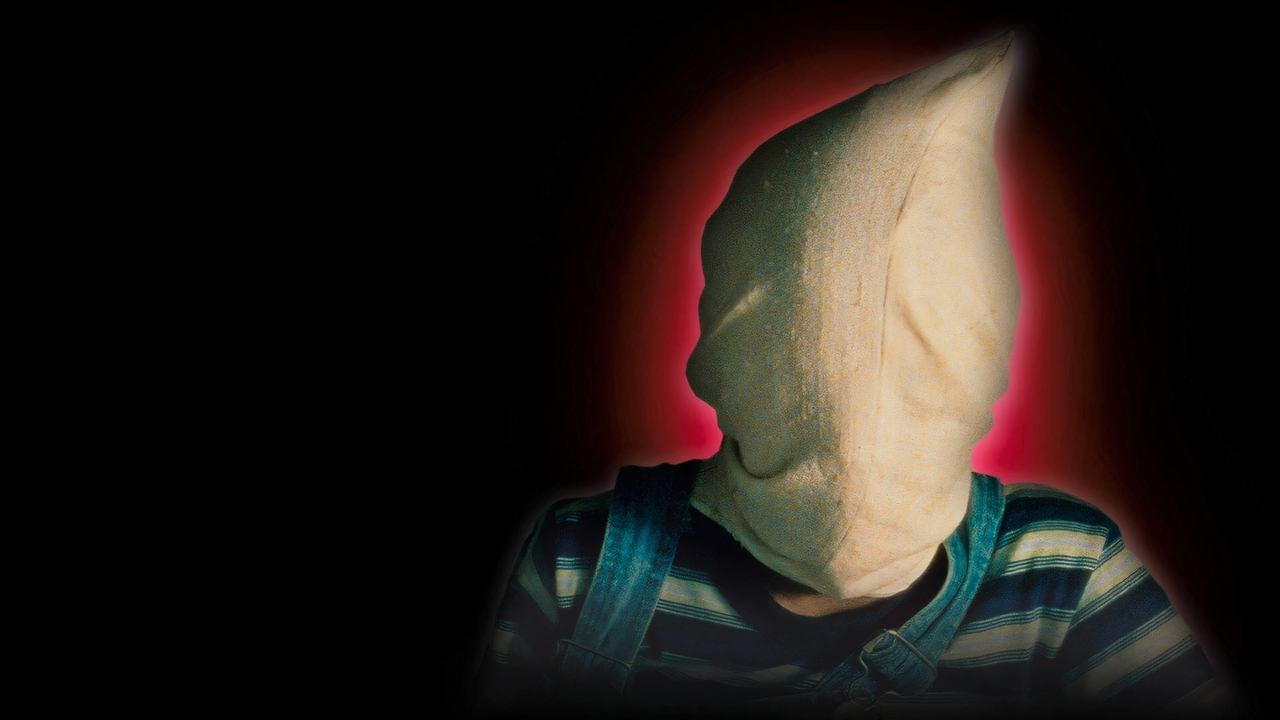
Michael Haneke, a filmmaker known for his unflinching gaze and intellectual rigor, directs with icy precision. Forget shaky cams and quick cuts designed to obscure violence. Haneke often employs long, static takes, forcing us to endure the mounting dread in real-time, often focusing on the victim's suffering rather than the act of violence itself. Much of the most brutal physical torment happens just off-screen, suggested by sound or implication, a technique that proves far more disturbing than graphic viscera. It denies the audience the catharsis or even the voyeuristic thrill often associated with the genre, leaving only raw, uncomfortable anguish. This deliberate withholding was part of Haneke's mission: to critique the audience's consumption of screen violence, making us complicit in the suffering we are choosing to watch. He reportedly gave Susanne Lothar minimal direction during some of the most harrowing scenes, capturing a terrifyingly authentic portrayal of psychological collapse. Her performance remains one of the most devastating depictions of trauma in modern cinema.
Breaking the Fourth Wall, Shattering Illusions
Perhaps the film's most infamous, and debated, element is its direct address to the audience. Paul, the seemingly more dominant of the pair, occasionally turns to the camera, smirking, winking, even asking our opinion. In one particularly notorious sequence (Spoiler Alert!), he literally rewinds the film to undo an act of defiance by Anna, reinforcing the killers' absolute control not just over the family, but over the narrative itself. This wasn't just a stylistic flourish; it was Haneke explicitly pointing the finger back at us. Are you entertained? Is this what you wanted? It transforms the viewing experience from passive observation into uncomfortable participation. It's a device that alienated some, but for others, it cemented Funny Games as a vital, if punishing, piece of meta-cinema. Remember the jolt of that first wink? It felt less like a gimmick and more like a direct accusation.
A Legacy of Discomfort
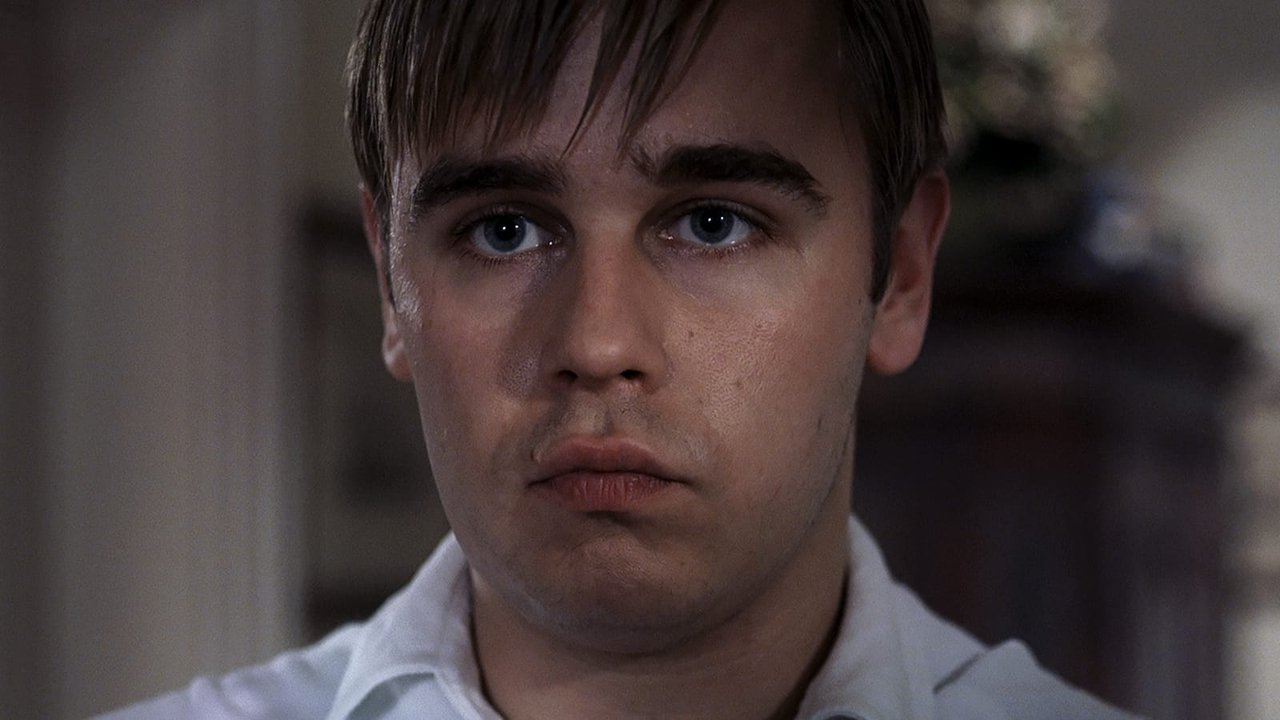
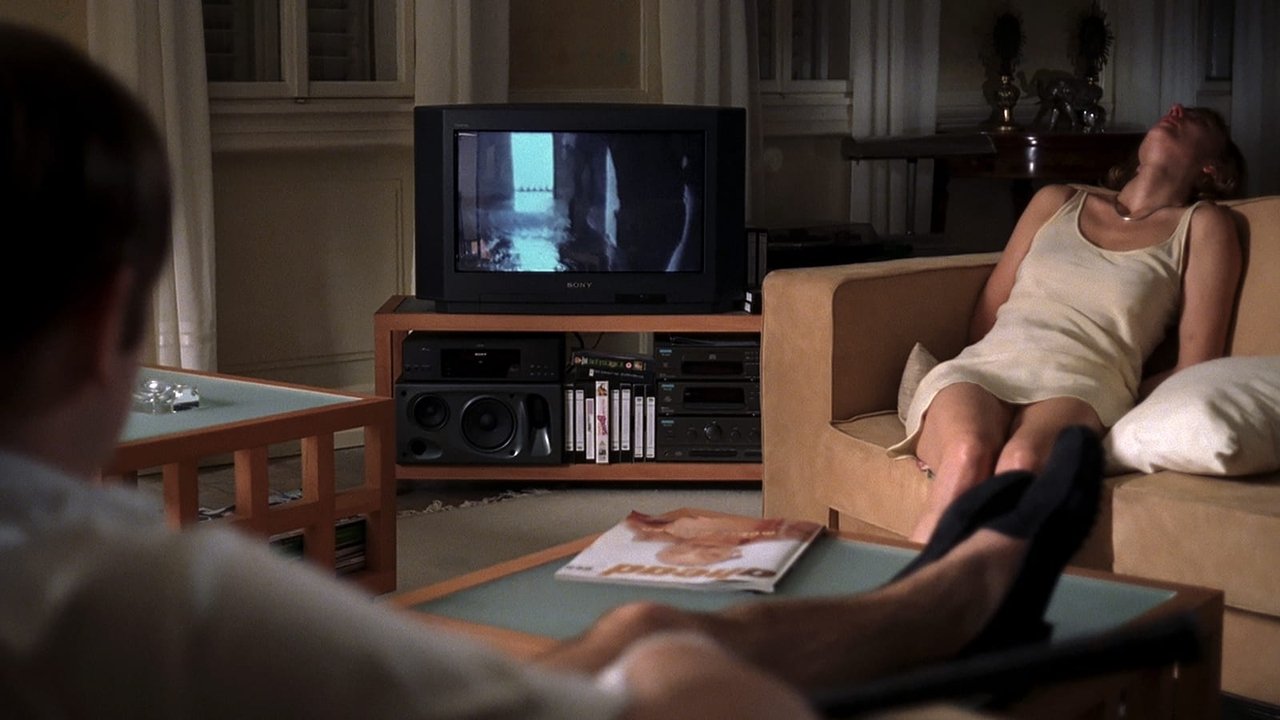
Funny Games arrived in the late 90s, a period often characterized by slicker, more ironic horror. Its starkness, its refusal to offer easy answers or conventional thrills, felt radical. It wasn't designed to be 'fun' or 'scary' in the traditional sense; it was designed to provoke, disturb, and interrogate. The film's reception was divisive, lauded by critics for its intelligence and audacity, while audiences often found it unbearably cruel. Michael Haneke famously remade the film shot-for-shot in English in 2007, starring Naomi Watts and Tim Roth, arguing that the original Austrian production hadn't reached the American audience he initially intended to critique. While technically proficient, many feel the original, with the specific chilling chemistry between Mühe, Lothar, and Frisch, retains a rawer, more potent power. This 1997 Funny Games VHS analysis wouldn't be complete without acknowledging its place as a cornerstone of extreme European cinema, influencing a wave of films that pushed boundaries of on-screen suffering and challenged viewer complicity.
The Verdict
Funny Games is not a film you 'enjoy' in the conventional sense. It's a harrowing, intellectually rigorous, and deeply unsettling experience. It deliberately strips away the comforting tropes of the genre to leave you confronting uncomfortable truths about violence and spectatorship. The performances, particularly from Susanne Lothar and Ulrich Mühe, are devastatingly real. Haneke's direction is masterful in its controlled cruelty and thematic purpose. It’s a film that achieves exactly what it sets out to do, even if that means leaving the viewer feeling bruised and deeply disturbed. It earns its reputation, demanding attention and reflection long after the static hiss replaces the credits on your old CRT screen.
Rating: 9/10
The score reflects its undeniable power, masterful craft, and lasting impact as a challenging piece of filmmaking, not its 'rewatchability' or entertainment factor. It’s a near-perfect execution of a brutal artistic vision. Funny Games remains a chilling reminder that sometimes, the most terrifying monsters wear polite smiles and offer no explanation at all. Doesn't that absence of 'why' still feel uniquely unnerving?