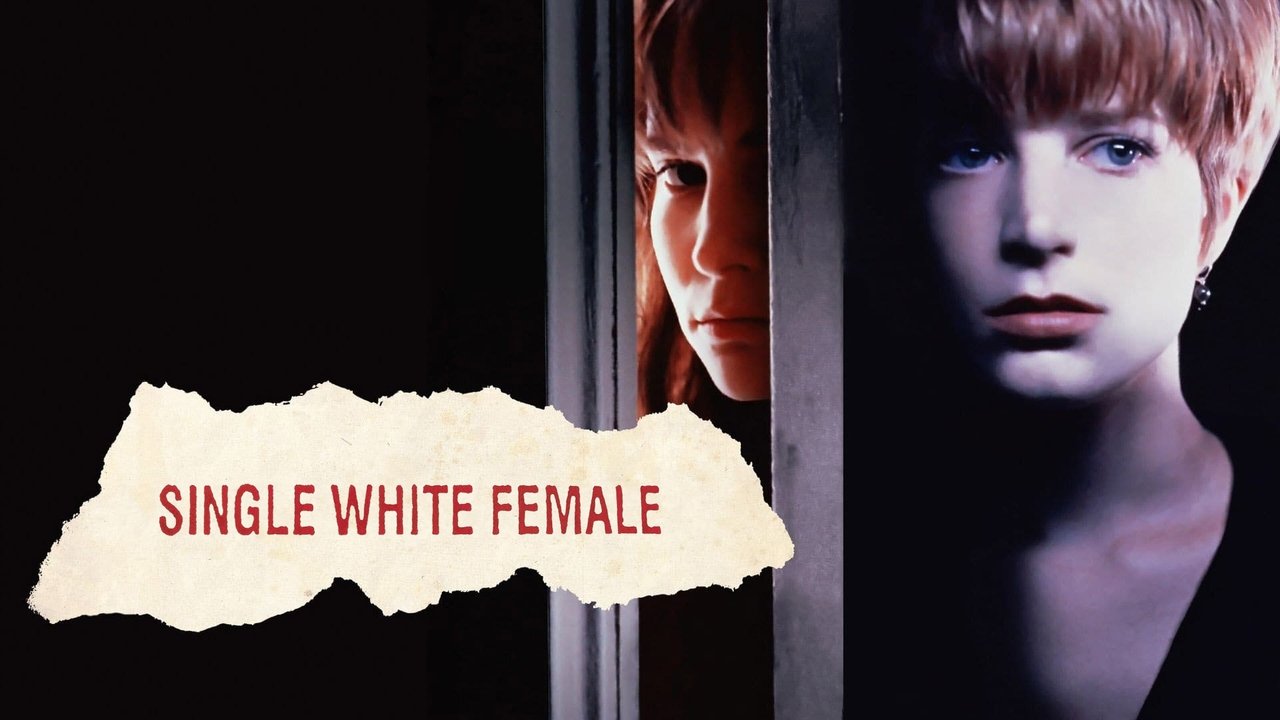
The classified ad seemed innocent enough, didn't it? "SWF seeks female roommate..." A simple necessity in a sprawling, indifferent city. But peel back the newsprint, rewind the tape, and the shadows lengthen. In Barbet Schroeder’s Single White Female (1992), that mundane quest for cohabitation spirals into a vortex of chilling obsession, leaving an imprint as stark and unsettling as a stranger wearing your clothes, your haircut... your life. This wasn't just another thriller tucked away on the rental shelf; it was a deeply uncomfortable exploration of identity theft, performed with terrifying conviction.
When Boundaries Blur
We meet Allison Jones (Bridget Fonda), a software designer navigating the choppy waters of a messy breakup with live-in boyfriend Sam (Steven Weber) in their cavernous, gorgeous, rent-stabilized Manhattan apartment. The apartment itself, designed by the legendary Milena Canonero (who also handled costumes), feels like a character – initially a chic sanctuary, later a gilded cage. Needing someone to share the considerable rent, Allie places her ad. Enter Hedy Carlson (Jennifer Jason Leigh), mousy, awkward, seemingly harmless. She’s the perfect contrast to Allie's sophisticated confidence. For a while, it works. There’s tentative friendship, shared secrets, the easy intimacy of women navigating life together. But beneath Hedy’s unassuming exterior, something far more predatory stirs.
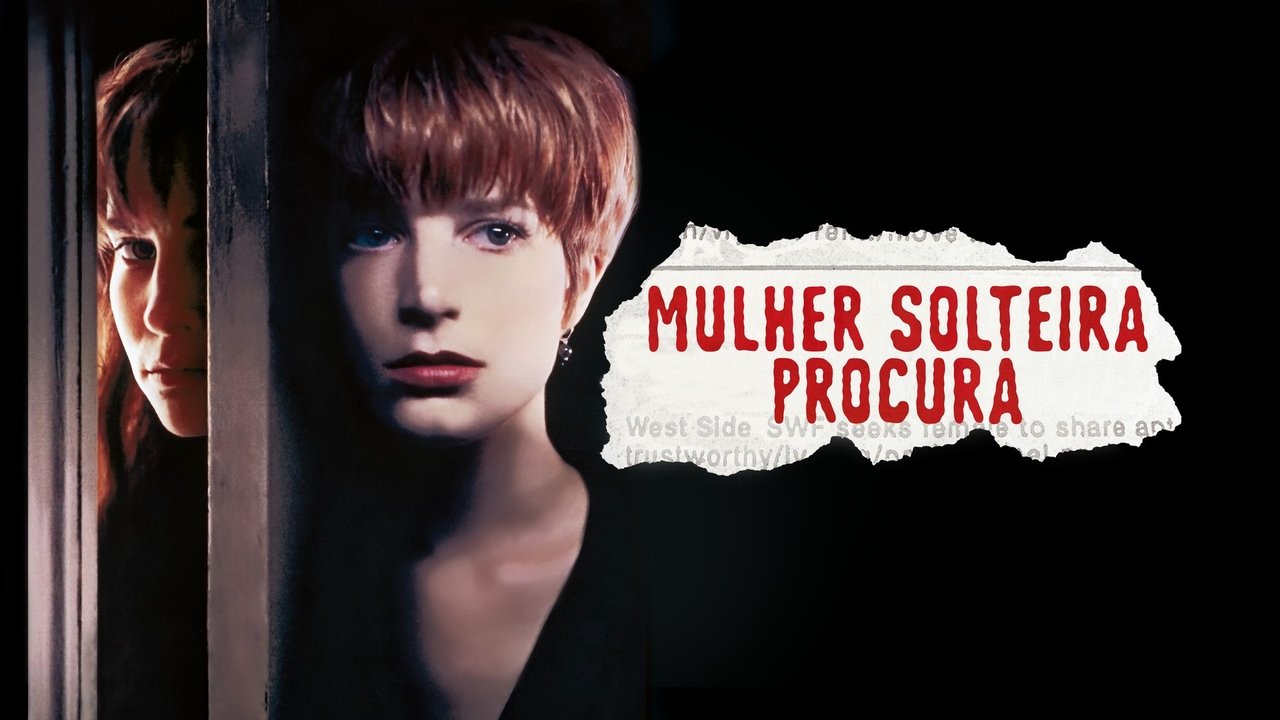
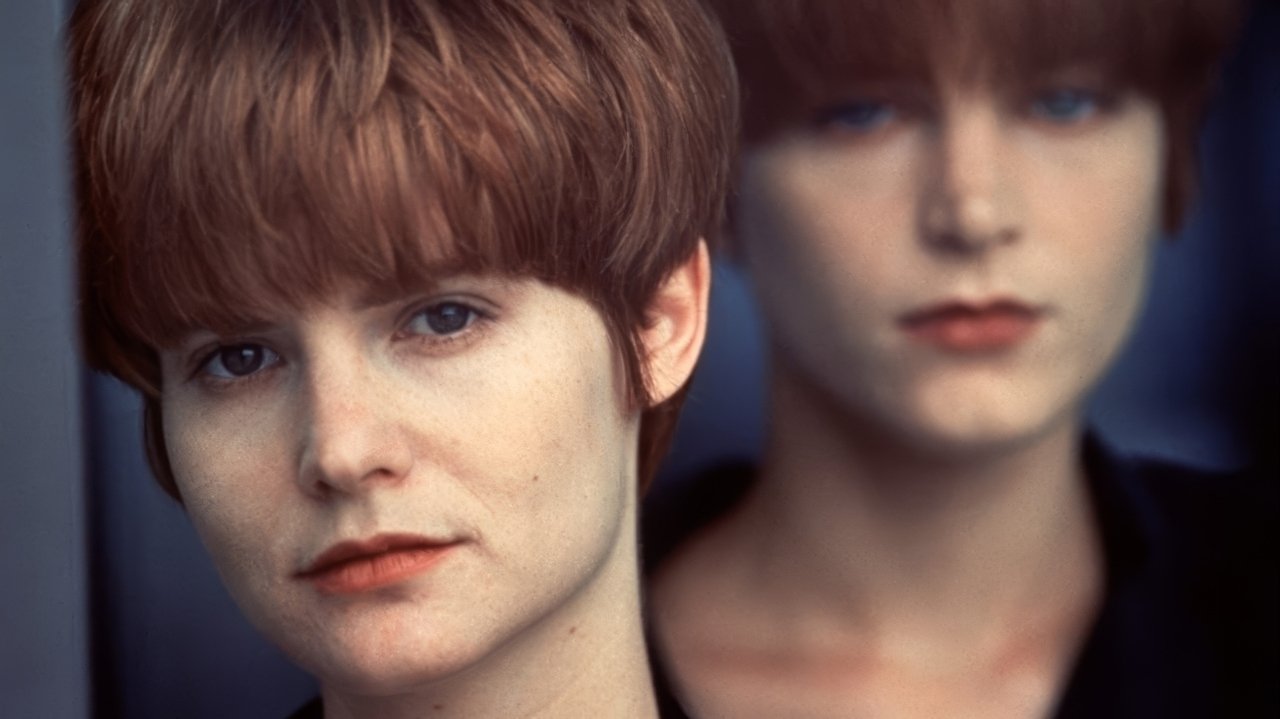
Schroeder, who'd previously navigated dark psychological terrain with Reversal of Fortune (1990), expertly ratchets up the tension. It starts small: borrowed clothes, slightly mirrored mannerisms. Then comes the moment that likely sent shivers down spines even through fuzzy CRT screens – Hedy emerging with Allie’s exact haircut, a shocking visual violation. It’s a turning point from which there’s no return, signaling Hedy’s complete psychological encroachment. Didn't that moment just feel profoundly wrong, a boundary irrevocably crossed?
The Shape of Obsession
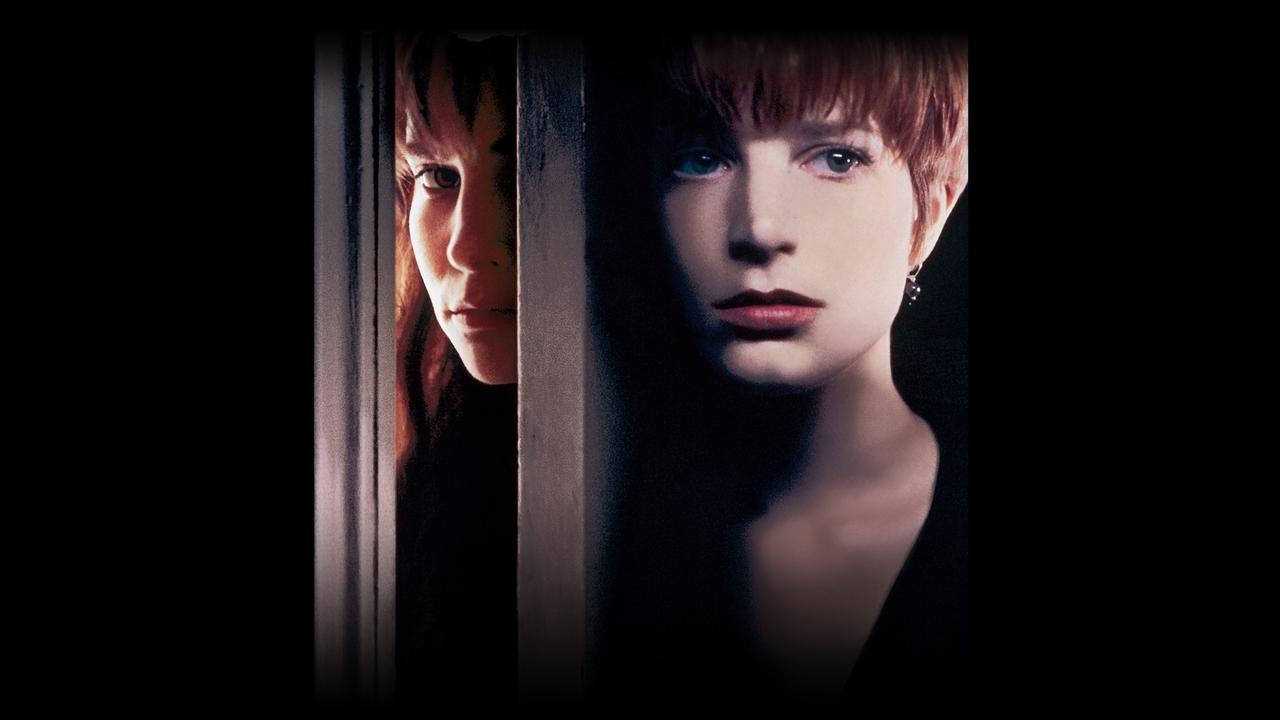
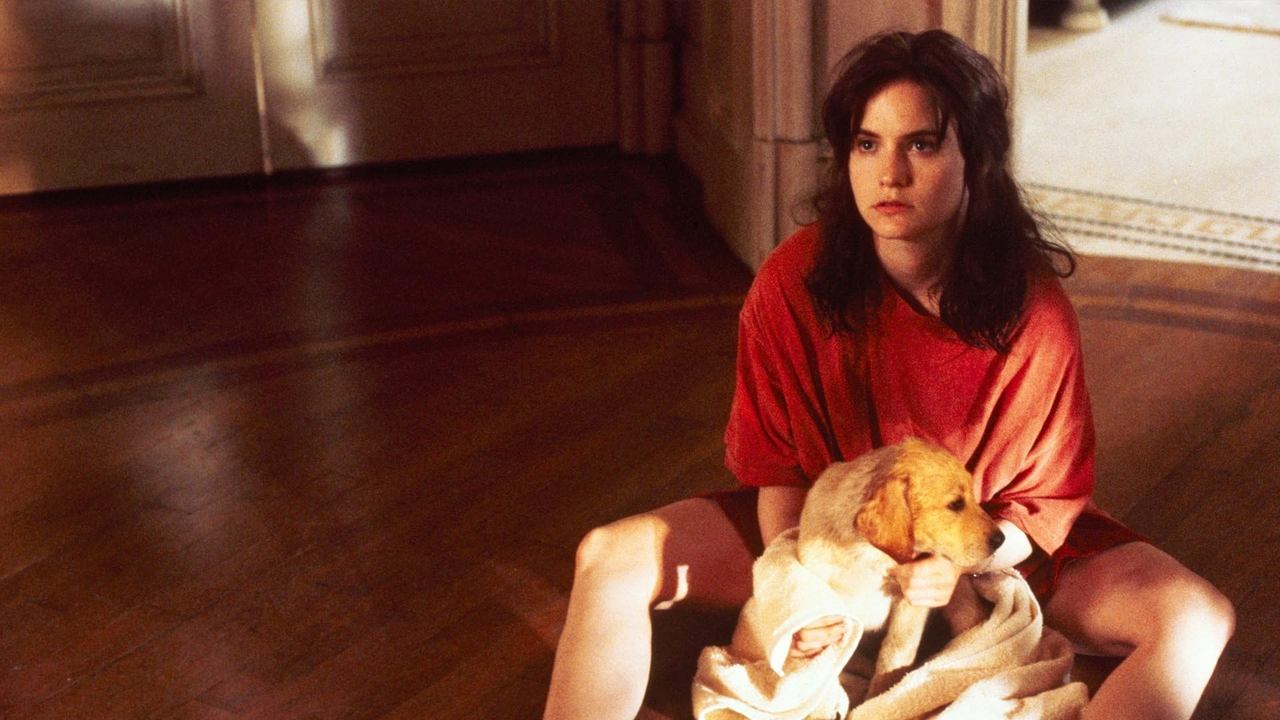
What elevates Single White Female beyond a standard stalker template is the mesmerizing, terrifying performance by Jennifer Jason Leigh. She reportedly delved deep into research on borderline personality disorder, and it shows. Hedy isn't a cartoon villain; she's a desperately fractured individual whose need for connection manifests as a parasitic absorption of Allie's identity. Leigh embodies this with unnerving nuance – the subtle shifts in posture, the vacant yet watchful eyes, the sudden flashes of chilling violence. It’s a performance that burrows under your skin. Rumor had it that talents like Winona Ryder and Jodie Foster were considered for Hedy, but it’s difficult now to imagine anyone else capturing that specific blend of vulnerability and menace Leigh brought. She became Hedy, and in doing so, etched the character into 90s pop culture infamy.
Bridget Fonda, niece of Jane and daughter of Peter, provides the crucial anchor of normalcy. Her Allie is intelligent and capable, yet understandably unnerved and increasingly terrified as her life is systematically dismantled. Fonda makes Allie’s fear palpable, ensuring the audience remains invested in her plight. Her journey from cautious optimism to desperate survival grounds the film’s more extreme turns.
Atmosphere of Dread
The film masterfully uses its setting. The grand apartment building, filmed using exteriors of the historic Ansonia in NYC (a building with its own share of eccentric and sometimes dark tales), becomes increasingly claustrophobic. Howard Shore’s score, years before his iconic work on The Lord of the Rings, weaves a tapestry of suspense – often minimalist, occasionally swelling into discordant dread, perfectly mirroring Hedy’s tightening grip. Schroeder doesn’t rely heavily on jump scares; the horror is psychological, built through glances, silences, and the slow, horrifying realization of Hedy's true nature. Certain moments, like the infamous stiletto heel encounter with Sam, remain potent shocks – apparently trimmed slightly to secure that crucial R rating, a common battleground for thrillers of the era.
Making a film like this often involves navigating tricky territory. The intensity of Leigh's performance, the potentially controversial themes of mental illness and violence – it required a steady hand. The film landed well, though, becoming a solid box office hit (earning $48 million domestically against a budget around $16 million) and tapping into a contemporary anxiety about urban living and the strangers we let into our lives. It arrived amidst a wave of early 90s thrillers exploring domestic unease, like The Hand That Rocks the Cradle (1992) and Basic Instinct (1992), but Single White Female carved its own specific niche focused on identity predation.
The Verdict
Single White Female isn't just a time capsule of early 90s fashion and technology; it's a remarkably effective psychological thriller that holds up thanks to its suffocating atmosphere and, above all, Jennifer Jason Leigh’s unforgettable performance. It masterfully plays on relatable fears – the vulnerability of starting over, the precarious trust placed in strangers, the terrifying thought of losing oneself, literally. While some plot mechanics might feel familiar now, the execution remains taut and deeply unsettling.
Rating: 8/10 - The score reflects the film's powerhouse central performance, palpable tension, and stylish direction that builds genuine dread. It might tread familiar ground by today's standards, but Leigh's Hedy elevates it significantly, making it a standout thriller of its time that earned its place in the cultural lexicon.
It’s a film that reminds you, long after the credits roll and the VCR clicks off, to perhaps be a little more careful about who answers your ad. The friendly face next door might just want everything you have.