Okay, rewind your mind past the Y2K panic and picture this: you stumble across a movie called Versus (2000). The cover art probably involves dudes with swords and guns looking intense, maybe some hints of undead mayhem. You pop it in, maybe on DVD this time as the new millennium dawned, but the spirit... oh, the spirit is pure, uncut, late-night VHS adrenaline. Forget slick Hollywood polish; this is Japanese indie filmmaking hitting the accelerator and ripping the rearview mirror off. It technically lands just outside our usual 80s/90s stomping ground, but believe me, Versus bleeds the same beautiful, chaotic energy that made the direct-to-video era so damn exciting.
### Welcome to the Forest of Resurrection
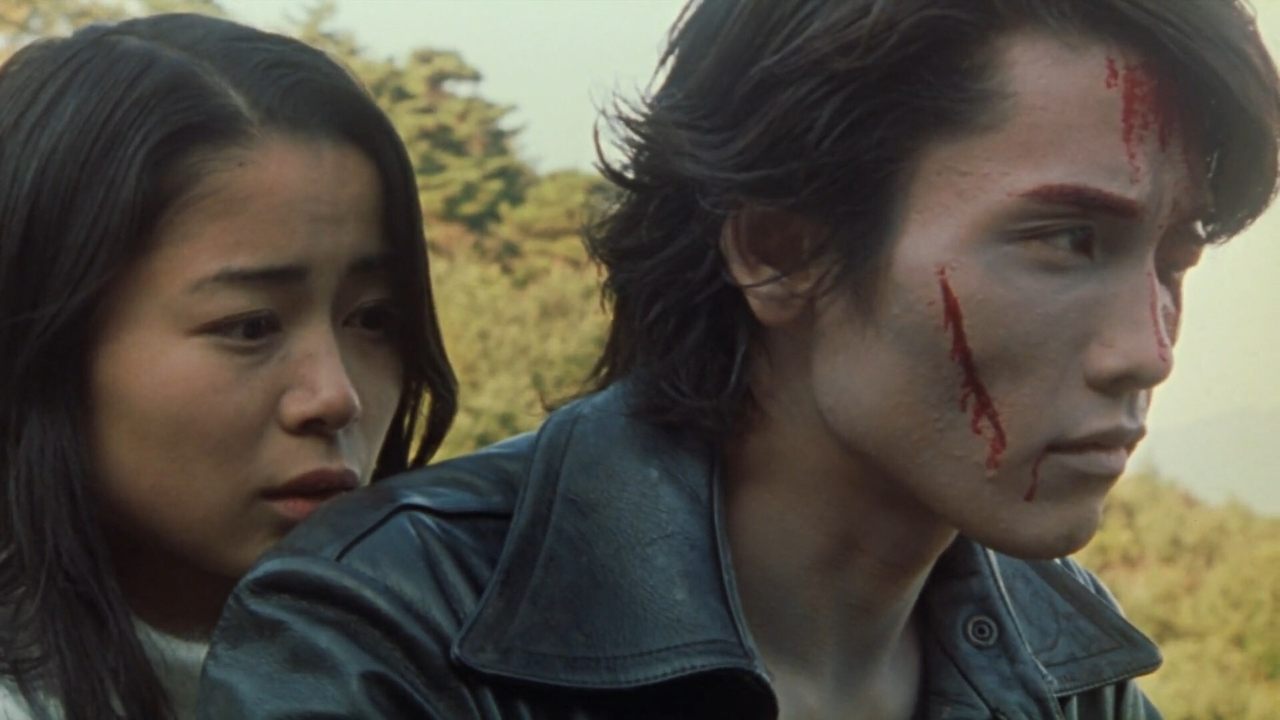
The premise is delightfully simple, almost primal. Escaped convict Prisoner KSC2-303 (Tak Sakaguchi, in a star-making debut) finds himself in the mystical Forest of Resurrection (one of 666 portals to the other side, naturally) alongside a gang of sharp-suited Yakuza, their mysterious captive girl (Chieko Misaka), and a looming deadline. Things go sideways fast when the gangsters realize the bodies they buried nearby… aren’t staying buried. What follows is less a plot and more a relentless, feature-length explosion of violence: swords clash, bullets fly, zombies rise, fists connect, and pretty much everyone gets covered in gore. Director Ryuhei Kitamura (who would later bring his kinetic style to films like Azumi and Godzilla: Final Wars) crafts a film that feels like The Evil Dead slammed into a Hong Kong heroic bloodshed flick, mainlined espresso, and then decided to have a samurai showdown.
### Raw Energy Over Refinement

Let's talk about Tak Sakaguchi. Before Versus, he was apparently performing street fighting routines, which is where Kitamura discovered him. That raw physicality is everything here. He’s not delivering Shakespeare; he’s a coiled spring of barely contained fury, performing most of his own ridiculously demanding stunts. You feel every awkward landing, every near-miss, every desperate parry. This wasn't filmed on comfy studio lots; Versus was famously born from a shoestring budget, reportedly expanding from a planned short sequel to Kitamura's even lower-budget Down to Hell. They shot guerilla-style, battling the elements in that now-iconic forest location, pushing actors and crew to their limits. You can almost feel the cold mud and smell the damp leaves through the screen, and that rough-around-the-edges quality becomes part of its undeniable charm. It’s a testament to what sheer willpower and creative vision can achieve, even when resources are scarce.
### Practical Mayhem Done Right (Mostly)
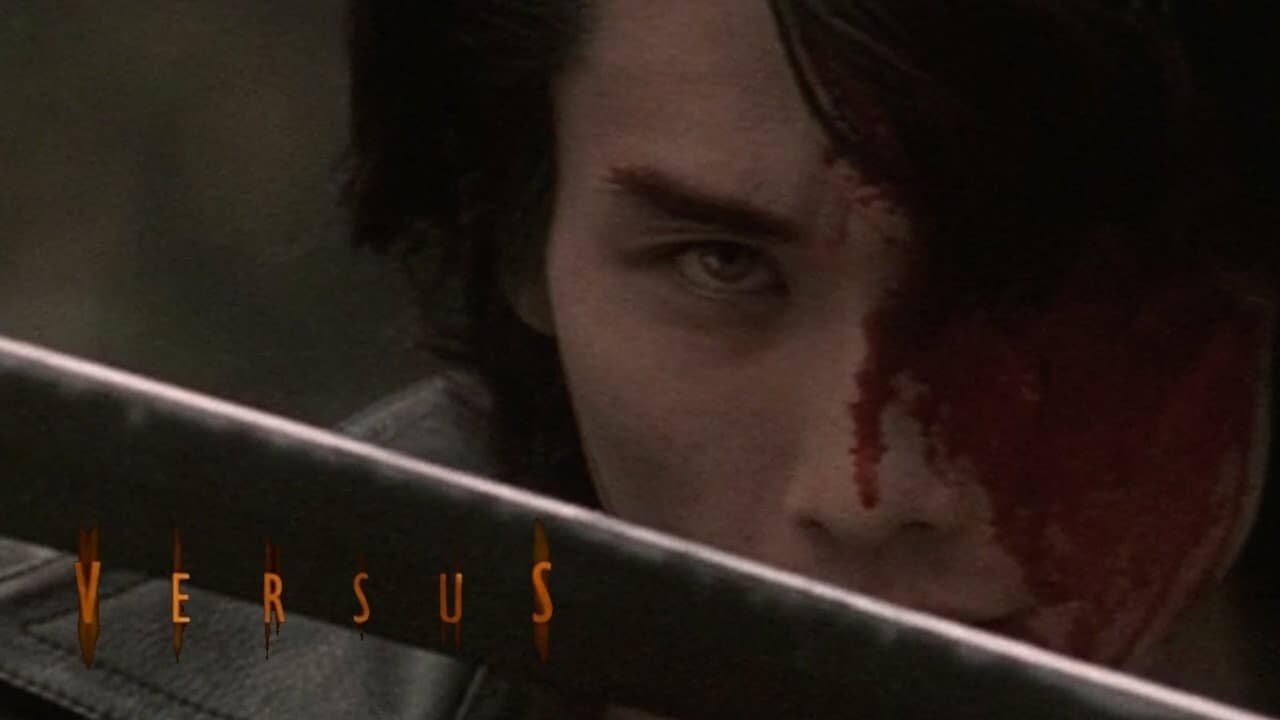
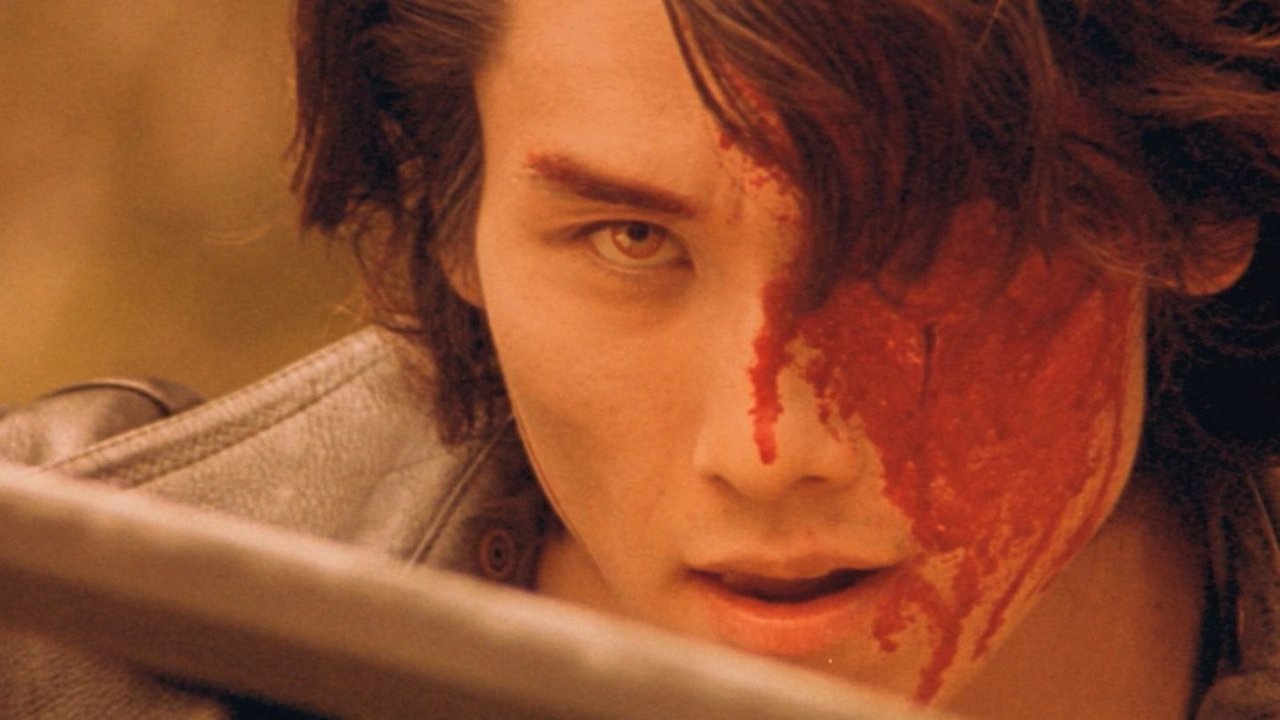
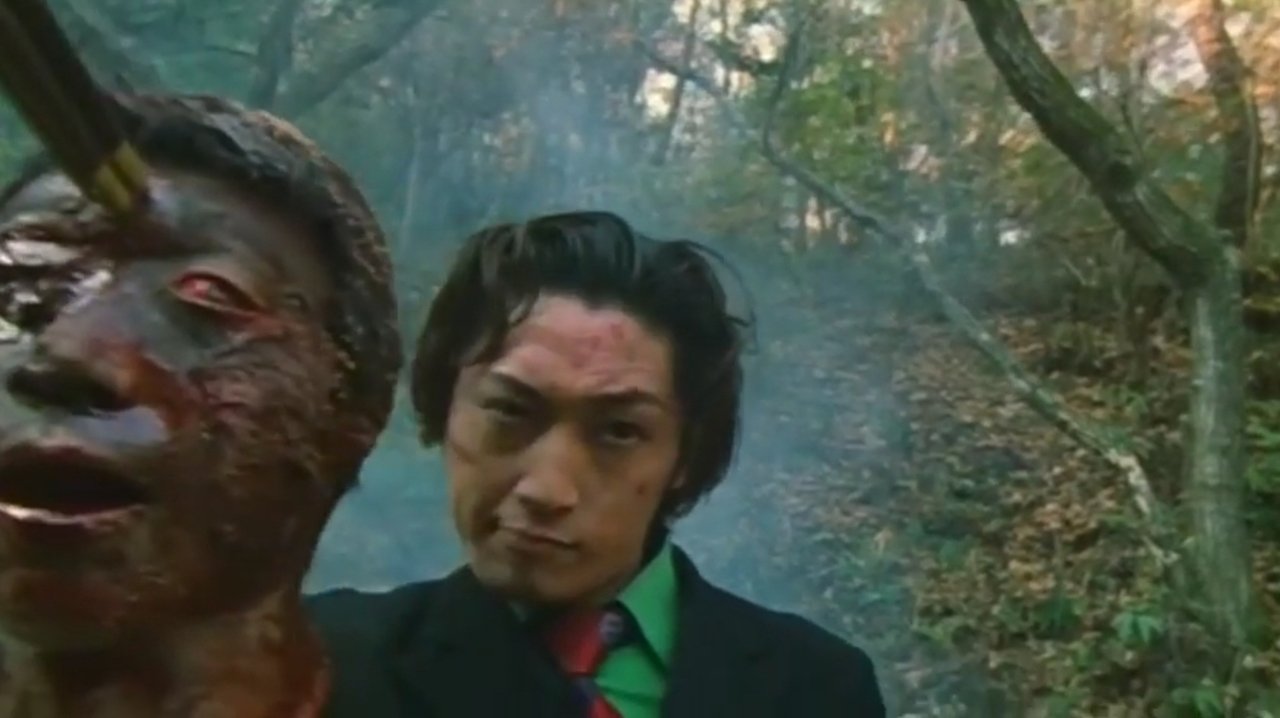
This film is a glorious shrine to practical effects. Remember how real bullet hits looked back then, often achieved with squibs packed with fake blood? Versus throws them around like confetti. The sword fights aren't always the most technically perfect, but they have a weight and ferocity often missing in today's overly choreographed, CGI-smoothed encounters. There's wirework, sure, sometimes hilariously obvious, but it serves the hyper-stylized reality Kitamura is building. The zombie makeup is effective in its grimy simplicity, and the sheer volume of stage blood deployed is something to behold. Does it always look 100% convincing? Maybe not by modern blockbuster standards. But did it feel visceral, immediate, and ridiculously fun back then (and now)? Absolutely. It’s the kind of messy, tangible action filmmaking that feels increasingly rare. Compare the squelch and spray here to the often weightless digital blood splatters of today – there's just no contest in terms of pure, grindhouse impact.
### Genre Soup and Cult Status
Opposite Sakaguchi's stoic intensity is Hideo Sakaki as the main Yakuza antagonist, chewing scenery with delightful menace. He brings a necessary swagger to anchor the escalating chaos. The film gleefully mashes genres – gangster flick, zombie horror, samurai epic, gun-fu actioner – without ever really stopping to worry if it makes perfect sense. The relentless pace and Kitamura's dynamic, sometimes frantic camerawork sweep you along for the ride. It’s no surprise Versus became a cult phenomenon on the festival circuit and through DVD releases, earning itself an extended "Ultimate Versus" cut later on. It wasn't a mainstream hit initially, but it found its audience – people who craved something raw, energetic, and unapologetically different.
Rating: 8/10
Versus isn't perfect. The plot is thin, some performances are broader than a barn door, and the relentless action can occasionally feel repetitive in its single forest location. But docking points for those things feels like missing the point entirely. This film is a force of nature, a testament to low-budget ingenuity and pure cinematic passion. It captures a specific kind of hyper-violent, hyper-stylized energy that feels both indebted to the action classics of the 80s/90s and uniquely its own thing. It's loud, messy, exhilarating, and utterly unforgettable.
Final Thought: Forget slickness; Versus is the beautiful, blood-spattered chaos you didn't know your retro-loving soul needed. Fire it up and remember when action felt this wonderfully dangerous and real.