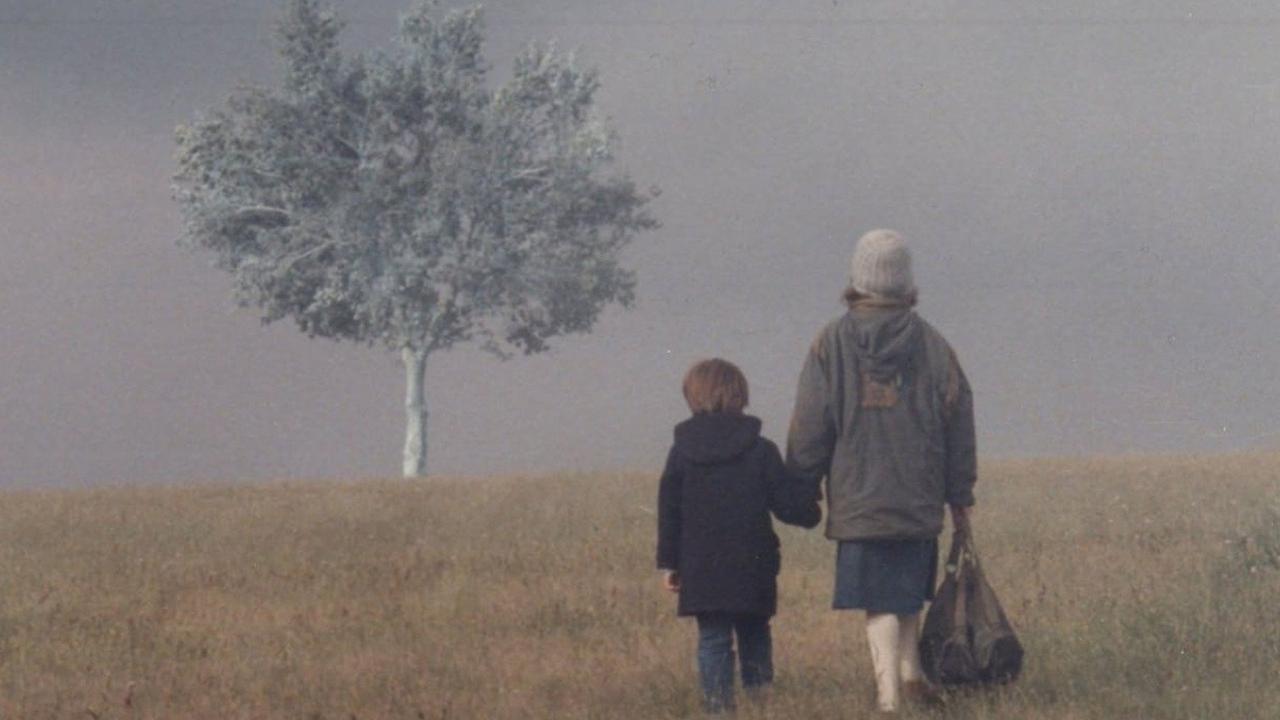
What strikes you first, and lingers longest, are the faces of the children. In Theodoros Angelopoulos's Landscape in the Mist (Topio stin Omichli, 1988), young Voula (Tania Palaiologou) and her even younger brother Alexandros (Michalis Zeke) possess eyes that seem to carry the weight of generations, staring out from the screen with a mixture of unwavering determination and heartbreaking vulnerability. Their quest – a journey north through Greece to find a father they've never met, supposedly living in Germany – forms the simple, almost mythic spine of a film that is anything but simple in its emotional resonance. This wasn't the typical slam-bang actioner or creature feature you might grab off the New Releases shelf back in the day; finding Landscape in the Mist felt like uncovering a hidden frequency, a signal broadcasting from a different, more somber cinematic wavelength, often tucked away in the 'World Cinema' corner of the better video rental stores.
A Journey Through Fog and Feeling
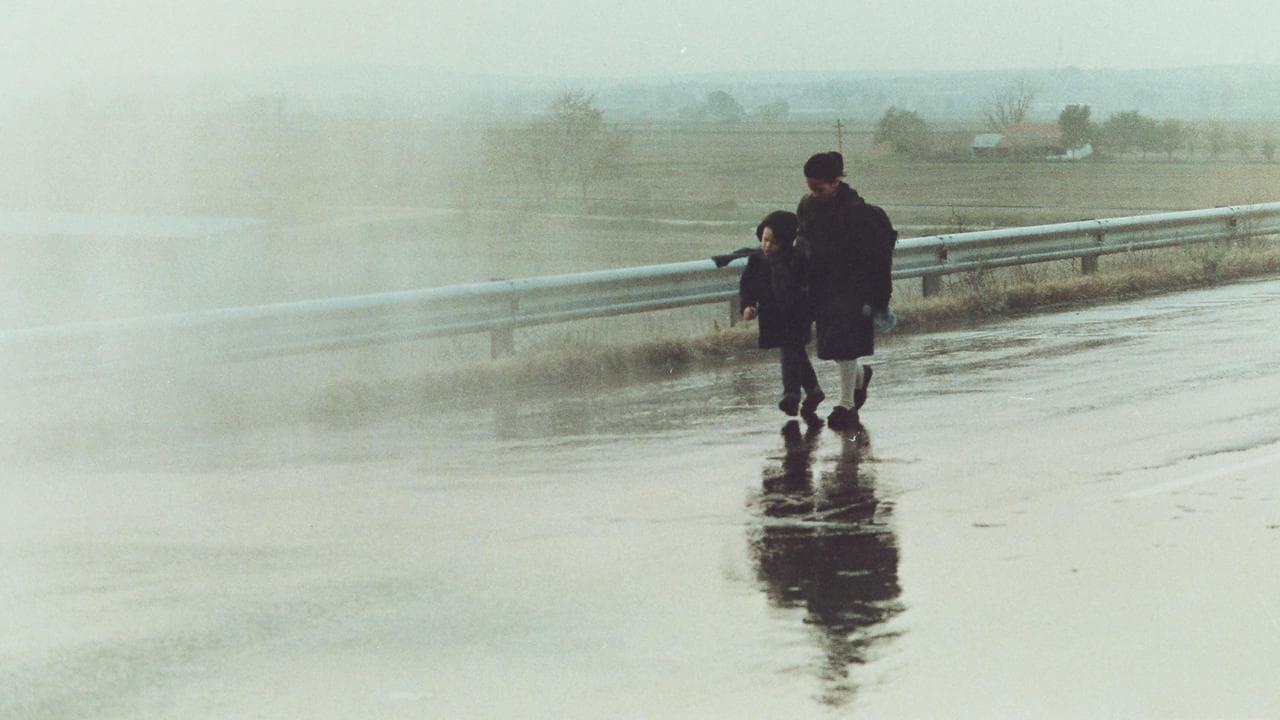
Angelopoulos, a master craftsman known for his deliberate pacing and stunningly composed long takes (often collaborating with legendary screenwriter Tonino Guerra, who worked with titans like Fellini and Antonioni), doesn't offer easy answers or comforting resolutions. The Greece depicted here isn't one of sun-drenched islands and tourist brochures. It's a landscape of rain-slicked highways, desolate industrial towns, border crossings shrouded in mist, and transient encounters that range from fleetingly kind to utterly brutal. The mist isn't just atmospheric; it’s a visual metaphor for the children's obscured destination, the ambiguity of their past, and the uncertain future they step towards with each weary mile. The director’s signature style, captured beautifully by cinematographer Giorgos Arvanitis, often keeps the camera at a distance, observing the children dwarfed by their surroundings, emphasizing their isolation within these vast, indifferent spaces. Yet, the emotional pull is immense.
Innocence Confronting a Harsh Reality
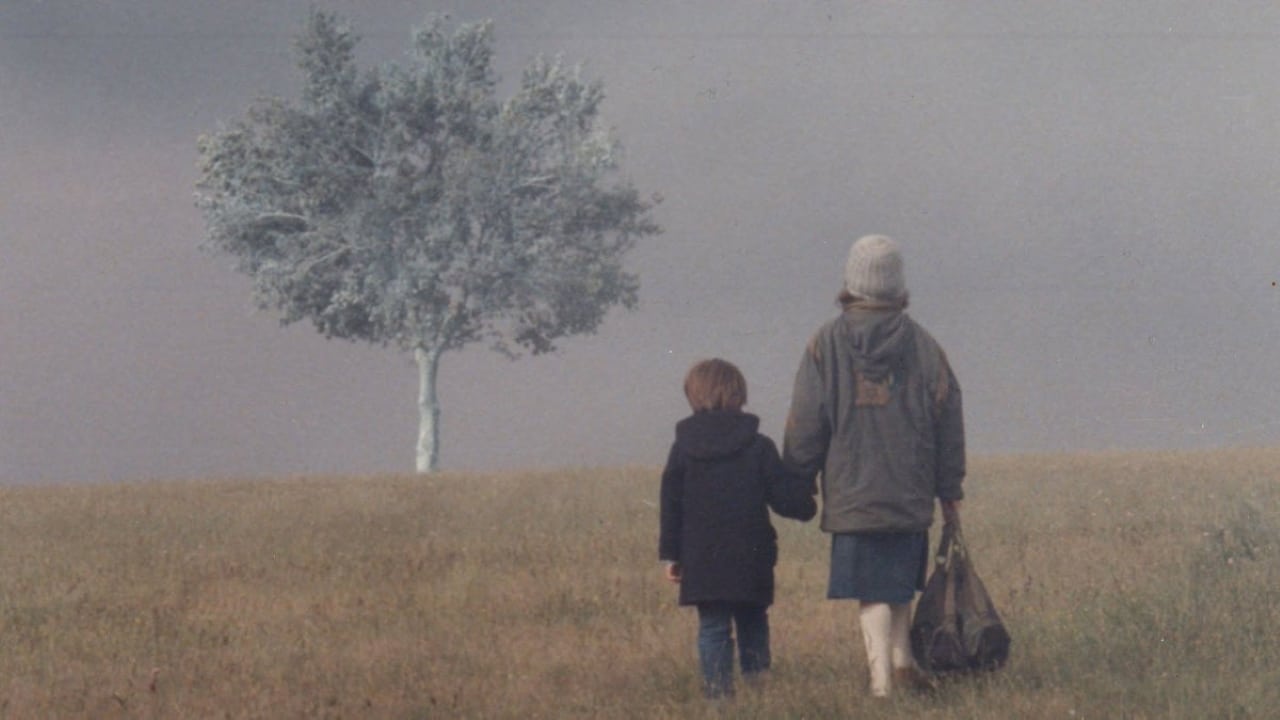
The performances from the two child leads are nothing short of extraordinary. Palaiologou and Zeke, reportedly discovered after an extensive search by Angelopoulos, embody a profound sense of shared experience. Their bond is the film's unwavering anchor. They communicate often without words, through shared glances, protective gestures, and a quiet resilience that feels utterly authentic. You believe in their desperate hope, even as the adult world continually threatens to crush it. Their encounters – with a troupe of travelling players led by the sympathetic Orestis (Stratos Tzortzoglou, bringing a much-needed warmth), indifferent truck drivers, and predatory figures – paint a grim portrait of societal decay and disillusionment.
One sequence, in particular, remains deeply unsettling and has generated much discussion over the years (Spoiler Alert regarding a disturbing scene). Voula’s assault by a truck driver is depicted with a stark, unflinching gaze that forces the viewer to confront the brutal reality of innocence betrayed. Angelopoulos defended the scene's necessity, arguing it was crucial to shattering any romantic notions about the children's journey and highlighting the very real dangers they faced. It’s a harrowing moment, undeniably difficult to watch, but integrated into the film's fabric with a devastating honesty rather than gratuitousness. It underscores the film's central theme: the painful, premature erosion of childhood in a world that offers little protection.
Finding the Actors, Framing the Shot
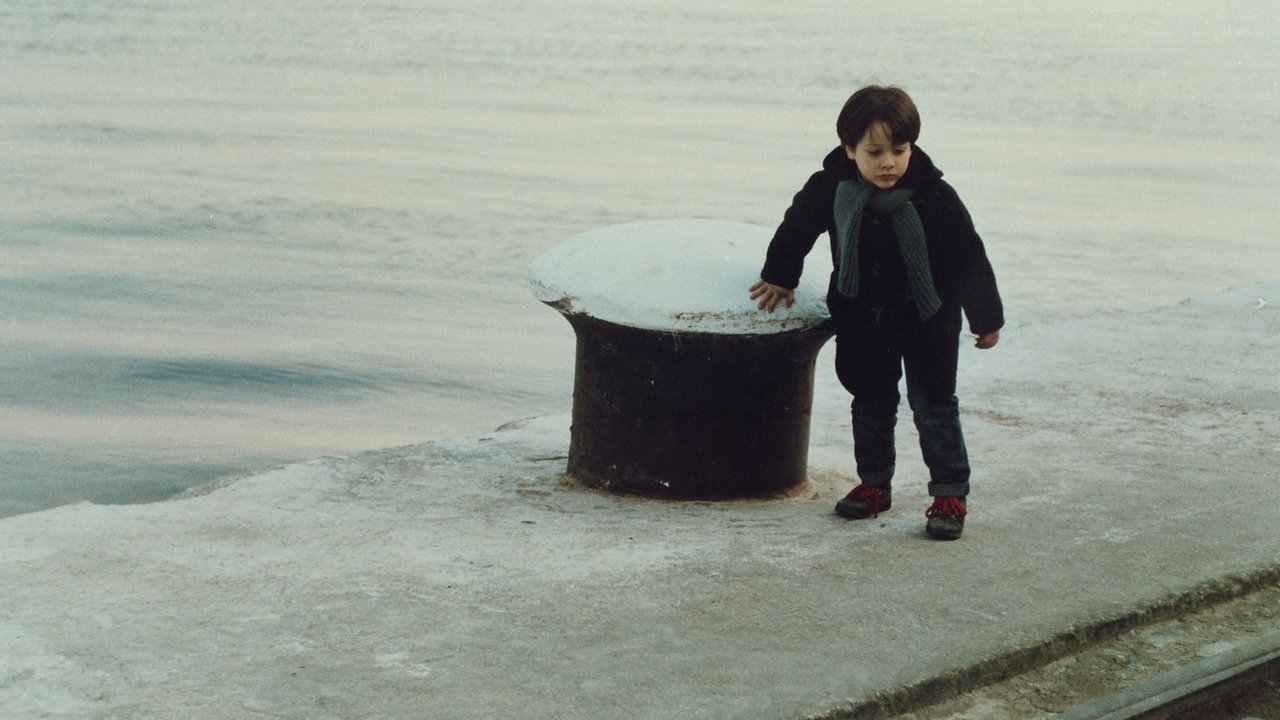
Finding the right children was paramount for Angelopoulos. Legend has it he auditioned thousands before settling on Michalis Zeke and Tania Palaiologou. Their lack of prior acting experience lends an incredible naturalism to their roles; they simply are Voula and Alexandros. This film is part of what's sometimes called Angelopoulos's "Trilogy of Silence," following Voyage to Cythera (1984) and The Beekeeper (1986), exploring themes of history, exile, and communication breakdown. The meticulous composition of each shot, often lasting several minutes without a cut, wasn't just an aesthetic choice; it allowed moments to unfold in real-time, immersing the viewer in the children's experience and the atmosphere of their journey. Imagine the coordination required on set – blocking actors, vehicles, even weather, for these extended takes in the pre-digital era! It speaks volumes about Angelopoulos's singular vision and demanding process. The film deservedly won the Silver Lion at the 45th Venice International Film Festival, cementing its place as a significant work of late 20th-century European cinema.
The Lingering Echo
Landscape in the Mist isn't a feel-good movie; it doesn't offer easy catharsis. It’s a film that settles into your bones, leaving you with a profound sense of melancholy and a deep empathy for its young protagonists. It asks difficult questions about belonging, the search for meaning (or perhaps, a father figure as a metaphor for meaning itself), and the resilience of the human spirit even in the face of overwhelming adversity. What does that final, ambiguous image by the water truly signify? Is it arrival, illusion, or something else entirely? The film wisely leaves us adrift in that mist, pondering the journey long after the credits roll. Renting this tape back then might have felt like a gamble, stepping outside the usual Hollywood fare, but the reward was discovering a film of immense artistry and shattering emotional power.
Rating: 9/10
This score reflects the film's masterful direction, unforgettable performances, and profound thematic depth. It’s a challenging but deeply rewarding piece of cinema, a haunting road movie that uses its sparse narrative to explore vast emotional territory. While its deliberate pace and bleakness might not be for everyone, its artistry and impact are undeniable.
Final Thought: A film that reminds us that sometimes the most arduous journeys are internal, and the landscapes we traverse are often shadowed by the mists of our own hopes and fears.