There’s a particular kind of quiet that settles over certain films, a stillness that doesn’t feel empty but heavy, laden with unspoken history. It’s a feeling I distinctly remember encountering on rarer trips to the ‘World Cinema’ section of the local video store, tucked away from the louder promises of action and comedy. Theodoros Angelopoulos's The Beekeeper (original title: O Melissokomos), released in 1986, wasn't the tape you grabbed for a pizza night with friends. It was something else entirely – a meditative, often challenging journey into the soul of a man adrift, a film whose melancholic drone resonates long after the credits roll.
A Journey Marked by Silence
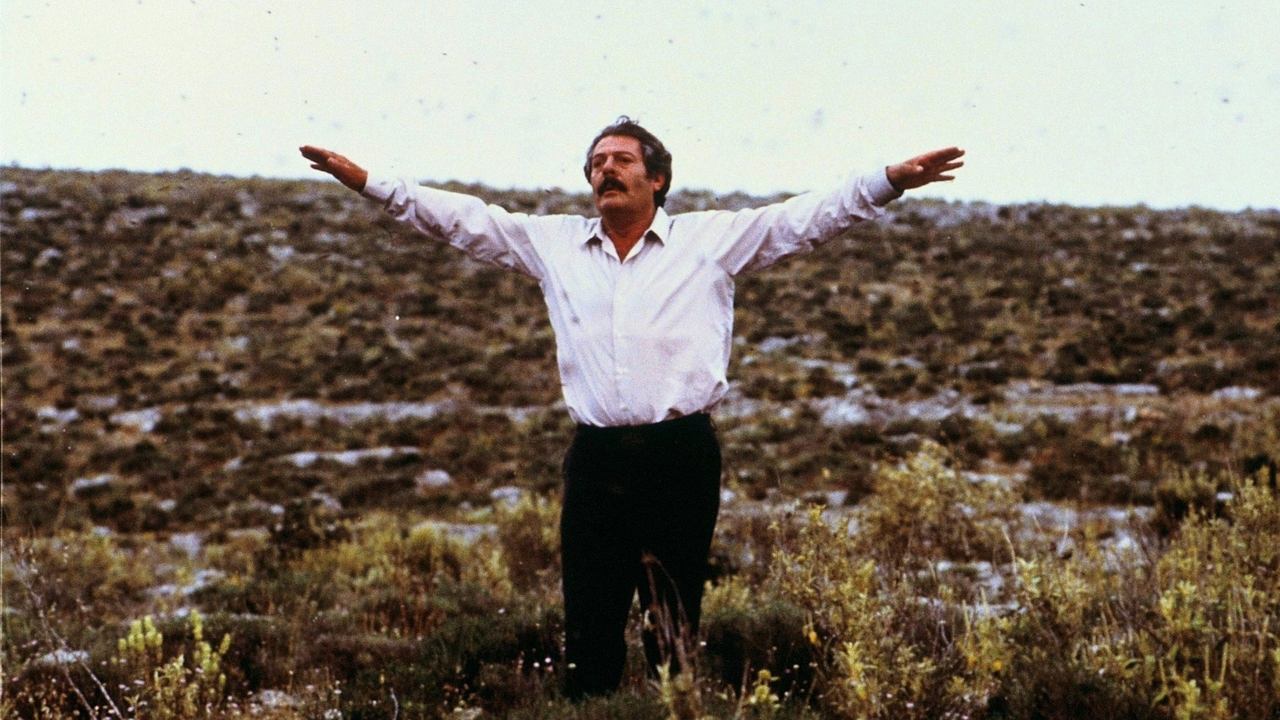
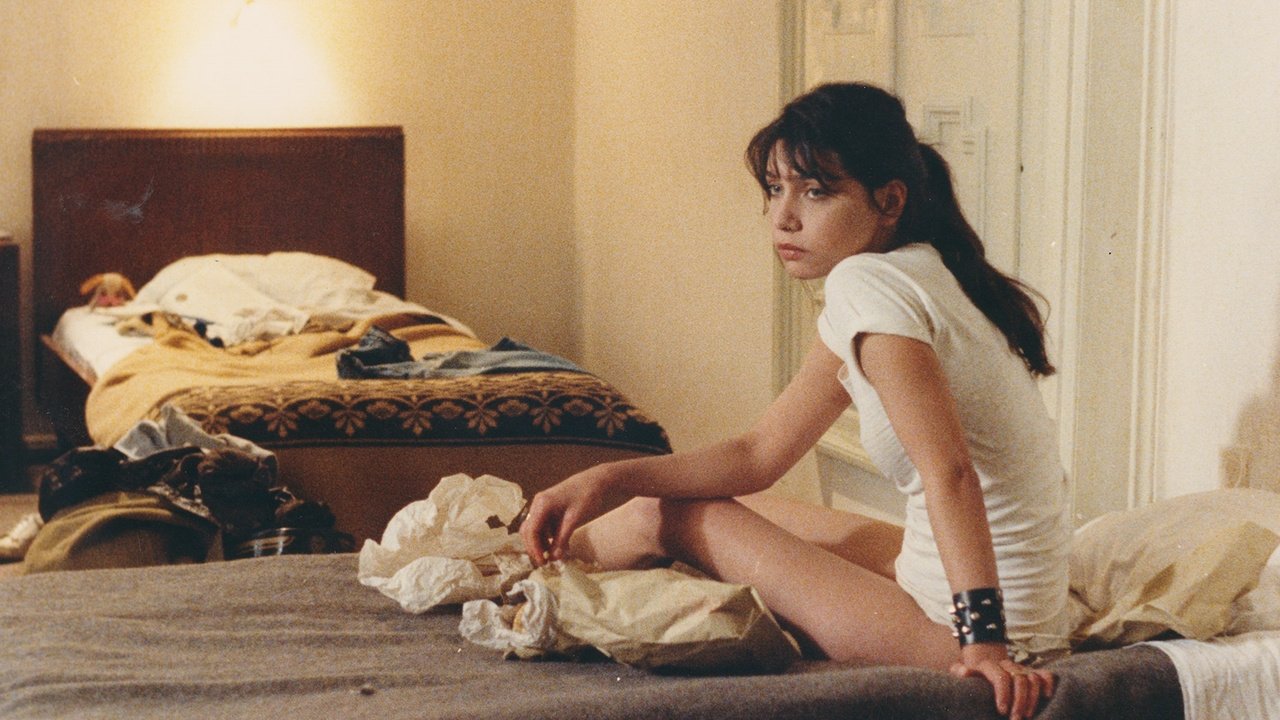
The premise is deceptively simple: Spyros (Marcello Mastroianni), a former teacher, abruptly leaves his comfortable life after his daughter's wedding. Packing his beehives onto an old truck, he embarks on the annual journey south, following the blossoming flowers. It's a ritual, a connection to a dying tradition and perhaps the only constant in his dissolving world. Along the way, he picks up a young, aimless hitchhiker (played with a raw, unsettling energy by Nadia Mourouzi), whose volatile presence disrupts his solitary routine and forces a confrontation with the emptiness he carries.
This isn't a road movie in the conventional sense. There are no quirky encounters or moments of easy bonding. Angelopoulos, a master filmmaker whose deliberate style perhaps found its apotheosis in later works like Ulysses' Gaze (1995), crafts a film steeped in atmosphere. His signature long takes, often tracking Spyros's truck through bleak, rain-swept Greek landscapes or observing characters in static, almost painterly compositions, demand patience. But this pacing isn't lethargy; it's integral to the film's power. It forces us to inhabit Spyros's isolation, to feel the weight of time passing and the crushing burden of memory.
Mastroianni's Haunting Presence
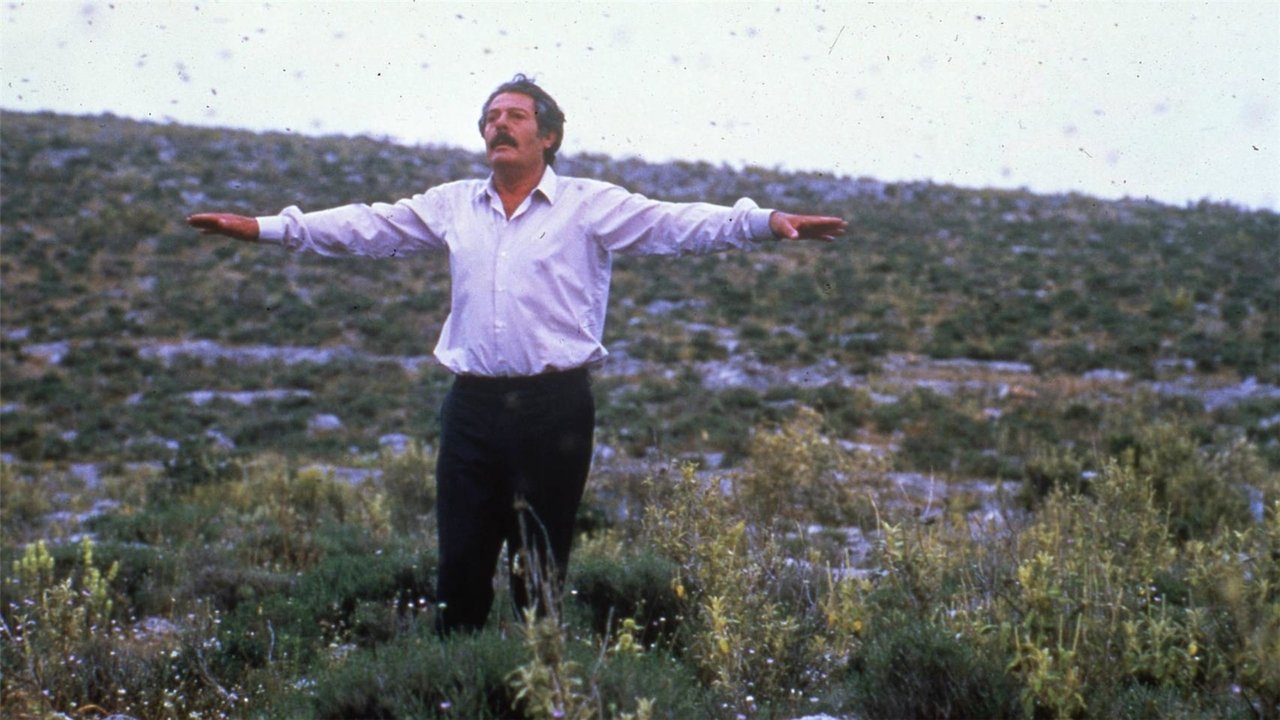
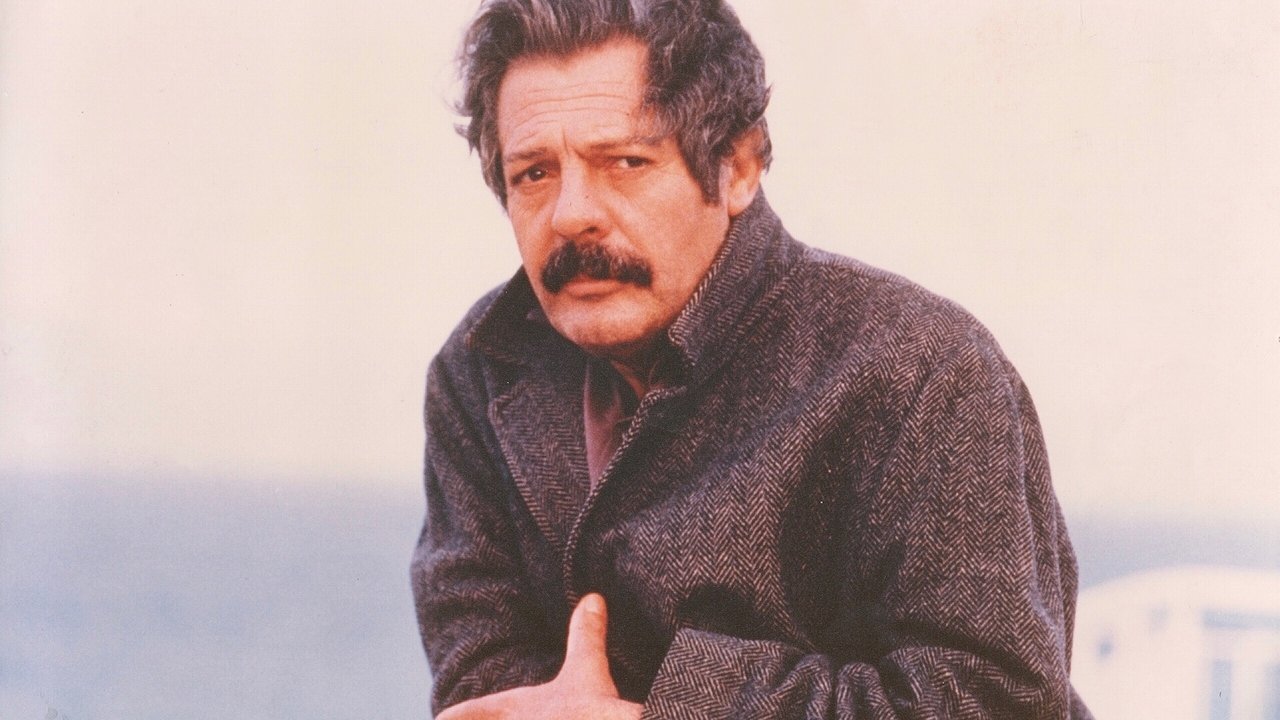
At the heart of it all is Marcello Mastroianni. Seeing him here, so far removed from the suave charmer of his Fellini collaborations like La Dolce Vita (1960), is arresting. His Spyros is a man hollowed out by unspoken disappointments and a profound sense of disconnection – from his family, from the changing world, perhaps even from himself. Mastroianni conveys this internal landscape with minimal dialogue, relying instead on the slump of his shoulders, the weariness in his eyes, the almost mechanical way he tends to his bees. It's a performance of immense subtlety and quiet devastation. There's a particularly poignant scene where he visits an old friend and fellow resistance fighter (played by the great Serge Reggiani, another veteran of European cinema), and the gulf between their shared past and desolate present hangs palpably in the air.
More Than Just a Story
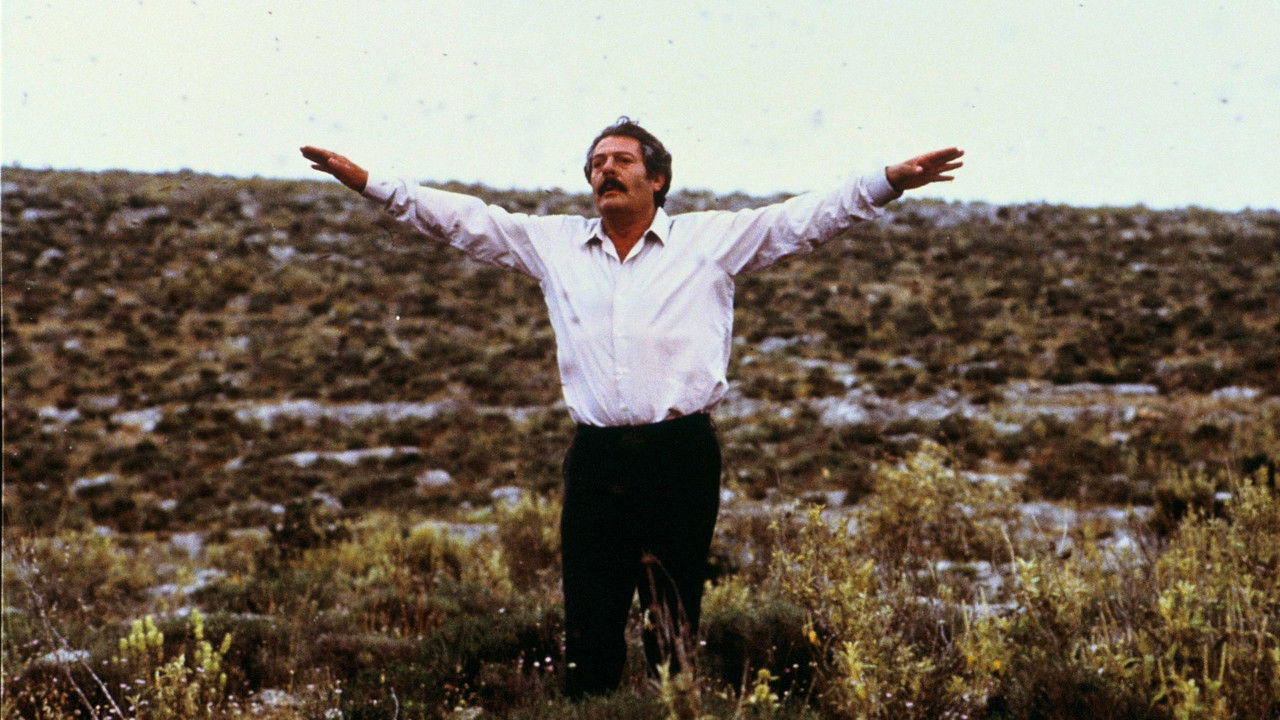
The beekeeping itself serves as a potent, if somber, metaphor. Spyros clings to this ancient, methodical practice as the modern world, represented by the restless, rootless girl, encroaches. Are the bees his only remaining connection to order, to a life with purpose? Or are they, like him, simply following an instinctual path towards an inevitable end? Angelopoulos, working with frequent collaborator and legendary screenwriter Tonino Guerra (who also penned classics for Antonioni), doesn't offer easy answers. The film raises profound questions about aging, alienation, the inability to communicate, and the ghosts of political and personal history that haunt the present.
Finding solid behind-the-scenes details on this particular Angelopoulos production can be as elusive as understanding Spyros himself, but it's known that the director often worked meticulously, planning his complex shots with precision. The film screened at the Venice Film Festival in 1986, receiving critical attention though perhaps not the widespread embrace of more accessible fare. It's part of what's sometimes considered Angelopoulos's 'Trilogy of Silence', films exploring communication breakdown and interior states, though the director himself didn't strictly define them as such. For audiences accustomed to the faster pace of mainstream 80s cinema, The Beekeeper on VHS must have felt like discovering a transmission from another world – slower, sadder, but undeniably artful.
Lingering Thoughts
The Beekeeper is not an easy film. Its bleakness is pervasive, its pace deliberate, and its central relationship often uncomfortable to watch. It resists simple interpretation and offers little in the way of conventional catharsis. Yet, its power lies precisely in this uncompromising vision. It captures a specific mood of disillusionment and existential drift with haunting beauty. Mastroianni's performance is a masterclass in understated acting, and Angelopoulos's direction creates a world that feels both specific to its Greek setting and universally resonant in its themes of loss and isolation.
Rating: 7/10
This score reflects the film's significant artistic merit, Mastroianni's towering performance, and Angelopoulos's unique directorial signature. It’s a challenging but rewarding watch for those willing to immerse themselves in its melancholic world. However, its deliberate pacing and unrelentingly somber tone might prove difficult for viewers seeking lighter fare, preventing a higher score for general appeal within the "VHS Heaven" context. It’s a film that demands engagement, not passive viewing.
The Beekeeper remains a potent reminder of the sheer breadth of cinema available during the VHS era – a quiet, sorrowful hum amidst the noise, and a testament to the power of film to explore the deepest shadows of the human condition. It’s the kind of tape you might have rented once, perhaps unsure what you’d find, only to have its mood linger with you for days.