Here’s a review of The Thin Blue Line for VHS Heaven:
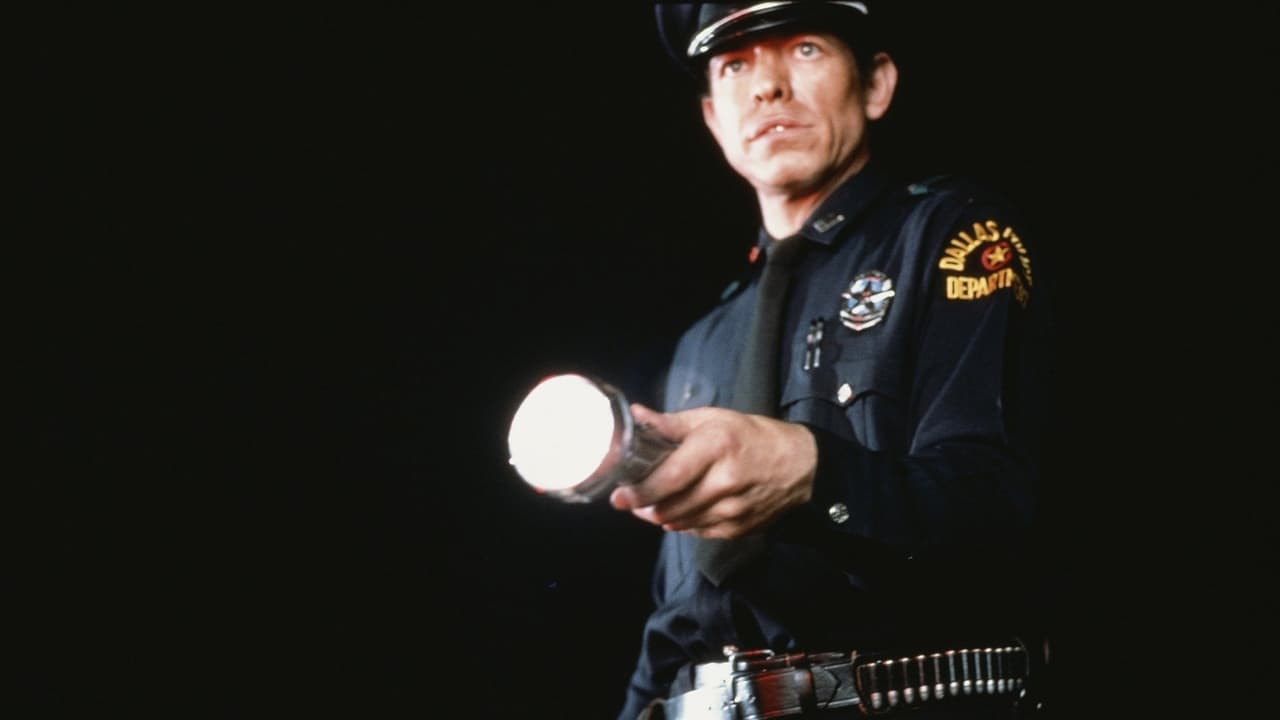
### More Than Just a Movie
Some films lodge themselves in your memory not just for their story, but for how they fundamentally alter your perception. Errol Morris’s 1988 documentary The Thin Blue Line is one such film. I remember encountering this tape, perhaps sandwiched between more conventional fare at the rental store, its stark cover hinting at something serious. What unfolded on the flickering CRT screen wasn't just a true crime story; it was a masterclass in cinematic investigation, a haunting meditation on justice, memory, and the terrifying fragility of truth itself. It asked a question that still resonates: how can we be sure of anything when human perception is so flawed?
### Unraveling a Texas Night
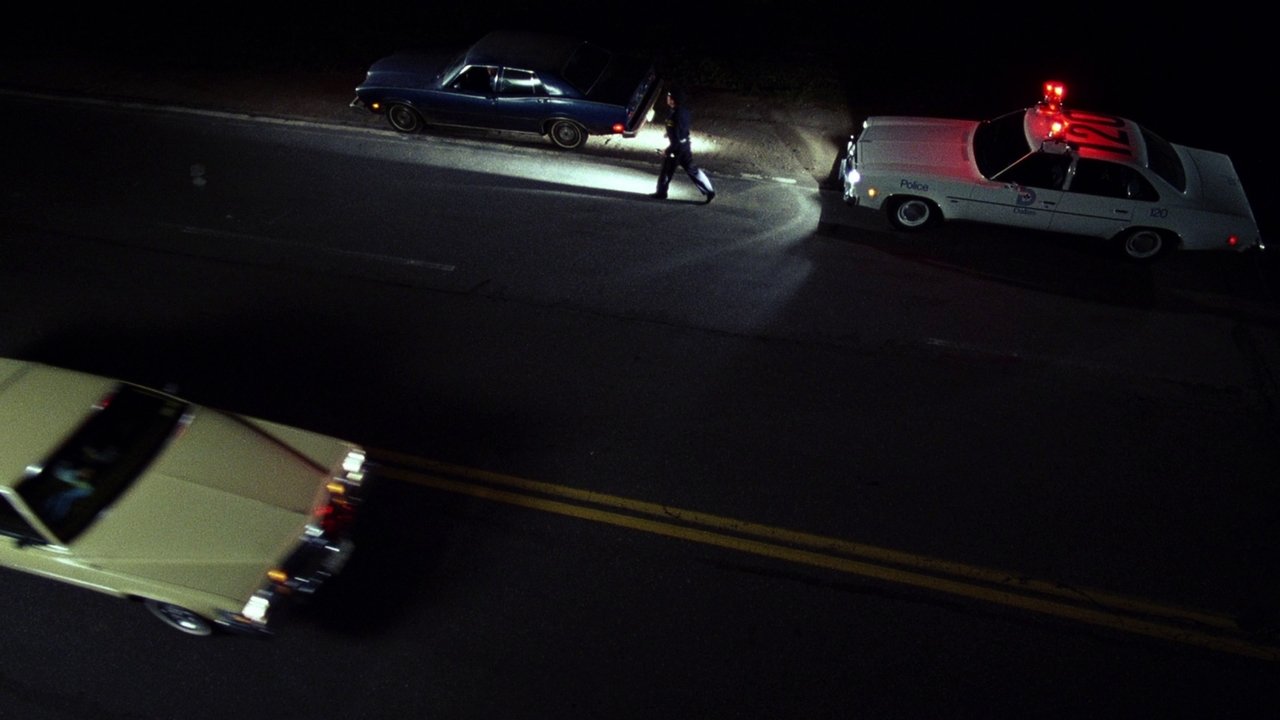
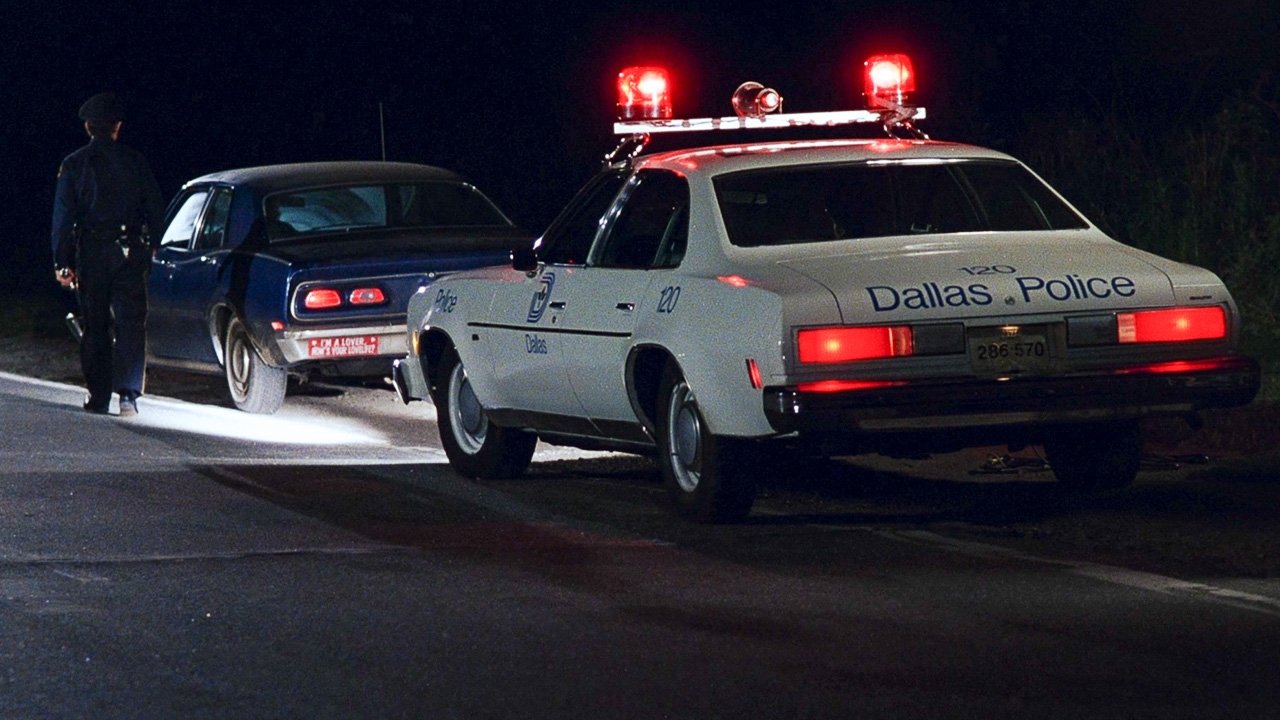
The film delves into the 1976 murder of Dallas police officer Robert Wood during a late-night traffic stop. Randall Dale Adams was convicted and sentenced to death for the crime, while the teenage David Ray Harris, the other person present and the one driving the stolen car, received immunity for his testimony against Adams. From the outset, Morris establishes a distinct, almost hypnotic atmosphere. The narrative isn't presented linearly but through a tapestry of interviews with the key players – Adams, Harris, lawyers, judges, witnesses – interwoven with stylized, dreamlike reenactments of the crime based on conflicting accounts.
This use of reenactments was quite radical for documentary filmmaking at the time. Documentaries were largely expected to present objective reality, and here was Morris deliberately visualizing subjective, often contradictory, memories. Yet, it's precisely this technique that underscores the film's central theme: the unreliability of eyewitness testimony and the constructed nature of official narratives. Each reenactment shifts subtly depending on who is speaking, highlighting inconsistencies and casting doubt on the certainty that led Adams to death row. It’s a bold choice that forces us, the viewers, into the role of jurors, sifting through the evidence presented.
### The Stare and the Score
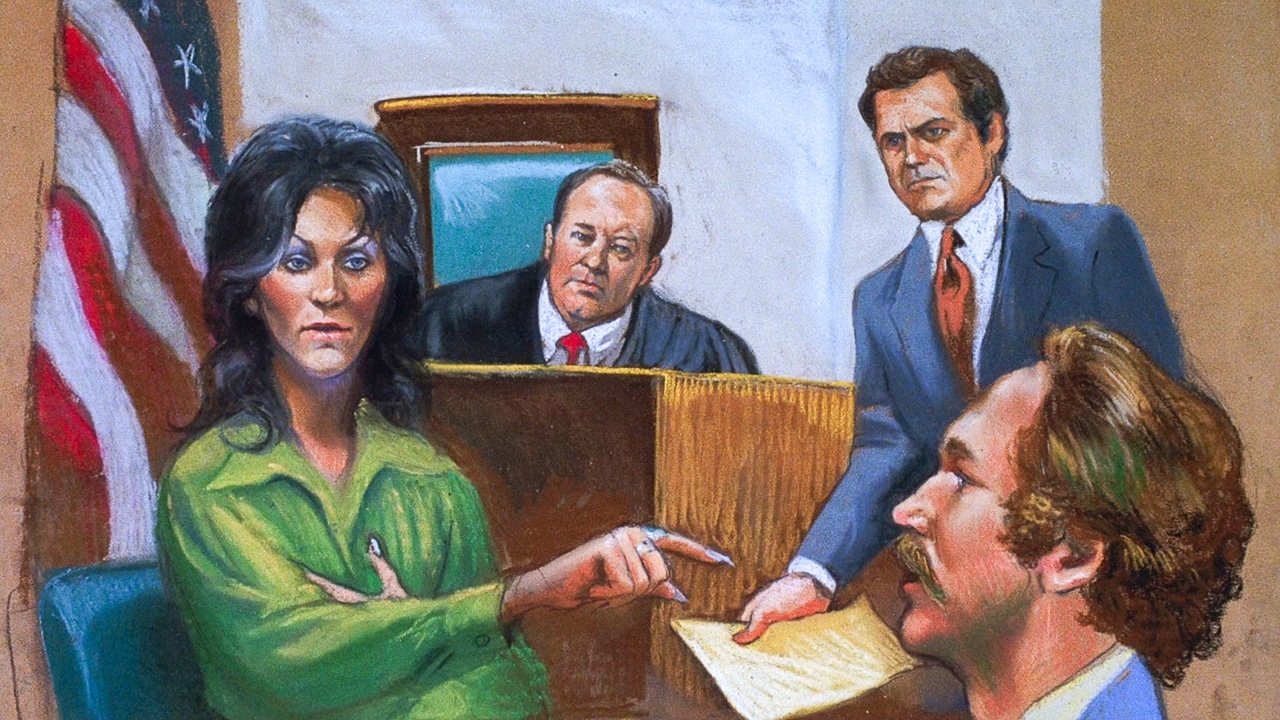
The interviews themselves are extraordinary. Errol Morris, who initially traveled to Texas to investigate psychiatrist Dr. James Grigson (nicknamed "Dr. Death" for his uncanny certainty in predicting future dangerousness in capital cases, including Adams'), stumbled upon the Adams case and shifted his focus. He employed his signature invention, the "Interrotron," a device using mirrors that allowed interviewees to look directly at Morris while also looking straight into the camera lens. The effect is unnerving and intensely intimate. We see Randall Adams, quiet and articulate, maintaining his innocence with a weary resignation. We see David Harris, unsettlingly charismatic, whose story seems to shift and morph under scrutiny. The witnesses, recalling events from over a decade prior, offer accounts riddled with doubt and contradiction. It’s in these faces, these direct stares, that the human drama unfolds – the weight of guilt, the fog of memory, the performance of self.
Complementing the visuals is the unforgettable score by Philip Glass. Its minimalist, repetitive, yet deeply emotive quality creates a sense of unease and mounting dread. It doesn't just accompany the images; it becomes an integral part of the film's hypnotic rhythm, mirroring the cyclical nature of the conflicting stories and the slow, grinding wheels of a potentially flawed justice system.
### Beyond the Screen
The Thin Blue Line isn't just remarkable filmmaking; it's a film that had tangible, real-world consequences. The inconsistencies and potential perjury Morris meticulously exposed, including a near-confession from David Harris captured on audio tape near the end of filming, played a significant role in having Randall Adams's case reviewed. Adams's conviction was overturned in 1989, and he was released after serving over 12 years in prison for a crime he likely did not commit. How often can we say a film directly led to freeing someone from death row? It’s a stunning testament to the power of investigative journalism fused with cinematic artistry.
Interestingly, despite its profound impact and critical acclaim (it won numerous awards, including Best Documentary from the New York Film Critics Circle), the film was controversially not even nominated for the Best Documentary Feature Oscar. This snub generated significant debate and is often credited with contributing to changes in how the Academy's documentary branch selected nominees. It was perhaps too innovative, blurring lines in a way that made some traditionalists uncomfortable.
### Lasting Impressions
Watching The Thin Blue Line today, decades after its release, its power hasn't diminished. It remains a gripping, chilling exploration of a potential miscarriage of justice, but it's more than that. It’s a profound commentary on the subjectivity of truth and the fallibility of the systems we rely on to determine it. Morris doesn't simply present facts; he orchestrates them, using the tools of cinema – framing, editing, music, reenactment – to expose the narrative constructed by the prosecution and question its foundation.
It's a film that demands active viewing, asking us to pay attention, to notice the details, to question what we're being told. It’s a stark reminder, delivered through the cool glow of the screen, that the line between perceived truth and actual fact can be dangerously thin indeed.
Rating: 10/10
This is a flawless execution of directorial vision, a landmark documentary that transcends its genre. Its innovative techniques, haunting score, compelling interviews, and undeniable real-world impact make it essential viewing. It doesn’t just tell a story; it interrogates the very act of storytelling and its life-or-death consequences. What lingers most is the unsettling realization of how easily narratives can be shaped, and how profoundly a single film can challenge them.