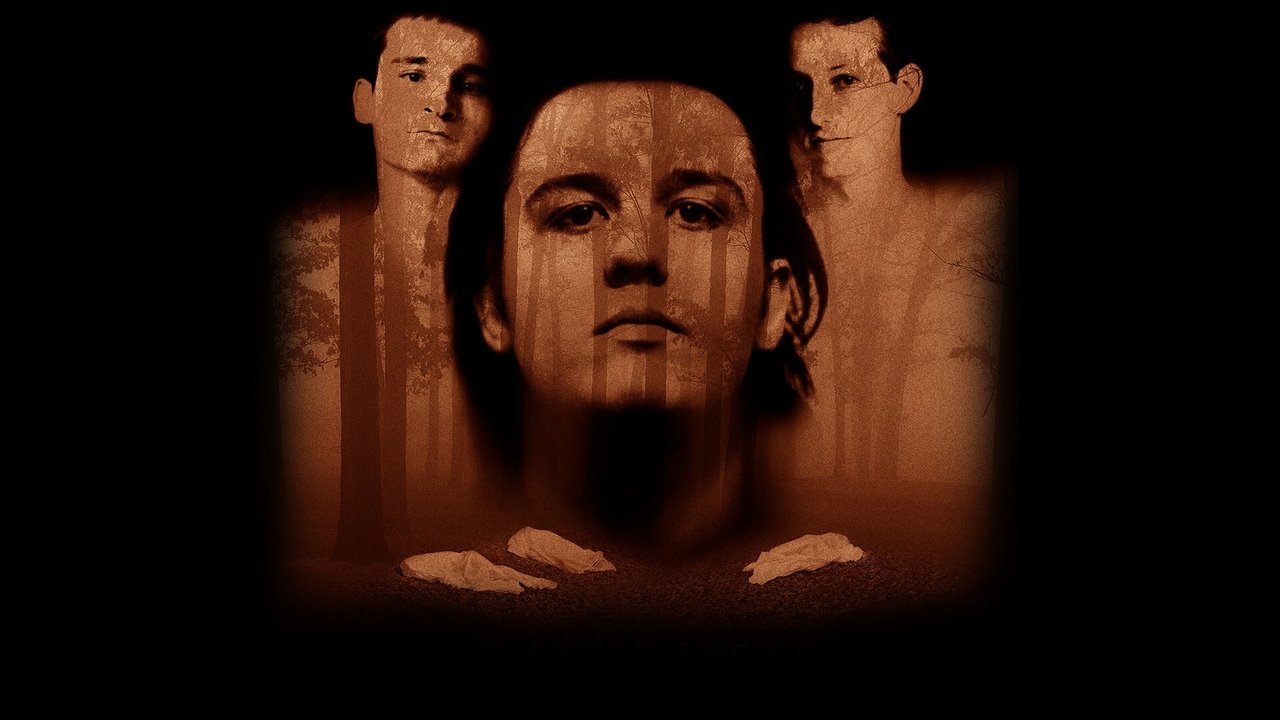
Returning to West Memphis felt different this time, didn't it? When Joe Berlinger and Bruce Sinofsky’s Paradise Lost: The Child Murders at Robin Hood Hills first landed in 1996, it hit like a raw nerve exposed – a harrowing look at a brutal crime and a justice system seemingly railroading three teenagers amidst whispers of Satanic panic. Four years later, HBO brought us back with Paradise Lost 2: Revelations (2000), and the air felt heavier, the questions murkier. This wasn't just an update; it was a descent into deepening complexities and the unsettling emergence of a new, deeply troubling figure.
The Long Shadow of Doubt
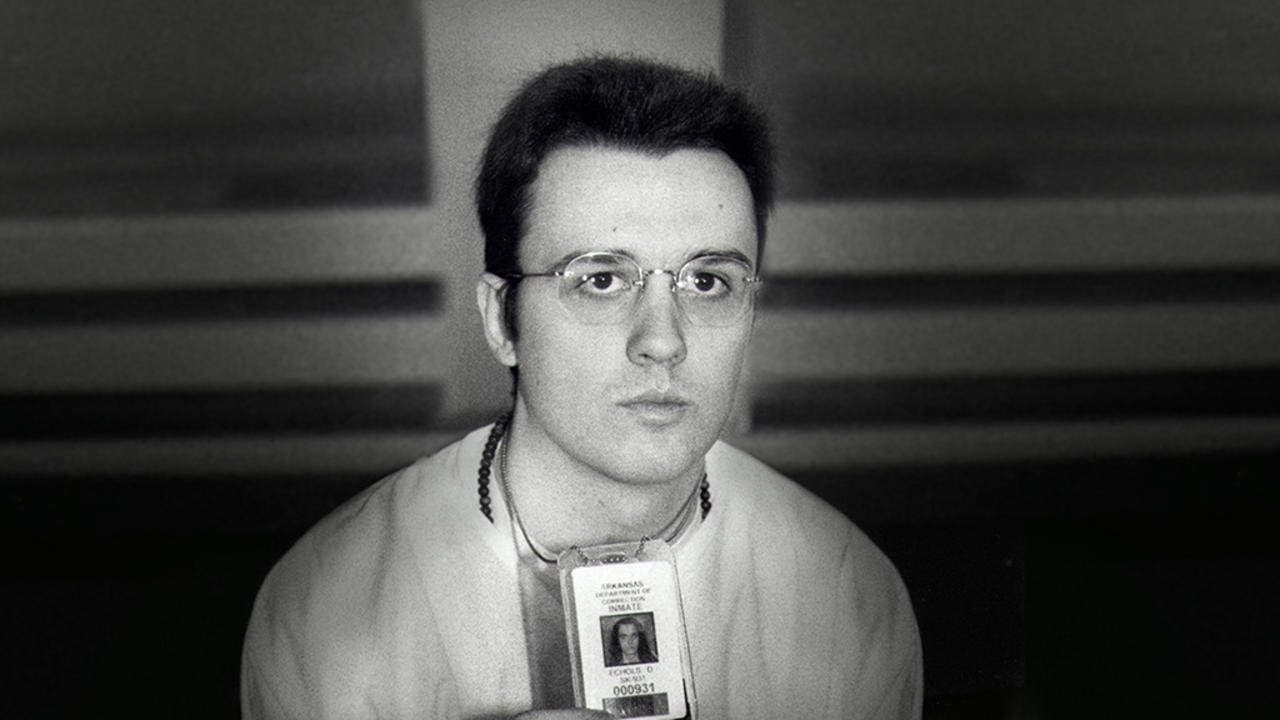
The initial shock of the convictions had settled, replaced by a growing unease fueled, in no small part, by the impact of the first film. Revelations picks up with Damien Echols, Jason Baldwin, and Jessie Misskelley Jr. still incarcerated, their appeals winding through the Arkansas legal system. We see the toll time and imprisonment have taken – Echols, articulate and increasingly gaunt on death row; Baldwin, holding onto a quiet resilience; Misskelley, still struggling, perhaps, with the weight of his contested confession. Their presence remains the heart of the tragedy, a constant reminder of the lives hanging in the balance.
But Revelations takes a significant detour, dedicating substantial time to John Mark Byers, the stepfather of one of the young victims, Christopher Byers. Byers, a volatile and eccentric figure in the first film, steps into the foreground here as suspicions, fueled by newly surfaced evidence and his own erratic behavior, begin to swirl around him. This shift is arguably the film's most defining characteristic. Watching Byers, prone to outbursts, biblical pronouncements, and moments of startling vulnerability, is both captivating and deeply uncomfortable. Is he a grieving father acting out in bizarre ways, or is there something more sinister beneath the surface? The film doesn't offer easy answers, instead immersing us in the ambiguity.
A Tangled Web of Evidence and Emotion
Berlinger and Sinofsky continue their signature cinéma vérité style, embedding themselves within the community and the legal battles. Their access remains remarkable, capturing intimate moments with the families, the defense teams, and the burgeoning support group working tirelessly for the West Memphis Three (WM3). This growing movement, largely galvanized by the first documentary, highlights the power of film to influence perception and mobilize action – a fascinating meta-narrative woven through the sequel. We see the early days of online activism coalescing around the case, a precursor to so much that would follow in the digital age.
One particularly chilling sequence involves Byers gifting the filmmakers a hunting knife – eerily similar, some suggest, to the type of weapon potentially used in the murders. It's a moment thick with implication, amplified by forensic findings (later contested, adding another layer of complexity) that seemed, at the time, potentially incriminating. Did you find yourself leaning forward during those scenes, scrutinizing his every word, his every gesture? The directors masterfully let these moments unfold, forcing the audience to grapple with conflicting information and their own gut feelings. Metallica, who famously allowed their music to be used in the first film after seeing the rough cut, continued their support, their powerful tracks underscoring the anger and injustice simmering throughout.
The Craft of Truth-Seeking
Filming Revelations couldn't have been easy. The ethical tightrope of documenting such intense human suffering, navigating the shifting alliances and suspicions within the community, and maintaining a degree of journalistic objectivity required immense skill. While the focus on Byers is compelling, some might argue it occasionally risks overshadowing the central plight of Echols, Baldwin, and Misskelley. Yet, this focus also underscores the tragedy's sprawling nature – how the crime fractured not just the victims' families, but the entire community, leaving suspicion and grief to fester in unexpected corners.
The film effectively captures the slow, grinding nature of the appeals process, the hope flickering with each new motion filed, the crushing disappointment when doors are slammed shut. It reminds us that the pursuit of justice is often a marathon, not a sprint, particularly when challenging entrenched conclusions. Seeing the WM3 supporters meticulously pore over evidence, raising funds, and keeping the case alive is a testament to the human spirit's refusal to accept injustice quietly.
An Unfinished Chapter
Paradise Lost 2: Revelations doesn't provide closure; how could it? The case was far from resolved in 2000. Instead, it deepens the mystery, broadens the scope of the tragedy, and solidifies the Paradise Lost series as a landmark achievement in long-form documentary filmmaking. It stands as a powerful testament to the filmmakers' commitment and a crucial bridge between the initial shock of the crime and the long fight for exoneration that would culminate over a decade later with Paradise Lost 3: Purgatory (2011) and the eventual Alford pleas. Watching it again now, knowing the final outcome (or, perhaps more accurately, the complex resolution), adds yet another layer of poignant reflection.
Rating: 9/10
This score reflects the film's undeniable power, its crucial role in the ongoing narrative of the West Memphis Three case, and the masterful craft of its directors. It expertly builds upon the foundation of the first film, introducing complex new elements and sustaining a palpable sense of urgency and injustice. While the intense focus on John Mark Byers might feel like a narrative gamble to some, it ultimately adds a compelling, if deeply unsettling, dimension to the saga. Revelations is essential viewing, not just as a true crime documentary, but as a profound examination of doubt, community trauma, and the enduring hope for truth. It leaves you wrestling with the uncomfortable knowledge that sometimes, the path to justice is more labyrinthine and shadowed than we can ever truly comprehend.