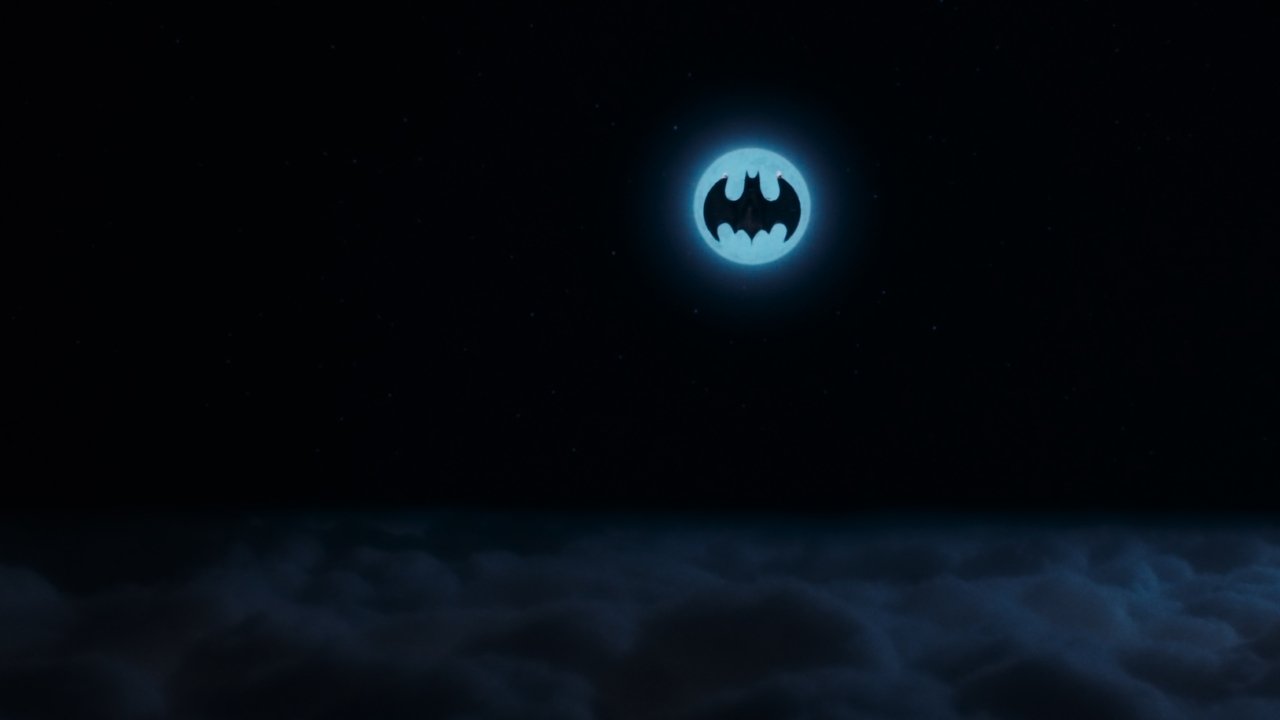
It begins with the city. Not just any city, but Gotham. Anton Furst’s nightmarish, Oscar-winning vision of urban decay wasn’t merely a backdrop in Tim Burton’s 1989 Batman; it was a suffocating presence, a gothic maze of looming architecture choked by steam and crime. Forget the camp crusader of the 60s; this was a Gotham born from German Expressionism and rain-slicked noir, a place that demanded a creature like Batman to stalk its shadows. The feeling wasn't excitement, initially, but a kind of oppressive weight, the sense that something truly dark was unfolding long before the Bat-Signal cut through the perpetual gloom.
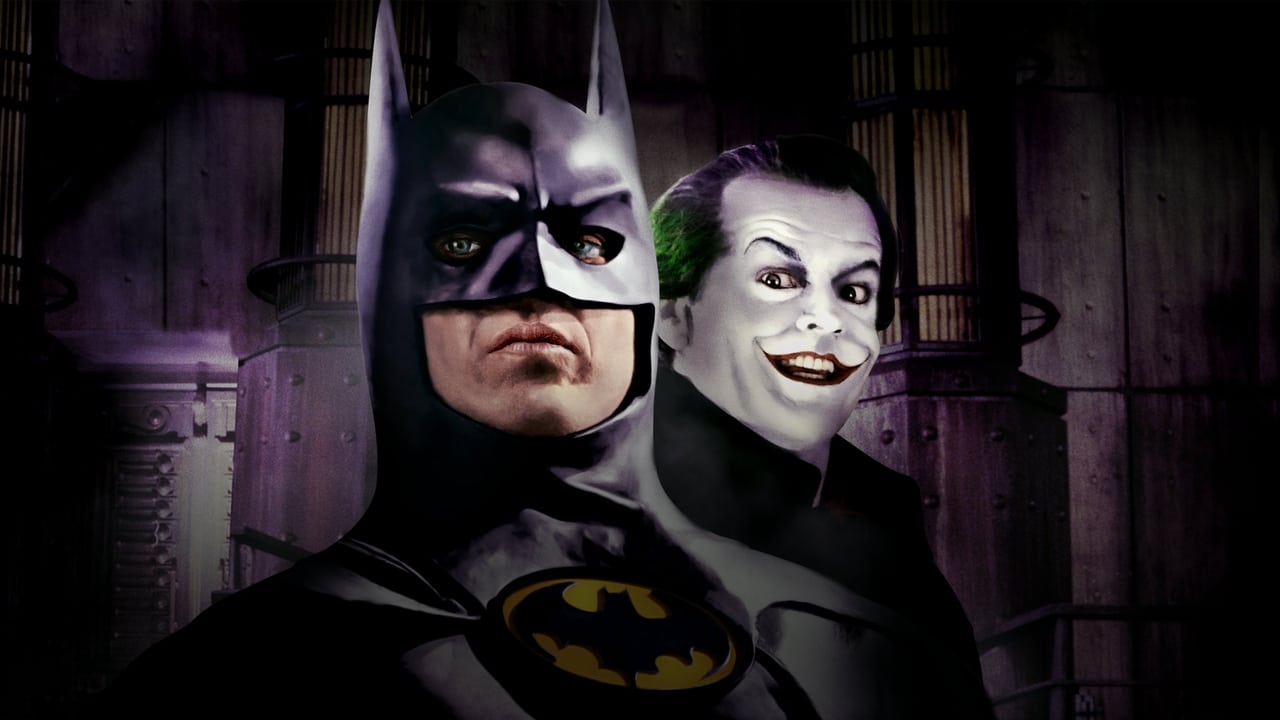
Forging a Darker Knight
Stepping into this gloom was Tim Burton, fresh off the quirky success of Beetlejuice (1988), but bringing a sensibility perfectly attuned to the brooding vigilante envisioned by writers like Frank Miller in the comics just years prior. Burton wasn't interested in square-jawed heroics; he leaned into the psychological shadows, the inherent weirdness of a man dressing as a bat to fight crime. This was a risk. Comic book movies weren't the guaranteed blockbusters they are today, and aiming for something this tonally dark felt revolutionary, almost dangerous. The studio, Warner Bros., was hedging its bets, hoping for a summer hit but navigating uncharted territory. The initial script by Sam Hamm was even darker, featuring Robin's parents being killed by the Joker during the film, a thread ultimately cut to keep the focus tight.
The biggest gamble, however, was the cowl. When Michael Keaton was announced as Bruce Wayne/Batman, the backlash was seismic. Fans, envisioning a muscle-bound action hero, flooded Warner Bros. with an estimated 50,000 letters of protest. How could the guy from Mr. Mom (1983) be Batman? But Burton saw something else: an intensity, a coiled darkness behind the eyes. He fought for his choice, and Keaton delivered a masterclass in understated menace. His Bruce Wayne is awkward, haunted, almost remote, making his transformation into the imposing, silent Batman all the more effective. Keaton plays him not as a hero, but as a driven, damaged soul operating on the edge of obsession. Forget the physique; it was the intensity that sold it, the way he moved, the quiet threat in his voice.

The Devil Dances in the Pale Moonlight
Every Batman needs his Joker, and landing Jack Nicholson was the coup that silenced many doubters and screamed "event movie." Already a screen legend, Nicholson didn't just play the Joker; he became him, albeit filtered through his own magnetic, slightly terrifying persona. His contract negotiations were legendary – top billing (a rarity for a villain), a hefty salary ($6 million upfront), plus unprecedented points on the gross and merchandise (earning him reportedly anywhere from $60 to $90 million in total). He even dictated his shooting schedule. But the investment paid off. Nicholson's Joker is a creature of pure id, a flamboyant psychopath unleashed upon the grim canvas of Gotham. His origin, tied directly to Batman's, adds a layer of tragic irony. The chemical bath transforms mob enforcer Jack Napier into a garish nightmare, his rictus grin (achieved through painful prosthetics) a permanent mockery of life. Doesn't that performance, a blend of menace and Vaudeville chaos, still feel iconic?
Sounds and Spectacles of a Gothic Nightmare
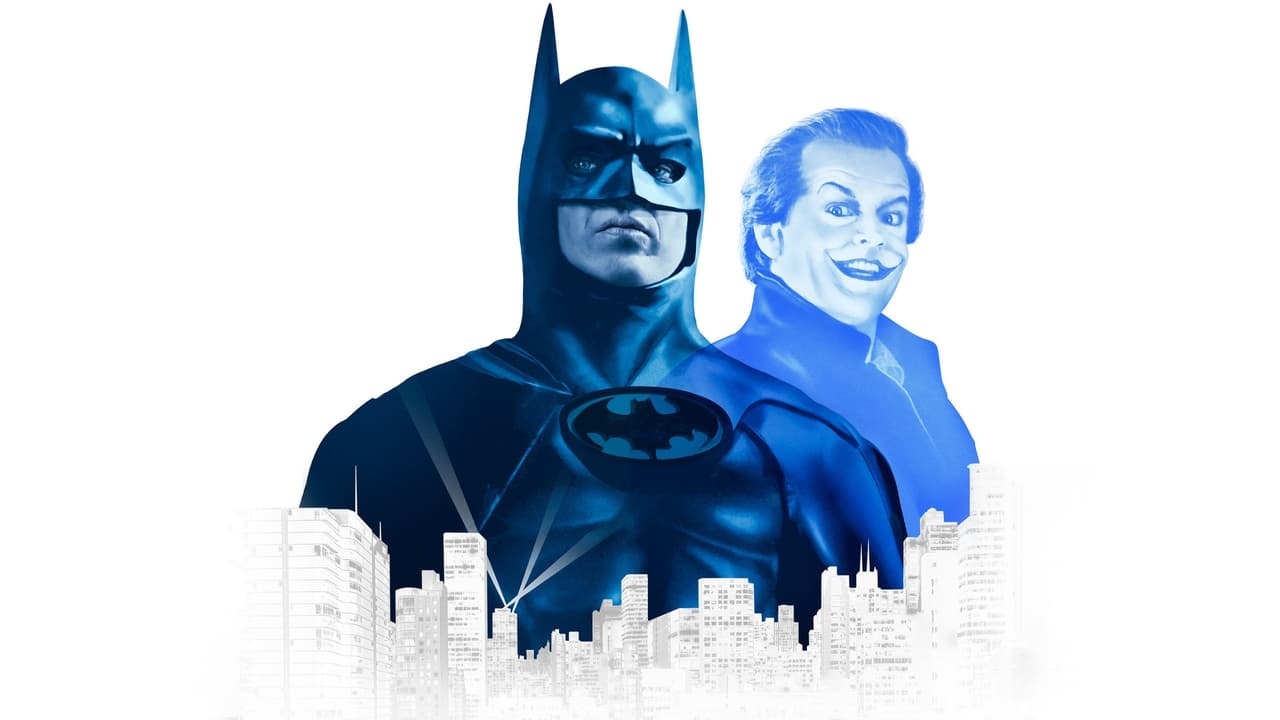
Complementing Furst's visionary design was Danny Elfman's score. Eschewing traditional heroic fanfares, Elfman crafted a theme that was dark, operatic, and instantly unforgettable. It became synonymous with the character, a brooding march that perfectly captured the film's gothic heart. While the studio-mandated Prince soundtrack feels somewhat jarringly upbeat against the film's mood (a fascinating 80s quirk resulting from producer Jon Peters's desire for hit singles), tracks like "Batdance" undeniably added to the film's pop culture ubiquity that summer.
And then there were the toys. The Batmobile, designed by Furst and built over a Chevrolet Impala chassis, wasn't just a car; it was an armored beast, sleek yet brutalist, reflecting the film's aesthetic. Its unveiling, tearing through the Gotham streets, felt like a genuine cinematic moment. The practical effects, from the Batwing soaring against a matte-painted moon to the Joker's chilling makeup, had a tangible weight that grounded the fantasy. I distinctly remember renting this on VHS, the slightly worn tape clicking into the VCR, and feeling that the Batmobile looked more real, more menacing, than anything CGI could conjure today.
Batmania and Lasting Shadows
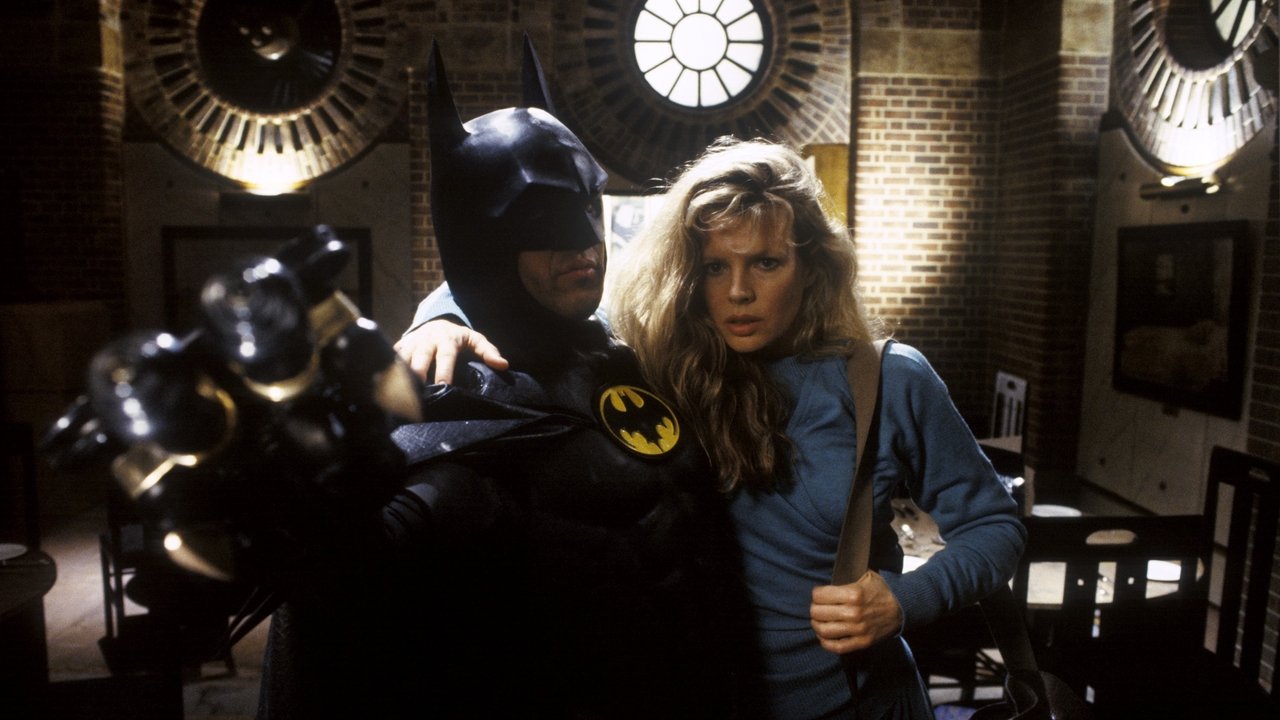
Batman wasn't just a movie; it was a cultural phenomenon. Released on June 23, 1989, on a then-staggering budget of around $35-48 million, it shattered box office records, pulling in over $411 million worldwide (that's well over a billion dollars adjusted for inflation). The marketing blitz was unprecedented – that stark black-and-yellow Bat-symbol was everywhere. It proved that comic book adaptations could be serious, atmospheric, and massively profitable, paving the way for the superhero genre's eventual dominance. While Kim Basinger's Vicki Vale often feels like a reactive damsel, serving more as a plot device than a fully fleshed character (a common critique even then), the central conflict between Keaton's haunted Batman and Nicholson's anarchic Joker remains electrifying.
Its influence is undeniable, setting a template for dark superhero origin stories for years. It launched a franchise, spawning sequels of varying quality (Batman Returns (1992) doubling down on Burton's gothic vision, while later entries steered differently) and cementing this interpretation in the public consciousness. Did that twist involving the Joker and Bruce's parents genuinely shock you back then? It certainly added a personal, almost operatic dimension to their conflict.
***
VHS Heaven Rating: 9/10
Batman '89 remains a watershed moment. While some plot points feel convenient and Vicki Vale's character arc is thin, the sheer force of its atmospheric direction, unforgettable performances from Keaton and Nicholson, groundbreaking production design, and iconic score override these flaws. It wasn't just a superhero movie; it was a Tim Burton movie, drenched in gothic beauty and psychological darkness. It redefined the genre, proved the commercial power of a darker tone, and created a version of Batman and Gotham City that still casts a long, imposing shadow over pop culture. Rewatching it today, the feeling isn't just nostalgia; it's an appreciation for a blockbuster that dared to be different, dark, and deeply weird.