Okay, VHS fans, let's rewind to a time when Hong Kong action cinema wasn't just about gritty crime thrillers or historical epics. Sometimes, it threw absolutely everything at the wall – wire-fu, melodrama, sci-fi gizmos, gothic horror, and superheroics – just to see what stuck. And somehow, gloriously, it did. I’m talking about 1993’s The Heroic Trio, a film that practically leaps off the magnetic tape with sheer, unadulterated energy. Finding this gem tucked away on the rental store shelf felt like uncovering a secret, a vibrant explosion of colour and chaos that most Western audiences simply weren't getting elsewhere.
### Three Forces of Nature
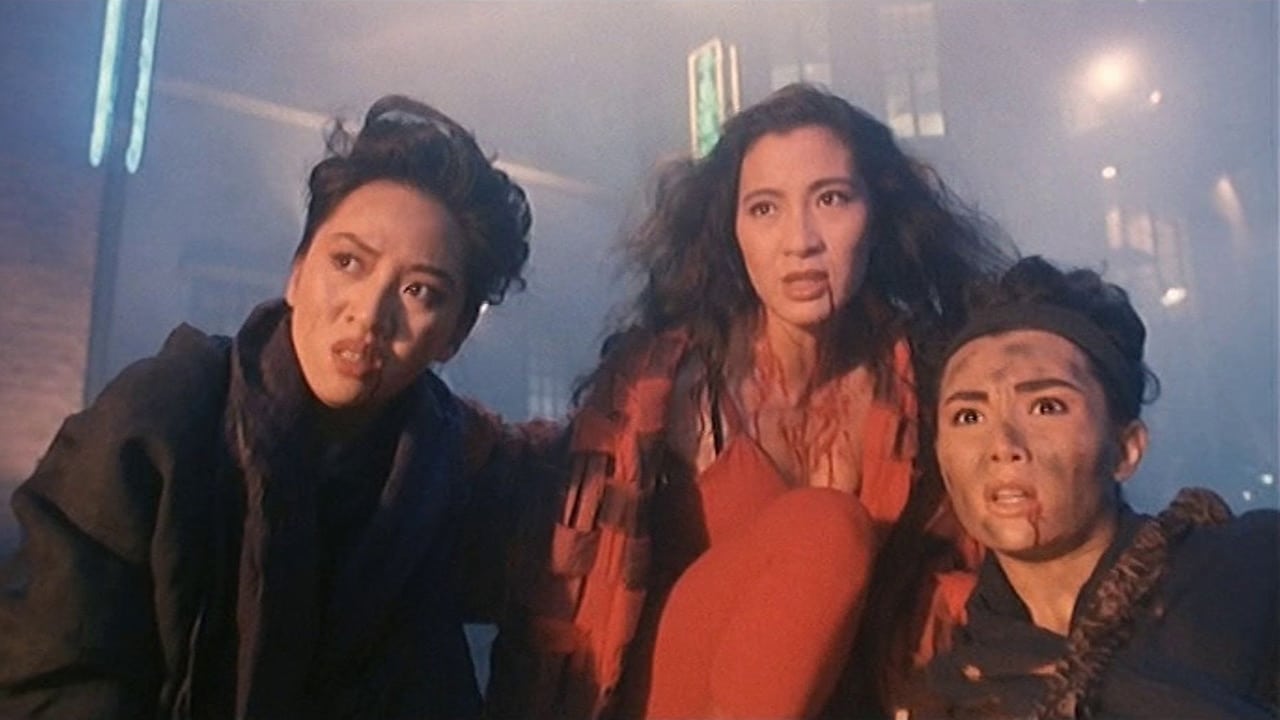
Forget your brooding caped crusaders for a moment. The Heroic Trio brings together three of Hong Kong cinema's most luminous stars: the incomparable Michelle Yeoh, the versatile Maggie Cheung, and the legendary Anita Mui (Rest in Peace, forever an icon). They portray Tung (Wonder Woman), Chan Chat (Thief Catcher), and Ching (Invisible Woman), respectively – three women with extraordinary abilities and deeply intertwined, often complicated, pasts. When an invisible, ancient evil starts kidnapping newborn babies across the city, these three find themselves drawn into a conflict that forces them to confront their shared history and ultimately unite. The plot itself is wonderfully bonkers, involving a subterranean villain known only as the "Evil Master" who wants to train these infants to become dynastic rulers. Pure pulp perfection.
### Action That Soars (Literally)

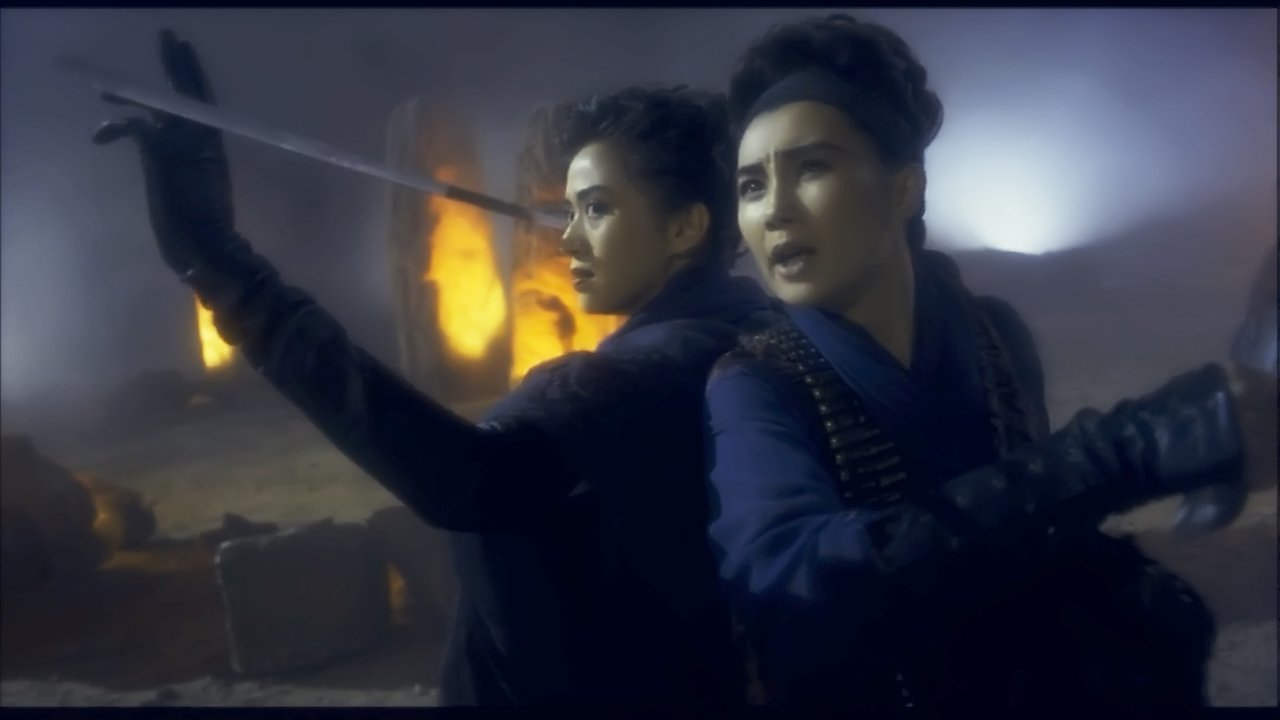
What truly sets The Heroic Trio apart, especially when viewed through our retro lens, is its breathtaking action choreography. This is peak Hong Kong wire-fu, delivered with a grace and creativity that still impresses. Director Johnnie To, known later for hard-hitting crime dramas like Election (2005) and Drug War (2012), shows an entirely different, almost balletic sensibility here. Forget CGI weightlessness; this is all about practical wirework and incredible stunt coordination. Remember how mind-blowing those leaps and mid-air clashes looked back then? The physics might be questionable, but the impact was undeniable.
Michelle Yeoh, already a seasoned action star from films like Yes, Madam (1985), is typically brilliant as the stoic, noble Tung, her martial arts background shining through in every precisely executed move. Maggie Cheung, often known for more dramatic roles like in Wong Kar-wai's In the Mood for Love (2000), dives headfirst into the action genre as the mercenary, motorcycle-riding Thief Catcher, bringing a kinetic energy and surprising physicality. And Anita Mui, a Cantopop superstar and gifted actress (Stanley Kwan's Rouge (1987)), embodies the conflicted Ching, whose past ties her directly to the villain, adding layers of melodrama amidst the flying kicks. Her 'Invisible Woman' suit, achieved through clever editing and effects, felt genuinely cool and mysterious on a fuzzy CRT screen.
One fascinating tidbit is that the film, along with its darker, post-apocalyptic sequel Executioners (also 1993), was shot practically back-to-back. This rapid-fire Hong Kong production style likely contributed to the film's frenetic energy and slightly rough-around-the-edges charm – something lost in today's often overly polished blockbusters. The budgets were tight, schedules tighter, but the creativity flowed freely.
### A Symphony of Styles
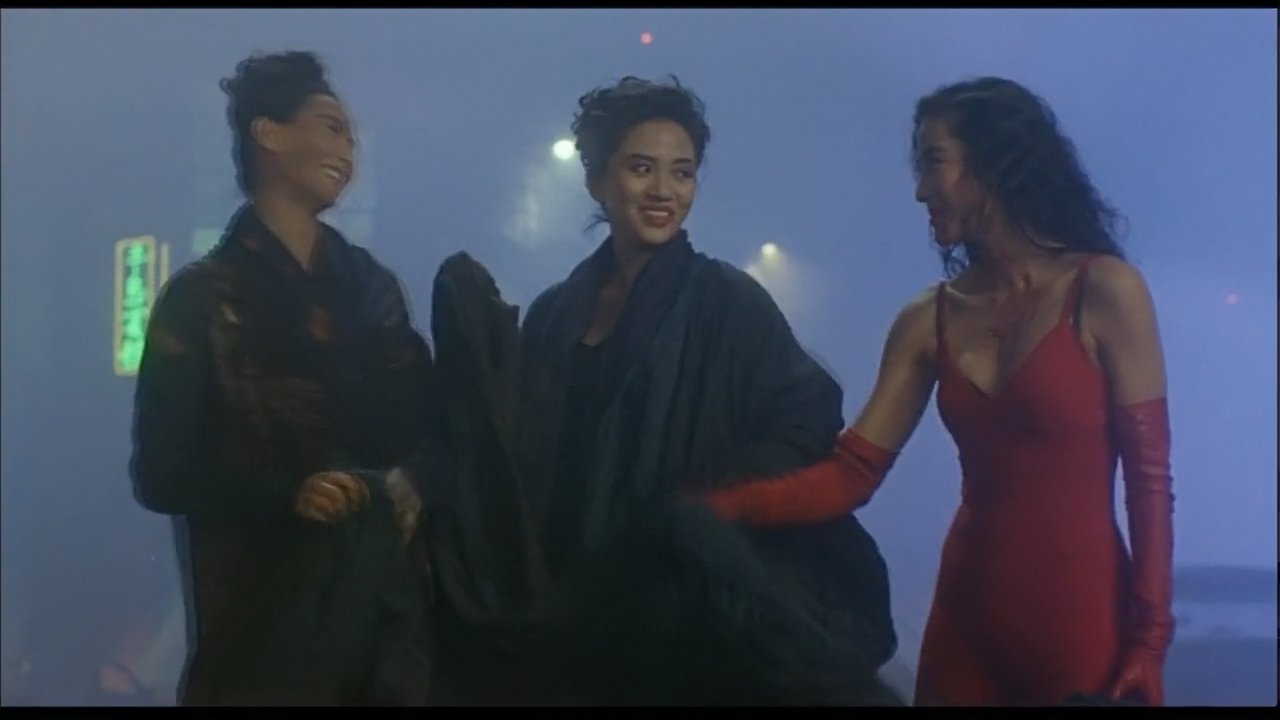
The film isn't just action, though. It veers wildly between genres, sometimes within the same scene. There’s genuine pathos in the characters' backstories, moments of slapstick comedy (mostly courtesy of Maggie Cheung), touches of gothic horror in the villain's lair, and a vibrant, almost comic-book aesthetic in the production design and costumes. Those outfits! From Yeoh's traditional garb-meets-superhero look to Cheung's leather-clad biker chic and Mui's flowing robes – they are unapologetically bold and instantly memorable.
The score, too, is a quintessential early 90s Hong Kong blend of synth-heavy action cues and soaring melodramatic themes. It perfectly complements the visual feast on screen. Watching it now, some of the tonal shifts might feel abrupt, but that's part of the unique flavour of Hong Kong cinema from this period – an emotional rollercoaster that prioritizes impact over strict coherence. It wasn't aiming for gritty realism; it was aiming for spectacle.
### Cult Status Cemented
The Heroic Trio wasn't a massive crossover hit in the West upon release, often relegated to Chinatown cinemas or the dusty corners of video stores specializing in imports. But among fans of Hong Kong action and those seeking something truly different, it quickly achieved cult status. Its influence can be seen in later female-led action ensembles, though few capture its specific blend of wuxia grace, superhero fantasy, and sheer emotional sincerity. It felt ahead of its time, presenting three powerful, complex female leads headlining their own action epic without compromise. Did critics at the time always 'get' it? Maybe not universally, but audiences who found it knew they'd stumbled onto something special.
Rating: 9/10
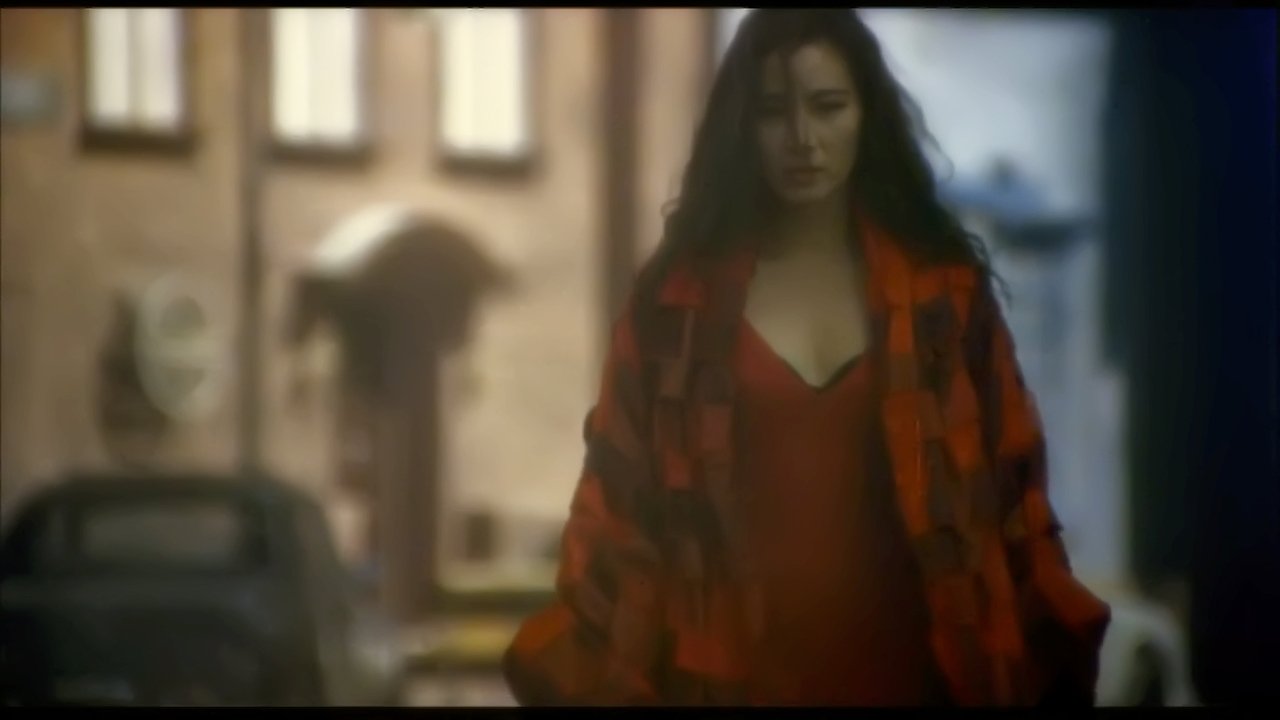
The rating reflects its near-perfect execution of a uniquely Hong Kong vision. It’s a visual marvel packed with incredible practical stunt work, charismatic performances from three legendary actresses at the top of their game, and an infectious, anything-goes energy. It loses a point only for the occasional narrative wobble inherent in its breakneck pacing and tonal shifts, but honestly, that’s also part of its charm.
Final Comment: The Heroic Trio is pure, uncut 90s Hong Kong fantasy action – a whirlwind of wire-fu wizardry and diva dynamism that reminds you just how thrillingly physical and wildly imaginative movies could be before digital safety nets became the norm. Still absolutely electric.