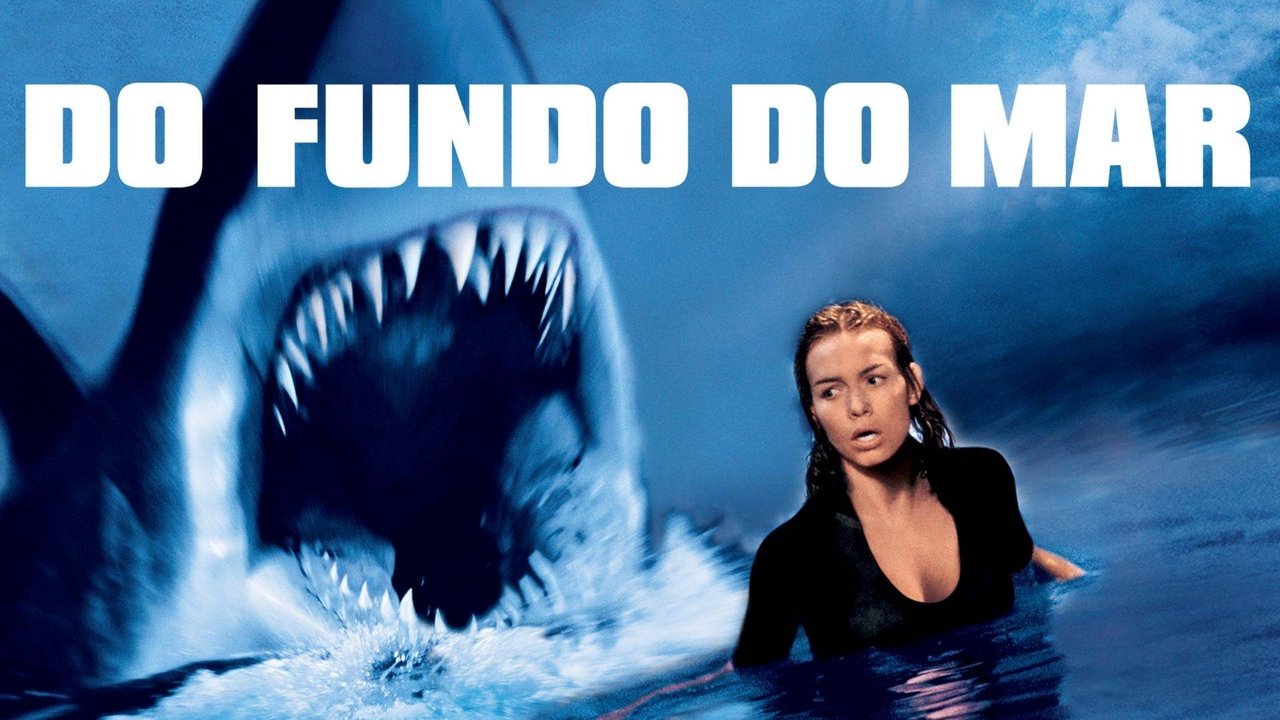
The hiss of the tape fades, the blue screen flickers off, but the chill lingers. It's the specific kind of unease that follows a late-night viewing of something like Deep Blue Sea. Remember that feeling? Not just the jump scares, but the gnawing sense of something intelligent, ancient, and utterly hostile lurking just beneath the surface. Released in 1999, this wasn't just another shark movie; it was a high-gloss, high-octane testament to the glorious excesses of late 90s blockbuster filmmaking, fused with the primal dread of the creature feature.
### Welcome to Aquatica
The premise itself hums with a dangerous hubris only the turn of the millennium could cook up with a straight face. Deep in the Pacific, the isolated Aquatica research facility floats like a steel island, home to Dr. Susan McAlester's (Saffron Burrows) controversial project: genetically engineering Mako sharks to harvest brain proteins as a potential cure for Alzheimer's disease. Noble intentions, meet horrifying consequences. When a tropical storm bears down and corporate sponsor Russell Franklin (Samuel L. Jackson) arrives for an inspection alongside shark wrangler Carter Blake (Thomas Jane, already channeling that rugged B-movie hero energy), things inevitably go sideways. These aren't just bigger sharks; they're smarter sharks. And they're very, very hungry.
### Harlin Unleashes Hell
Director Renny Harlin, no stranger to contained chaos after Die Hard 2 (1990) and high-altitude tension in Cliffhanger (1993), knew exactly how to leverage the claustrophobia of Aquatica. As the facility floods, corridors become death traps, and the water rises, Harlin crafts sequences dripping with genuine suspense. The film brilliantly mixes practical animatronic sharks – massive, terrifying creations from KNB EFX Group that lend a tangible weight to the threat – with the burgeoning CGI of the era. While some digital shots inevitably show their age on crisp modern displays, back on a fuzzy CRT screen, the effect was often seamless and terrifying. Remember the sheer scale of those animatronics they wrestled in the same Baja Studios water tanks used for Titanic (1997)? It added a visceral reality that pure CGI often lacked. The production reportedly spent a hefty $60 million (around $105 million today), and you see every dollar flood the screen.
### "Hold Onto Your Butts"... No, Wait, Wrong Movie...
You can't discuss Deep Blue Sea without that scene. Samuel L. Jackson, delivering a rousing, Rambo-esque monologue about survival, rallying the troops… only to be abruptly, shockingly interrupted mid-sentence by several tons of apex predator. It remains one of the great cinematic rug-pulls. Legend has it this jaw-dropping moment wasn't in the original script. Test audiences apparently found Franklin's character too preachy and his survival predictable, so Harlin gleefully orchestrated his spectacular demise. It's a masterstroke of audience manipulation, instantly establishing that absolutely no one is safe. Did that moment make you jump clean out of your seat back in the day? It certainly cemented the film's reputation.
### Blood in the Water
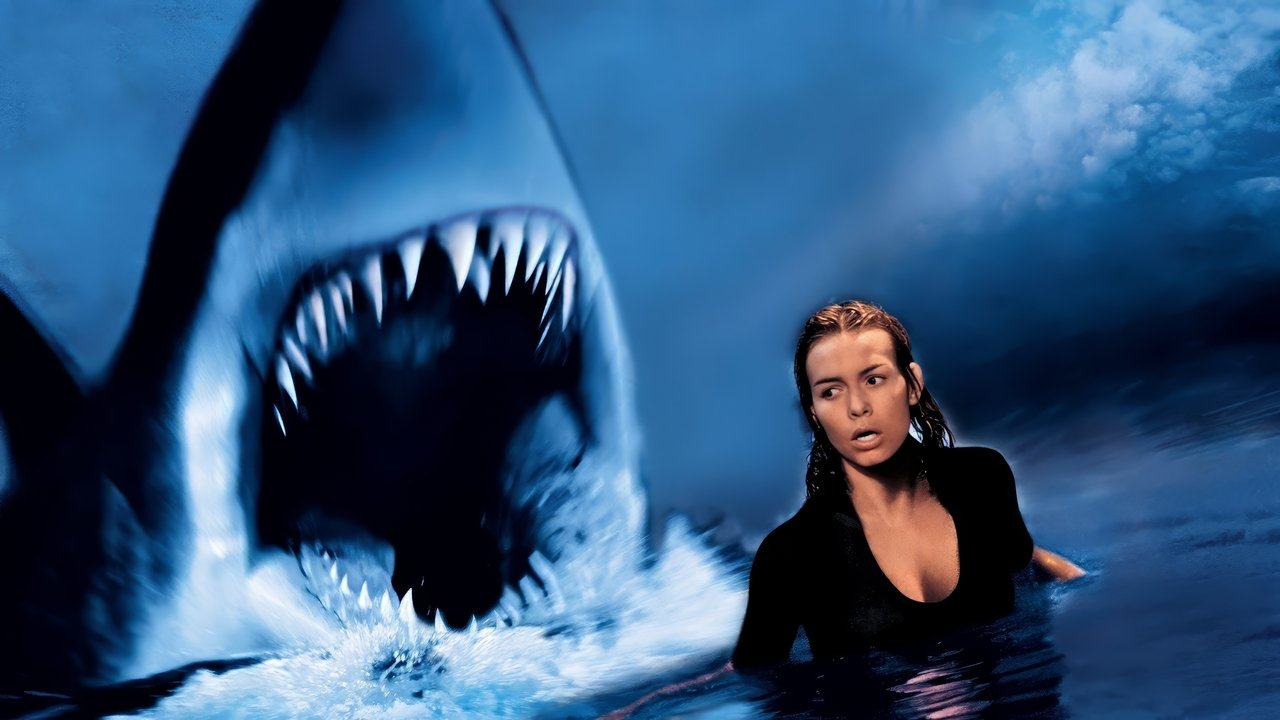
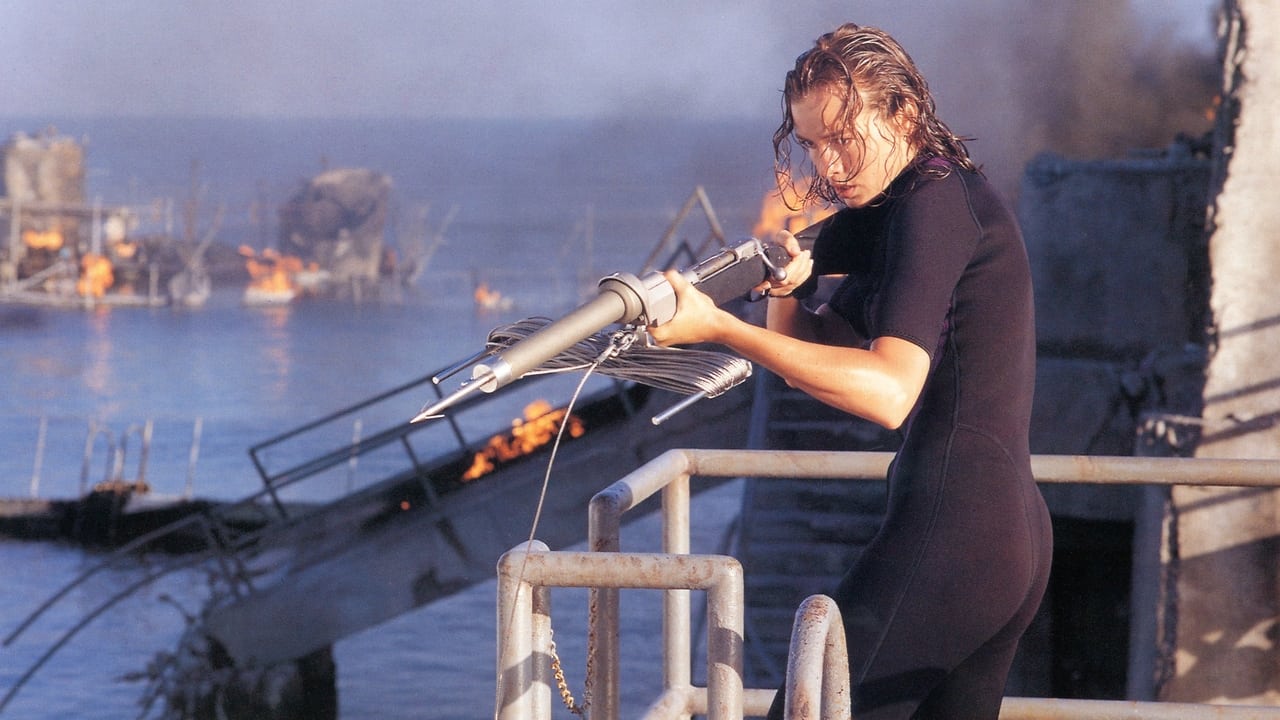
Beyond Jackson's iconic exit, the film is packed with memorable set pieces. LL Cool J as the facility's cook, Preacher, gets perhaps the most famous sequence involving his trusty parrot, a flare gun, and a very persistent shark in a rapidly flooding kitchen. It's tense, slightly absurd, and utterly unforgettable – perfectly capturing the film's blend of horror and high-stakes action. LL Cool J even contributed the end credits track, "Deepest Bluest (Shark's Fin)," a slice of pure 90s hip-hop bravado that felt oddly appropriate after the carnage. The action rarely lets up, from perilous climbs through elevator shafts to desperate swims through submerged labs, all underscored by Trevor Rabin's effectively bombastic score.
### Surviving the Night (Maybe)
While the plot hits familiar beats, the cast commits. Thomas Jane makes for a capable, if slightly generic, reluctant hero. Saffron Burrows embodies the driven scientist whose ambition unleashed the horror, wrestling with the ethical fallout. And LL Cool J provides essential comic relief that somehow never fully breaks the tension, evolving into a surprisingly resourceful survivor.
Spoiler Alert! The film's ending itself became a point of discussion. Reportedly, test audiences didn't react well to the original ending where Dr. McAlester survived after sacrificing others. Reshoots were ordered, leading to the theatrical ending where she meets a grisly end, and Carter Blake lives to see the dawn. It's a harsher, perhaps more satisfying conclusion given her culpability, but it does feel a touch like studio notes winning out over narrative consistency. Doesn't that sudden shift still feel a bit jarring?
### The Verdict
Deep Blue Sea isn't subtle, and it certainly isn't Jaws. It's a loud, dumb, incredibly fun monster movie elevated by slick direction, genuine tension, impressive practical effects for its time, and that one legendary Samuel L. Jackson moment. It knows exactly what it is: a theme park ride designed to thrill and occasionally shock. The $60 million budget paid off, pulling in over $164 million worldwide, proving audiences were still hungry for well-executed creature features. Watching it again on VHS (or, let's be honest, probably streaming now) evokes that specific thrill of late-90s blockbuster excess – big stars, big effects, big scares.
Rating: 7/10
The score reflects its undeniable entertainment value, Harlin's effective direction, and its status as a standout creature feature of its era. It loses points for some dated CGI, occasionally clunky dialogue, and a plot that relies heavily on convention (save for its big twist). But for pure popcorn thrills and a masterclass in subverting expectations mid-speech, Deep Blue Sea remains a bloody good time and a treasured relic from the shelves of video stores past. It’s a reminder that sometimes, smarter doesn’t mean better… it just means hungrier.