Sometimes, a film arrives not with the explosive fanfare of a summer blockbuster, but with a quiet power that lingers long after the VCR whirs to a stop. It might be a title you glanced past countless times in the drama section, nestled between more familiar Hollywood fare. Tunç Başaran's 1989 Turkish drama, Don't Let Them Shoot the Kite (Uçurtmayı Vurmasınlar), is precisely that kind of discovery – a film that unfolds with gentle observation, yet carries the weight of profound human experience. It forces us to ask: what does hope look like from behind bars, especially through the eyes of a child?
A Child's View of Confinement
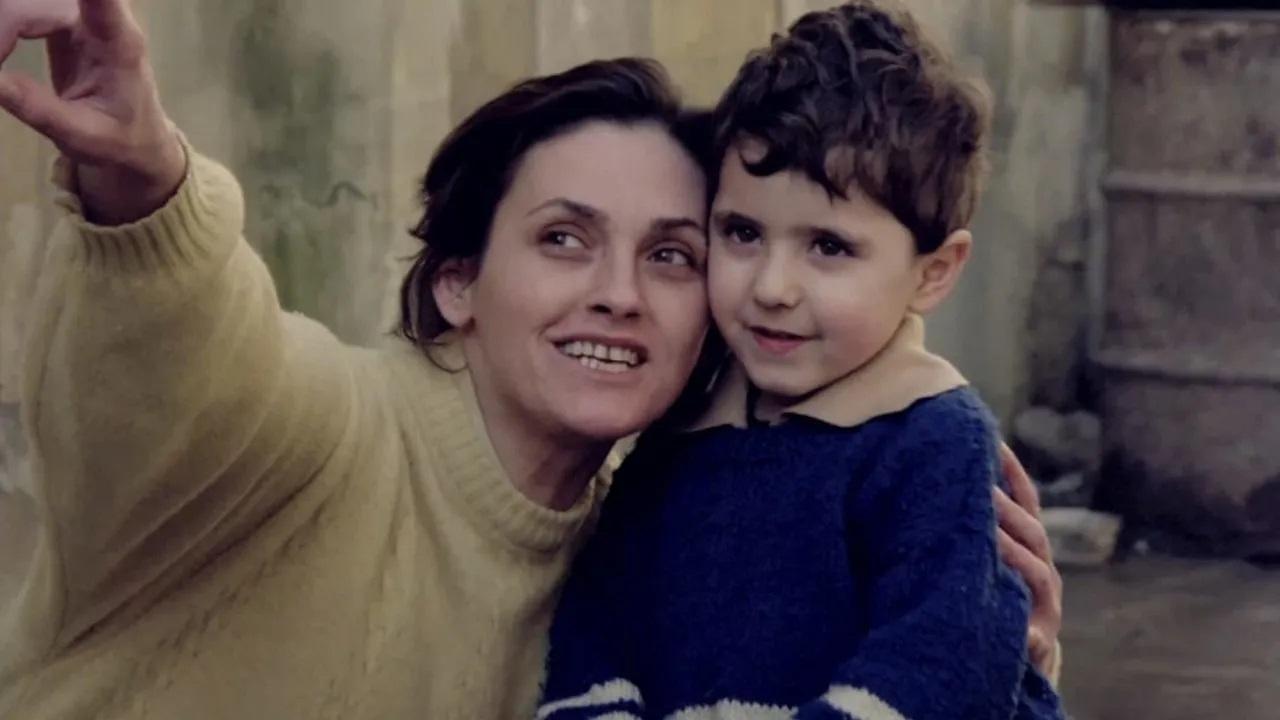
The premise itself is immediately arresting. We meet Barış (a truly remarkable Ozan Bilen), a bright-eyed five-year-old boy whose entire world is the confines of a women's prison. He lives there with his mother, Incı (played with quiet strength by Füsun Demirel), a political prisoner. Barış knows little else – the guards are familiar figures, the routines are his normality, and the other inmates form a sort of extended, unconventional family. His days are spent navigating this stark environment, finding moments of childhood joy amidst the pervasive sense of loss and waiting.
What makes the film so affecting is its unwavering commitment to Barış's perspective. We don't get lengthy exposition about the political climate that led to these women's incarceration, though its shadow looms large. Instead, we experience the prison as Barış does: a place of echoing corridors, barred windows that frame tiny patches of sky, and the contrasting kindness and tension among the women. Director Tunç Başaran, who sadly passed away in 2019, masterfully uses the camera to capture this limited viewpoint, often framing shots low to the ground or focusing on small details that would capture a child's attention.
The Kite and the Spark of Hope
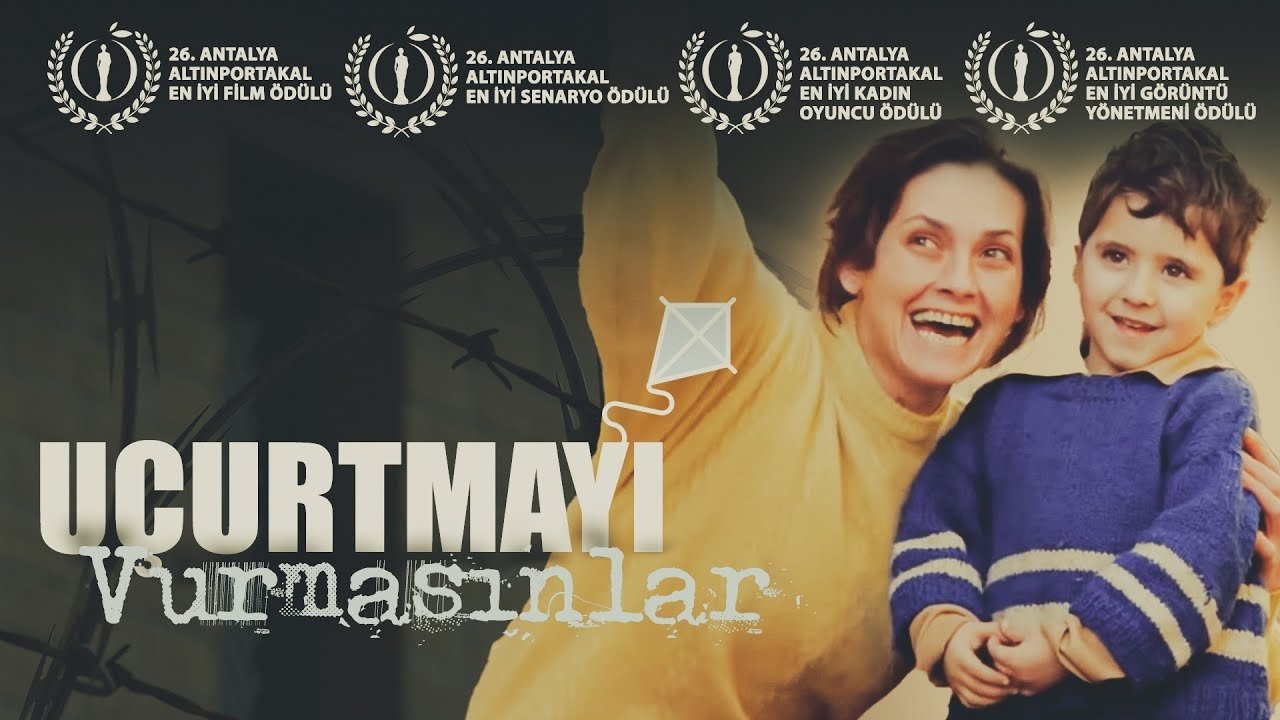
Central to Barış's life is his bond with another inmate, also named Inci (Nur Sürer, delivering a performance of heartbreaking warmth and resilience). She becomes a surrogate aunt, a confidante, and the one who introduces him to the titular kite. This kite, flown precariously in the prison yard, becomes a potent symbol – not just of freedom, but of connection to the outside world, of imagination taking flight even when the body is confined. The shared moments between Barış and Inci, filled with whispered secrets and shared dreams, form the emotional core of the film. Nur Sürer, known for roles often embodying strength and complexity in Turkish cinema, brings a layered sensitivity to Inci, making her connection with Barış utterly believable and deeply moving.
There's a poignant authenticity woven into the fabric of this film, largely because it stems from lived experience. The screenplay was written by Feride Çiçekoglu, based on her own novel, and critically, Çiçekoglu herself was imprisoned for political reasons following the 1980 coup d'état in Turkey. Knowing this adds an immeasurable depth to the narrative. It's not merely depicting prison life; it's conveying the emotional truth of it, the small dignities sought, the enduring human spirit, and the particular tragedy of childhood innocence intersecting with political repression. This film was Turkey's official submission for the Best Foreign Language Film at the 62nd Academy Awards – a testament to its power and resonance, even if it didn't secure the final nomination.
An Enduring Resonance
Watching Don't Let Them Shoot the Kite today, perhaps on a worn-out tape sourced from a collector or a speciality store back in the day, feels like unearthing a precious, fragile artifact. It lacks the slickness of many Western films from the era, but its power lies in its raw honesty and its focus on human connection. Ozan Bilen's performance as Barış is simply extraordinary; child actors can be hit-or-miss, but he embodies Barış's curiosity, vulnerability, and burgeoning understanding with a naturalism that anchors the entire film. He makes you feel the simple joy of a shared piece of fruit, the confusion of adult whispers, the yearning gaze towards the sky.
The film doesn't offer easy resolutions or grand dramatic flourishes. Its impact is cumulative, built through small moments, shared glances, and the quiet hum of life persisting under duress. It asks us to consider the unseen consequences of political conflict and the enduring need for hope, symbolized so beautifully by that simple kite striving against the wind, mirroring Barış's own spirit straining against the limitations of his world. Doesn't this resilience, this search for light in darkness, speak to something fundamentally human, regardless of the specific circumstances?
Rating: 9/10
Don't Let Them Shoot the Kite earns this high rating for its profound emotional honesty, the unforgettable central performance by Ozan Bilen, the sensitive direction, and its powerful, understated storytelling rooted in lived experience. It's a film that bypasses melodrama to touch something far deeper about innocence, hope, and the human spirit's ability to find connection even in the most unlikely places. While perhaps not a common find in every neighborhood video store back in the day, discovering it feels like finding a hidden gem of 80s world cinema.
It leaves you contemplating the simple, profound image of a kite in the sky – a fragile promise of freedom, forever etched against the stark reality of prison walls.