Okay, pull up a comfy chair, maybe grab a cup of coffee – or perhaps something stronger if the mood strikes. Let's talk about a film that feels less like a movie and more like eavesdropping on a specific time and place: Cameron Crowe's Singles from 1992. There’s a certain frequency to this film, a low hum of hopeful melancholy mixed with the feedback of a guitar just about to explode onto the world stage. It captures Seattle not just as a location, but as a feeling, right on the cusp of becoming the epicenter of a cultural earthquake.
An Apartment Building Named ‘Community’
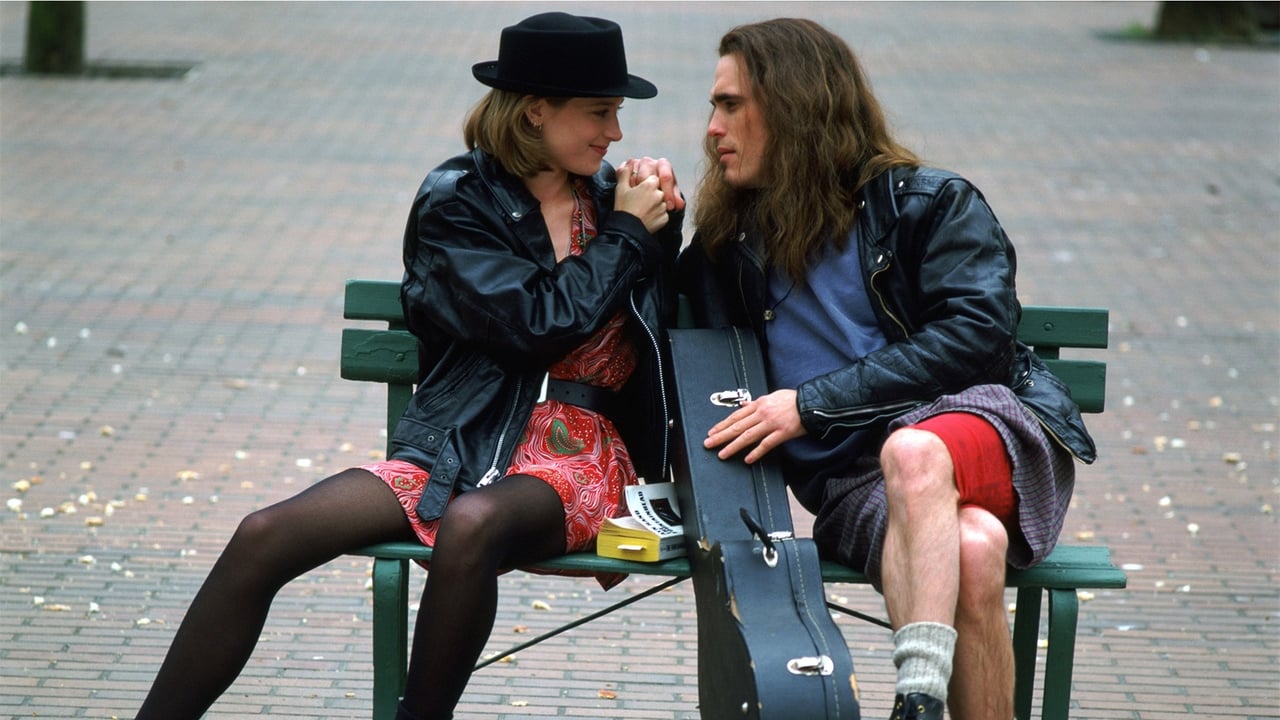
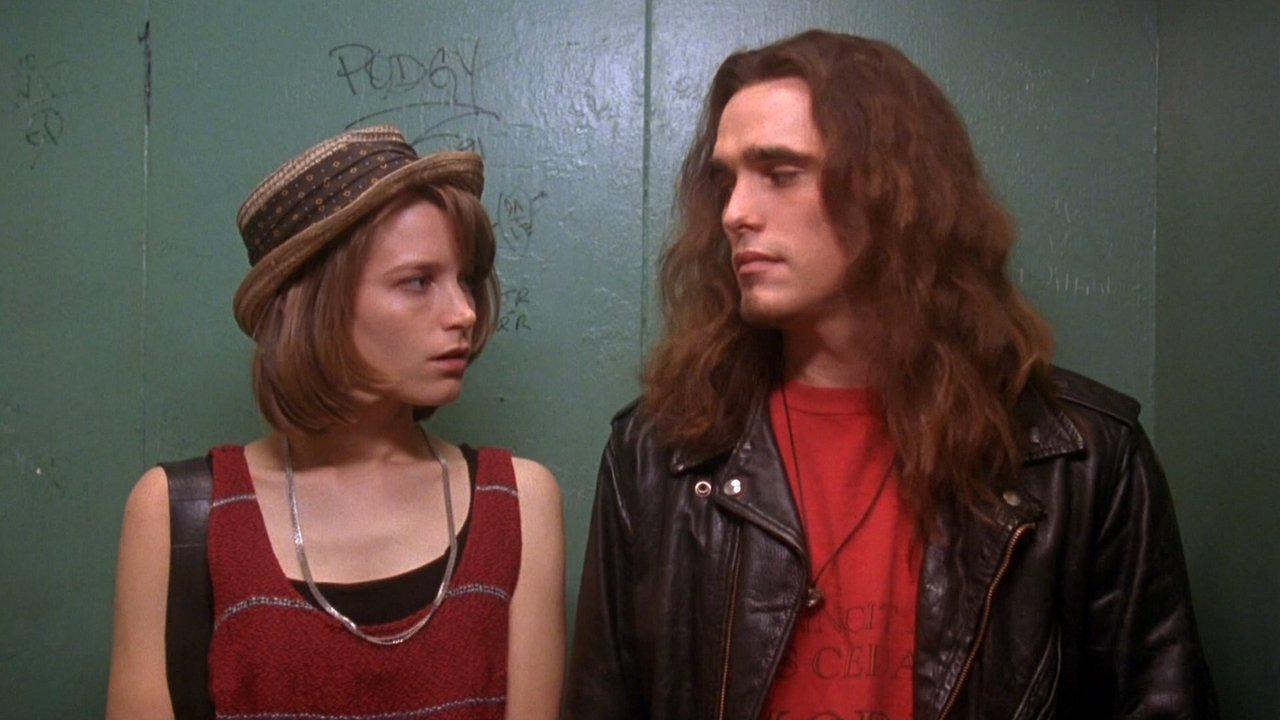
At its heart, Singles isn't driven by a high-concept plot but by the intersecting lives of twenty-somethings navigating love, careers (or lack thereof), and the general messy business of finding oneself, all centered around a Capitol Hill apartment complex. It’s a slice-of-life approach, reminiscent perhaps of pausing a specific tape, the one labeled "My Early Twenties," and just letting it play. We drift between the cautious, almost painfully hesitant romance blooming between Steve Dunne (Campbell Scott), an earnest transportation planner, and Linda Powell (Kyra Sedgwick), still nursing wounds from a past betrayal. Then there's Janet Livermore (Bridget Fonda), a coffee shop waitress utterly smitten with Cliff Poncier (Matt Dillon), the frontman of the aspiring grunge band Citizen Dick, who seems more dedicated to his amplifier than any actual relationship.
Authenticity in Awkwardness
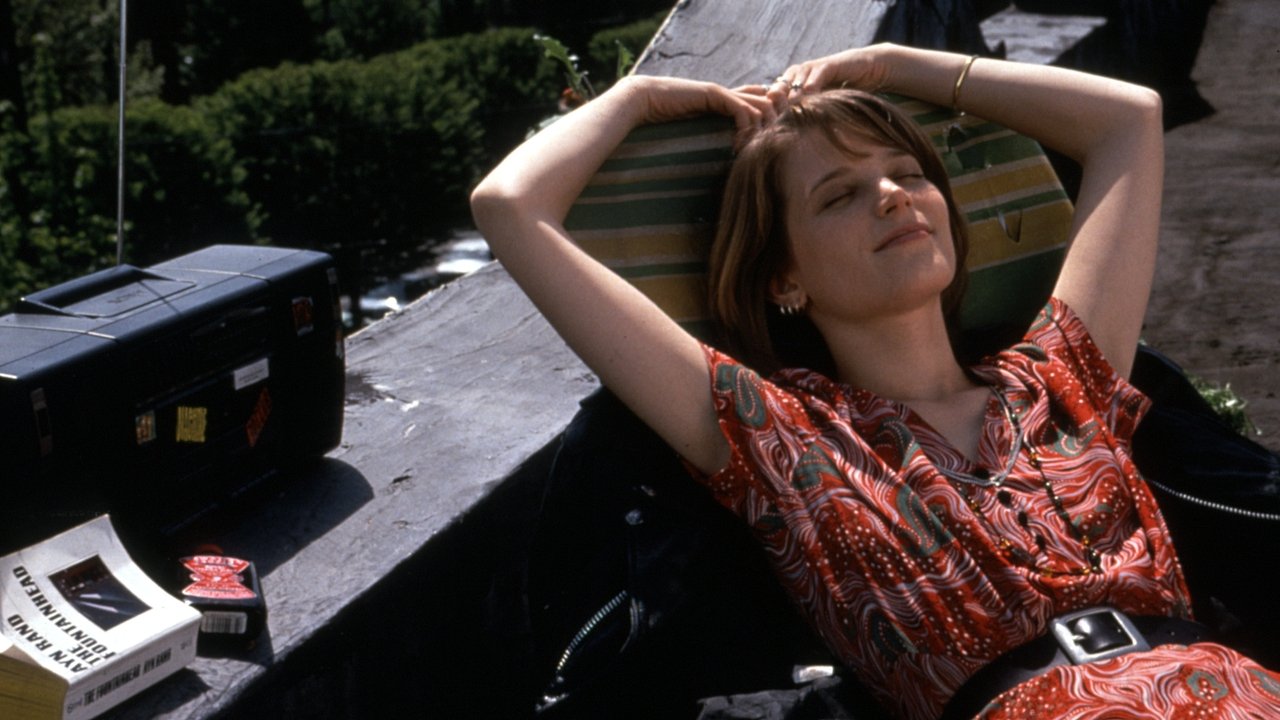
What resonates, watching it again after all these years, is the authenticity Cameron Crowe brings to these characters and their interactions. Crowe, who would later give us gems like Almost Famous (2000), has always had an ear for genuine dialogue, the kind that reveals character through stumbles and silences as much as witty retorts. Campbell Scott perfectly embodies Steve's sweet-natured anxiety, his desire for connection warring with his fear of vulnerability. Remember that answering machine scene? It's a masterclass in relatable romantic dread from a distinctly pre-digital age. Kyra Sedgwick matches him note for note, portraying Linda's guarded optimism with a compelling mix of strength and fragility. Their journey, including a particularly memorable pregnancy scare subplot handled with surprising nuance, feels earned.
Meanwhile, Bridget Fonda is effortlessly charming as Janet, her pursuit of the oblivious Cliff both funny and poignant. And Matt Dillon? He’s a revelation as Cliff. Playing a somewhat clueless, aspiring rock god could easily slip into parody, but Dillon finds the endearing absurdity in the character. His pronouncements about his band’s "vision" are hilarious, yet there's a core of sincerity there too. It’s a performance that perfectly skewers rockstar pretensions while somehow making you root for the guy.
The Soundtrack as Supporting Character
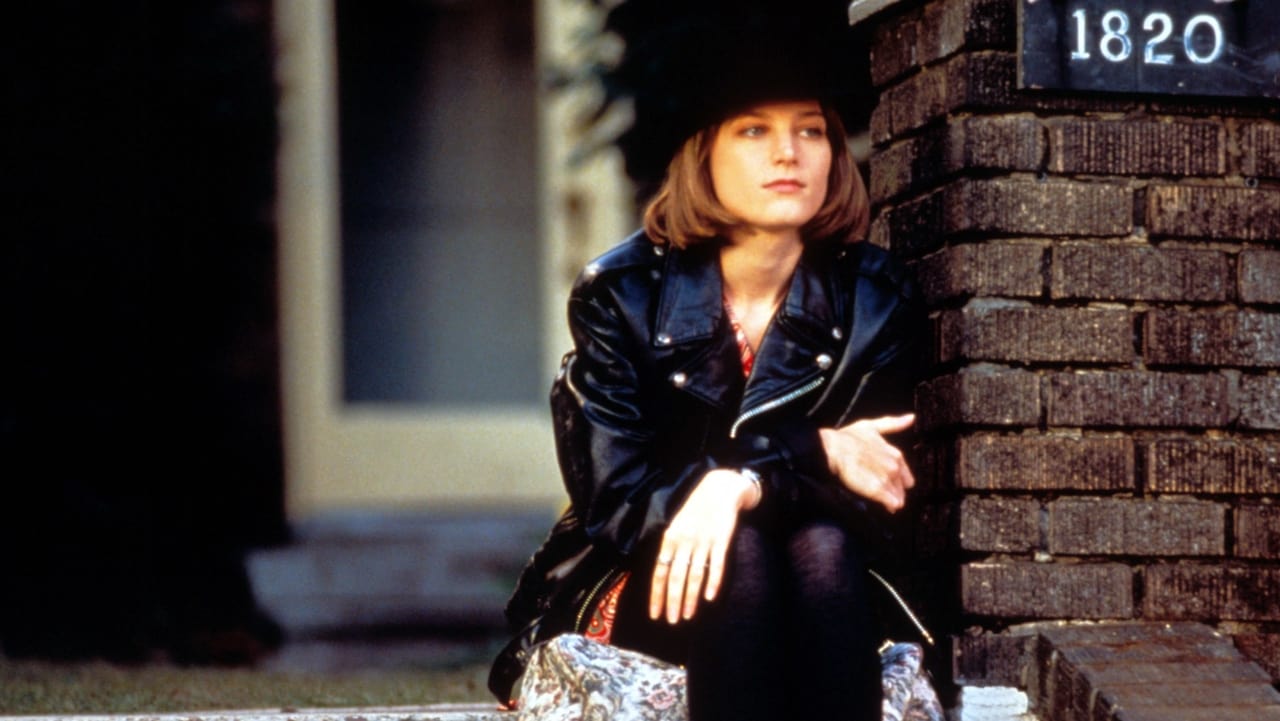
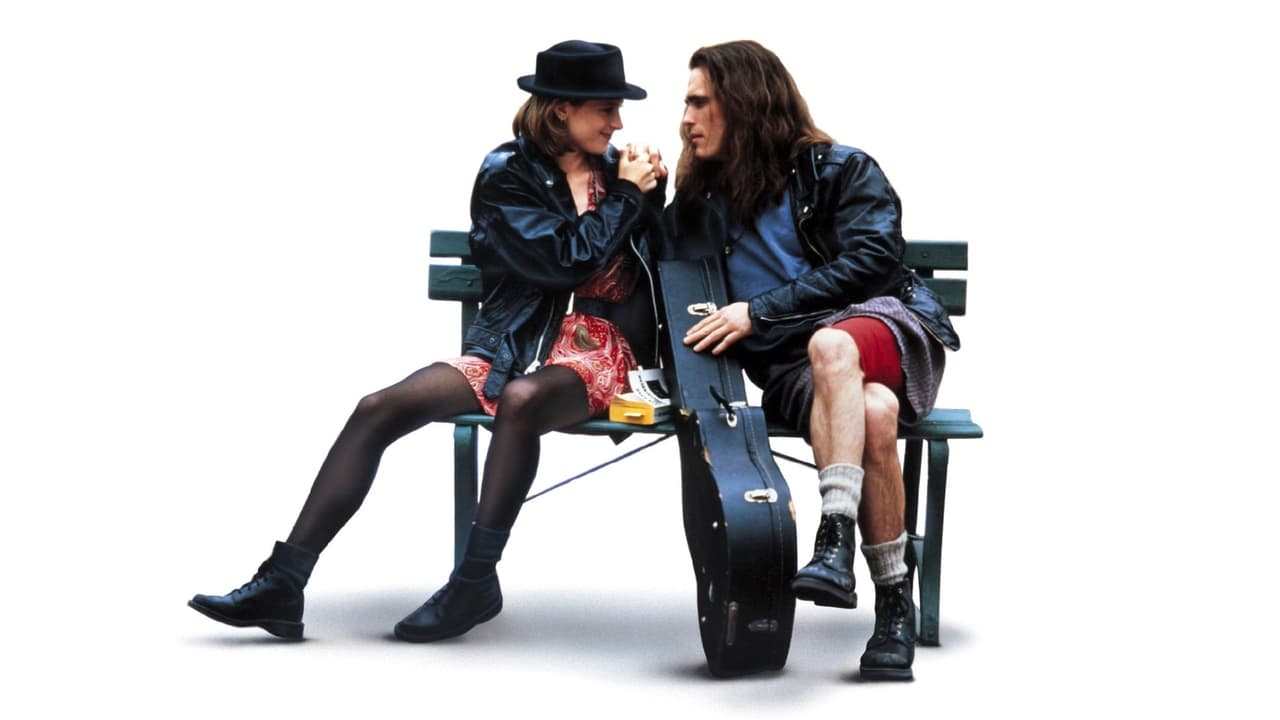
You simply cannot discuss Singles without talking about the music. This isn't just background noise; it's woven into the film's DNA. Crowe, famously a former Rolling Stone journalist, leveraged his connections to create arguably one of the definitive soundtracks of the era. Featuring titans of the burgeoning Seattle scene like Pearl Jam, Soundgarden, Alice in Chains, and Mudhoney, the music isn't just accompaniment; it is the atmosphere. Seeing members of these bands pop up in cameos – Eddie Vedder, Stone Gossard, and Jeff Ament as members of Citizen Dick, Chris Cornell reacting to a car stereo system – felt like an incredible inside joke back then, a nod to the seismic shift happening just outside the characters' apartment windows. There’s a raw energy there, captured before global fame changed everything. Add to that a beautiful, melancholic score by Paul Westerberg of The Replacements, and the soundscape is complete.
Retro Fun Facts & Frozen Moments
The story behind Singles is almost as interesting as the film itself. Crowe actually lived in the apartment building featured in the film for a time, drawing direct inspiration from the lives swirling around him. Interestingly, the movie was completed in 1991 but sat on the shelf for a while. Warner Bros., initially unsure how to market it, wisely held its release until mid-1992 to capitalize on the unexpected explosion of the Seattle music scene fueled by albums like Nirvana's Nevermind. Suddenly, this intimate character study also became a snapshot of a global phenomenon. Its budget was a modest $9 million, and it pulled in around $18.5 million at the box office – respectable, but perhaps more culturally significant than commercially dominant at the time.
And who can forget Debbie Hunt (Sheila Kelley), tirelessly searching for Mr. Right via video dating services? It’s a subplot that feels delightfully dated now, yet her earnest quest for connection is timeless. There’s even a persistent rumor, often repeated in fan circles, that a cameo by director Tim Burton (imagine him directing one of Debbie's dating videos!) ended up on the cutting room floor – one of those tantalizing ‘what ifs’ of film history.
Does it Still Resonate?
Watching Singles today evokes a powerful wave of nostalgia, not just for the music or the delightfully questionable fashion choices, but for a certain kind of hopeful uncertainty. It captures that specific feeling of being young, ambitious, confused, and desperately wanting connection in a world that feels both vast and intensely localized. The technology might be dated – payphones, answering machines, video dating! – but the core human emotions? They haven’t changed a bit. Doesn't that search for meaning and love in our twenties feel universal, regardless of the decade? The film avoids easy answers, letting its characters stumble and grow in ways that feel refreshingly real.
Rating: 8/10
This rating feels right because Singles succeeds beautifully at what it sets out to do: capture a specific mood, time, and place with heartfelt authenticity. The performances are uniformly excellent, Crowe's writing and direction are sensitive and observant, and the soundtrack is legendary. It might feel a little meandering to some, lacking a strong central plot, but its slice-of-life charm and genuine emotional core make it deeply affecting. It’s not just a time capsule; it’s a warm, funny, and poignant look at the messy, hopeful business of finding your way.
It remains a quintessential early 90s artifact, a VHS tape many of us probably wore out, less a movie and more like bumping into old friends you haven't seen in years, discovering they're still grappling with the same beautiful, complicated questions.