The darkness clings to the edges of the frame in The Dead Pit like damp moss on forgotten stone. It’s a film that feels unearthed rather than merely watched, a relic from the tail end of the 80s horror boom, pulsating with a strange, lurid energy that feels unique to the era of chunky plastic tapes and flickering CRT screens. Forget subtlety; this is a descent into a specific kind of madness, housed within walls that have soaked up decades of suffering long before the supernatural truly takes hold.
Asylum of the Damned (Again)
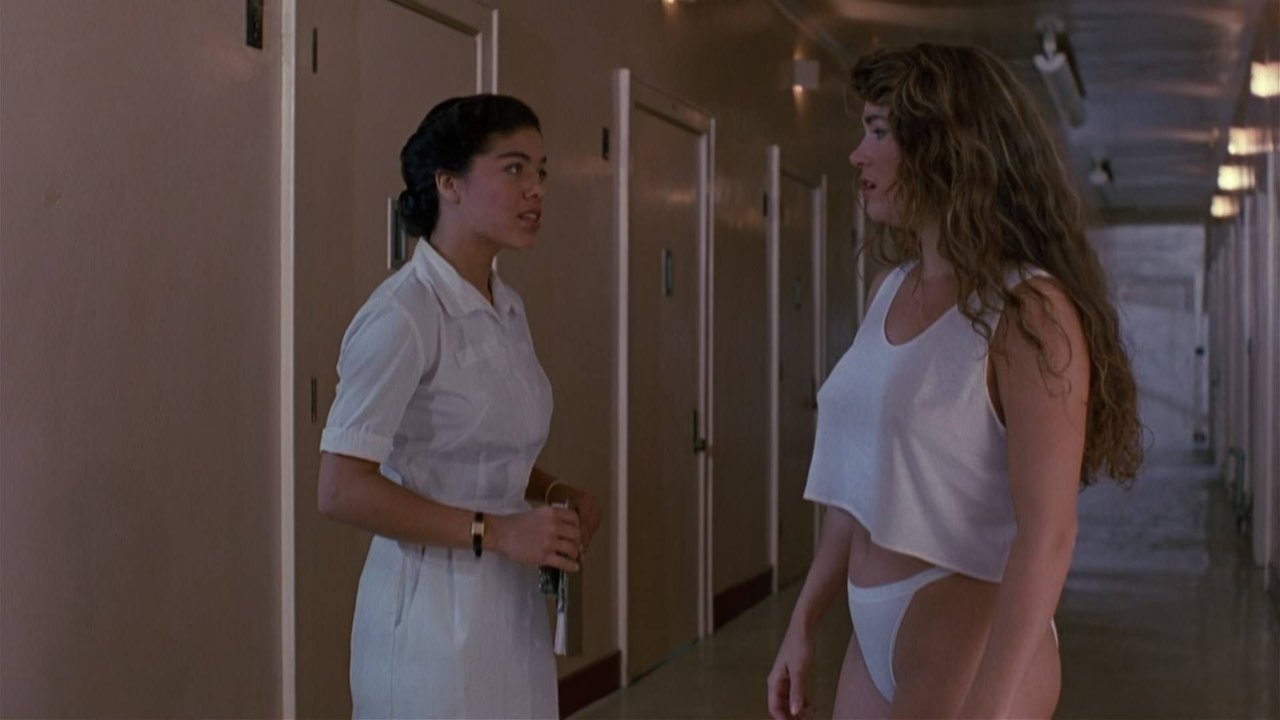
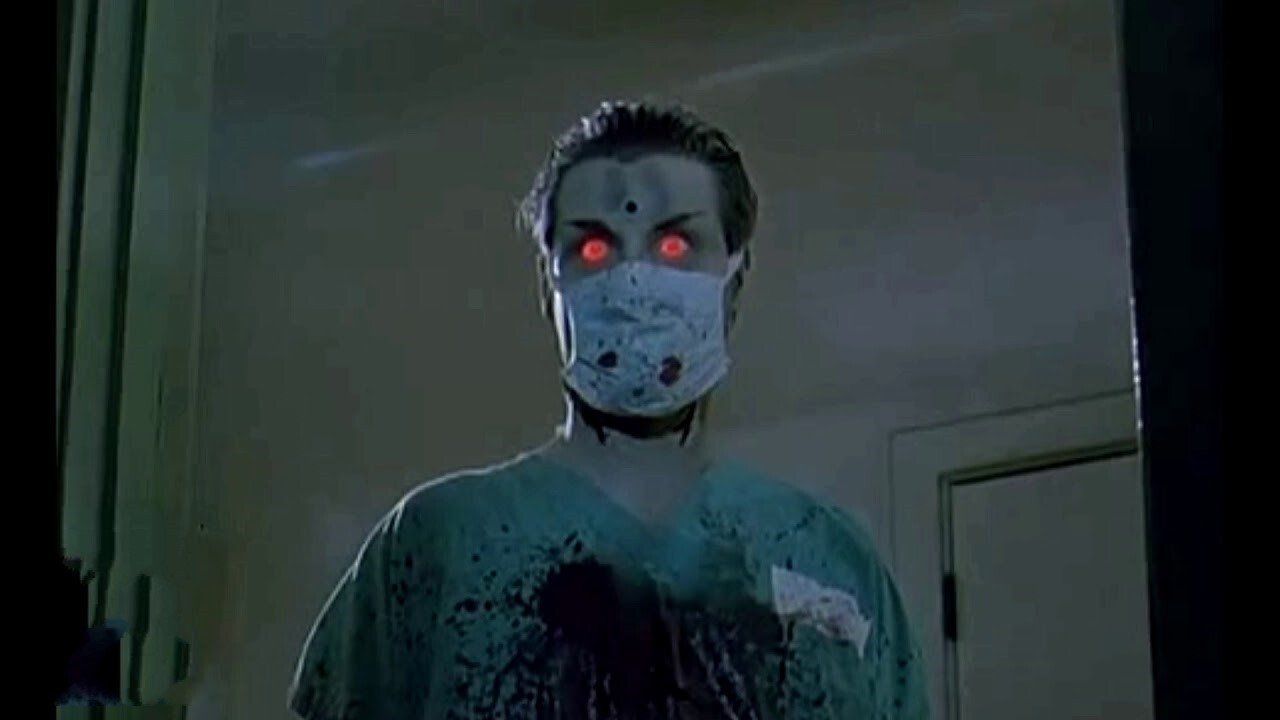
Our entry point is Jane Doe (Cheryl Lawson), an amnesiac found wandering, who lands herself in a state mental institution already burdened by its own grim history. It’s here, amidst the sterile corridors and vacant stares, that whispers of the infamous Dr. Ramzi (Jeremy Slate) begin to surface. Ramzi, a surgeon obsessed with conquering death, conducted hideous experiments in the hospital's sealed-off basement wing twenty years prior, before being gunned down by his colleague, Dr. Swan (Danny Gochnauer). But when a convenient earthquake cracks open Ramzi’s makeshift tomb – the titular “dead pit” beneath the asylum – Jane’s arrival seems to coincide with his unholy resurrection. Cue the fluorescent green injections and the glowing-eyed undead.
It’s a setup as classic as it is convenient, playing on the inherent creepiness of institutional settings. What elevates The Dead Pit slightly above standard B-movie fare is the commitment to its grim atmosphere. Director Brett Leonard, making his feature debut here before venturing into the cyber-terrors of The Lawnmower Man (1992), manages to wring genuine unease from the location. Filming took place at the Agnews Developmental Center in Santa Clara, California – a sprawling, very real former state hospital complex whose imposing architecture and palpable sense of history seep into every shot. You can practically smell the decay and desperation, a testament to the power of shooting on location, especially when your budget (reportedly hovering under $1 million) demands resourcefulness.
Gore, Grue, and Glowing Ghouls
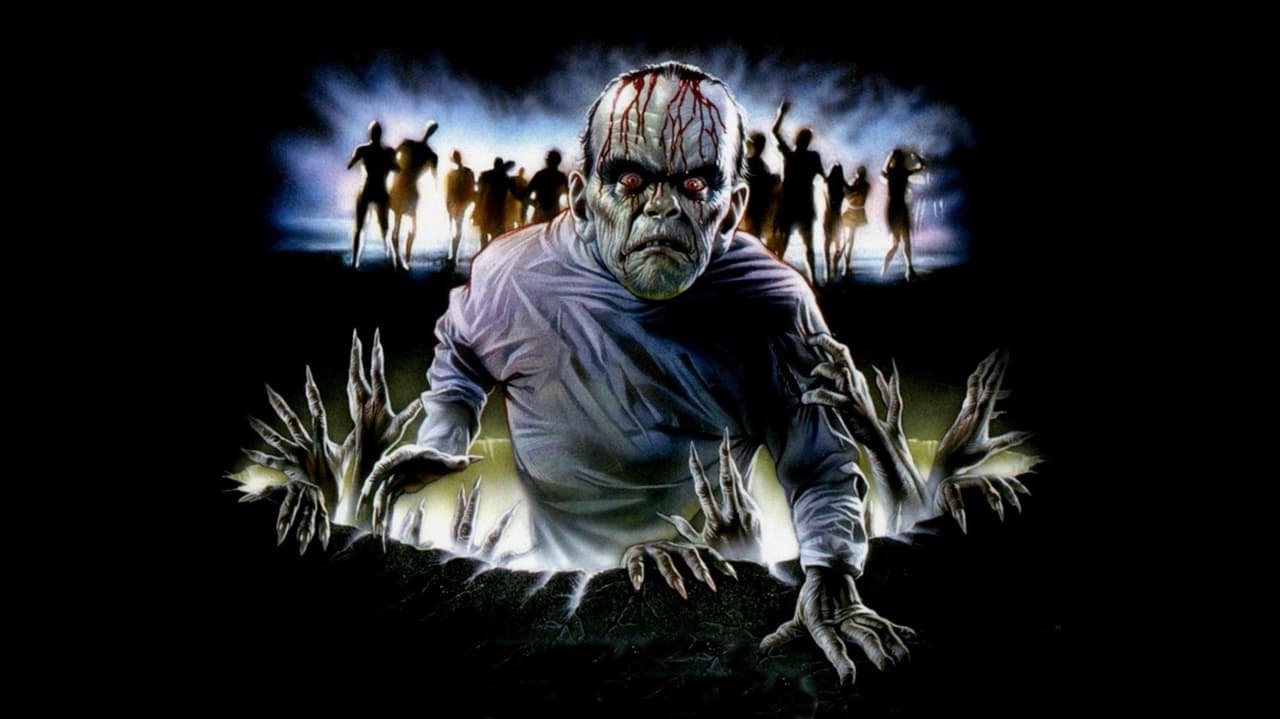
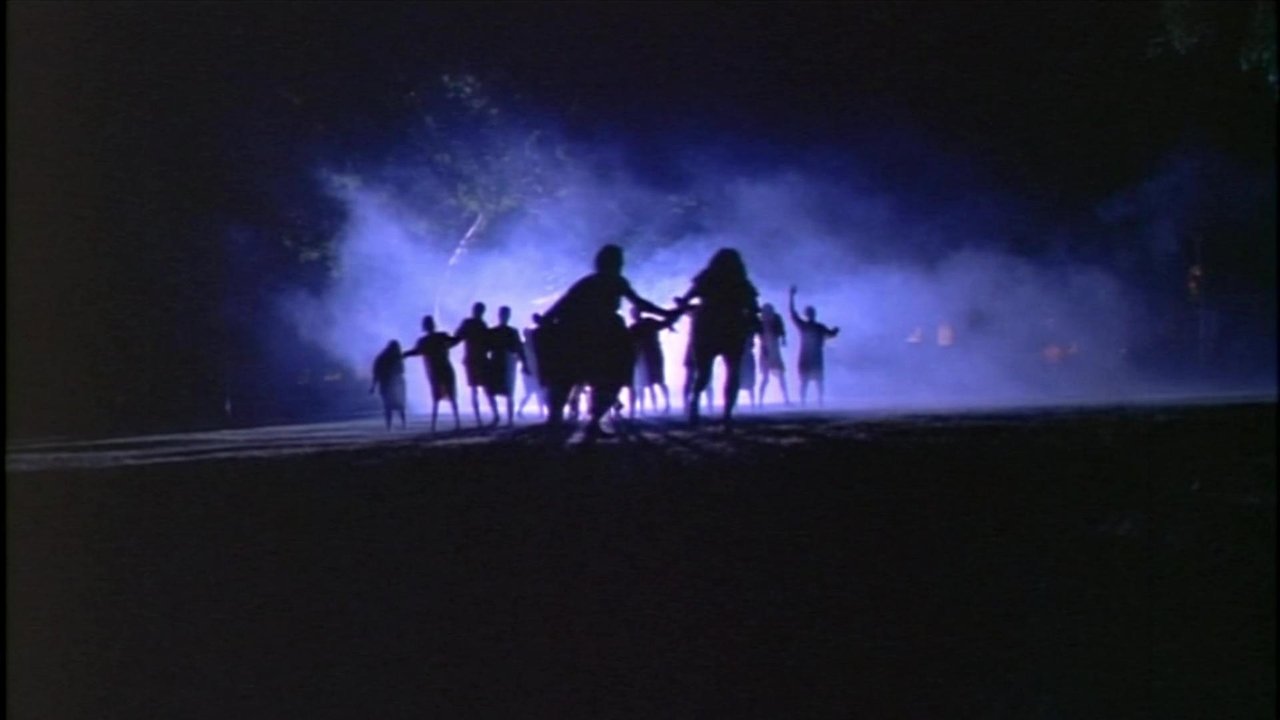
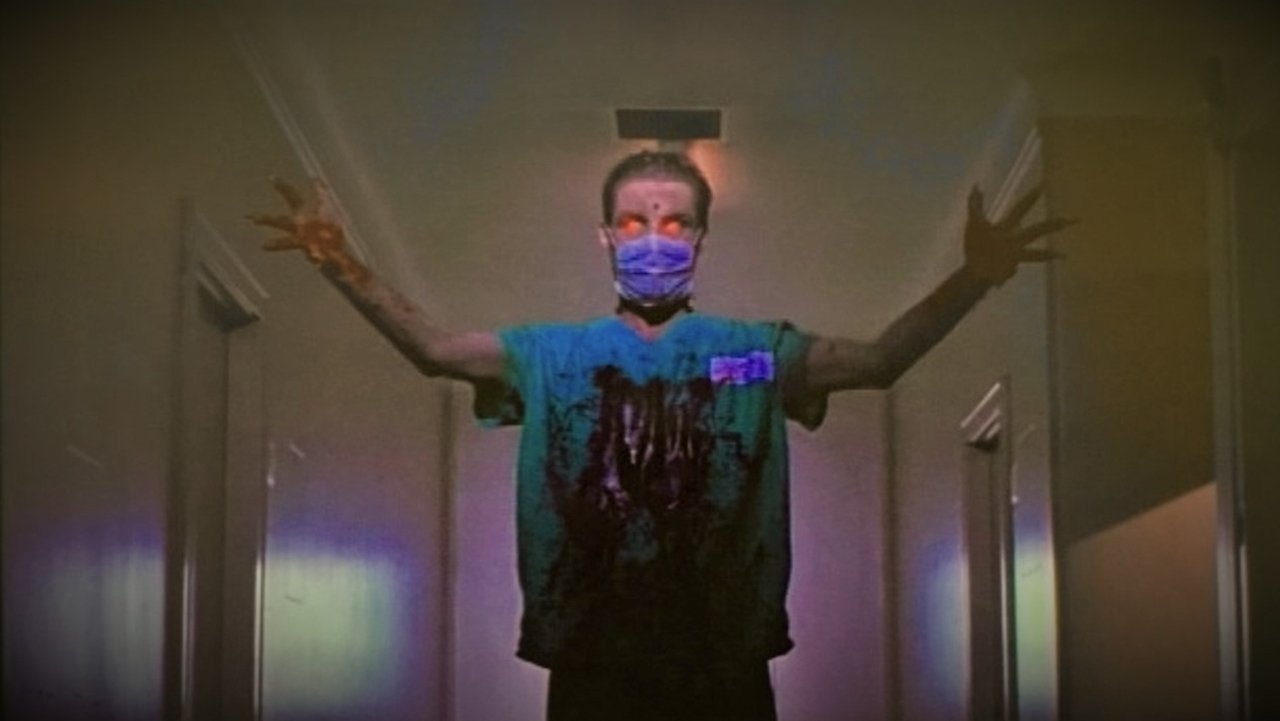
Let's be clear: The Dead Pit is not high art. It’s a grimy, often nonsensical splatter-fest that wears its low-budget heart on its sleeve. The plot twists are telegraphed miles away, and the dialogue occasionally dips into glorious absurdity. But oh, the practical effects! In the grand tradition of 80s horror, the film revels in its visceral moments. Ramzi’s resurrected legion aren’t just shambling corpses; they’re infused with a bizarre, glowing green chemical, leading to some truly memorable, almost radioactive-looking zombie designs. Their eyes blaze with an eerie light, a simple but effective visual that sticks with you.
The gore is plentiful and often imaginative, if occasionally rough around the edges. We get surgical horrors, ripped flesh, and that infamous scene involving a hypodermic needle to the eye – a moment that surely caused many a VHS renter to physically recoil back in the day. Did it push the boundaries? Perhaps not compared to the Italian gut-munchers of the era, but it certainly delivered on the promise of its lurid video box art. There’s an undeniable charm to the sheer, unpretentious enthusiasm for splatter on display. It’s rumored that Leonard had some tussles with the MPAA, trimming scenes to secure an R-rating, making you wonder just how much more carnage ended up on the cutting room floor.
Ramzi's Reign of Terror
Anchoring the chaos is Jeremy Slate as Dr. Ramzi. Slate, a veteran actor with a long career often playing tough guys or authority figures, absolutely devours the scenery here. His Ramzi is a magnetic force of pure evil, delivering pronouncements about conquering death with a chilling conviction that borders on camp, yet somehow remains genuinely menacing. He’s the engine driving the film’s escalating mayhem. Opposite him, Cheryl Lawson does her best with the somewhat thankless role of the distressed amnesiac, navigating the unfolding nightmare with wide-eyed terror. Stephen Gregory Foster provides the requisite male support as a fellow patient who believes Jane’s fears, grounding some of the more outlandish elements.
While the film occasionally stumbles – pacing can lag between the zombie attacks, and the logic often takes a backseat to spectacle – it possesses a strange, hypnotic quality. The synth score broods effectively, amplifying the sense of isolation and dread within the hospital walls. It's the kind of film that might have felt genuinely disturbing viewed late at night on a grainy tape, the flickering images heightening the sense of unreality. Doesn't that specific, low-fi dread feel like a hallmark of the era?
Retro Fun Facts
- The unique glowing effect for the zombies was reportedly achieved using Scotchlite material, which reflects light directly back at the source, combined with careful lighting techniques.
- Despite its modest budget, The Dead Pit secured fairly wide distribution on VHS through Imperial Entertainment, becoming a recognisable title on rental shelves thanks, in part, to its striking cover art.
- Brett Leonard co-wrote the script with Gimel Everett, aiming for a blend of psychological horror and creature feature mayhem.
Final Diagnosis
The Dead Pit is a quintessential slice of late-80s B-horror. It’s messy, ambitious within its limitations, and occasionally brilliant in its sheer, go-for-broke attitude towards gore and atmosphere. The asylum setting is effectively creepy, Jeremy Slate delivers a standout villainous performance, and the practical effects, particularly the glowing zombies, offer memorable visuals. It lacks the polish or thematic depth of genre classics, but its grimy energy and commitment to visceral horror make it a fascinating time capsule. It's the kind of discovery that made browsing the horror aisle so rewarding back in the day – imperfect, perhaps, but undeniably alive (or undead, as the case may be).
Rating: 6/10
Its flaws are evident – uneven pacing, sometimes clunky dialogue – but the potent atmosphere generated by the real asylum location, Slate's commanding performance, and the memorable, practically-achieved zombie effects earn it solid points. It delivers exactly the kind of gruesome goods promised by its VHS box, making it a worthwhile watch for enthusiasts of the era's specific brand of horror. It may not be a masterpiece, but The Dead Pit still manages to leave a faint, phosphorescent glow in the dark corners of 80s horror memory.