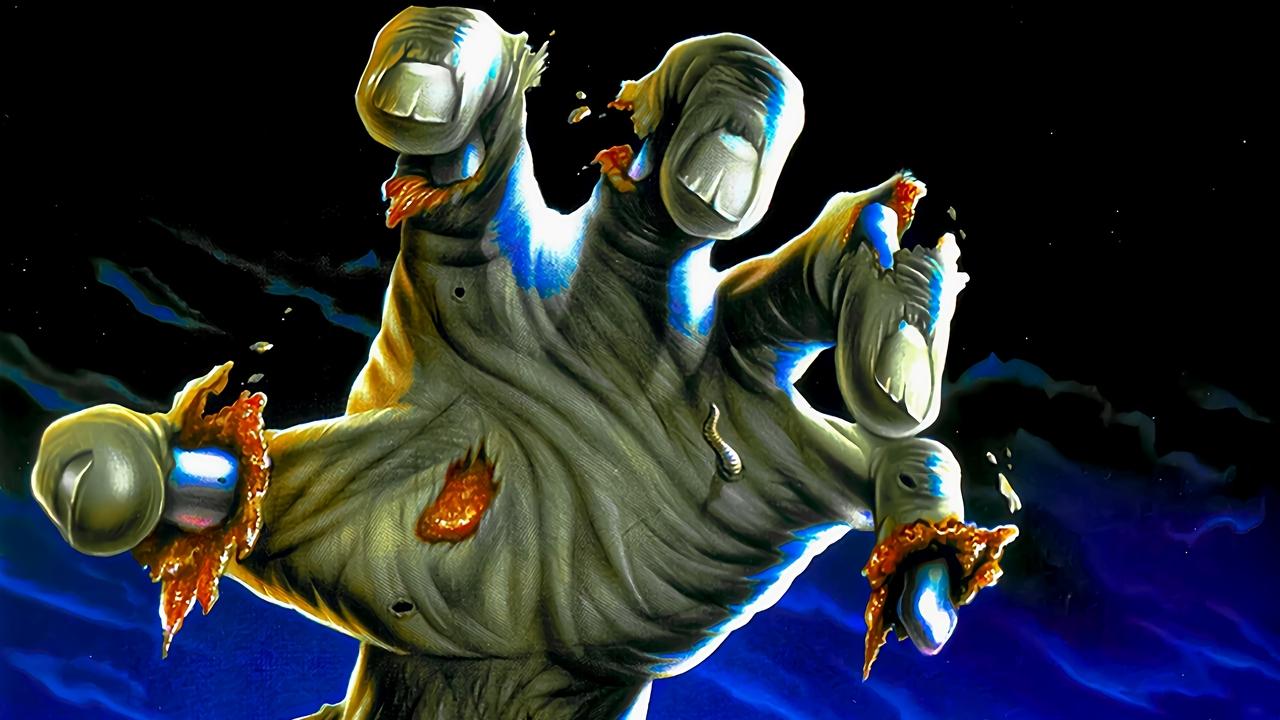
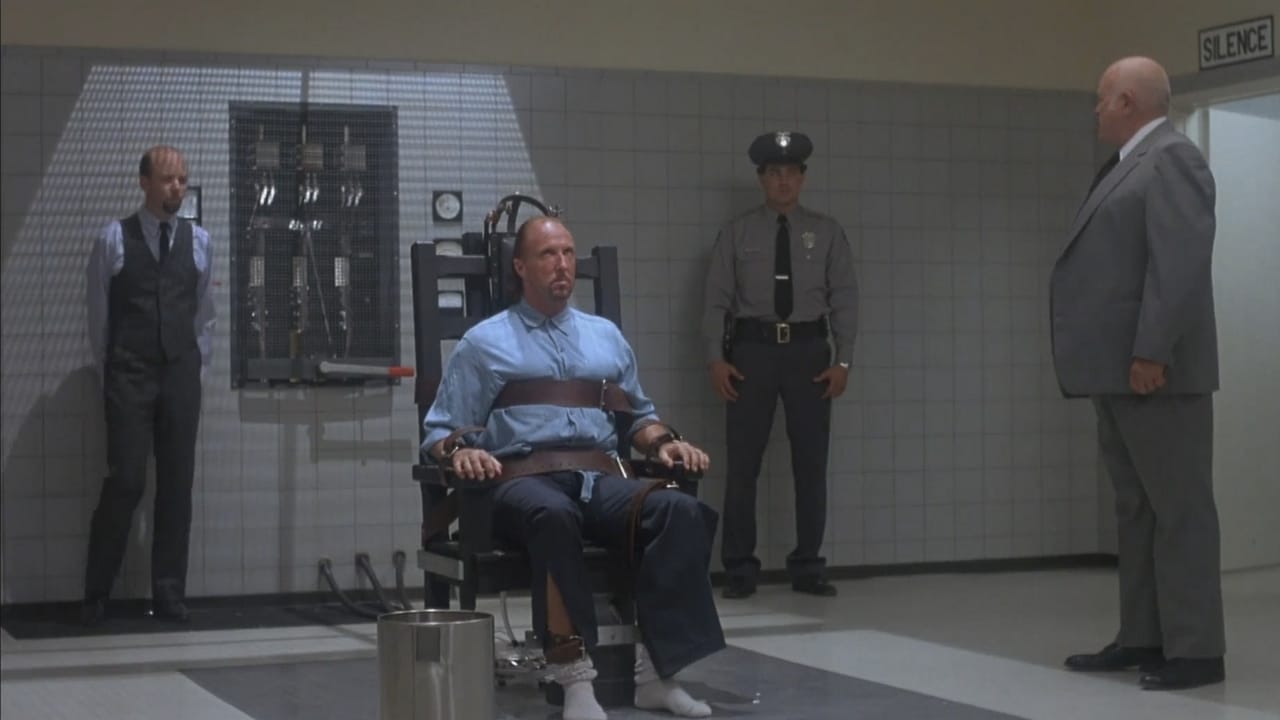
The low hum of the electric chair, the acrid smell of ozone... some cinematic moments sear themselves into your memory with the force of a branding iron. 1989's The Horror Show wasn't subtle. It arrived on video store shelves, often confusingly nestled near or even labelled as House III, promising a jolt of pure, unadulterated nastiness. And deliver, it did, with a kind of grimy, mean-spirited energy that felt particularly potent viewed late at night on a flickering CRT screen.
More Than Just Static
The premise crackles with high-voltage dread: Detective Lucas McCarthy (Lance Henriksen, a welcome anchor of gritty intensity familiar from Aliens and Near Dark) finally brings down the monstrous serial killer Max Jenke (Brion James). Jenke, nicknamed "Meat Cleaver Max," is pure nightmare fuel – a hulking, cackling force of malevolence. His execution in the electric chair should be the end, a grim full stop. But Jenke, fueled by hate and perhaps something darker, finds a way back through the very power grid designed to extinguish him. He becomes a phantom haunting the electrical currents, turning McCarthy's home – the supposed sanctuary for his traumatized family – into a personalized house of horrors. Doesn't that premise alone send a familiar shiver down your spine, reminiscent of other late-80s spectral slashers?
The Jenke Effect
Let's be blunt: Brion James is the horror show here. His performance as Max Jenke is a masterclass in unhinged villainy. James, a character actor whose face is instantly recognizable from films like Blade Runner and Tango & Cash, fully commits to Jenke’s sadistic glee. There’s a terrifying physicality to him, even before he goes supernatural. His taunts, his leering grin, the sheer delight he takes in inflicting pain – it’s genuinely unsettling. Rumor has it James’s intensity on set was palpable, sometimes leaving co-stars unnerved; watching the film, you can believe it. He transforms what could have been a standard boogeyman into something truly memorable and repellent. Lance Henriksen, opposite him, brings his trademark weary gravitas, portraying McCarthy's unraveling sanity and desperation with conviction. His grounded performance prevents the film from tipping entirely into camp, providing the necessary human element amidst the escalating chaos.
Sparks of Gore and Production Woes
The Horror Show doesn't shy away from the red stuff. The practical gore effects, while perhaps showing their seams by today's standards, were shocking and visceral for the VHS era. Decapitations, gruesome transformations, and Jenke’s spectral assaults are rendered with a certain loving attention to detail that gorehounds likely rented this tape specifically for. The scene involving a possessed Thanksgiving turkey is perhaps the most infamous, a moment of grotesque dark humor that perfectly encapsulates the film's B-movie spirit. However, the film's journey to the screen was notoriously troubled. Originally intended as House III, producer Sean S. Cunningham (of Friday the 13th fame) later decided to distance it from that franchise in the US market, leading to the title change and audience confusion. Director James Isaac was replaced partway through filming by David Blyth, and the script ultimately carried the infamous "Alan Smithee" pseudonym, Hollywood code for a project disowned by its credited creators (in this case, writers Leslie Bohem and the replaced Isaac). Furthermore, significant cuts were demanded by the MPAA to avoid an X rating, trimming down the gore and intensity – one can only imagine what the original, uncut version might have looked like, reportedly clocking in with even more brutal sequences.
Cracks in the Foundation
Despite the strengths of its central performances and some memorably nasty set pieces, The Horror Show isn't without its flaws. The plot, while initially strong, treads ground very similar to Wes Craven's Shocker, released the same year, which also featured an executed killer returning via electricity. The pacing can occasionally lag between Jenke’s spectral attacks, and the family drama elements, while necessary, sometimes feel underdeveloped compared to the visceral horror. The electrical logic is, shall we say, flexible, operating more on nightmare rules than scientific principles – but honestly, who rents a movie called The Horror Show for scientific accuracy?
### Final Static Cling
The Horror Show remains a fascinating slice of late-80s horror grime. It’s brutal, features a career-highlight performance of pure menace from Brion James, and boasts some memorably grotesque practical effects that likely caused more than a few jaws to drop back in the day. Its troubled production and identity crisis (House III or not?) add another layer of cult film intrigue. While hampered by some derivative elements and uneven pacing, its sheer commitment to unpleasantness, anchored by Henriksen’s stoicism and James’s unforgettable villainy, makes it a standout piece of VHS-era nastiness. It's the kind of film that might have earned hushed whispers and rewind-button abuse at sleepovers.
Rating: 6.5/10
Justification: The score reflects the film's undeniable impact derived from Brion James's powerhouse performance and its effectively gruesome practical effects, capturing a specific, mean-spirited tone popular in late-80s horror. However, it's held back from a higher score by its derivative plot elements (feeling like a sibling to Shocker), uneven pacing, and the visible seams of its troubled production history (director change, Smithee credit, MPAA cuts). It's a memorable piece of VHS horror, but undeniably flawed.
Final Thought: For all its B-movie edges and production scars, The Horror Show endures because it dared to be truly nasty, powered by one of the era's most committed and genuinely frightening screen villains. It’s a reminder that sometimes, the static on the screen held real terror.