What happens after the reform school doors swing shut? It’s a question few films dare to follow up on, especially with the same raw immediacy as Marco Risi’s devastating 1990 drama, Boys on the Outside (original title: Ragazzi fuori). Arriving just a year after its equally potent predecessor, Mery per sempre (Forever Mery), this isn't just a sequel; it’s the harsh exhale after holding your breath, a continuation of lives already marked by hardship, now thrown back onto the unforgiving streets of Palermo. Finding this on a dusty VHS shelf back in the day felt like uncovering something vital, something starkly different from the usual blockbuster fare.
Out of the Frying Pan...
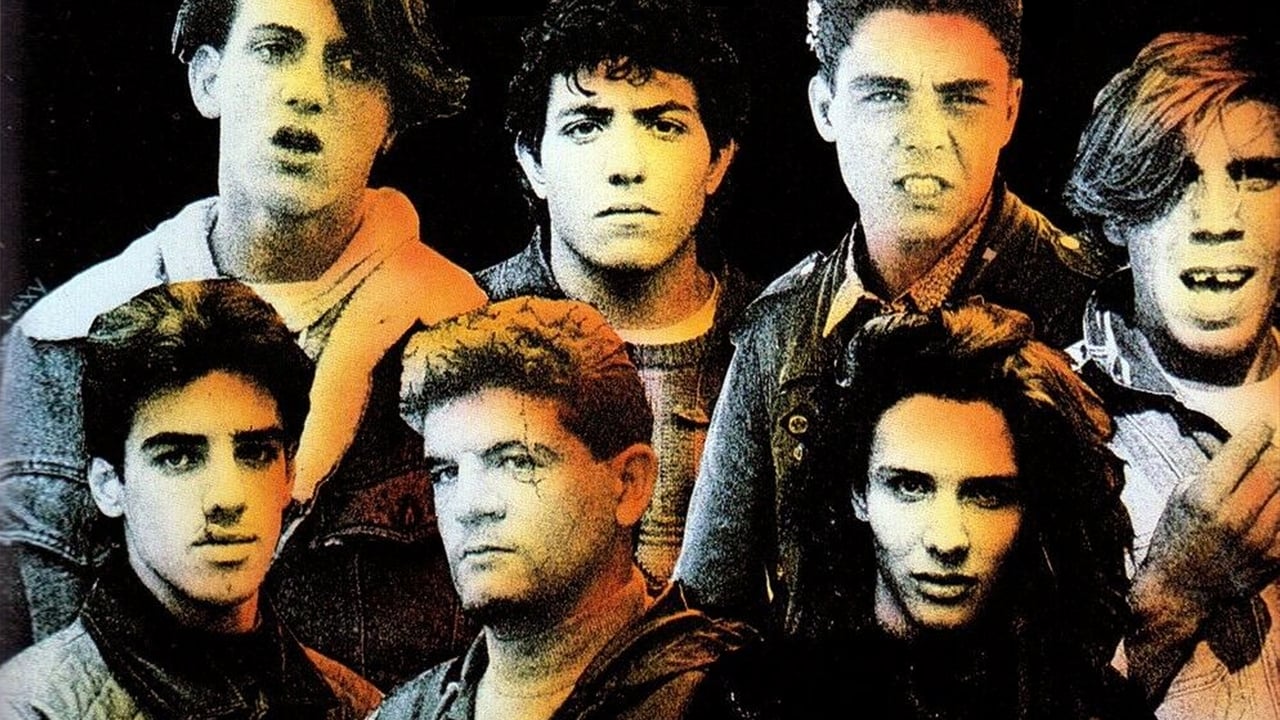
Where Mery per sempre confined us largely within the walls of the Malaspina juvenile detention center, Boys on the Outside follows several of the same characters – Natale (Francesco Benigno), Mery (Alessandra Di Sanzo), Claudio (Roberto Mariano), King Kong (Salvatore Termini), and others – as they navigate life outside. The initial hope of freedom quickly curdles into the grim reality of limited options. Palermo, under Risi’s lens, isn't a picturesque postcard; it’s a sprawling, indifferent entity where poverty, crime, and a crushing lack of opportunity form an inescapable ecosystem. The film doesn't offer easy answers or neat resolutions; it simply presents the brutal cycle these young men (and Mery, grappling with her identity and survival) find themselves trapped in. This lack of sentimentality is precisely what makes it so powerful.
The Power of Unvarnished Truth
The film’s most striking element, much like its predecessor, is the casting. Marco Risi, son of the legendary Italian director Dino Risi, made the bold choice to bring back many of the non-professional actors from the first film, plucked largely from the very environments depicted. This decision imbues Boys on the Outside with an authenticity that’s almost documentary-like. Francesco Benigno as Natale, desperate for work but constantly pulled back towards petty crime, embodies the central tragedy – the desire for a different life thwarted at every turn by circumstance and societal prejudice. His frustration feels achingly real, etched onto his face in every scene. Similarly, Alessandra Di Sanzo’s Mery, a transgender woman navigating a world deeply hostile to her existence, provides a poignant counterpoint, searching for acceptance and love amidst the prevailing toughness. There's no theatricality here, just raw nerve endings exposed. It’s reported that filming in certain Palermo neighborhoods was challenging, requiring careful negotiation, which only adds another layer to the palpable realism captured on screen.
Crafting Reality
Risi’s direction is observational and unflinching. He avoids stylistic flourishes, allowing the environment and the characters' struggles to dominate the frame. The camera often feels like a silent witness, documenting the small hustles, the moments of camaraderie quickly overshadowed by desperation, and the inevitable clashes with authority or rival groups. The screenplay, co-written by Risi and Aurelio Grimaldi (who wrote the novel Mery per sempre was based on), understands the language and rhythm of the streets, capturing the bravado that masks deep vulnerability. It’s a narrative less about plot twists and more about the suffocating weight of inevitability. This approach clearly resonated, as Boys on the Outside earned significant recognition, including the David di Donatello awards (Italy's equivalent of the Oscars) for Best Director and Best Producer in 1991.
Echoes from the Streets
Watching Boys on the Outside today, it feels less like a period piece and more like a timeless commentary on the social forces that shape young lives on the margins. The specifics might be rooted in late 80s/early 90s Palermo – the fashion, the cars, the specific economic pressures – but the core themes of systemic poverty, the allure and trap of crime, and the search for identity and belonging remain painfully relevant. It doesn't offer the escapism often sought in VHS rentals, but something far more resonant: a slice of unvarnished life that demands empathy and reflection. It’s a film that doesn't easily fade after the credits roll. Remember how certain films just felt different, heavier, more substantial when you slid them out of the VCR? This was one of them.
The Verdict
Boys on the Outside is a challenging but essential piece of Italian social realist cinema. Its power lies in its raw authenticity, driven by incredible performances from its largely non-professional cast and Marco Risi’s commitment to portraying the harsh realities faced by marginalized youth without judgment or simplification. It’s the rare sequel that deepens the impact of the original by showing the difficult, often tragic, consequences of lives lived on the periphery.
Rating: 8.5/10 - The score reflects the film's undeniable power, searing performances, and unflinching realism. It’s not an easy watch, lacking the polished narrative arc some might prefer, but its authenticity and social commentary make it a significant work that fully earns its place.
It leaves you contemplating the societal structures that create such dead ends, asking not just what happens to these boys outside, but why the paths inside legitimate society remain so fiercely barred.