Digging through stacks of well-worn VHS tapes often unearths pure escapism – explosions, one-liners, maybe a synth-heavy score. But sometimes, nestled between the action heroes and high school comedies, you find something else entirely. Something that stops you short, pulls you into a world far removed from neon lights and power ballads, and leaves an imprint long after the tape clicks off. Mary Forever (original title: Mery per sempre), Marco Risi's 1989 drama, is precisely that kind of discovery – a stark, sobering look inside the walls of a Sicilian juvenile detention center that feels worlds away from the usual late-80s fare.
Beyond the Comfort Zone
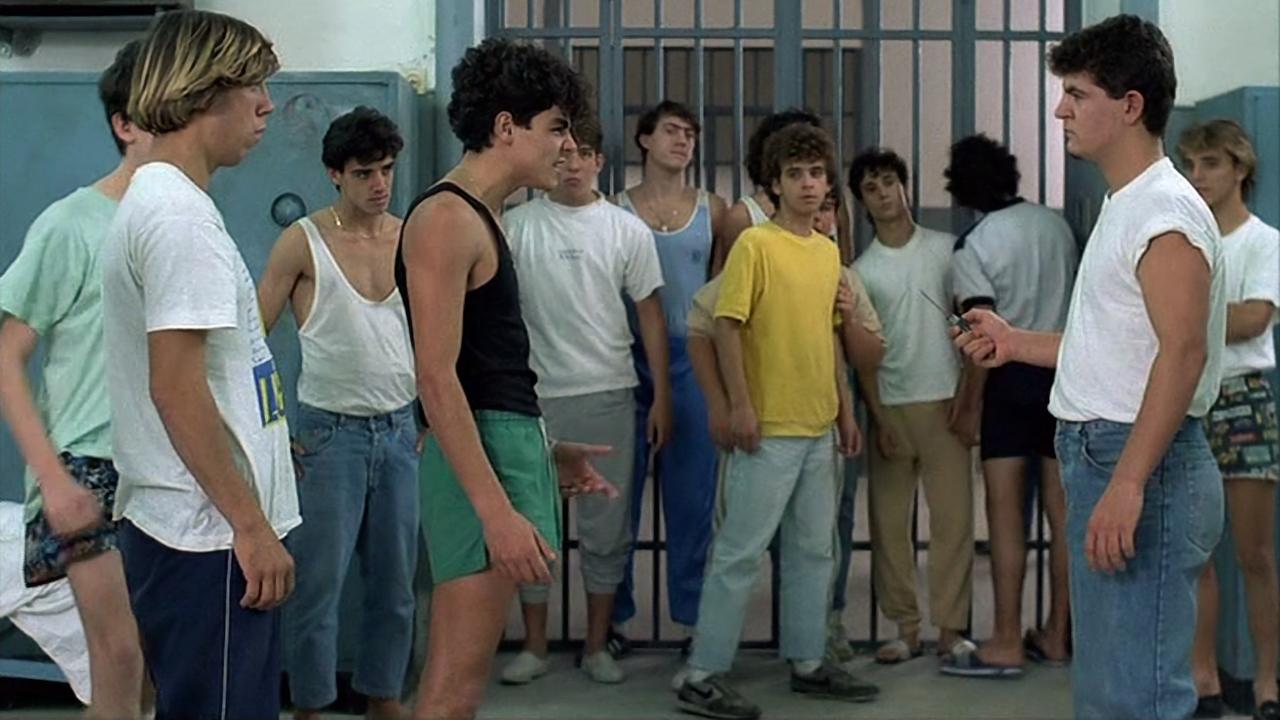
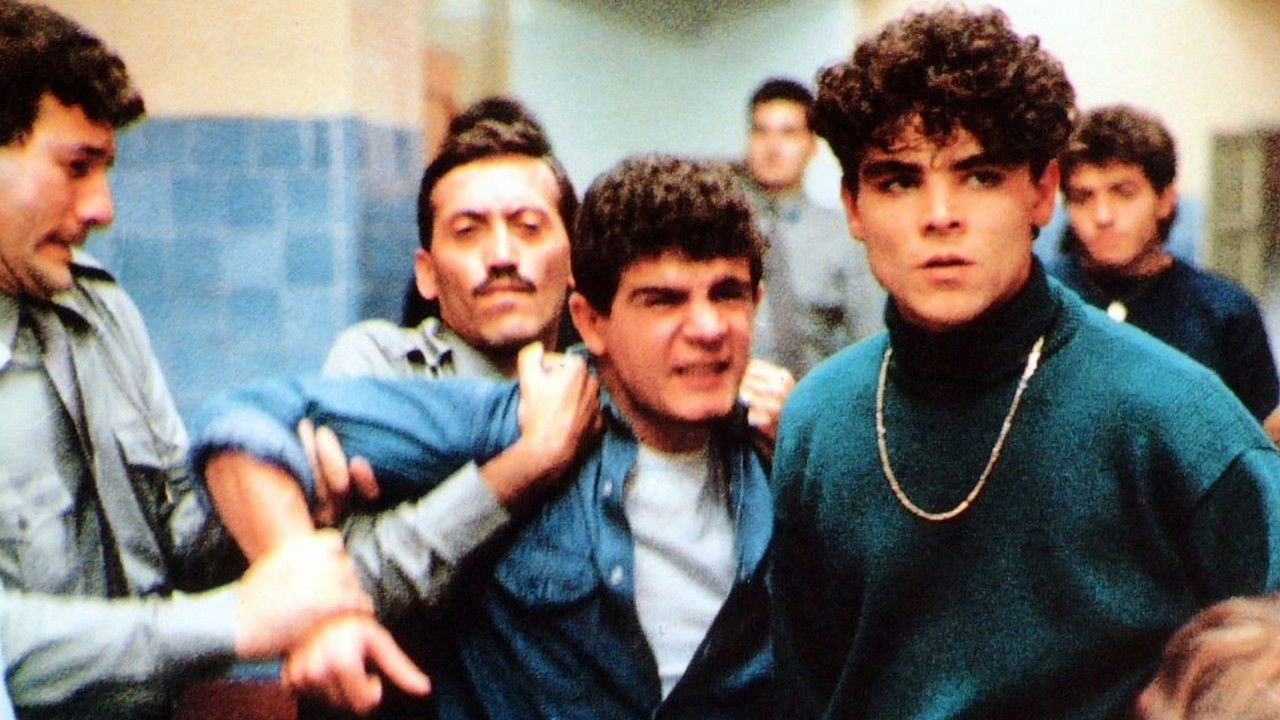
Forget glossy Hollywood productions; Mary Forever plunges you headfirst into the grim reality of the Malaspina prison in Palermo. The film follows Marco Terzi, played with quiet intensity by Michele Placido (already a household name in Italy thanks to the hugely popular crime series La Piovra), a teacher who transfers to the facility hoping to make a difference. What he finds is a microcosm of societal failure – young men trapped by poverty, circumstance, and a system that often seems designed more for containment than rehabilitation. The air hangs heavy with desperation, punctuated by bursts of adolescent rage and bravado. Risi doesn't shy away from the ugliness, creating an atmosphere that feels less like a movie set and more like a hidden camera documentary.
A Teacher's Burden, An Actor's Grace
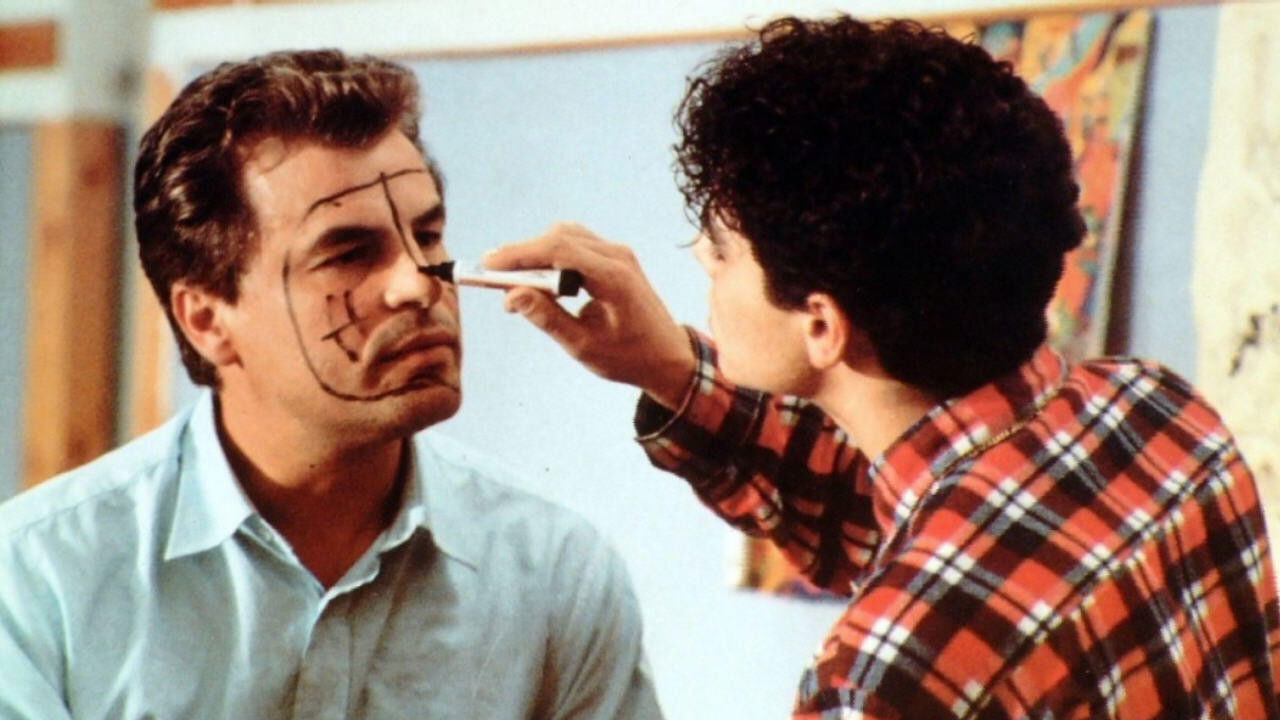
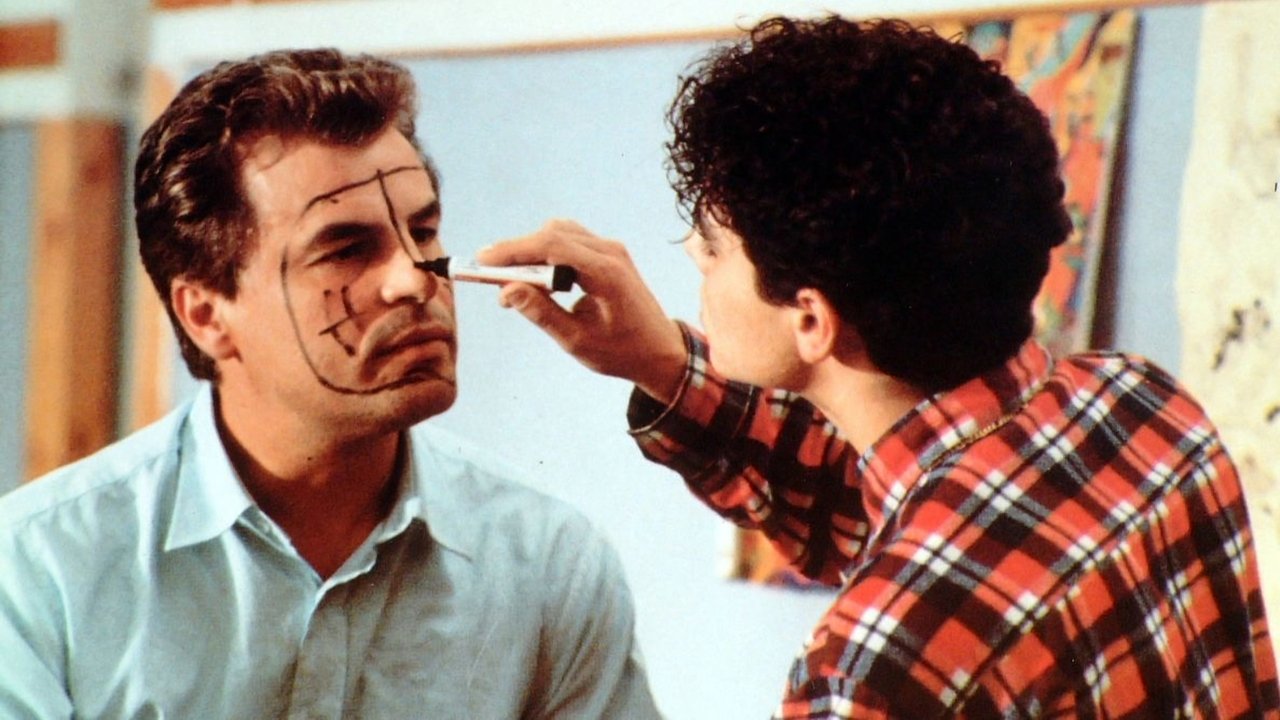
Michele Placido is the film's anchor. His Terzi isn't a miracle worker or a flamboyant inspirational figure cut from the Dead Poets Society cloth. He’s weary but resolute, navigating the complex dynamics of the prison with a mixture of empathy and frustration. He tries to see the individuals behind the crimes, the potential smothered by harsh realities. There’s a profound weight in Placido’s performance; you see the toll this environment takes, the small victories overshadowed by systemic indifference. He conveys so much through stillness, a glance, a hesitant sigh. It’s a performance built on listening, reacting, and trying to hold onto a sliver of hope in a seemingly hopeless place. What does it take, the film implicitly asks, to maintain one's humanity when confronted daily with the wreckage of young lives?
The Unforgettable Faces of Malaspina
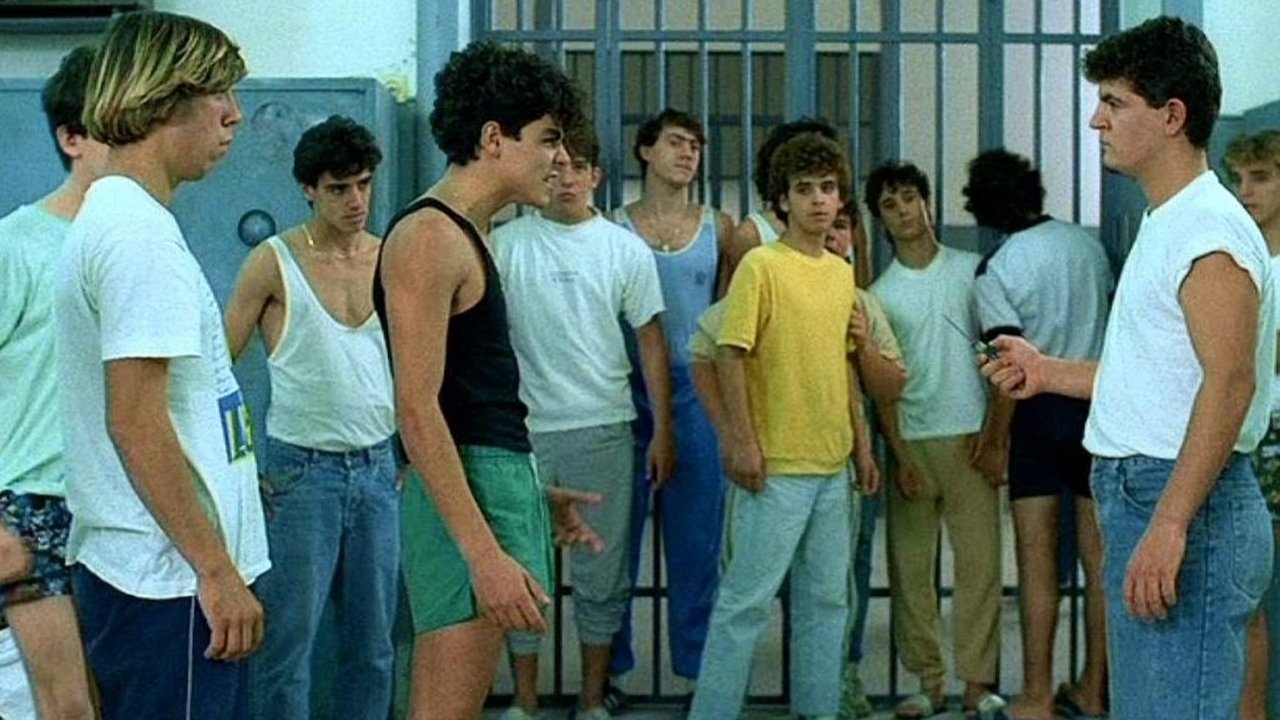
Where Mary Forever truly etches itself into memory is through its ensemble of young actors, many of whom were non-professionals making their debut. There's an astonishing rawness and authenticity to their performances, likely amplified by the fact that the film was shot within the actual confines of the Malaspina institution. You feel the claustrophobia, the lack of prospects. Standout among them is Francesco Benigno as Natale, nicknamed "Mery" because of his transgender identity and past involvement in prostitution. Benigno’s portrayal is heartbreakingly vulnerable yet defiant. Mery’s story, handled with a directness that was certainly provocative for 1989, becomes a focal point for the film's exploration of marginalization and the desperate search for identity within crushing circumstances. The film, based on the semi-autobiographical novel by teacher-turned-writer Aurelio Grimaldi (who co-wrote the screenplay), doesn't offer easy answers regarding Mery or any of the other inmates, like the volatile Pietro, played by a young, already charismatic Claudio Amendola. Instead, it presents their struggles with unflinching honesty. It's a testament to the casting and Marco Risi's direction that these performances launched several acting careers, including Benigno's, resonating deeply with Italian audiences who made the film a significant domestic success.
A Slice of Harsh Reality on Tape
This wasn't the kind of film you rented for a light Friday night. It demanded attention, challenged perceptions, and offered a window into a reality far removed from the comfortable suburban settings of many popular 80s movies. The film tackles difficult themes – the cycle of crime, institutional neglect, the complexities of sexuality and identity – without sensationalism. Marco Risi, who would revisit these characters and themes in the sequel Ragazzi fuori (1990), employs a style that prioritizes realism over cinematic flourishes. The camera often feels observational, capturing the grit and the grime, the fleeting moments of connection and the constant undercurrent of tension. It serves the story perfectly, immersing the viewer in this closed-off world. Finding this on a video store shelf, perhaps drawn in by Placido's familiar face, must have been a jarring but powerful experience for many renters expecting a standard drama.
Why It Stays With You
Mary Forever is potent filmmaking. It’s a social drama that avoids preaching, instead laying bare the human cost of societal indifference. It forces a confrontation with uncomfortable truths about who gets left behind and why. The raw performances, the authentic setting, and the refusal to offer simplistic solutions contribute to its lasting impact. It's a film that prompts reflection: How much has really changed in the decades since? Do we truly offer pathways out, or just more sophisticated holding pens?
Rating: 9/10
This score reflects the film's exceptional power, authenticity, and the unforgettable performances, particularly from Michele Placido and the young cast. Its unflinching realism and emotional depth make it a standout piece of late 80s European cinema. While undeniably bleak, its humanity shines through, justifying its high rating as a significant, impactful work.
Mary Forever remains a vital, affecting piece of cinema, a reminder that sometimes the most compelling stories found on those old VHS tapes weren't about saving the world, but about trying to save just one person within it. A tough watch, perhaps, but an essential one.