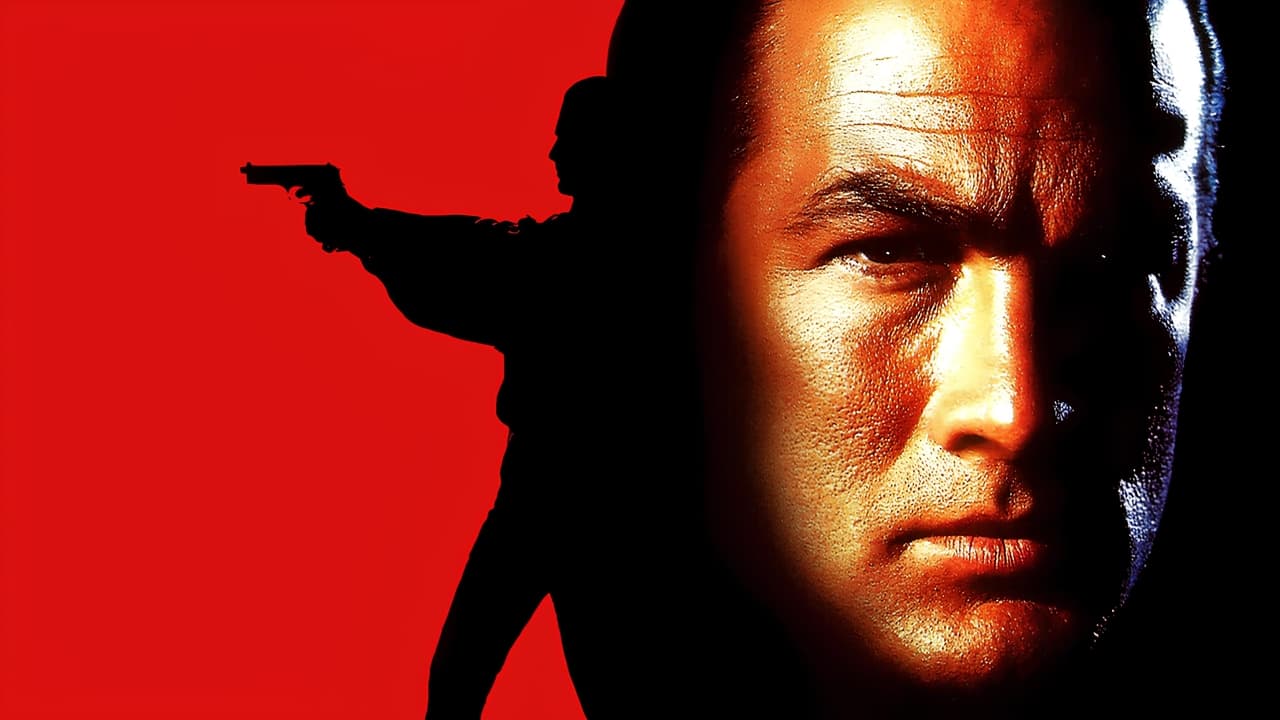
Alright, grab your favourite worn-out armchair, maybe crack open a cold one – we're rewinding the tape back to 1990 for a smackdown that left video store shelves trembling: Steven Seagal's bone-crunching classic, Marked for Death. Forget the nuanced espionage thrillers; this was peak early Seagal, delivering exactly what the electrifying cover art promised: relentless, brutal action served straight up, no chaser. This wasn't just another action flick; it felt like plugging directly into the raw energy of the genre before digital gloss smoothed everything over.
### One Last Job? Not Likely.
We meet DEA Agent John Hatcher (Steven Seagal) fresh off a botched operation in Colombia, disillusioned and ready to hang up his badge. He heads home to suburban Chicago seeking peace, maybe reconnecting with family. But trouble, as it often does in these glorious 90s actioners, follows him home like a bad smell. This time, it arrives in the form of a ruthless Jamaican drug posse, the kind of movie gangsters who seemed impossibly cool and terrifyingly violent back then, led by one of the most memorable villains of the era.
### Fear the Dreadlocks: Enter Screwface
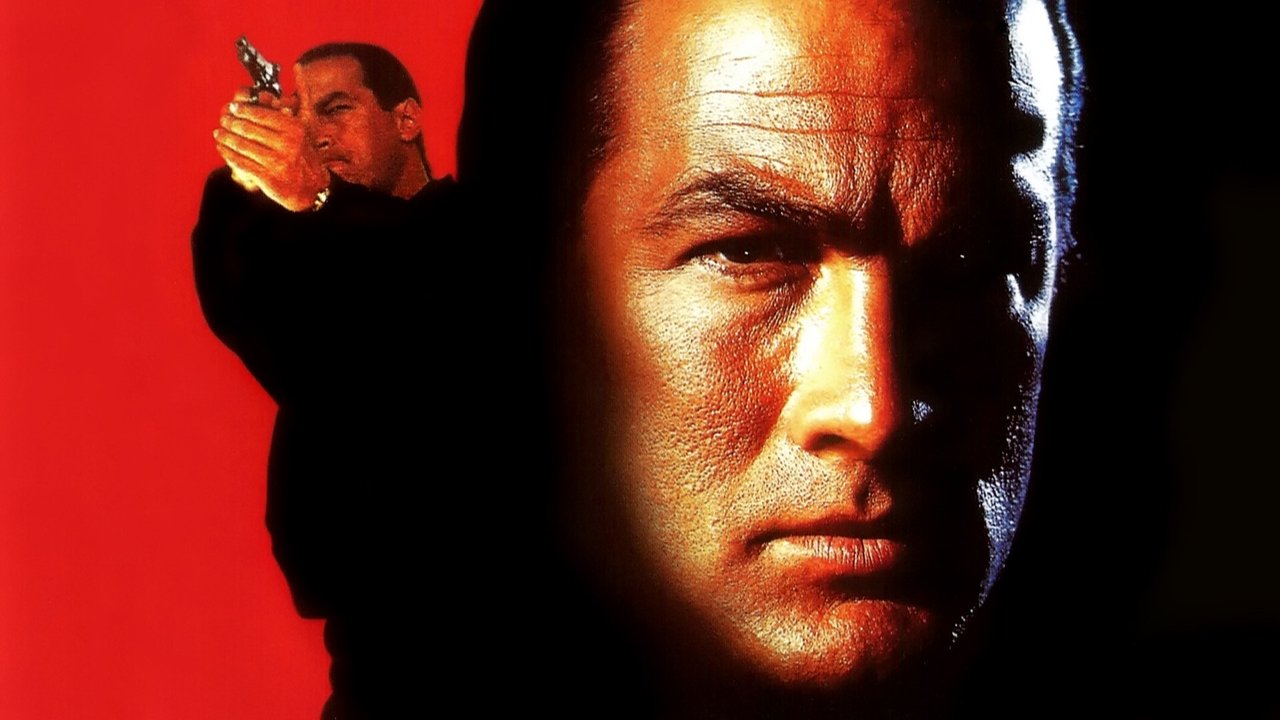
Let's be honest, a hero is only as good as his villain, and Marked for Death struck gold with Basil Wallace as Screwface. Wallace doesn't just play the antagonist; he embodies him. With his piercing gaze (reportedly achieved with uncomfortable custom contact lenses that Wallace endured for the role), distinctive accent, and terrifying blend of charisma and sadism, Screwface felt like a genuine threat ripped straight from lurid headlines, amplified by voodoo undertones that added a layer of unsettling mystique. He wasn't just a drug lord; he was a force of nature, and his introductory scene remains chillingly effective. Wallace’s commitment made Screwface an instantly iconic figure in the pantheon of 90s action baddies.
### The Seagal Smackdown: Aikido Unleashed
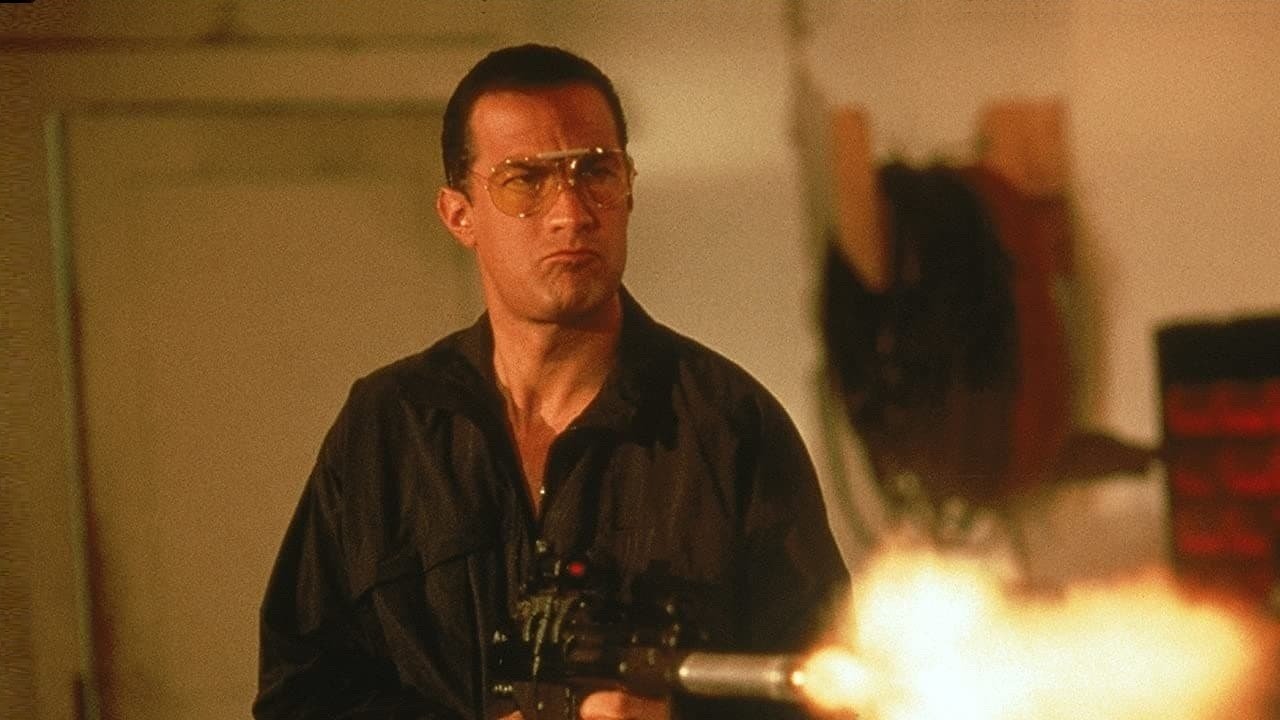
This film truly showcased Steven Seagal's signature Aikido style in perhaps its most impactful cinematic outing. Forget wire-fu or balletic gunplay; this was about devastating efficiency. Director Dwight H. Little, who already knew his way around gritty atmosphere from films like Halloween 4: The Return of Michael Myers (1988), lets the camera linger just enough to capture the brutal artistry of Seagal’s joint locks, throws, and strikes. Remember the sound design? Every snap, crackle, and pop of bone felt visceral through those old TV speakers. It wasn't just fighting; it was dismantling.
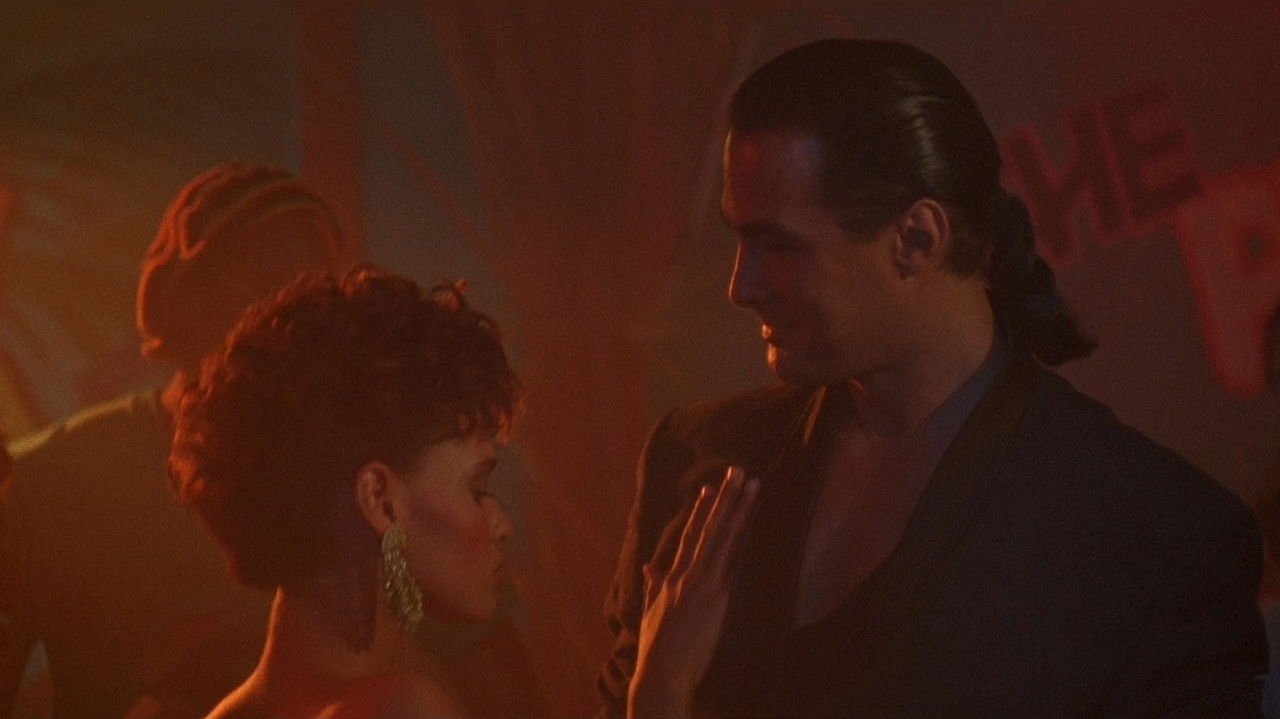
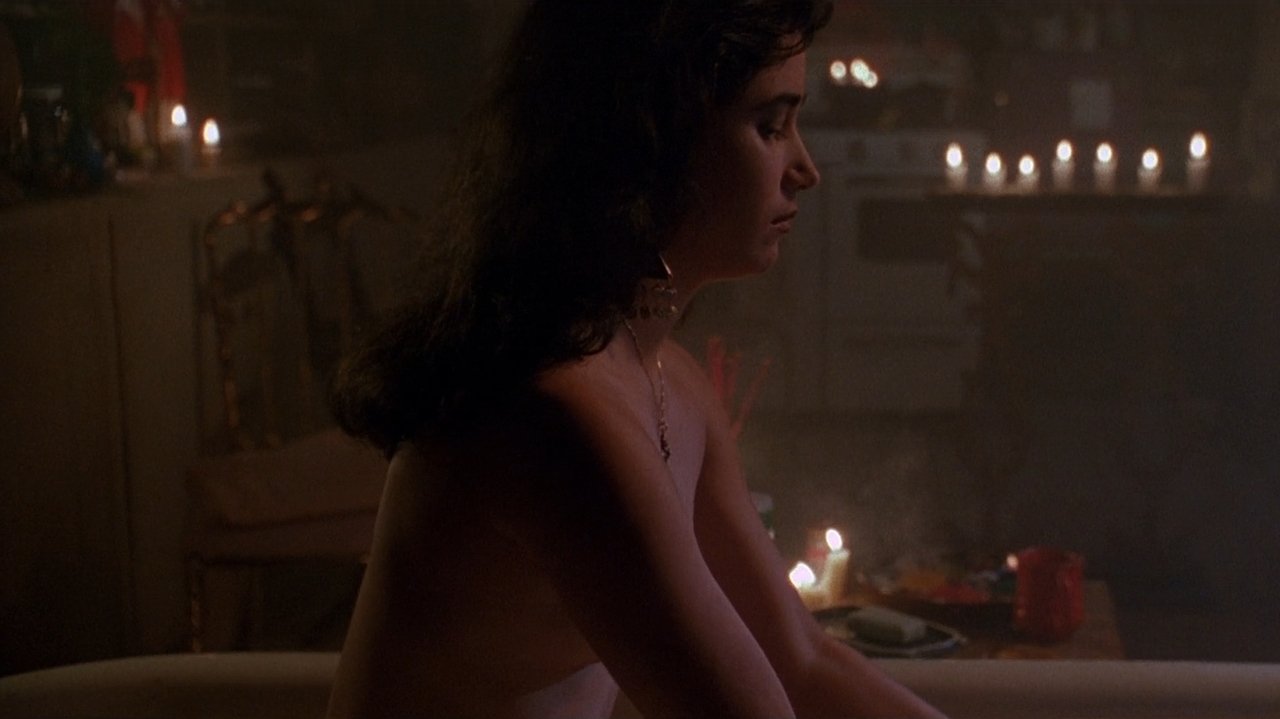
The action sequences here feel grounded in a way that’s become rare. The department store fight is a masterclass in using a real environment for maximum impact – shattering glass, improvised weapons, close-quarters combat that feels genuinely dangerous. There’s a weight to the action, a sense of real bodies colliding. These were stunt performers putting themselves on the line, selling hits that looked like they genuinely hurt, long before CGI could paint over the danger. Wasn't there a raw intensity to seeing practical squibs erupt on impact? It felt undeniably real back then. It's interesting to note that the film, shot across Chicago, Los Angeles, and even on location in Jamaica, managed this level of gritty action on a relatively modest budget of around $12 million – proving quite the return when it pulled in nearly $60 million worldwide, cementing Seagal's bankability.
### More Than Just a One-Man Army
While Seagal is undeniably the star, Marked for Death benefits greatly from its supporting cast. The always-reliable Keith David brings effortless cool and needed charisma as Max, Hatcher’s old friend and partner-in-arms. Their dynamic provides some welcome banter and prevents the film from becoming solely focused on Seagal's stoic intensity. David, already a genre favorite from The Thing (1982) and They Live (1988), elevates every scene he’s in. It’s also worth noting the screenplay comes from Michael Grais and Mark Victor, the same writing duo behind the supernatural classic Poltergeist (1982) – quite a shift in gears, but they nail the gritty urban crime elements here.
The film’s atmosphere is further enhanced by a killer soundtrack pulsing with authentic reggae beats, featuring the legendary Jimmy Cliff. This wasn't just background noise; the music felt integral to the film's identity, perfectly complementing the Jamaican posse's presence and the vibrant, dangerous world they inhabit. Add to that a tense, effective score by James Newton Howard, already a rising star who would go on to score countless blockbusters, and you have an auditory experience that perfectly matched the on-screen intensity.
### The Verdict: Still Packs a Punch
Okay, let's be real. Viewed today, Marked for Death has its share of 90s action movie tropes. The dialogue isn't exactly Shakespeare, and Seagal's character arc is pretty straightforward. But who rented this expecting deep philosophical introspection? We came for the action, and on that front, Marked for Death delivered in spades and still holds up remarkably well if you appreciate the craft of practical action filmmaking. It’s lean, mean, and features one of the genre’s most memorable villains. Critics at the time might have been mixed, but audiences knew what they liked, turning this into a VHS rental champion. I distinctly remember the worn-out look of the Marked for Death clamshell case at my local video store; it was clearly a popular pick.
Rating: 8/10
The rating reflects its standing as a top-tier early Seagal vehicle and a prime example of hard-hitting, practical 90s action. It knew exactly what it wanted to be and executed it with brutal efficiency, delivering iconic moments and a truly formidable villain.
Final Thought: In an era of weightless digital mayhem, Marked for Death is a glorious, tangible reminder of when action stars felt like forces of nature and every broken bone sounded terrifyingly real coming through your TV speakers. Pure, unadulterated VHS-era adrenaline.