There's a particular kind of hush that falls over you when watching certain films, isn't there? Not the silence of boredom, but the quiet attentiveness demanded by something truly unique. Slipping the Akira Kurosawa film Dreams (1990) into the VCR back in the day often induced just such a state. You might have grabbed it expecting the sweeping historical action of Ran (1985) or the tense drama of High and Low (1963), but what unspooled was something else entirely – a journey not through a plotted narrative, but through the very subconscious of a cinematic master. It felt less like watching a movie and more like being granted access to someone's deeply personal, visually staggering dream journal.

Portals to the Subconscious
Forget conventional storytelling. Dreams presents eight distinct vignettes, each reportedly based on actual dreams Kurosawa experienced throughout his life. Our guide through most of these shifting landscapes is a recurring figure known simply as "I", portrayed with gentle curiosity by Akira Terao. He's less a protagonist driving the action and more an observer, a stand-in for Kurosawa himself (and, by extension, for us), witnessing scenes that range from the enchantingly beautiful to the deeply unsettling. The film drifts from one segment to the next with the strange, associative logic that governs our own sleeping minds, creating an experience that can be both mesmerizing and, at times, intentionally jarring.
A Painter's Eye, A Filmmaker's Hand
If ever a film felt like stepping inside a series of living paintings, it's this one. Kurosawa began his career as a painter, and that sensibility infuses every frame. The use of colour is breathtaking – from the hyper-real, almost impossibly vibrant hues of blossoming orchards and sun-drenched fields to the terrifying reds and oranges of a nuclear nightmare. Each segment possesses its own distinct visual identity, a testament to Kurosawa's meticulous control over his craft.
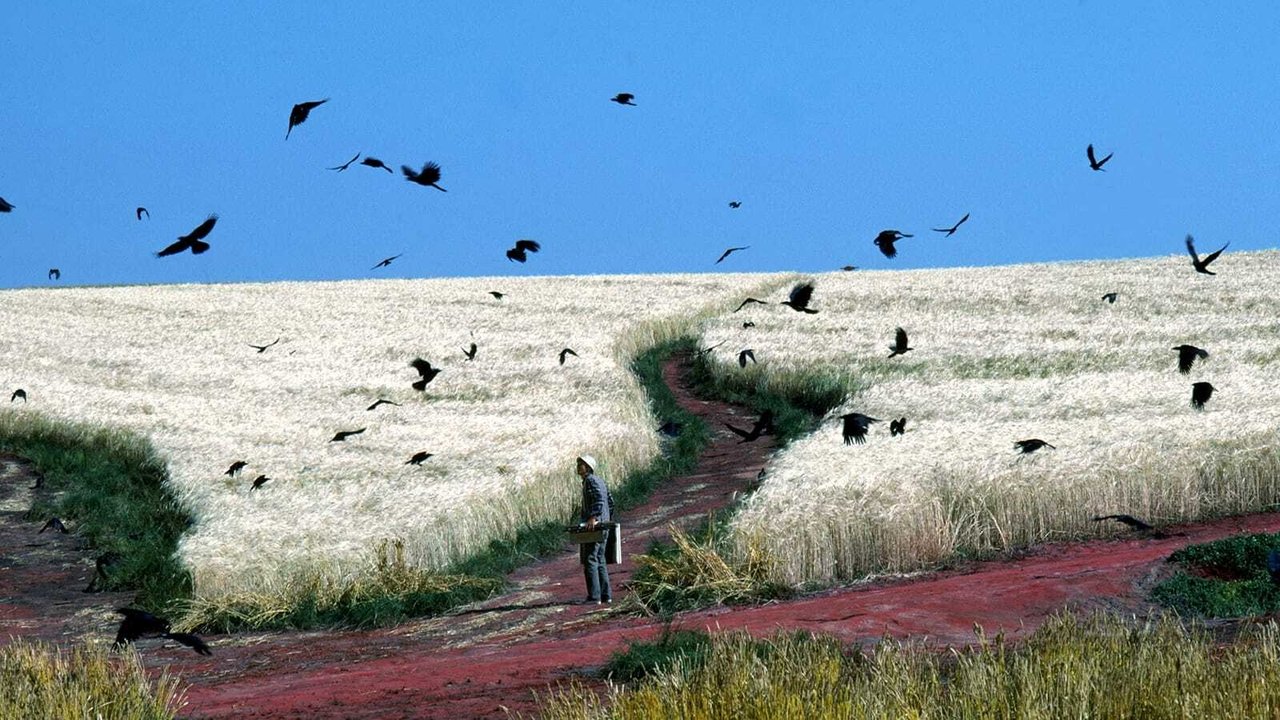
Perhaps the most talked-about sequence, "Crows," plunges us directly into the world of Vincent van Gogh. Here, Kurosawa achieves something magical, transporting "I" into the swirling, impasto landscapes of Van Gogh's paintings. And who better to portray the tortured artist himself than Martin Scorsese, in a brief but energetic cameo? It's a fascinating collision of cinematic giants. Interestingly, the stunning visual effects required to bring Van Gogh's canvases to life were handled by Industrial Light & Magic (ILM). This collaboration, along with crucial production support facilitated by admirers like Steven Spielberg and George Lucas (who helped secure Warner Bros. distribution in the US), underscores the global respect Kurosawa commanded. Securing the estimated $12 million budget for such a personal, unconventional project wasn't easy, and their backing proved vital.
Whispers of Warning, Visions of Wonder
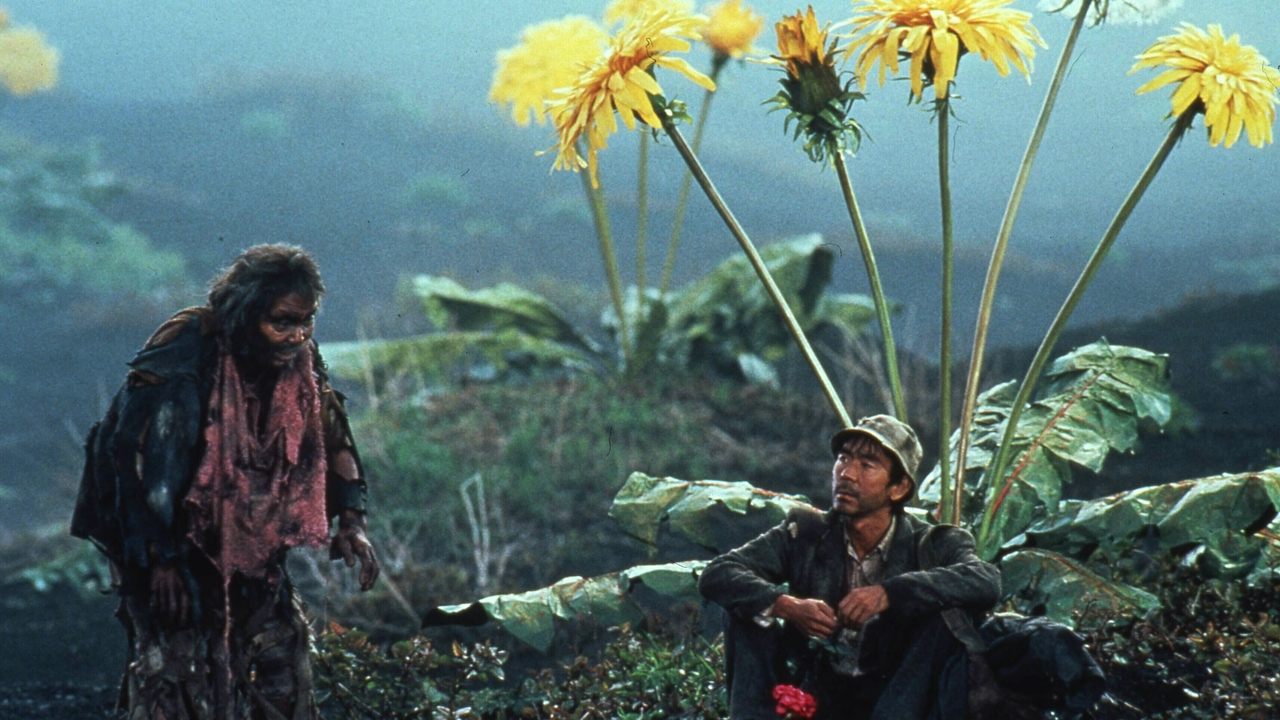
Beneath the surface beauty, Dreams carries profound, often cautionary, themes. Kurosawa repeatedly contrasts the serene power and delicate balance of nature with humanity's capacity for destruction and ignorance. The childlike wonder of "Sunshine Through the Rain," where young "I" witnesses a forbidden fox wedding, gives way to the stark environmental allegories of later segments. "Mount Fuji in Red" offers a terrifying vision of nuclear apocalypse, while "The Weeping Demon" presents a desolate future ravaged by pollution, populated by grotesque, mutated figures.
Yet, it's not all despair. "The Peach Orchard" mourns the loss of nature through the eyes of a child, finding beauty even in absence, as ghostly spirits of the felled trees perform one last dance. And the final segment, "Village of the Watermills," offers a glimpse of a utopian, pastoral existence where people live in harmony with nature, a quiet note of hope after the preceding turbulence. What resonates more strongly – the warnings, or the wistful longing for a simpler connection to the world?
Memories Through the Magnetic Tape
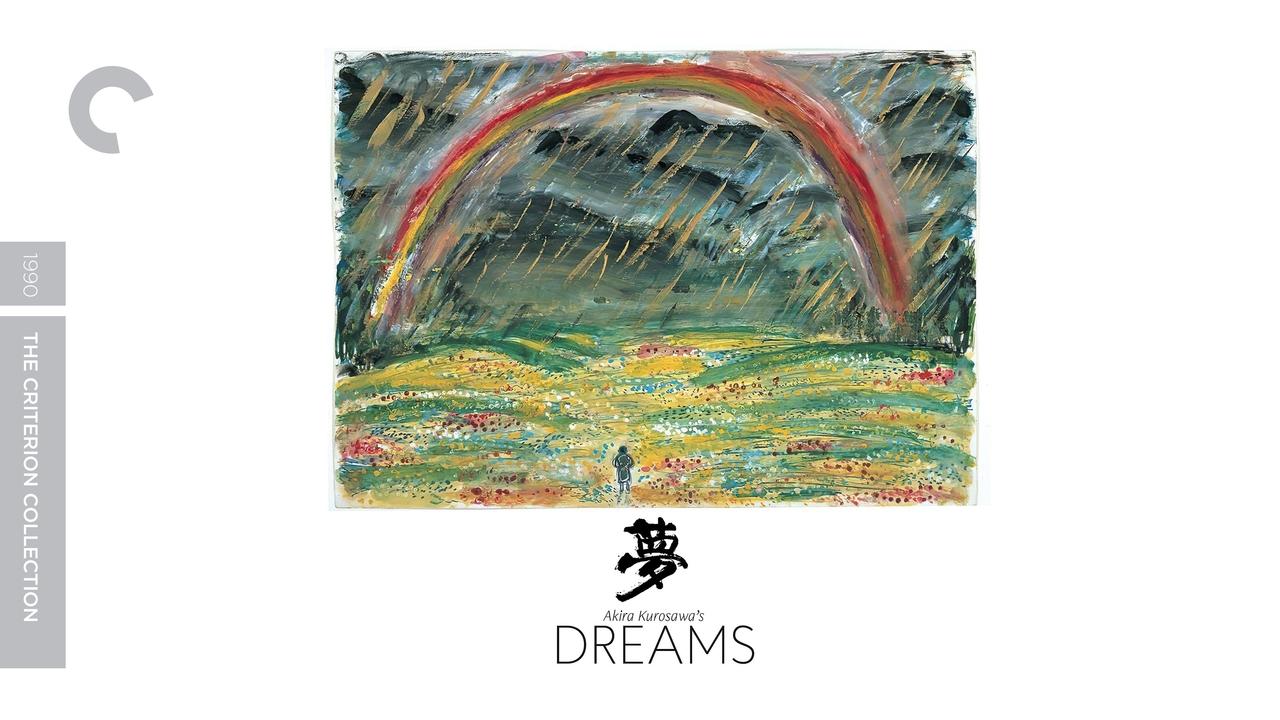
I distinctly remember renting Dreams from the local video store, probably nestled in the "Foreign Films" section, its cover art hinting at something extraordinary. Watching it on a CRT television, the slightly softened resolution of VHS perhaps even enhanced the dreamlike quality. The imperfections of the format – the occasional tracking lines, the warm analogue fuzz – seemed almost fitting for a film exploring the ephemeral nature of dreams and memories. It wasn't the kind of tape you'd put on for a rowdy Friday night gathering, but rather for a quiet evening of contemplation. It felt like a secret shared, a glimpse into an artist's soul.
While Akira Terao carries the central viewpoint, the "performances" in Dreams are often more about embodying archetypes or moods than traditional character acting. Terao’s quiet presence provides a necessary anchor, his reactions mirroring our own awe, confusion, or fear as we navigate these subconscious realms. The power lies less in individual portrayals and more in the collective tapestry Kurosawa weaves.
A Legacy Etched in Light and Shadow
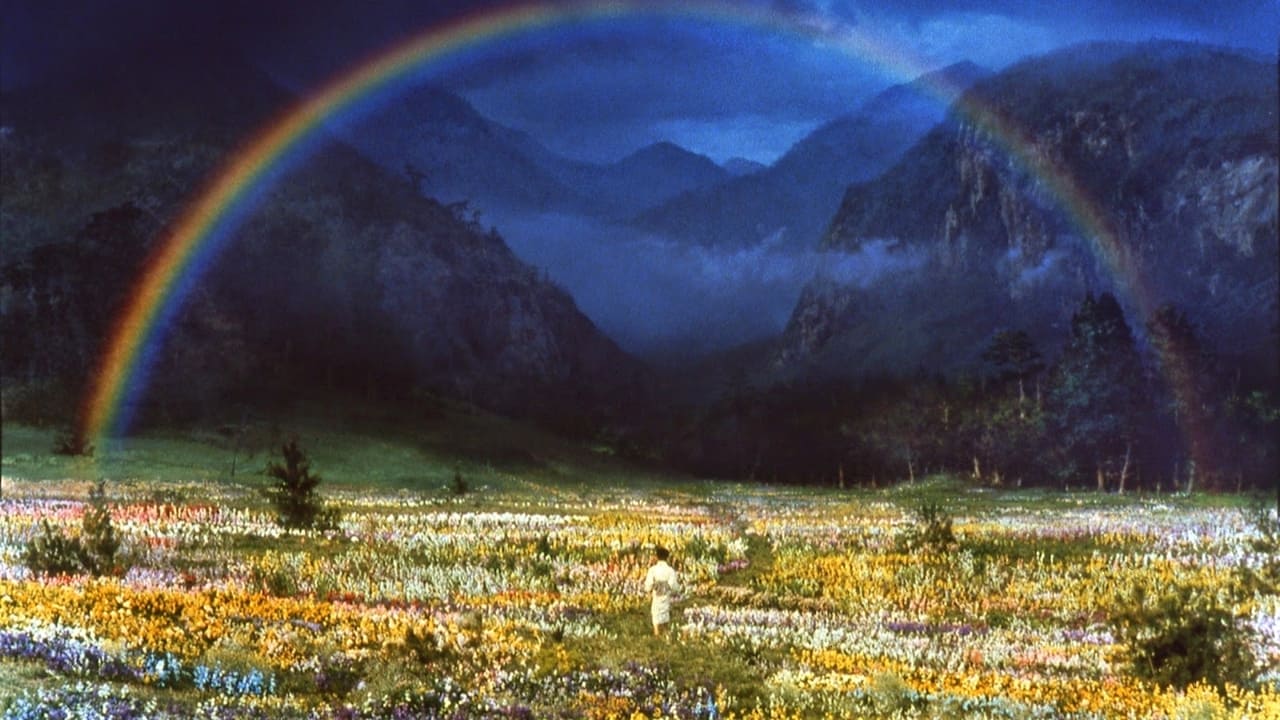
Dreams stands as a unique entry in Kurosawa's legendary filmography. It lacks the narrative propulsion of his samurai epics or crime thrillers, yet it offers something arguably more intimate: a direct line to the filmmaker's hopes, fears, and artistic passions. Screened out of competition at the 1990 Cannes Film Festival, it wasn't a commercial juggernaut, but its influence feels more personal, resonating deeply with viewers open to its poetic imagery and reflective pace. It reminds us that cinema can be more than just story; it can be pure visual poetry, a conduit for the ineffable.
Rating: 8/10
This rating reflects the film's stunning artistic achievement, its profound thematic depth, and its sheer uniqueness. While its unconventional structure might not connect with all viewers seeking a traditional narrative, Dreams offers an unparalleled cinematic experience – visually breathtaking, emotionally resonant, and intellectually stimulating. Kurosawa didn't just show us his dreams; he invited us into them, leaving us with haunting images and lingering questions about our world and our place within it. It's a film that truly stays with you, long after the VCR whirs to a stop.