Some landscapes hold secrets beneath their sun-baked surfaces. Provence, as captured by director Claude Berri in Manon of the Spring (1986), is achingly beautiful – lavender fields, cicada songs, the promise of cool water under a relentless sun. Yet, beneath this idyllic veneer festers a darkness sown years before, a truth waiting patiently, like the spring itself, to burst forth with devastating consequences. This isn't just a sequel; it's the reaping of a bitter harvest, a haunting exploration of guilt and retribution that lingers long after the credits roll.
The Echo of a Capped Spring
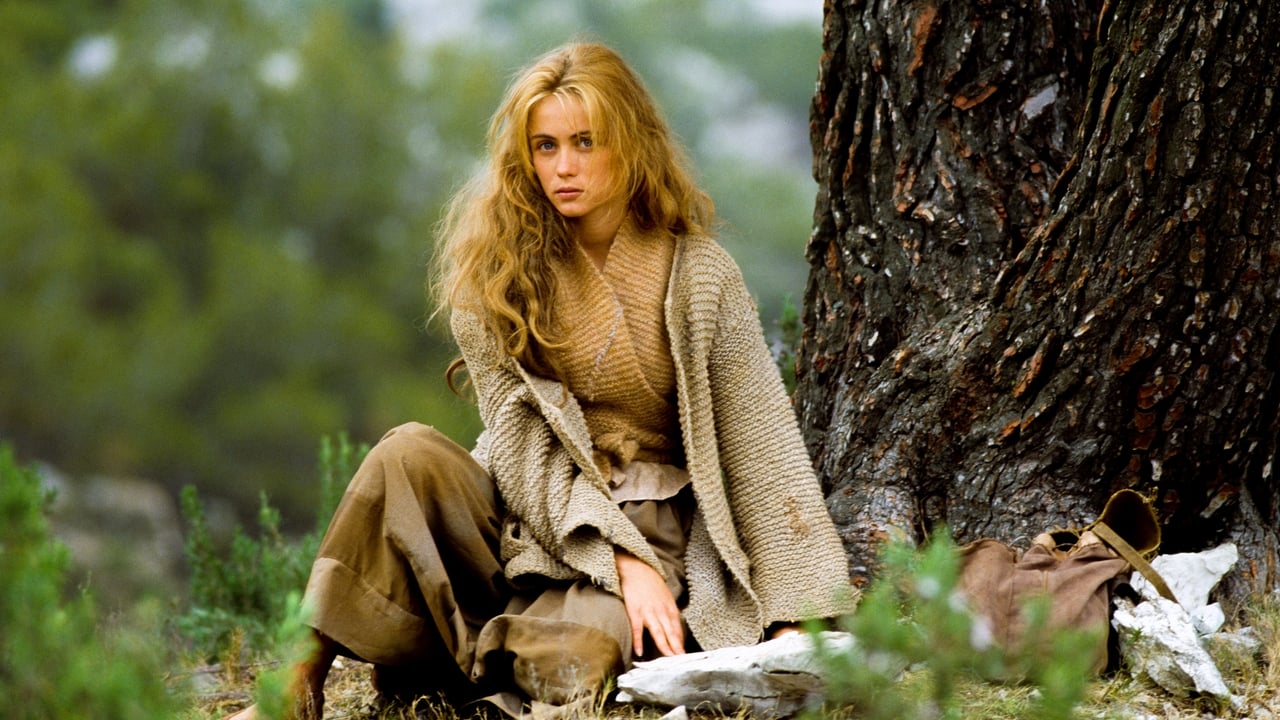
Picking up a decade after the tragic events of Jean de Florette, we find the village seemingly prosperous, thanks to the water source cruelly denied to Jean Cadoret. César Soubeyran, "Le Papet" (Yves Montand), and his nephew Ugolin (Daniel Auteuil) have achieved their aims, their carnation farm flourishing. But prosperity built on deceit offers no peace. Ugolin, particularly, is a man tormented, haunted not just by guilt but by an aching, unrequited love for Jean's daughter, Manon (Emmanuelle Béart). She now lives a solitary life in the hills, a shepherdess embodying the wild beauty and resilience of the nature her father so loved, seemingly unaware of the treachery that shaped her destiny.
The genius of Berri's direction, working closely with screenwriter Gérard Brach to adapt Marcel Pagnol's beloved novel L'Eau des collines, lies in the patient unfolding of this delayed reckoning. The pacing is deliberate, mirroring the slow turn of seasons in the French countryside. We feel the heat, the dust, the stifling weight of unspoken history hanging over the village square. Berri lets the environment breathe, understanding that the parched earth and the life-giving spring are characters as vital as any human.
A Silent Fury, A Crumbling Facade
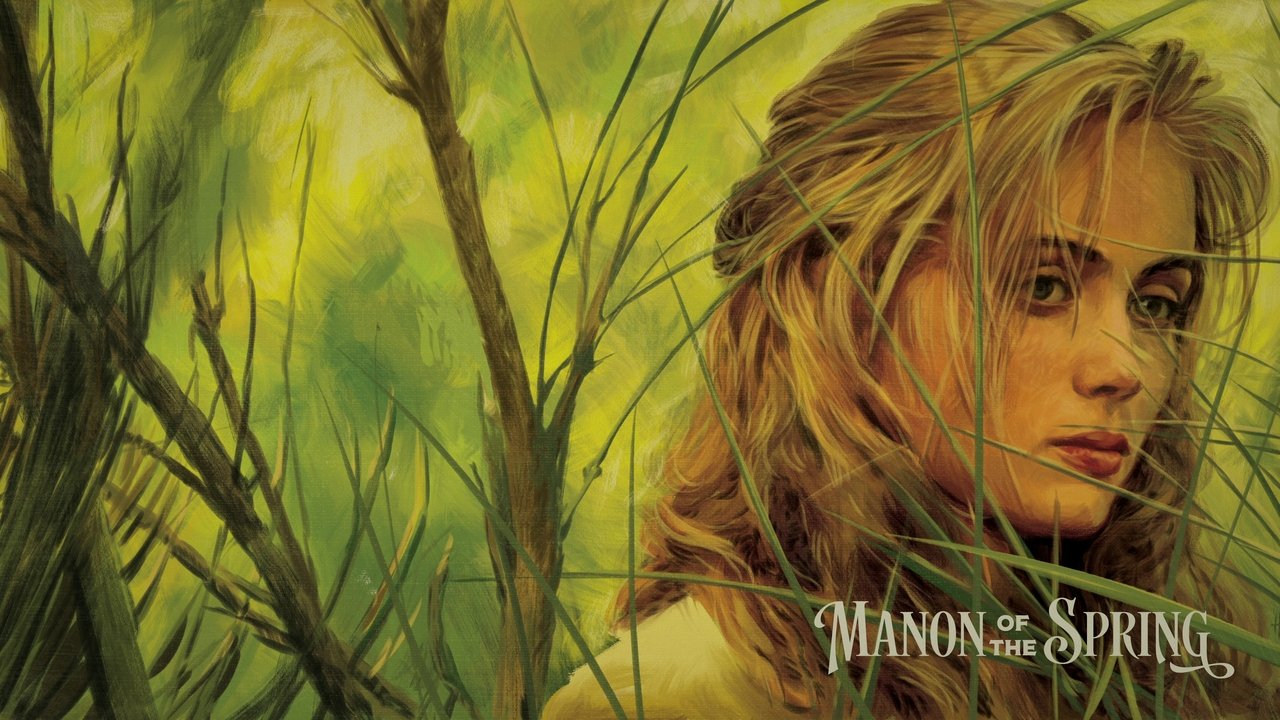
Emmanuelle Béart, in the role that catapulted her to stardom (earning her the César Award for Best Supporting Actress), is captivating as Manon. Often silent, observing, her presence is nonetheless magnetic. She moves through the landscape like a force of nature herself, her beauty initially seeming ethereal, almost otherworldly. But when she discovers the truth about her father's demise and the villagers' complicity in hiding the spring, her quiet grace transforms into a focused instrument of vengeance. It's a performance built on subtle shifts in expression, conveying depths of pain and resolve without resorting to histrionics. Is her revenge born of calculated malice, or is she merely an agent of a deeper, almost elemental justice? The film leaves that beautifully ambiguous.
Opposite her, Daniel Auteuil delivers a performance of raw, pathetic anguish as Ugolin. Having won the Best Actor César for Jean de Florette the previous year, he continues his masterful portrayal of a simple man consumed by forces he cannot comprehend – first greed, then guilt, and finally, a desperate, destructive obsession. His disintegration is painful to watch, a testament to Auteuil's ability to evoke empathy even for a character whose actions were reprehensible. He embodies the slow corrosion of a soul burdened by secrets.
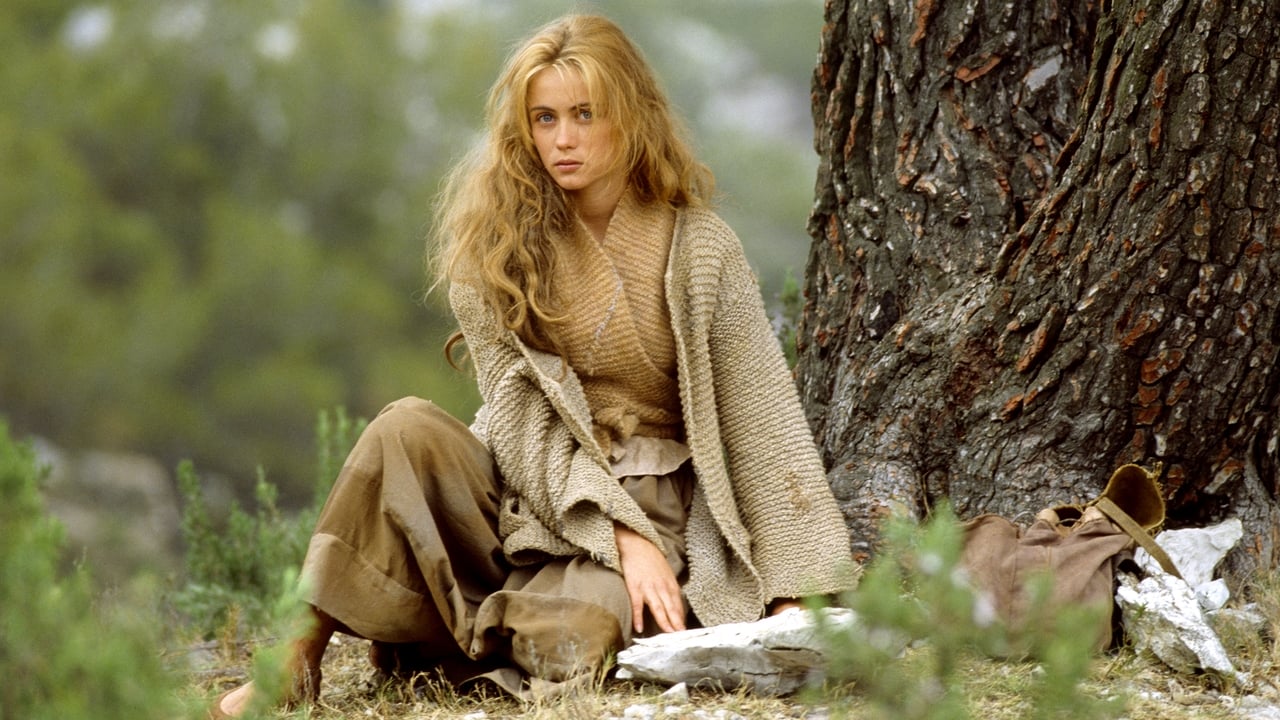

And then there is Yves Montand as Papet. The veteran actor, in one of his final and most powerful roles, embodies the proud, cunning patriarch whose carefully constructed world begins to crumble. Montand peels back Papet’s layers – the initial satisfaction, the growing unease, the dawning horror, and finally, the crushing weight of a revelation that redefines his entire existence. His final scenes are utterly devastating, a masterclass in conveying profound regret and the terrible price of arrogance.
Retro Reflections: Crafting a Modern Classic
Filmed back-to-back with Jean de Florette over a lengthy period in Provence, this two-part epic was a monumental undertaking for French cinema at the time. It reportedly cost around $17 million US dollars for both films – a significant sum in the mid-80s – but became a massive international success, introducing Pagnol's timeless story to a new generation, many of whom, like myself, first encountered these sun-drenched tragedies on well-worn VHS tapes rented from the 'Foreign Films' section. It proved that thoughtful, character-driven drama, rooted in a specific landscape and culture, could resonate globally. Seeing Béart emerge as a major star, or witnessing Montand's towering final act, felt like discovering something truly special, worlds away from the typical Hollywood fare dominating the shelves. The cinematography by Bruno Nuytten (who also directed Béart in Camille Claudel two years later) is simply breathtaking, capturing both the beauty and the harshness of the Provençal light.
The Inescapable Past
Manon of the Spring is less about plot twists (though the final revelation is a gut punch) and more about the inexorable nature of consequences. It questions the foundations of community – can solidarity built on shared silence and hidden sin truly endure? The villagers, initially presented with rustic charm, reveal a capacity for casual cruelty and self-preservation that feels chillingly real. When Manon blocks the village's own water source, forcing them to confront their past actions, the film becomes a powerful allegory for collective guilt and the impossibility of burying truth forever. Doesn't the weight of unspoken history often poison the present in communities everywhere?
The film avoids easy moral judgments. While our sympathies lie with Manon, her act of retribution has far-reaching consequences, touching the innocent as well as the guilty. It suggests that vengeance, however justified, can be as drying and destructive as the greed that prompted it.
Rating: 9/10
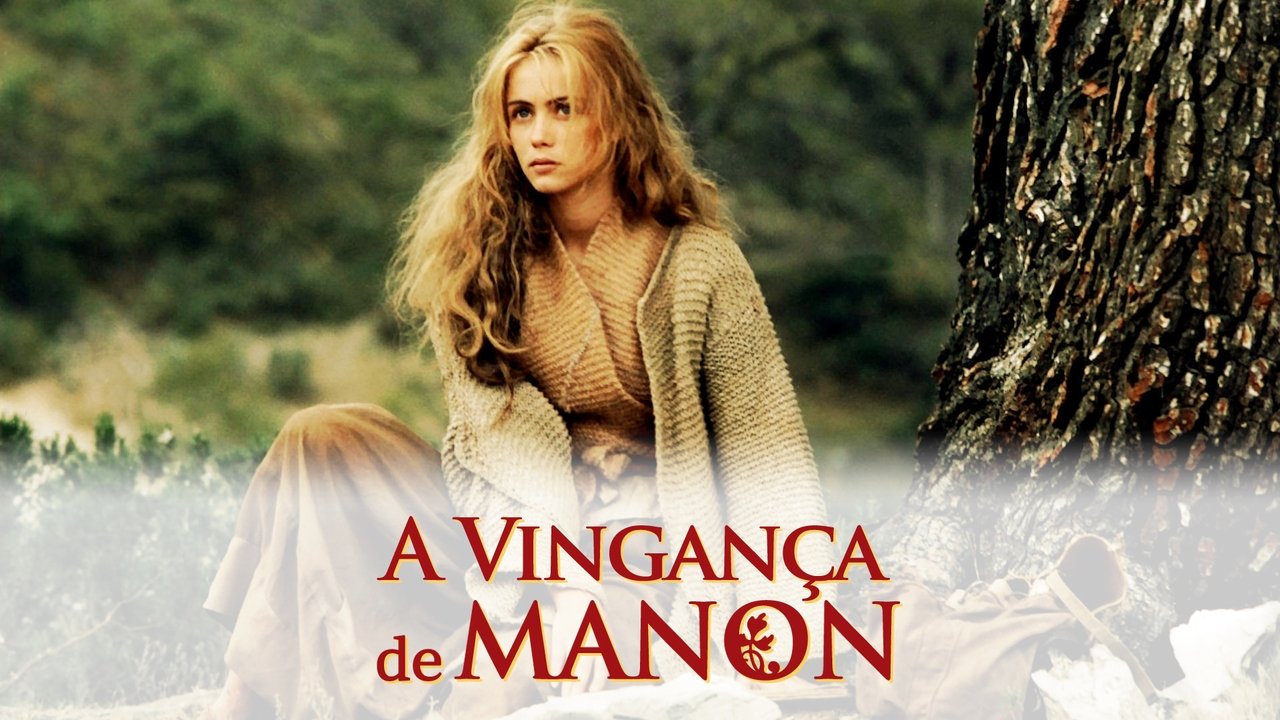
This rating reflects a film that achieves near perfection in its execution. The performances from Montand, Auteuil, and Béart are unforgettable, the direction is masterful in its patience and visual poetry, and the adaptation honours the depth of Pagnol's source material. It's a deeply moving, beautifully crafted piece of cinema that uses its specific setting to explore universal themes of guilt, justice, and the long shadow of the past. It loses a single point only perhaps for the necessity of having seen Jean de Florette to fully appreciate its intricate web of cause and effect, though it largely stands on its own tragic merits.
Manon of the Spring is more than just a sequel; it's the poignant, inevitable conclusion to a timeless tragedy. It reminds us that the earth remembers, and sometimes, the most beautiful landscapes bear witness to the deepest human failings. A true classic that rewards patient viewing and lingers in the heart.