It begins not with a bang, but with a violation – a brutal act rendered almost abstract by its cold presentation, setting the stage for a journey into a particular kind of hell. Abel Ferrara's Bad Lieutenant (1992) isn't a film you casually put on; it’s one you brace for. I recall seeing that stark, often unforgiving box art on the video store shelf, sensing even then that this wasn't your typical cop thriller. Renting it felt like an act of cinematic transgression, a deliberate step away from the polished fare often found closer to the front counter. Watching it then, and rewatching it now, confirms that initial feeling: this is filmmaking as raw nerve, as spiritual anguish laid bare.
Into the Abyss
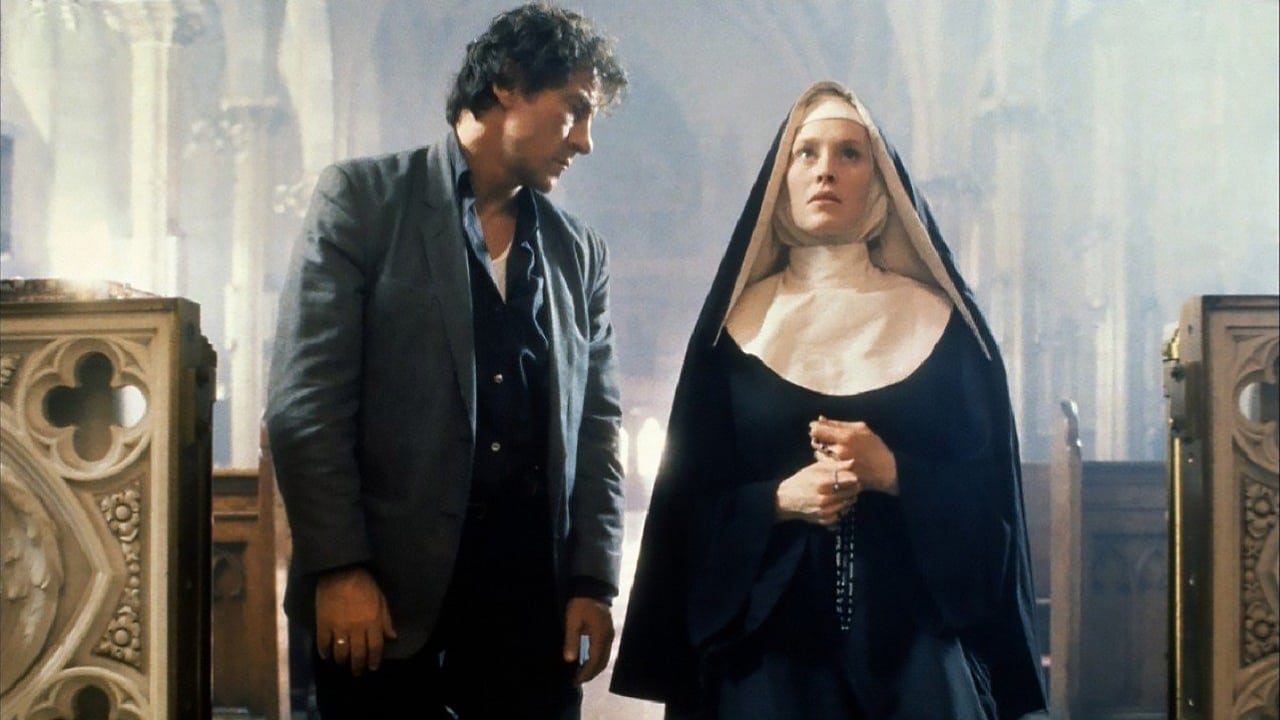
The film orbits an unnamed police lieutenant in New York City, portrayed with a terrifying, almost inhuman commitment by Harvey Keitel. He’s not just flawed; he's shattered, drowning in a sea of crack cocaine, heroin, gambling debts, and casual corruption. His world is a grimy tapestry of desperation, punctuated by the exploitation of his position for petty fixes and fleeting power trips. When a young nun is brutally raped in a Harlem church by two young men, the case lands on his desk, forcing this utterly profane man into the orbit of the sacred. It’s a collision that doesn’t promise redemption so much as it forces a confrontation with the very concepts of sin, faith, and forgiveness – concepts he seems pathologically incapable of processing.
A Towering, Terrible Performance

Let’s be clear: Harvey Keitel’s performance here is monumental. It’s excruciating, fearless, and utterly devoid of vanity. Fresh off memorable turns in films like Reservoir Dogs (1992) and having long established his credentials working with giants like Martin Scorsese (Mean Streets, Taxi Driver), Keitel dives headfirst into the Lieutenant’s squalor. There are scenes – the infamous breakdown in the car, the harrowing moments of drug use, the casual depravity – that are simply unforgettable, etched into the annals of brave, boundary-pushing acting. Reportedly, much of Keitel's dialogue and actions were improvised, born from intense collaboration with Ferrara and a deep immersion in the character's psyche. He doesn't just play the Lieutenant; he inhabits his brokenness, making us witness to a soul actively corroding. It’s not pleasant viewing, but the sheer force of his authenticity is undeniable. You understand why this performance is legendary, even as you recoil from the character himself.
Ferrara's Gaze, Lund's Pen
Director Abel Ferrara, already known for his gritty urban landscapes in films like King of New York (1990), employs a style that feels almost documentary-like in its immediacy. The camera doesn’t flinch, capturing the ugliness and desperation of the city and its inhabitants with stark realism. This raw aesthetic was undoubtedly aided by the film's relatively meager budget (around $1.5 million), forcing a reliance on location shooting and a stripped-down approach that perfectly mirrors the Lieutenant's own raw state.


Crucially, the screenplay, co-written by Ferrara and the late Zoë Lund (who also delivers a haunting performance as the Lieutenant's drug connection), doesn't offer easy answers. Lund, who battled her own addictions, brought a painful authenticity to the exploration of despair and the faint, flickering possibility of grace. The film wrestles with profound theological questions – the nature of forgiveness, the meaning of suffering, the possibility of redemption for the truly damned – but refuses simplistic resolutions. The depiction of the nun, who insists on forgiving her attackers, stands in stark, almost unbearable contrast to the Lieutenant's own cycle of sin and rage. What does it mean to forgive the unforgivable? The film forces us to sit with that discomfort.
Retro Fun Facts: Controversy and Commitment
Bad Lieutenant wasn't just a film; it was a lightning rod. Its unflinching depictions of drug use, nudity (including full-frontal Keitel), and violence earned it the dreaded NC-17 rating from the MPAA, severely limiting its theatrical release and cementing its notoriety. Ferrara, never one to shy away from confrontation, was reportedly defiant. The film's initial reception was divisive, shocking critics and audiences alike, though its power and Keitel's performance earned significant acclaim amidst the controversy. Its $2 million US box office take didn’t set the world alight, but its cult status was immediate and enduring. It’s a quintessential example of a film whose reputation grew exponentially in the home video market – a tape passed around, spoken of in hushed tones. For clarity's sake, this film bears no relation to the 2009 Werner Herzog film Bad Lieutenant: Port of Call New Orleans, starring Nicolas Cage, beyond the shared concept of a corrupt cop.
A Descent Worth Taking?
Rewatching Bad Lieutenant isn’t about nostalgia in the warm, fuzzy sense. It’s about remembering a time when certain films felt genuinely dangerous, when they could push boundaries and leave you shaken. It’s a film that crawls under your skin and stays there, prompting uncomfortable questions about the darkness that resides within humanity and the desperate, often paradoxical search for something beyond it. The atmosphere is suffocating, the central performance is harrowing, and the themes are profound and deeply unsettling. It's not an easy watch, nor should it be.

Rating: 9/10
This score reflects the film's sheer artistic audacity, its uncompromising vision, and Harvey Keitel's towering, fearless performance. It's a near-perfect execution of a brutal and challenging concept. The point deduction acknowledges that its extreme nature makes it inaccessible and potentially repellent for some viewers – it achieves its goals almost too well.
Bad Lieutenant remains a brutal masterpiece of 90s independent cinema, a film that stares unflinchingly into the abyss and dares you to look away. What lingers most isn't the shock value, but the aching, desperate humanity buried deep beneath the grime and degradation – a troubling reminder of the battles waged within the human soul.