Before the bittersweet road trips of Sideways (2004) or the nuanced family dynamics of The Descendants (2011), director Alexander Payne, alongside co-writer Jim Taylor, burst onto the scene not with a gentle character study, but with a spray can and a lighter. Citizen Ruth (1996) arrived on video store shelves feeling less like an indie darling and more like a piece of cinematic provocation, a film that dared to wade into one of America’s most divisive issues with the subtlety of, well, its perpetually paint-huffing protagonist. I recall renting this one, perhaps expecting something earnest or dramatic based on the subject matter, and being absolutely floored by its caustic wit and refusal to take sides, or rather, its gleeful skewering of all sides.

### Meet Ruth Stoops
At the heart of this maelstrom is Ruth Stoops, brought to life with astonishing, unvarnished commitment by Laura Dern. Fresh off the blockbuster success of Jurassic Park (1993), Dern’s choice here feels incredibly bold. Ruth is no hero, no victim easily packaged for sympathy. She’s abrasive, irresponsible, perpetually high on household inhalants, and pregnant for the fifth time. When a judge, weary of her repeated offenses, offers her a reduced sentence if she terminates the pregnancy, Ruth suddenly becomes the most valuable commodity in Omaha, Nebraska. Dern doesn’t shy away from Ruth’s unpleasantness; she dives headfirst into the grubby reality of addiction and desperation. There’s a physicality to her performance – the slack jaw, the vacant stare suddenly sharpened by cunning self-interest – that is both hilarious and deeply uncomfortable. It’s a performance devoid of vanity, one that forces us to confront a character who is almost entirely defined by her needs and impulses.
### A Pawn in the Culture Wars
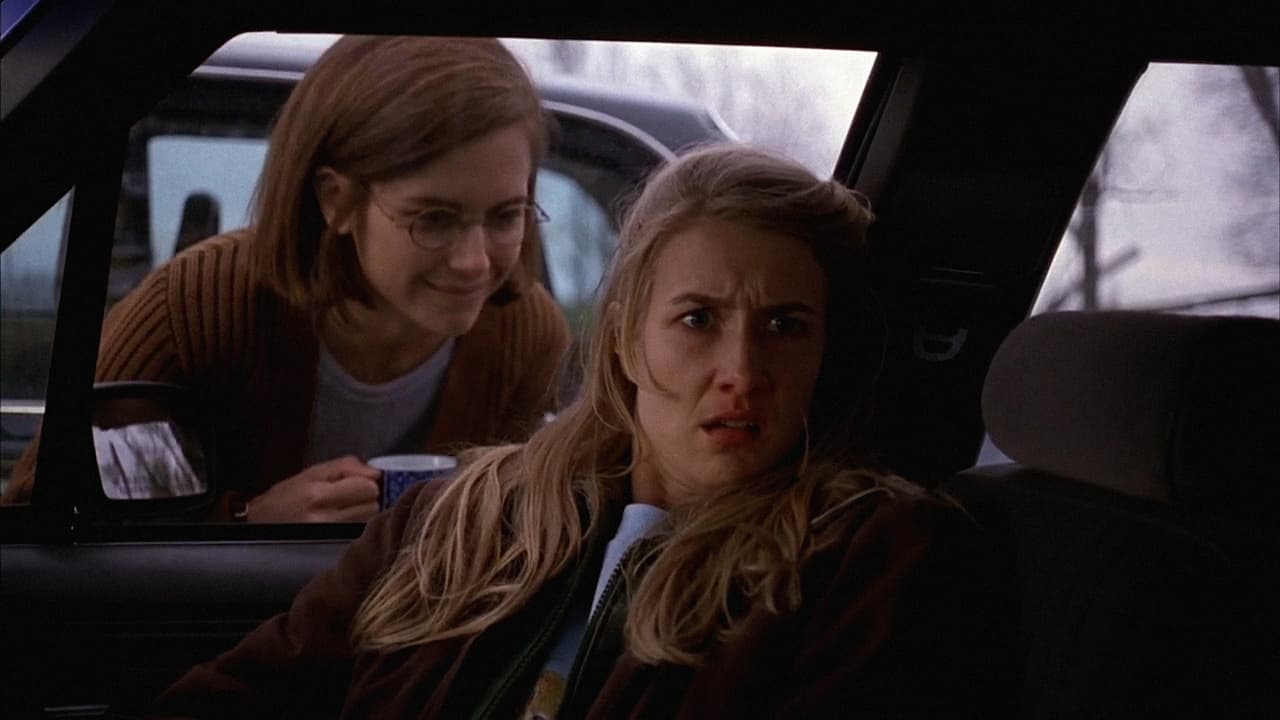
What unfolds is a savage satire of the abortion debate, where Ruth becomes a human battleground for two wildly opposing factions. On one side, we have the earnest, slightly smothering pro-life couple, Gail and Norm Stoney (played with pitch-perfect passive aggression by Swoosie Kurtz and a wonderfully uptight Kurtwood Smith, forever etched in our minds as Red Forman from That '70s Show). They take Ruth in, hoping to save her soul and her baby, plying her with Christian rock and suffocating kindness. On the other side, the militant, somewhat naive pro-choice activists, led by Diane (a sharp Mary Kay Place) and Rachel (Kelly Preston), see Ruth as a symbol of reproductive freedom, albeit one they need to keep away from the hardware store paint aisle.
Payne and Taylor masterfully orchestrate the escalating absurdity. Neither side truly sees Ruth; they see a cause, a symbol, a pawn in their ideological game. The film brilliantly exposes the hypocrisy and opportunism lurking beneath the surface of fervent belief. Ruth, meanwhile, navigates this chaos with a bewildered, self-serving pragmatism. Her allegiance shifts based on who offers the better immediate deal, highlighting the often-overlooked reality that for someone trapped in poverty and addiction, abstract principles mean little compared to immediate needs. Remember the bidding war that eventually erupts for Ruth's... well, for her decision? It’s breathtakingly cynical and darkly funny.
### Payne's Provocative Debut
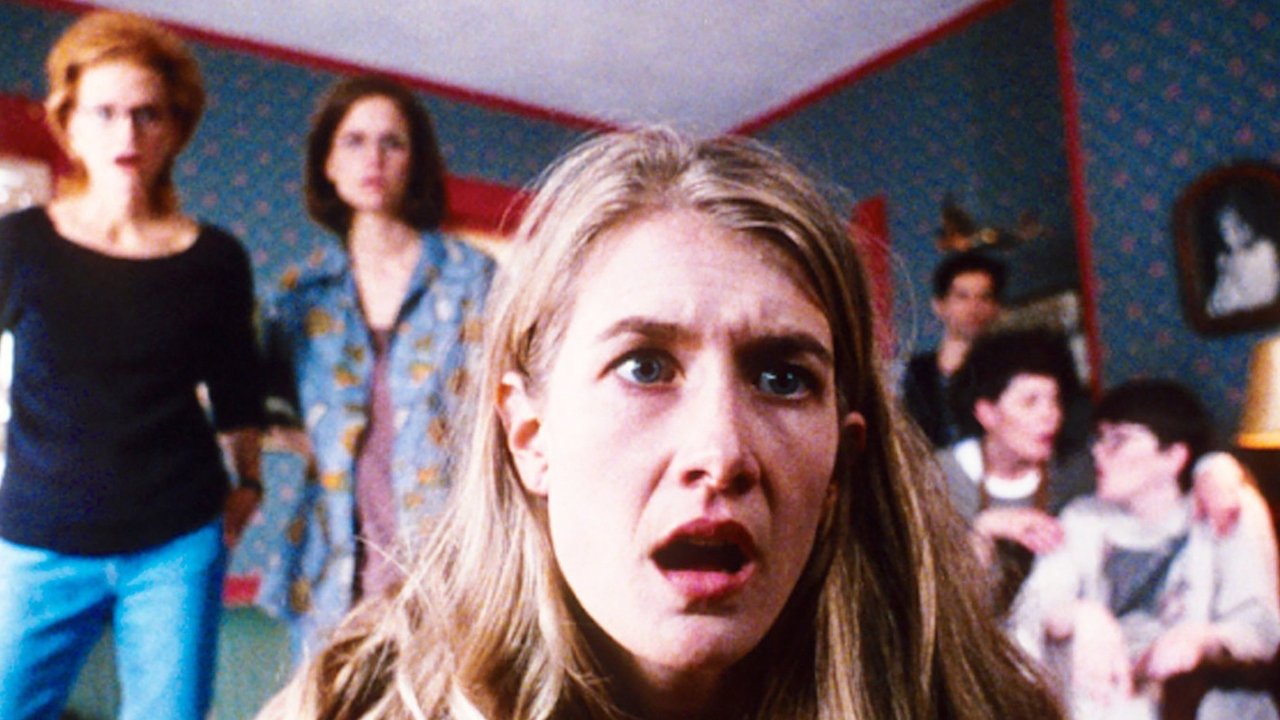
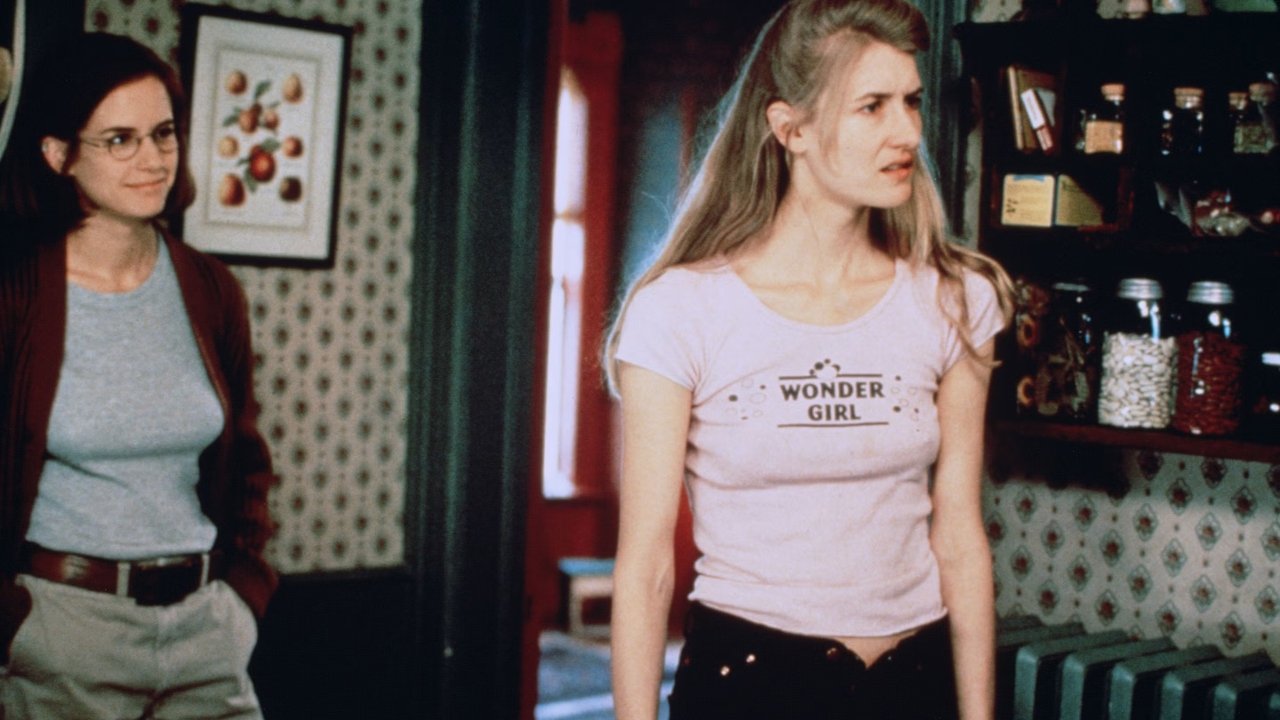
Shot on location in Payne’s hometown of Omaha, there’s a grounded, almost drab realism to the film’s setting that counterpoints the escalating media circus. This wasn't a glossy Hollywood production; it felt raw and immediate, perfectly suited for the grainy intimacy of VHS. It's fascinating to know this was Payne and Taylor's first produced screenplay, written while Payne was still at UCLA Film School. Its journey wasn't easy; Miramax initially backed the project but reportedly dropped it due to the controversial subject matter, fearing protests. Independent Pictures bravely stepped in, funding the roughly $2.5 million budget. While not a box office smash (grossing under $300,000 domestically), its daring approach certainly announced Payne as a unique voice. Even Burt Reynolds makes a memorable, slightly sleazy appearance as Blaine Gibbons, the head of the "Baby Savers," adding another layer to the strange tapestry.
The film refuses easy answers or comfortable resolutions. It doesn't preach; it provokes. It forces us to question the motivations behind activism, the way media shapes narratives, and how easily individuals can be dehumanized when they become symbols. Doesn't Ruth's predicament, being pulled between extremes who barely acknowledge her humanity, echo in countless public debates even today?
### The Uncomfortable Truth Lingers
Citizen Ruth isn't always an easy watch. Its humor is black as tar, and its protagonist deliberately challenging. Yet, it remains a vital piece of 90s independent cinema – fearless, intelligent, and wickedly funny. It’s a film that stays with you, prompting uncomfortable laughter and even more uncomfortable questions about the circus of modern American life. Revisiting it now, it feels just as relevant, maybe even more so, in our increasingly polarized landscape.
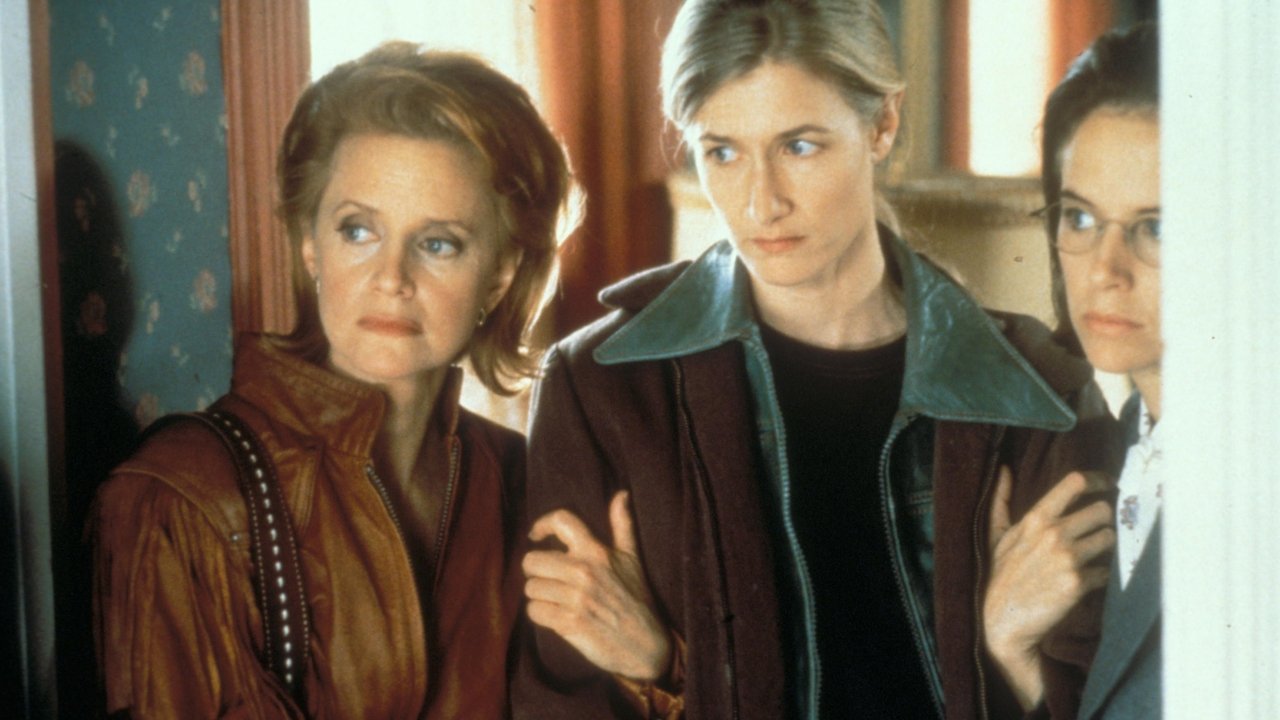
Rating: 8.5/10
Justification: The score reflects the film's brilliant, biting satire, Alexander Payne's confident directorial debut, and Laura Dern's absolutely fearless, transformative performance. The sharp writing and unflinching look at ideological exploitation are masterful. It loses a point or so perhaps only because its abrasive nature and challenging protagonist won't connect with everyone, but as a piece of daring, intelligent filmmaking, it's exceptional.
Final Thought: Long after the tape rewinds, you're left pondering not just the issues, but the sheer, uncomfortable humanity (or lack thereof) on display – and wondering who, if anyone, truly cared about Ruth Stoops.