Okay, rewind your minds back to the late 90s. The glow of the CRT, the hum of the VCR, the glorious wall of possibilities down at the local video store. Amidst the action heroes and slasher flicks, you might have stumbled upon a curious box featuring Eddie Murphy, looking unusually serene, alongside a typically intense Jeff Goldblum. That tape, my friends, was Holy Man (1998), a film that feels less like a typical Murphy vehicle and more like a quirky, slightly awkward detour down a side road paved with good intentions and questionable beige outfits. It wasn't the laugh riot some expected, but pulling this tape off the shelf often led to a surprisingly contemplative, if occasionally baffling, evening.

### The Prophet Motive
The premise itself is pure late-90s zeitgeist: Ricky Hayman (Jeff Goldblum, vibrating with his signature neurotic energy) and Kate Newell (Kelly Preston, radiating warmth and common sense) are executives at the struggling Good Buy Shopping Network. Their jobs are on the line, their ratings are tanking, and hope seems lost until their car breaks down and they encounter G (Eddie Murphy), a wandering, white-robed enigma spouting wisdom and radiating calm. In a desperate, possibly career-ending move, Ricky puts G on the air. The twist? G isn't selling products in the traditional sense; he's using them as props for life lessons. And somehow, miraculously, sales skyrocket.
It’s a setup ripe for satire, aiming its sights squarely at the burgeoning consumer culture and the commodification of just about everything, including spirituality. Interestingly, the seed for this story came much earlier; writer Tom Schulman (who penned the fantastic Dead Poets Society (1989)) reportedly conceived the idea way back in the early 80s, inspired by the controversial seminar leader Werner Erhard. Seeing it finally realized in the booming economy of the late 90s gives it a specific, perhaps slightly less biting, flavour than it might have had a decade earlier.

### G Force vs Goldblum Mania
The film really hinges on the dynamic between its leads. Jeff Goldblum is, well, peak Goldblum. All nervous energy, wide-eyed panic, and rapid-fire delivery, Ricky Hayman feels like a character Goldblum could play in his sleep, yet he invests him with enough desperation to make his outlandish decisions almost understandable. He’s the frantic engine driving the plot forward, a perfect counterpoint to Murphy’s unexpected performance.
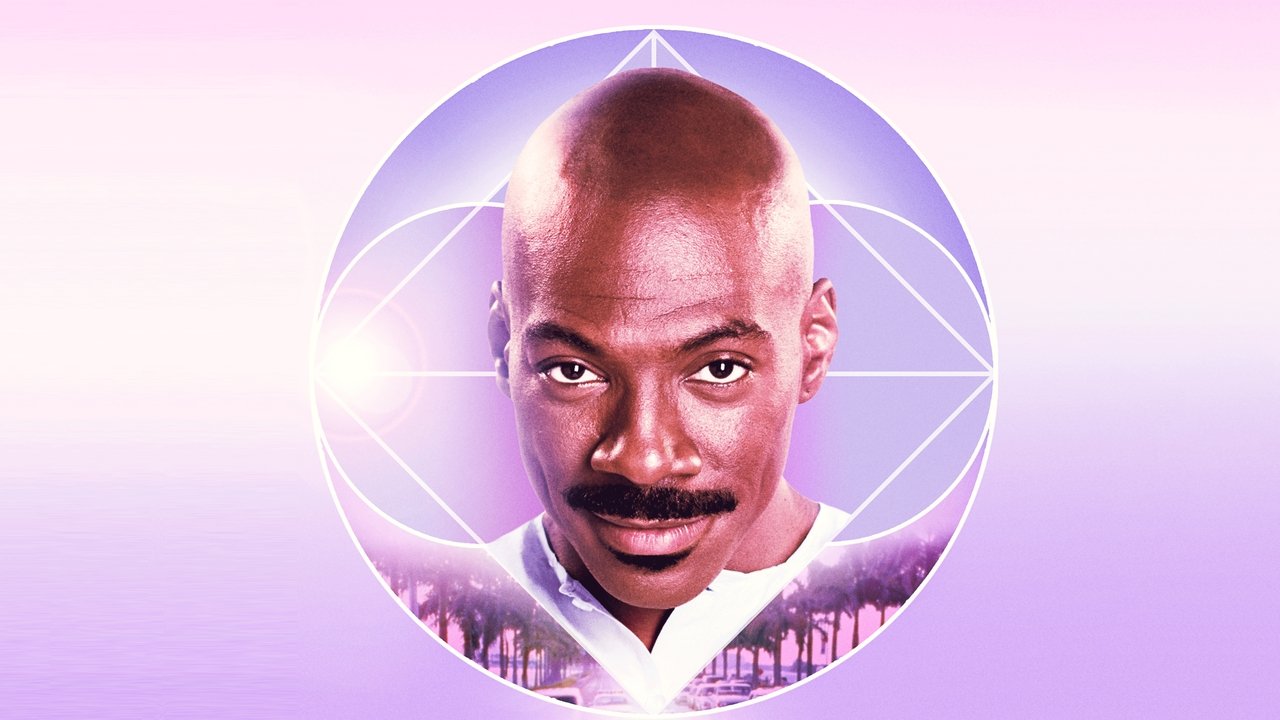
Because this isn’t Axel Foley or Reggie Hammond. Eddie Murphy as G is remarkably restrained, calm, almost ethereal. Gone are the machine-gun laughs and frantic improvisations. Instead, we get gentle smiles, quiet pronouncements, and a surprising amount of contemplative silence. It's a fascinating choice, and reportedly one Murphy actively sought, even taking a significant pay cut for the role, hoping to stretch beyond his usual comedic persona. Does it entirely work? That's debatable. G often feels more like a symbol than a fully fleshed-out character, his wisdom sometimes bordering on simplistic platitudes. Yet, there’s something compelling about seeing Murphy dial it way down, inhabiting this peaceful presence amidst the chaos of the shopping network, filmed largely on location in sunny Miami.

The late Kelly Preston provides the necessary grounding. As Kate, she’s the audience surrogate, initially skeptical but gradually won over by G's sincerity while simultaneously wary of Ricky's exploitative tendencies. She navigates the tricky space between the film's satirical edge and its earnest heart, often serving as its moral compass.
### Selling Spirituality, 90s Style
Director Stephen Herek, known for navigating vastly different tones in films like Bill & Ted's Excellent Adventure (1989) and the heartfelt Mr. Holland's Opus (1995), tries to balance the comedy, satire, and sentiment here. The look of the film perfectly captures that late-90s aesthetic – the bright, slightly sterile environment of the TV studio, the questionable fashion choices (so much beige!), the bulky electronics. It feels tangible, like you could step right onto that set. There are no CGI spaceships here, just the very "practical effect" of a shopping network studio buzzing with manufactured excitement, a feeling many of us remember from flicking through channels late at night.
The satire, while present, feels somewhat gentle, maybe even hesitant. It pokes fun at consumerism but ultimately pulls its punches, opting for a more feel-good resolution. Remember those segments where G would use a toaster to talk about inner warmth, or a fancy watch to discuss the preciousness of time? It was absurd, yes, but also strangely... earnest? The film never quite decides if it wants to be a sharp critique or a heartwarming tale about finding meaning in unexpected places.
### The Bottom Line on the Good Buy
Holy Man landed with a bit of a thud back in '98. Critics were largely unkind, and audiences, perhaps expecting a more traditional Murphy comedy, didn't flock to theaters – it barely recouped its estimated $40 million budget at the domestic box office. It became one of those curiosities you’d find nestled in the "Comedy" section of the video store, maybe renting it out of sheer curiosity about Murphy's different approach.
Watching it now, through the fuzzy lens of nostalgia, it’s an odd but not unlikeable film. It’s undeniably a product of its time, from the specific cultural targets to the earnest, sometimes saccharine tone. The pacing can feel a bit uneven, and the central message gets a little muddled. But there’s a certain charm to its ambition, to Murphy’s brave departure from his usual schtick, and Goldblum’s relentless energy.

Rating: 5.5 / 10
Justification: While ambitious and featuring committed performances (especially Murphy's unusual turn and Goldblum's reliable energy), the film's satire feels underdeveloped, and its blend of comedy and sentiment doesn't always gel. It's a fascinating artifact of late-90s filmmaking and a curious footnote in Murphy's career, but ultimately falls short of its potential. The core idea is stronger than the execution.
Final Thought: Holy Man is like finding a self-help book tucked inside a catalogue – a well-meaning but slightly confused attempt to sell enlightenment, best appreciated now as a quirky time capsule from the racks of VHS Heaven.