Screwed in Tallinn: A Small Film About Loneliness
There's a particular flavour of late-90s weariness, a kind of grey drizzle settling over hopeful ventures, that few films capture quite like Screwed in Tallinn (original title: Torsk på Tallinn). Released in 1999, right as the VHS era was beginning its slow fade, this Swedish mockumentary lands not with a bang, but with the shuffling unease of men out of time and out of luck. It wasn't a blockbuster you grabbed excitedly from the New Releases wall; it was more likely the kind of quirky import you might discover tucked away in the World Cinema section, promising something… different. And different it certainly is.
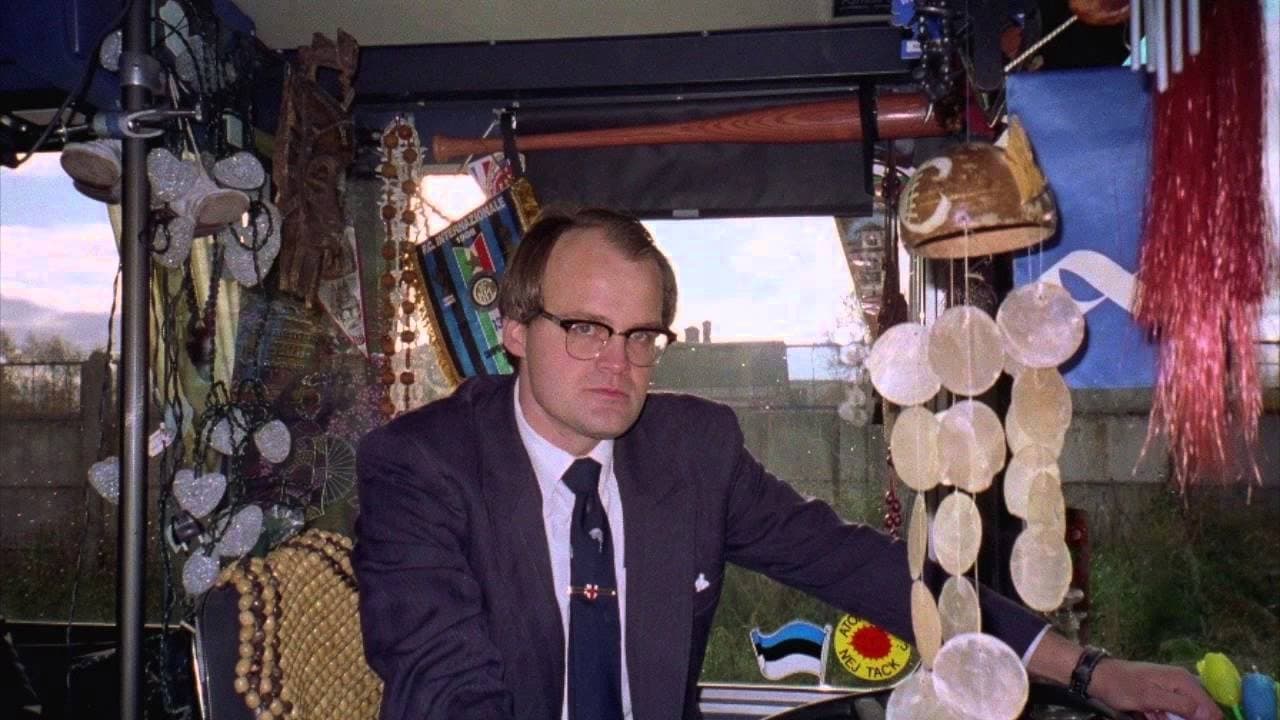
The Loneliest Bus Ride
The premise, orchestrated by the sharp minds of the Swedish comedy collective "Killinggänget" (including Robert Gustafsson, Jonas Inde, Andres Lokko, Martin Luuk, Johan Rheborg, and Henrik Schyffert, who also star), is deceptively simple, yet ripe for tragicomedy. We follow a disparate group of profoundly lonely Swedish men embarking on a weekend bus trip to Tallinn, Estonia. Their mission, organised by a shambolically optimistic travel operator (one of several roles inhabited with unsettling realism by the chameleon-like Robert Gustafsson), is to find wives. What unfolds is less a heartwarming quest for love and more an excruciatingly funny, deeply melancholic observation of human awkwardness and quiet desperation.
Directed by a then-lesser-known Tomas Alfredson, who would later chill audiences worldwide with Let the Right One In (2008) and the intricate espionage of Tinker Tailor Soldier Spy (2011), Screwed in Tallinn showcases an early mastery of atmosphere. Forget the polished gloom of his later work; here, Alfredson embraces a deliberately drab, handheld aesthetic that perfectly mirrors the characters' unvarnished lives. The grainy visuals, the unflattering lighting in ferry cafeterias and hotel bars – it all feels unnervingly real, blurring the line between fiction and fly-on-the-wall documentary. This wasn't just a stylistic choice; the film was originally produced for Swedish television (SVT), inheriting a certain low-budget immediacy that becomes one of its greatest strengths.
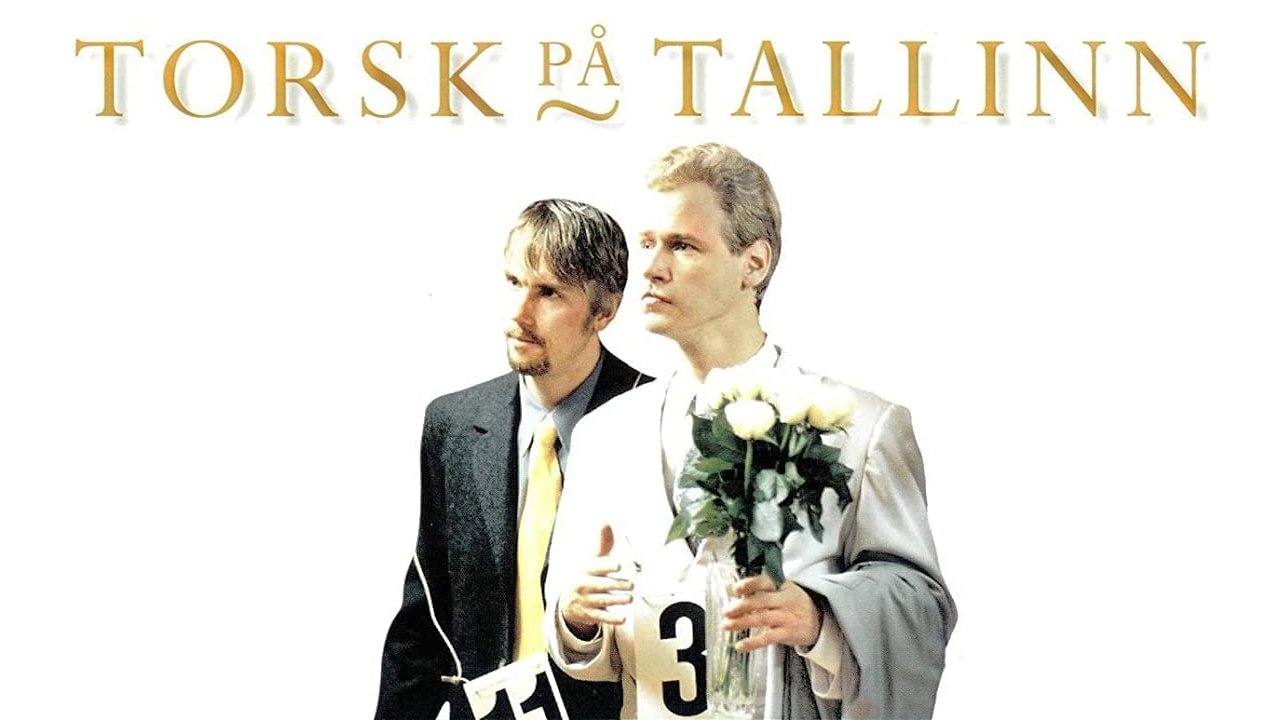
Comedy Born of Pain
The humour in Screwed in Tallinn isn't found in witty punchlines or slapstick. It arises from the painful recognition of social ineptitude, the fumbling attempts at connection, and the crushing weight of expectation. The members of Killinggänget, veterans of satirical sketch comedy, excel at portraying characters who are simultaneously absurd and heartbreakingly believable. Robert Gustafsson is particularly brilliant, embodying not just the tragically optimistic organiser Percy Nilegård, but also several of the lonely hearts club members, including the impossibly shy Roland Järverup trying to impress with his knowledge of particle board. Johan Rheborg as the perpetually uncomfortable Micke and Henrik Schyffert as the slightly sleazy Lennart contribute equally vital shades to this tapestry of male vulnerability.
Their performances are a masterclass in inhabiting awkwardness. It’s in the hesitant sips of beer, the darting eyes avoiding contact, the painfully stilted conversations with potential Estonian partners. Much of the dialogue feels improvised, born from the actors deeply understanding these archetypes of Swedish masculine anxiety. What makes it resonate, even decades later, is its refusal to simply mock. There's an underlying empathy, a sense that the filmmakers understand the profound loneliness driving these men, even as they expose their flaws and failures with brutal honesty. It forces us to ask: how much of their fumbling is unique, and how much reflects a universal struggle to connect?
Behind the Baltic Grey
Understanding the film's genesis within the Killinggänget context is key. Their humour often mined the uncomfortable, the pathetic, and the tragically mundane aspects of Swedish life. Torsk på Tallinn – the original title literally translating to "Cod in Tallinn," a Swedish slang term for being unlucky in love or getting stood up – perfectly encapsulates this sensibility. The film was shot on location, capturing the specific atmosphere of Tallinn in the late 90s, a city itself in transition, providing a fitting backdrop for characters adrift. There are no flashy effects here; the most impactful 'special effect' is the crushing authenticity of the performances and the environment. The drabness isn't lazy filmmaking; it's a deliberate thematic choice.
One fascinating detail is how Gustafsson managed his multiple roles. It wasn't just quick changes; it involved subtle shifts in posture, voice, and energy that made each character distinct yet part of the same melancholic universe. This commitment to character work, even within a comedic framework, elevates the film beyond simple parody. It’s a study in quiet desperation, punctuated by moments of laughter that catch in your throat.
A Lingering Chill
Watching Screwed in Tallinn today evokes a strange kind of nostalgia – not just for the era, but for a type of filmmaking that felt raw and unfiltered. It’s a time capsule of late-90s anxieties, pre-internet dating saturation, when a bleak bus trip across the Baltic seemed like a viable, if deeply flawed, path to companionship. The film doesn't offer easy answers or heartwarming resolutions. Its power lies in its unflinching gaze at loneliness and the often-comical, sometimes-tragic ways people try to escape it. Does it still feel relevant? Perhaps more than ever, in an age promising endless connection yet often leaving individuals feeling more isolated.
Rating: 8/10
Screwed in Tallinn earns an 8 not for being a crowd-pleasing romp, but for its masterful execution of a unique vision. The mockumentary format is handled perfectly, the performances are painfully authentic, and the blend of cringe comedy and genuine pathos is unforgettable. Tomas Alfredson's direction establishes a palpable mood, and the Killinggänget script finds profound humanity in the mundane and the awkward. It’s a film that requires patience and perhaps a certain tolerance for discomfort, but its insights into loneliness and the fumbling search for connection are sharp, funny, and ultimately deeply moving. It might not be the tape you'd reach for every Friday night, but its stark honesty and awkward charm leave a surprisingly lasting impression. It’s a quiet little film that speaks volumes about the things we rarely say aloud.