Okay, pull up a chair, maybe grab something stronger than soda for this one. Some films nestle comfortably into memory, easy companions on a rainy afternoon. Others? Others lodge themselves under your skin, demanding attention, poking at uncomfortable truths long after the static hiss of the VCR fades. Spike Lee's Bamboozled (2000) is definitively one of the latter. It arrived right at the cusp of the new millennium, technically just past our usual 80s/90s stomping grounds here at VHS Heaven, but its raw energy, its confrontational spirit, and its release during the twilight of the mainstream video store era make it feel essential to the conversation. This isn't background noise; it's a film that grabs you by the collar.
### A Premise That Burns
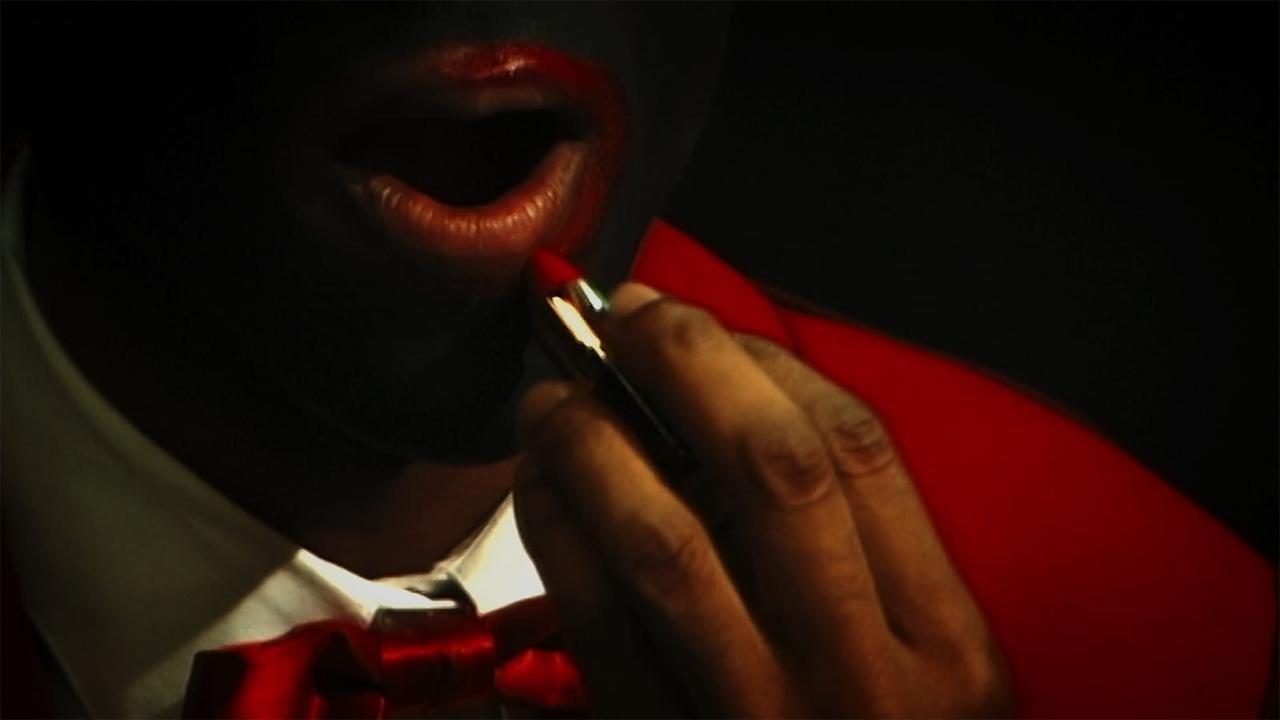
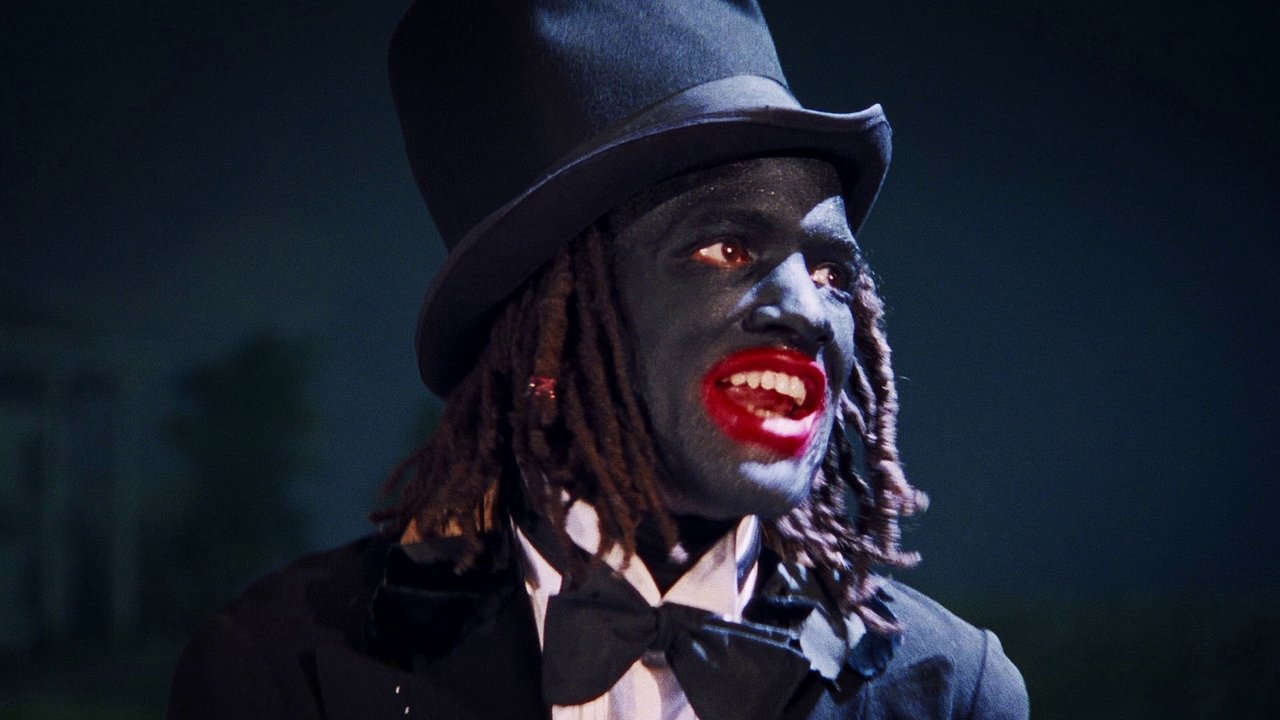
What if the most offensive idea imaginable became the biggest hit on television? That's the corrosive question at the heart of Bamboozled. Damon Wayans, stepping far outside his In Living Color comedic persona, plays Pierre Delacroix, a frustrated, Harvard-educated television writer working for a network that traffics in stereotypes. His solution to escape his contract? Pitch a show so outrageously racist, so deeply steeped in the horrifying history of blackface minstrelsy, that he'll surely be fired. He recruits two talented street performers, Manray (Savion Glover, the tap prodigy) and Womack (Tommy Davidson), dubs them Mantan and Sleep 'n Eat, puts them in literal blackface, and launches "Mantan: The New Millennium Minstrel Show." The devastating irony? America loves it.
### Look Closer: The Medium is the Message
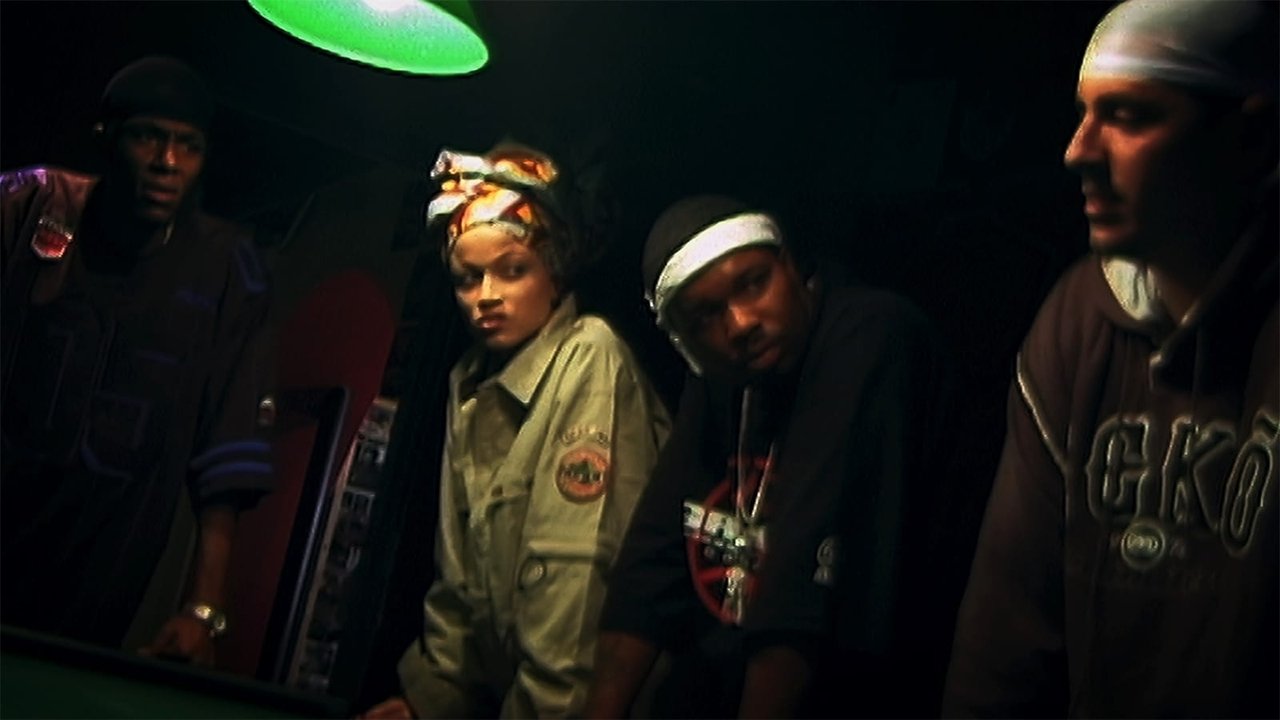
Right away, you notice something different about how Bamboozled looks. Spike Lee, never one to shy away from bold stylistic choices (think Do the Right Thing's (1989) vibrant heat or Malcolm X's (1992) epic sweep), made a deliberate, and initially controversial, decision here. Much of the film is shot on consumer-grade MiniDV digital video. It looks raw, immediate, almost like a documentary or home movie at times. This contrasts sharply, jarringly, with the segments of the "Mantan" show itself, which Lee shot on lush, saturated 16mm film.
Why do this? It’s a stroke of uncomfortable genius. The grainy DV footage underscores the mundane reality, the behind-the-scenes machinations and moral compromises happening in drab network offices and apartments. The slick film presentation of the minstrel show highlights how easily palatable, how dangerously slick and entertaining, the most toxic imagery can become when packaged professionally. It forces us to confront the artifice, the way media can literally gloss over ugliness. This technique wasn't just aesthetic; Lee reportedly utilized around 10 MiniDV cameras simultaneously for some scenes, capturing multiple angles quickly, fitting the film's relatively modest $10 million budget – a significant portion of which Lee contributed himself after struggling to secure full studio backing for such incendiary material.
### Performances Forged in Discomfort


The cast navigates this treacherous terrain with remarkable commitment. Wayans delivers a career-redefining performance as Delacroix. He’s not just a satirical figure; there’s a palpable desperation, a self-loathing disguised as intellectual superiority, and ultimately, a tragic descent. His carefully constructed accent and mannerisms feel like armor against a world he both detests and desperately wants validation from.
Savion Glover and Tommy Davidson are electrifying as the performers caught in the eye of the storm. Glover’s tap dancing is, as always, astonishing, but here it’s weaponized, reclaiming an art form often associated with minstrelsy while simultaneously embodying its historical chains. Davidson brings a simmering resentment and eventual explosion that feels painfully authentic. And Jada Pinkett Smith as Sloan Hopkins, Delacroix's assistant and the film's moral compass, provides a vital counterpoint, her journey from ambition to horrified realization grounding the satire in human consequence. Even Michael Rapaport as the network executive, Thomas Dunwitty – the white guy who insists he's "blacker" than Delacroix – perfectly embodies a specific, infuriating brand of clueless privilege.
### Satire Sharpened to a Point
Is Bamboozled subtle? Absolutely not. Lee isn't aiming for gentle nudges; he's wielding a sledgehammer against the history and persistence of racist caricature in American media. The film directly confronts the legacy of performers like Stepin Fetchit and Mantan Moreland, forcing viewers to reckon with deeply uncomfortable imagery. It’s a furious indictment not just of historical sins, but of contemporary complacency, audience appetite for simplified narratives, and the ways Black artists and executives can become complicit in perpetuating harmful tropes, sometimes out of cynicism, sometimes out of a misguided attempt to reclaim them. Remember finding this tape on the shelf back then, maybe tucked between more conventional comedies or dramas? The cover art alone was a jolt, a promise of something far more challenging than your typical Friday night rental.
The film wasn't universally embraced upon release; its confrontational nature and raw style proved divisive (though esteemed critic Roger Ebert was a staunch champion, awarding it four stars). Its box office was meager, recouping only about $2.5 million of its budget. Lee has spoken about his motivation, partly fueled by his frustration with stereotypical representations he saw persisting on networks like UPN at the time, wanting to trace that lineage back to its minstrel roots. The devastating closing montage, featuring a catalogue of deeply disturbing racist memorabilia from American history – much of it reportedly from Lee's own personal collection – leaves no room for ambiguity. It’s a history lesson delivered with blunt force trauma.
### Still Provoking, Still Necessary
Watching Bamboozled today, its power hasn't diminished. If anything, in an era wrestling with representation, cancel culture, and the insidious ways stereotypes continue to echo online and off, it feels disturbingly prescient. It asks questions that remain urgent: Who gets to control the narrative? What is the cost of participation in a problematic system? How does historical trauma manifest in the present? Doesn't the insatiable hunger for viral content, regardless of its substance or impact, echo the film's central conflict?
This isn't an easy watch. It’s designed to make you squirm, to make you angry, to make you think. It’s a film that demands engagement, discussion, and introspection. It might not be the tape you reached for every weekend, but its presence on the shelf was a stark reminder of cinema's power to provoke and challenge, not just entertain.
Rating: 9/10
This rating reflects the film's sheer audacity, its unflinching critique, the strength of its central performances, and Lee's purposeful, if abrasive, visual strategy. It's a difficult masterpiece, deliberately lacking polish in places to underscore its raw message. Its flaws – perhaps a heavy-handed moment here or there – are eclipsed by its importance and searing insight. Bamboozled doesn’t just hold a mirror up to society; it shatters it, forcing us to examine the jagged pieces left behind. A vital, unsettling transmission from the turn of the century that still resonates with uncomfortable truth.