Alright, pull up a beanbag chair and adjust the tracking on that mental VCR, because we're diving into a slice of early 90s anime action that felt like pure, uncut energy beamed directly into our eyeballs: Dragon Ball Z: Lord Slug (1991). Forget crystal-clear streaming for a moment. Picture this: finding that slightly worn VHS tape, maybe with a fan-sub label scrawled on it, promising another feature-length dose of Saiyan fury outside the weekly episode grind. The anticipation was electric.
### That Ominous Chill Before the Storm
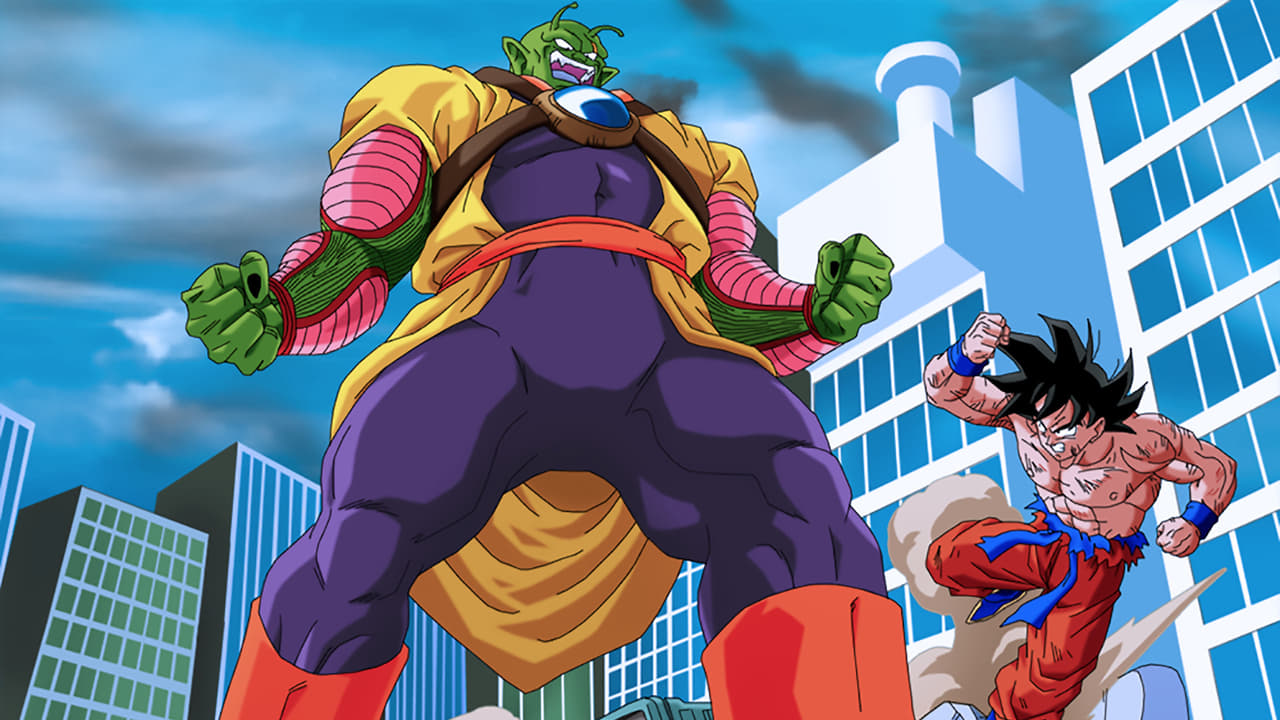
Unlike some of the sunnier DBZ adventures, Lord Slug kicks off with a palpable sense of dread. An enormous planetoid, looking like a rogue chunk of cosmic ice and doom, is hurtling towards Earth. The initial scenes, depicting global panic and impending freeze, felt genuinely weighty back then. It wasn't just another bad guy showing up; it felt like nature itself, twisted and weaponized, was the threat. This darker opening gambit immediately set it apart. And who’s steering this celestial menace? Lord Slug, a Namekian relic from a bygone era, obsessed with regaining his youth and turning Earth into his personal frozen transport. Remember how mind-blowing the Namekian reveal was in the main series? Seeing another, decidedly evil, one here, especially before the Frieza saga had fully played out on many TV screens, added a layer of twisted intrigue. This was Takao Koyama, the prolific writer behind many of these DBZ movies, doing what he did best: remixing established lore into exciting, non-canon "what if" scenarios.
### Hand-Drawn Havoc
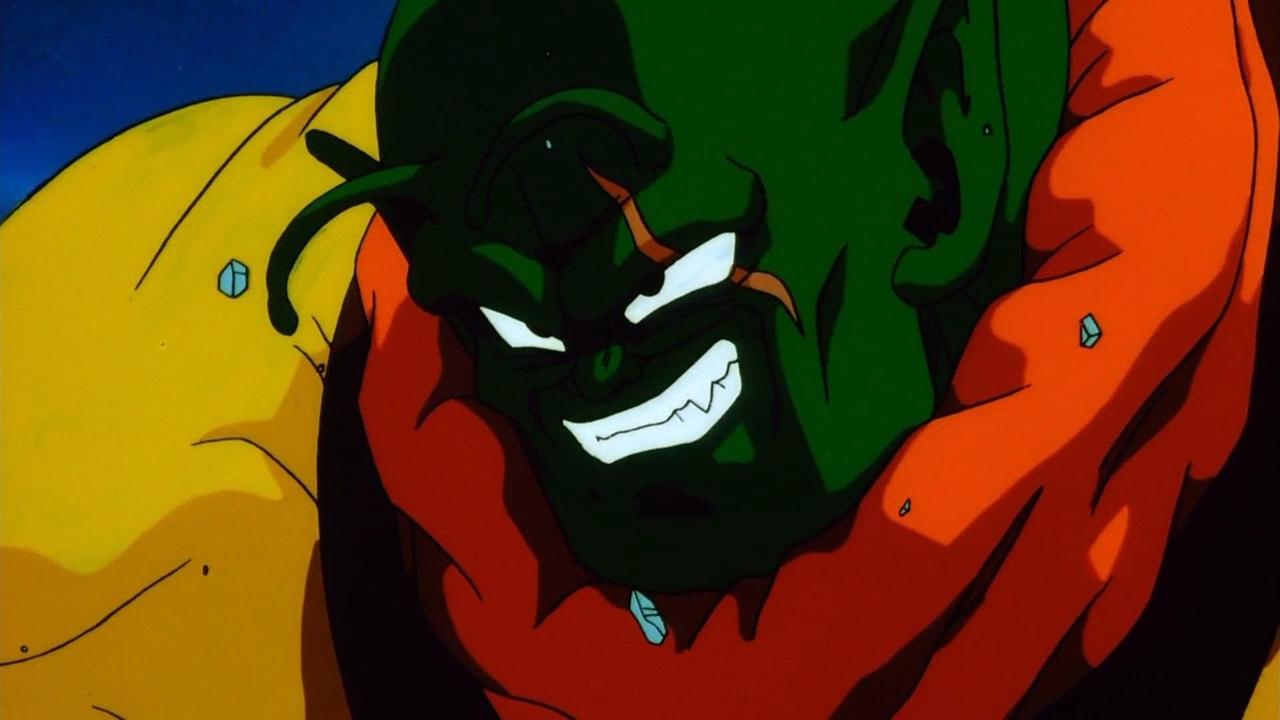
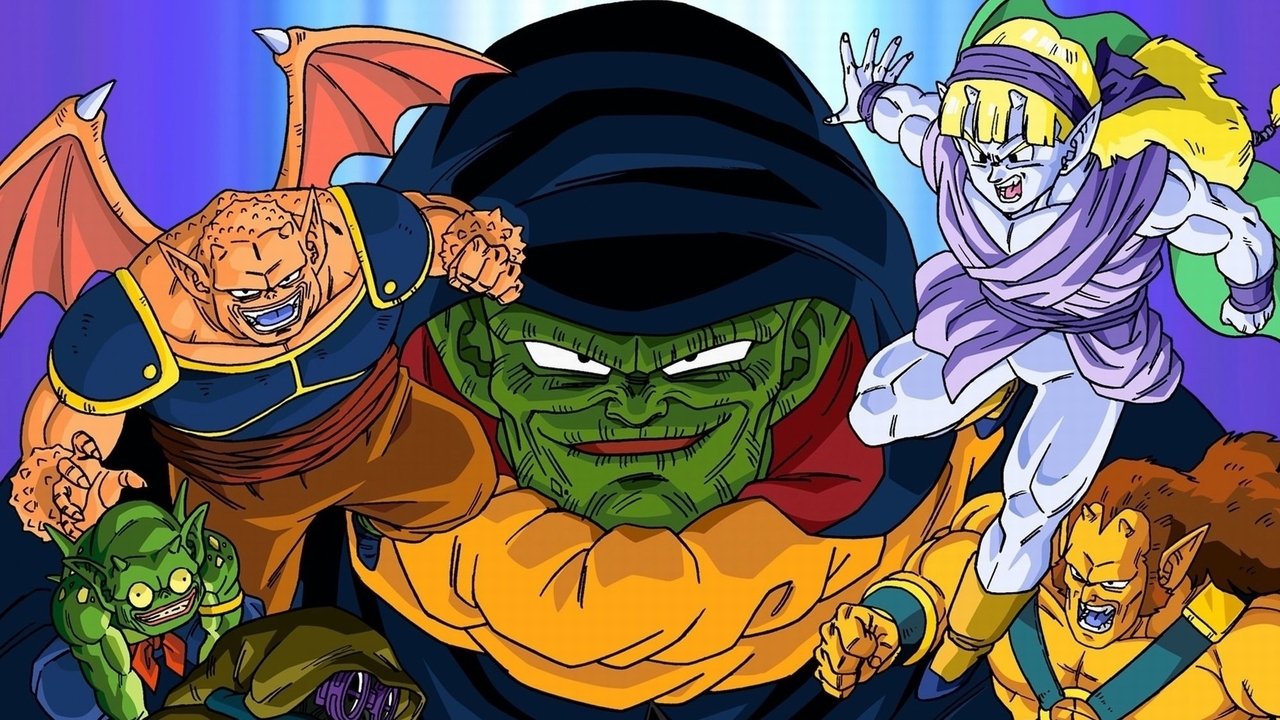
Let's talk action, because that's the Z-fighter currency. Directed by Mitsuo Hashimoto, a veteran of the DBZ trenches who understood how to deliver visual impact, the fights in Lord Slug possess that raw, kinetic quality characteristic of the era's animation. There's a certain weight and speed to the hand-drawn combat here that modern, digitally smoothed anime sometimes lacks. When Goku or Piccolo throw down with Slug’s bizarre henchmen (Angila, Medamatcha, Wings – gotta love those names!), you feel the impacts. Sure, the animation might flicker or go slightly off-model in ways polished digital productions wouldn't, but that was part of the charm, wasn't it? It felt immediate, visceral. You could almost smell the ozone from the energy blasts crackling off the screen.
And the scale! Slug, after wishing for youth via the Dragon Balls (naturally), grows to colossal size. Giant monster battles are a staple, but seeing Goku have to figure out how to fight a Namekian the size of a skyscraper felt genuinely desperate. It wasn't just about trading punches; it was David vs. a very green, very angry Goliath. The sheer destructive power depicted, leveling cityscapes (again!), felt huge on those old CRT screens.
### That Wasn't Quite Super Saiyan, Was It?
One of the most debated and remembered elements of Lord Slug has to be Goku's power-up. Cornered, seemingly beaten, he taps into something. A blazing golden aura erupts, his power skyrockets... but his hair stays black, albeit with a reddish tint in some shots. This "False Super Saiyan" (or Giji/Pseudo Super Saiyan, as fans dubbed it) was electrifying back then. Was this the legendary transformation we'd heard whispers about? It was a tantalizing glimpse, shrouded in mystery. Some sources suggest it might have been an interpretation based on early descriptions before the official Super Saiyan design was finalized for the anime, while others think it was a deliberate tease by the production team. Whatever the reason, seeing Goku access that raw, untamed power, even briefly, was a standout moment that fueled playground speculation for ages. A true "Retro Fun Fact" embedded in the animation itself!
### Piccolo's Moment & The Sounds of Battle
While Goku gets the climactic spotlight, this film gives Piccolo (voiced with gruff perfection by Toshio Furukawa) some fantastic moments. His initial intervention, saving Gohan, and his unique method of exploiting a Namekian weakness (remember Gohan's off-key whistling suddenly becoming plot-critical?) were highlights. It reinforced Piccolo as more than just muscle; he was tactical, resourceful, and undeniably cool. And, of course, hearing the legendary Masako Nozawa voicing both the determined Goku and the innocent (but surprisingly plot-relevant) Gohan, alongside Mayumi Tanaka's eternally loyal Krillin, felt like reuniting with old friends. Add in the iconic, driving score by Shunsuke Kikuchi, and you had auditory bliss accompanying the visual chaos – those themes are burned into the brains of a generation.
Released in March 1991 as part of the seasonal Toei Anime Fair (often bundled with other anime features), Lord Slug wasn't aiming to rewrite the DBZ playbook. It delivered exactly what fans craved: high-stakes battles, familiar faces pushed to their limits, and a dash of intriguing new lore (even if non-canon). It hit the formula, but did so with energy and a few memorable twists.
***
VHS Heaven Rating: 7/10
Justification: Lord Slug delivers quintessential early 90s DBZ movie action with gusto. The darker initial tone, Piccolo's significant role, and the sheer nostalgic buzz of the "False Super Saiyan" moment elevate it above pure formula. While it follows the familiar DBZ movie structure (threat appears, Z-Fighters struggle, Goku finds a way), it does so with a raw energy and visual intensity characteristic of the best hand-drawn action animation of the time. It loses a few points for sticking close to the formula and some slightly forgettable henchmen, but it remains a thoroughly enjoyable blast from the past.
Final Thought: Forget 4K remasters for a second; Lord Slug is best remembered as that slightly grainy, intensely energetic VHS find that proved DBZ could still surprise us, even if Goku’s hair didn’t quite get the memo yet. Pure, unadulterated Z-power, straight from the tracking-adjustment era.