Okay, fellow tapeheads, dig this one out of the pile. Remember finding that slightly mysterious-looking Dragon Ball Z VHS at the rental store? Not the familiar sagas, but something... different? Maybe the cover art hinted at a giant monster, a lone warrior with a flute? That, my friends, was likely Dragon Ball Z: Wrath of the Dragon (1995), a flick that hit differently than your standard Saiyan slugfest, and one that holds a special place in the Z movie pantheon.
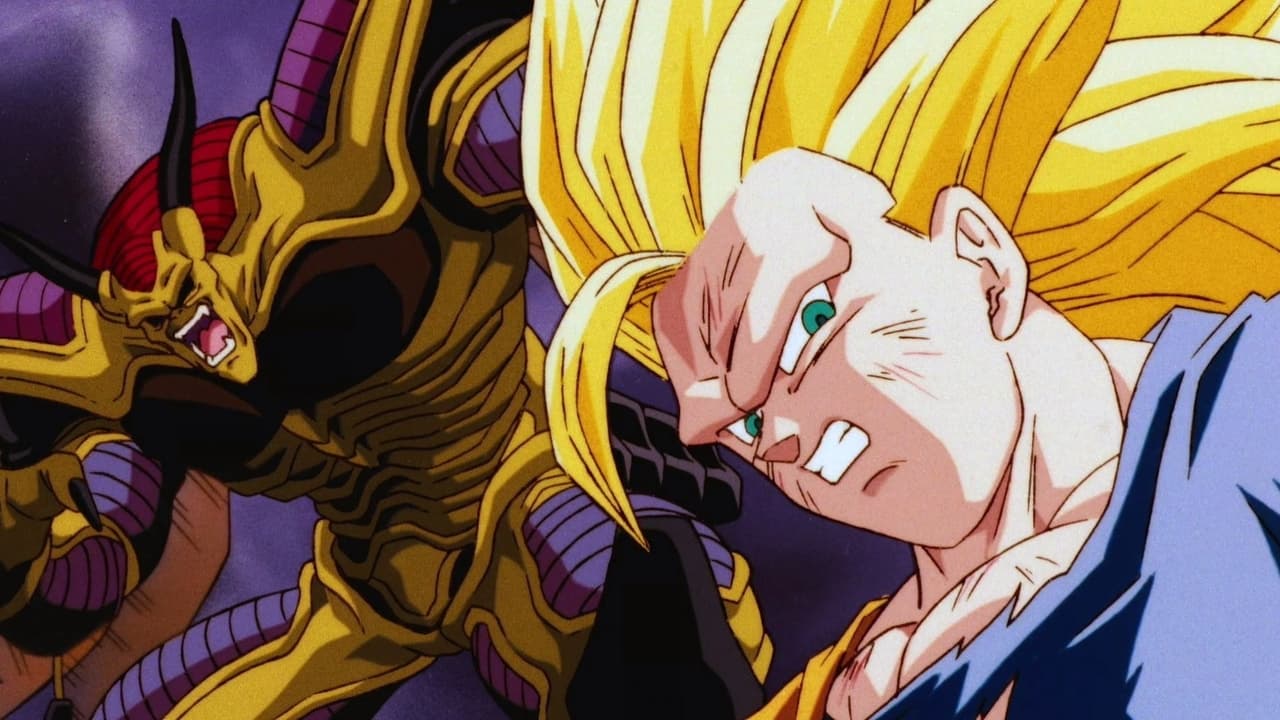
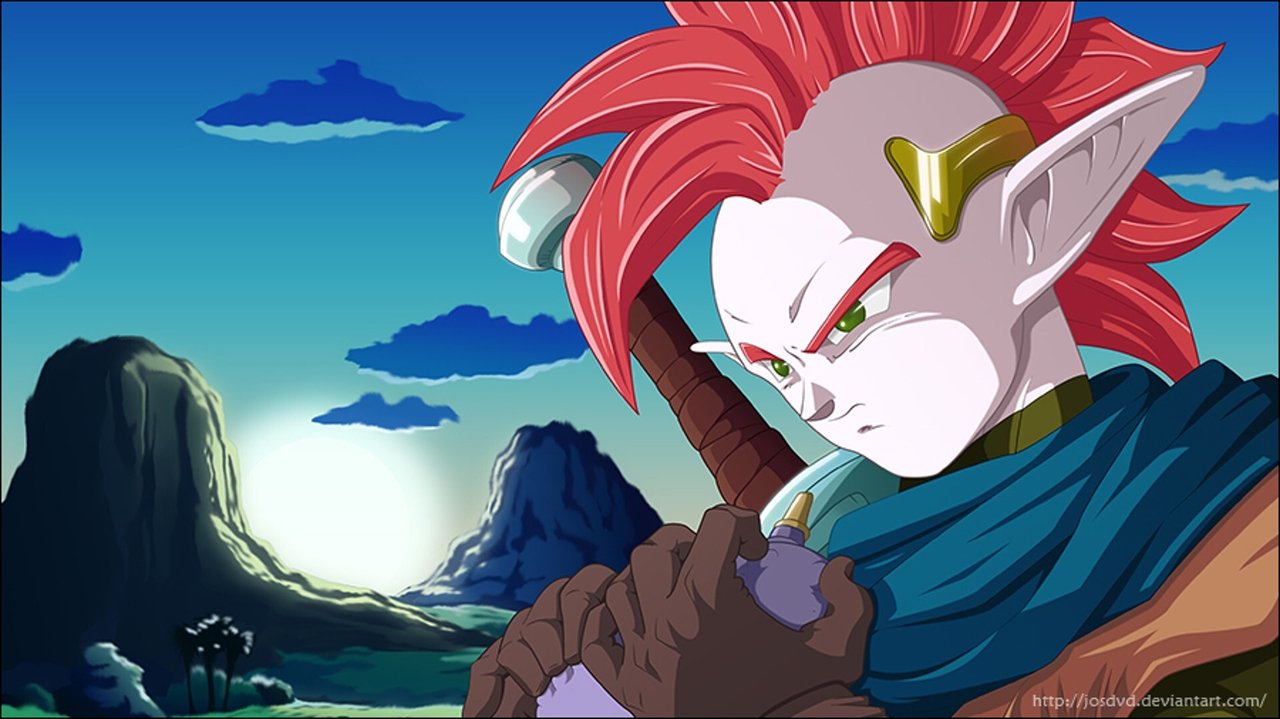
This wasn't just another power-level showcase, though believe me, it delivers the goods. Instead, it felt almost like a mini-epic squeezed onto a T-120 tape, centered around a genuinely intriguing new character: Tapion. He's the stoic, flute-playing hero tragically bound to the monstrous Hirudegarn, released from an ancient music box by an unsuspecting Gohan and Videl (who, let's be honest, probably should have known better than to trust shady old mystics).
### A Different Kind of Z Story
What immediately set Wrath of the Dragon apart back then was its tone. Sure, you had Akira Toriyama's signature world and characters, brought to life under director Mitsuo Hashimoto (who helmed several key DBZ movies and episodes), but there was a melancholic weight here. Tapion’s story is genuinely sad – a warrior cursed, isolated, carrying half a destructive entity within him. His interactions, particularly with young Trunks (voiced, as always, by the talented Takeshi Kusao), add an unexpected layer of heart. Trunks looking up to Tapion like a big brother felt earned, not just a plot device. This film actually took a moment to breathe between the city-smashing chaos.
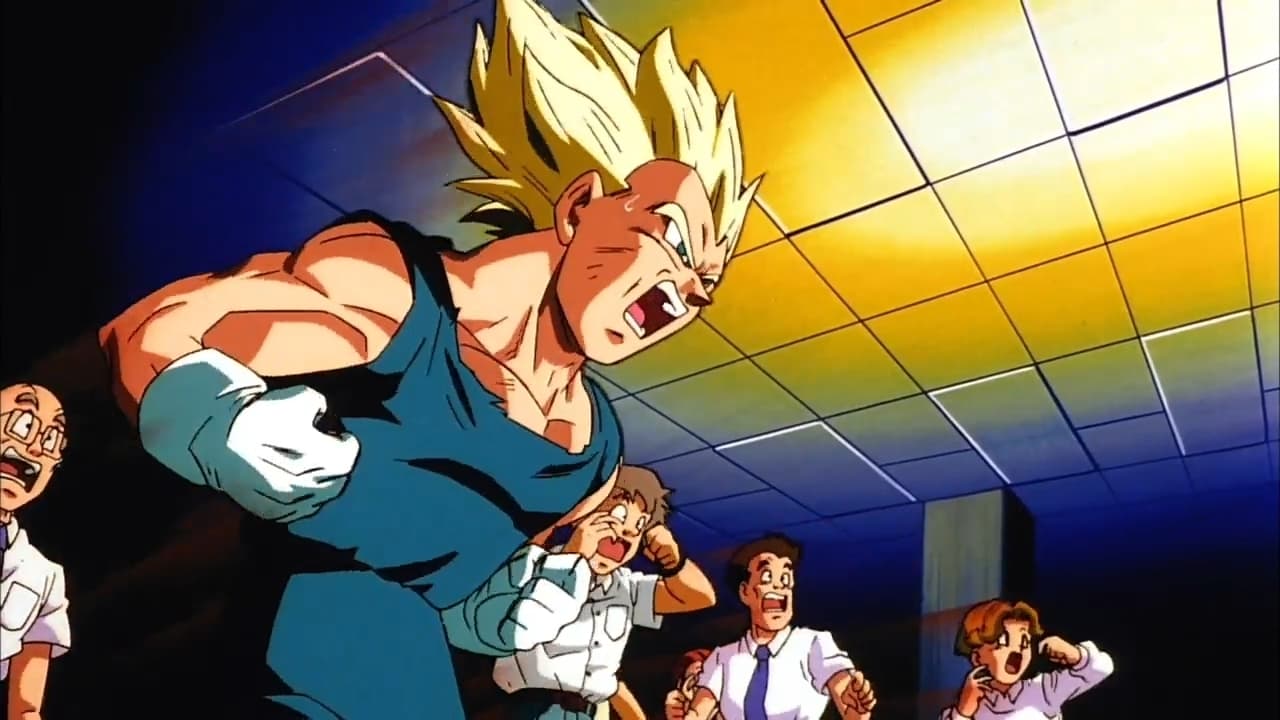
Speaking of Trunks, this movie is the source of one of the great pieces of fan lore: the origin of Future Trunks' sword. While later materials might have played fuzzy with continuity (isn't that the DBZ way?), for legions of fans watching this on worn-out tapes, Tapion gifting his blade to young Trunks was the explanation. It felt significant, a passing of the torch captured perfectly in that 90s animation style. It's a "Retro Fun Fact" that sparked countless playground debates!
### When Hand-Drawn Monsters Felt Real
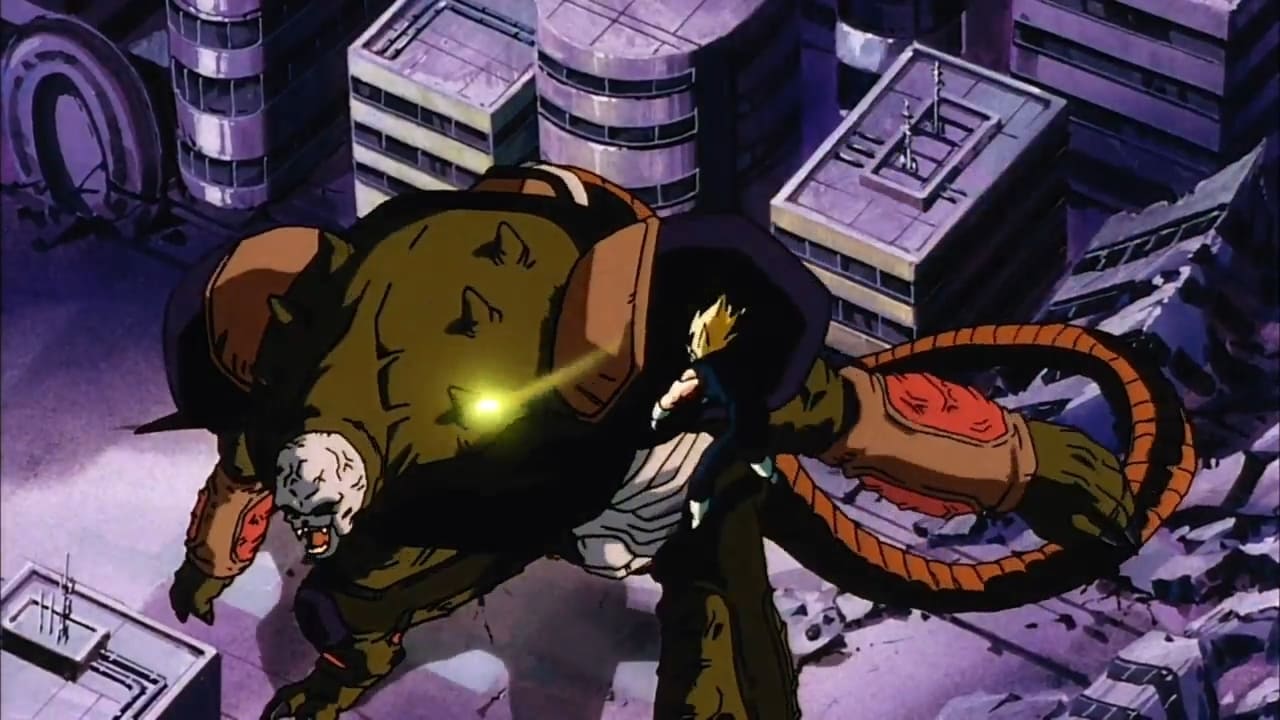
Let's talk about the main event: Hirudegarn. This towering Kaiju wasn't rendered smooth and clean like modern digital behemoths. This was pure, hand-drawn menace. Every frame of its smoky, destructive rampage felt painstakingly crafted. Remember how huge it looked stomping through West City on your CRT? The scale was immense, and the destruction felt tactile in a way only classic cel animation can achieve. This was the 13th DBZ feature film, and Toei Animation knew how to deliver spectacle. You could almost feel the heat coming off the screen during its fire breath attacks – no CGI cooling effect here!
The animators went all out depicting Hirudegarn's power. Buildings crumble with satisfying weight, smoke billows thick and heavy, and the Z Fighters – voiced by legends like the incredible Masako Nozawa pulling triple duty as Goku, Gohan, and Goten – look genuinely dwarfed. It wasn't just about flashy energy blasts (though we get those too); it was about conveying overwhelming physical threat through traditional techniques. Was the animation occasionally less fluid than the peak TV series moments, maybe hinting at the tight schedules these films were often made under? Perhaps. But the sheer impact was undeniable.
### The Dragon Fist Explodes
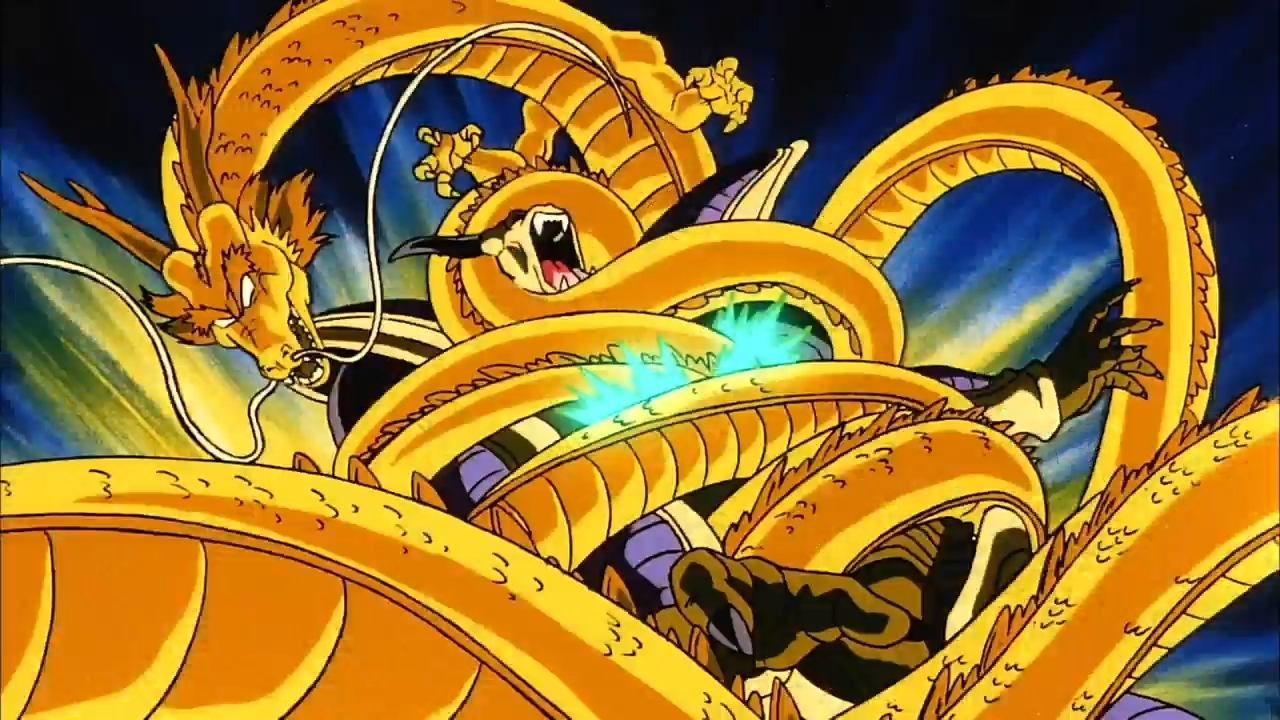
And then there's the climax. Oh, that climax. Faced with an seemingly unstoppable foe, Goku digs deep and unleashes a brand-new, movie-exclusive technique: the Dragon Fist. Seeing that golden, serpentine dragon erupt from Goku's punch and coil around Hirudegarn? Absolutely iconic. It wasn't just another Kamehameha; it felt primal, almost mythical. It’s one of those moments that burned itself into your brain, the kind of playground-reenactment fuel that these movies excelled at providing. The sequence itself is a masterclass in 90s action animation – dynamic, impactful, and ridiculously cool. It's pure, unadulterated Shonen energy, delivered with the kind of visual flair that made you rewind the tape immediately.
The score, too, deserves a nod – often incorporating Tapion's haunting ocarina melody into the action cues, adding to the film's unique atmosphere. It wasn't just generic battle BGM; it felt tied to the story's emotional core.
### Final Rewind
Dragon Ball Z: Wrath of the Dragon stands out. It dared to tell a slightly more character-focused story within the usual DBZ framework, introducing a memorable hero in Tapion and a truly imposing villain in Hirudegarn. It delivered classic Z-fighter action, culminating in one of Goku’s most visually spectacular attacks. While maybe not as narratively complex as some modern anime films, its blend of heart, traditional animation spectacle, and that killer Dragon Fist finisher made it a standout rental back in the day.
Rating: 8/10 - This score reflects the film's success in delivering high-impact, traditionally animated action, a memorable new character with an emotional arc, and an iconic finishing move. It perfectly captures the energy of 90s DBZ movies while offering a slightly different flavour, even if the plot follows some familiar beats.
It's a perfect slice of 90s anime history – big emotions, bigger monsters, and animation crafted with passion, frame by painstaking frame. Fire it up if you find a copy; the fist still hits hard.