Okay, let's dim the lights, maybe crack open a soda that isn't quite era-accurate but feels right anyway, and settle in. Remember the feeling of sliding that chunky cassette into the VCR? The whirring sound, the slight picture wobble before it settled? Some tapes carried more weight than others, didn't they? And the tape for Ridley Scott’s Thelma & Louise (1991) always felt substantial, not just physically, but emotionally. It wasn't just another movie; it felt like a dispatch from somewhere raw and real, disguised as a road trip flick.
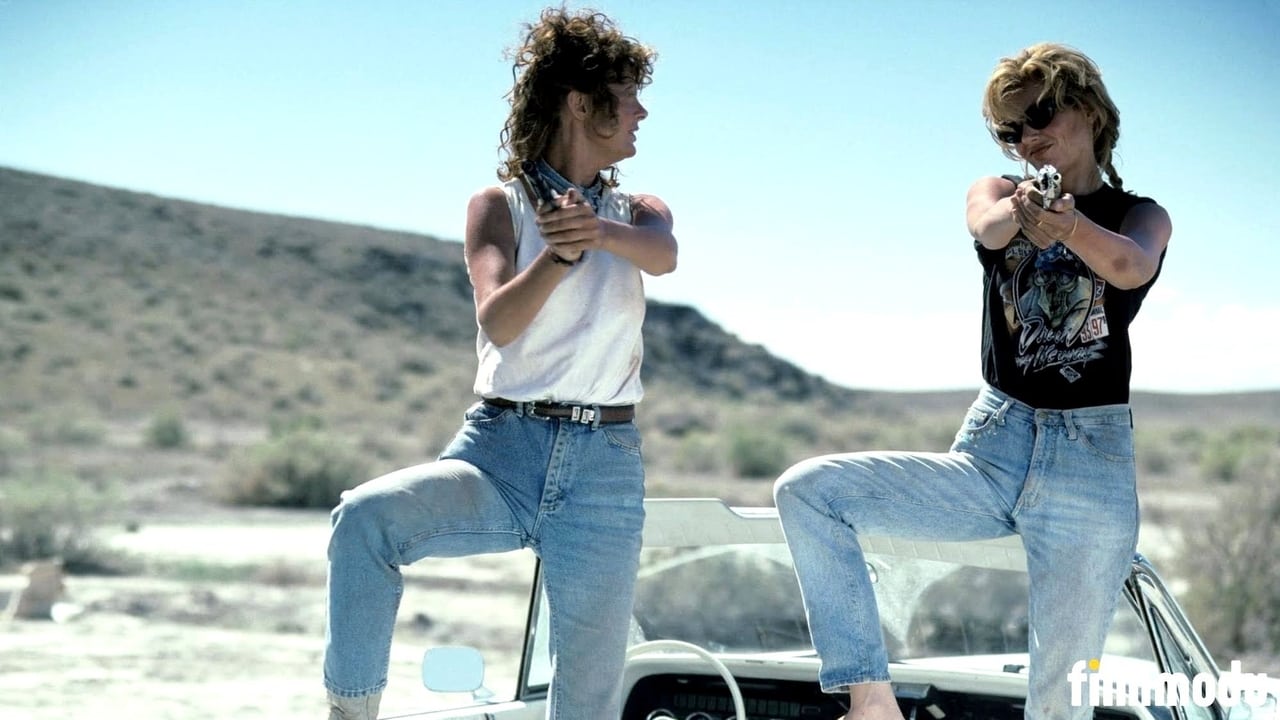
What strikes you first, even now, isn't just the dust kicked up by that iconic '66 Thunderbird, but the sheer, unexpected force of the narrative. Penned by Callie Khouri (who deservedly snagged an Oscar for her searing original screenplay), this wasn't the lighthearted escape some might have anticipated. It begins simply enough: two friends, Thelma Dickinson (Geena Davis) and Louise Sawyer (Susan Sarandon), ditching their dissatisfying lives for a weekend fishing trip. Thelma, naive and trapped in a controlling marriage; Louise, world-weary and carrying unspoken burdens. It feels familiar, almost comfortable. Then comes the sharp, brutal turn at the roadside bar, an act of violence that changes everything, irrevocably.
A Bond Forged in Flight
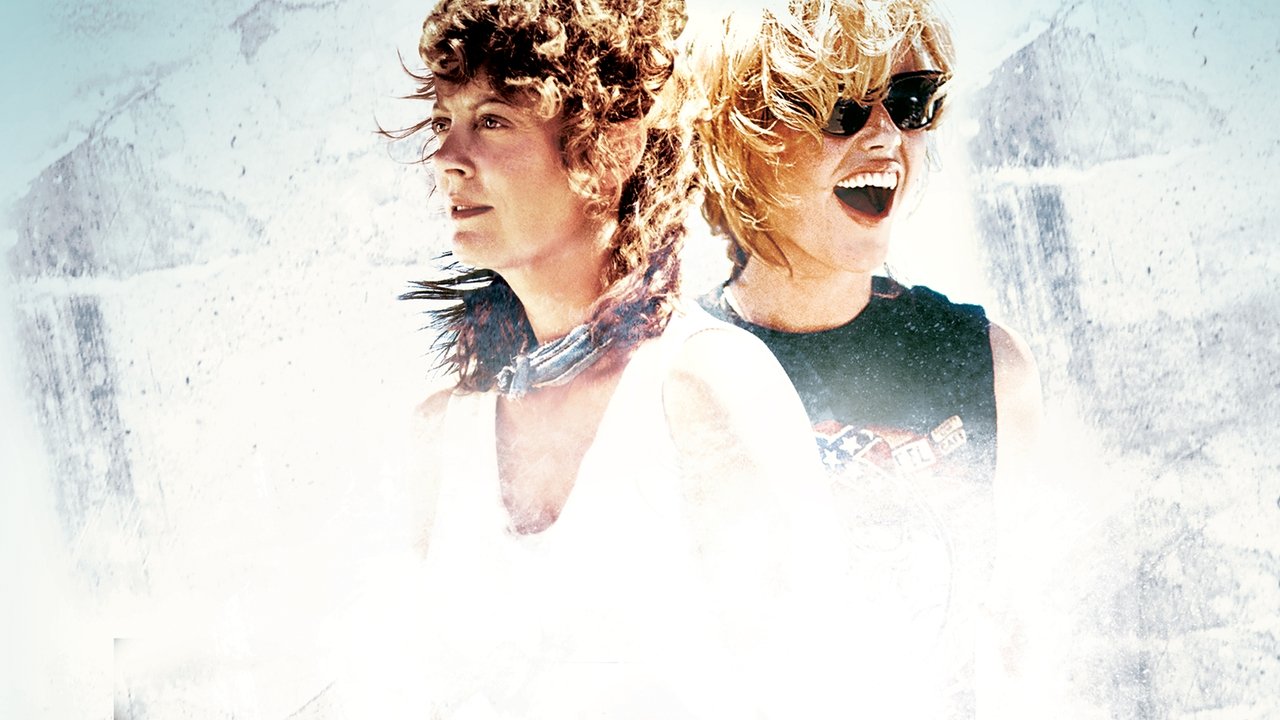
The heart of Thelma & Louise beats within the evolving dynamic between its leads. Geena Davis, initially almost childlike in her excitability and vulnerability, undergoes a stunning transformation. Watching Thelma discover her agency – clumsy and dangerous as it sometimes is – remains utterly compelling. The scene where she masterminds a robbery, mimicking the charming thief J.D. (a career-igniting turn for Brad Pitt), is a masterclass in character development, both exhilarating and deeply unsettling. Susan Sarandon as Louise is the anchor, radiating a fierce protective instinct layered over deep-seated trauma. Her performance is quieter, perhaps, but no less powerful. She’s the reluctant strategist, the one who understands the gravity from the start, her eyes conveying a lifetime of hard knocks. Their chemistry isn't just believable; it feels elemental, the kind of female friendship rarely given such central, unfiltered focus on screen.
Supporting them, Harvey Keitel brings a crucial dose of weary empathy as Detective Hal Slocumb, the one man who seems to grasp the why behind their increasingly desperate actions. He’s not just chasing criminals; he senses the injustice that pushed them onto this path, adding a layer of tragic inevitability to the pursuit.
The Unexpected Eye of Ridley Scott
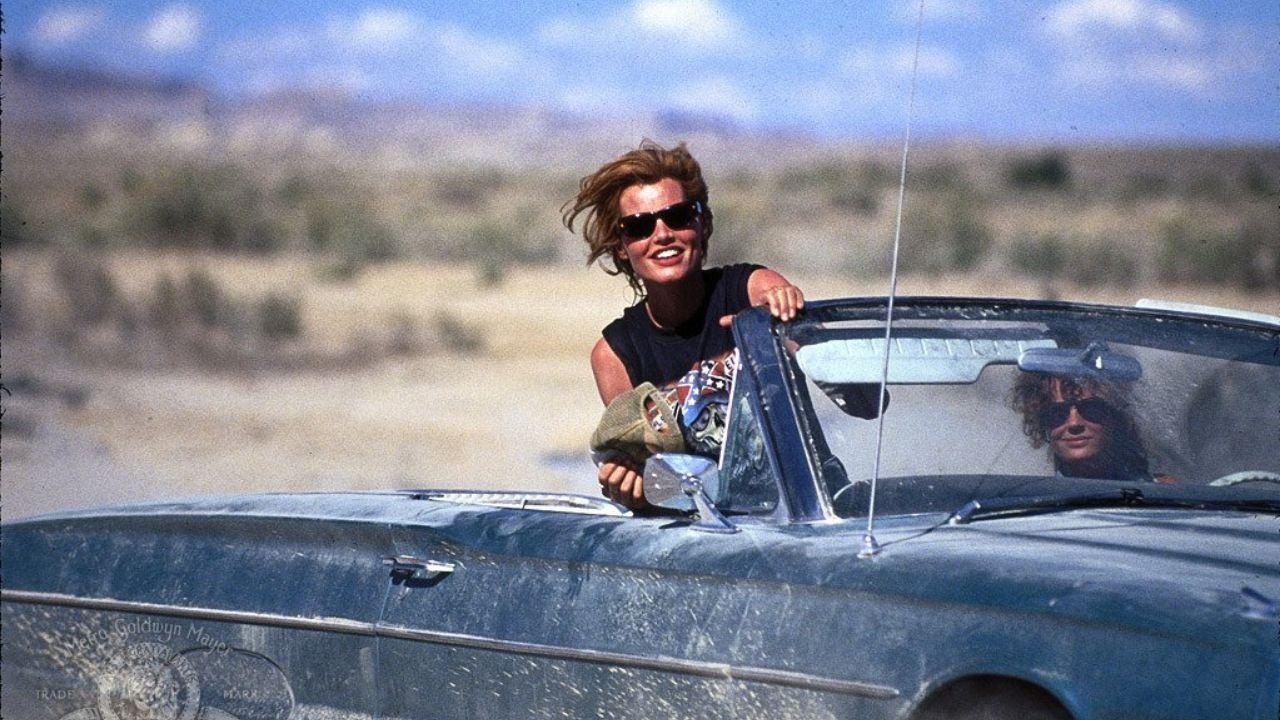
Handing this intimate, character-driven story to Ridley Scott, the visionary behind the vast sci-fi landscapes of Alien (1979) and Blade Runner (1982), might have seemed an odd choice back then. Yet, his directorial eye proves unexpectedly perfect. Scott captures the sprawling beauty of the American Southwest (Utah and California standing in magnificently for the story's route) with the same epic scope he brought to distant planets. But here, the grandeur serves a different purpose. The vast, open roads symbolize the intoxicating promise of freedom, while the looming mesas and canyons simultaneously suggest the immense forces closing in on them. It’s a landscape that is both liberating and profoundly isolating. Scott doesn't just film the scenery; he makes it an active participant in their emotional journey.
From Low-Budget Idea to Cultural Lightning Rod
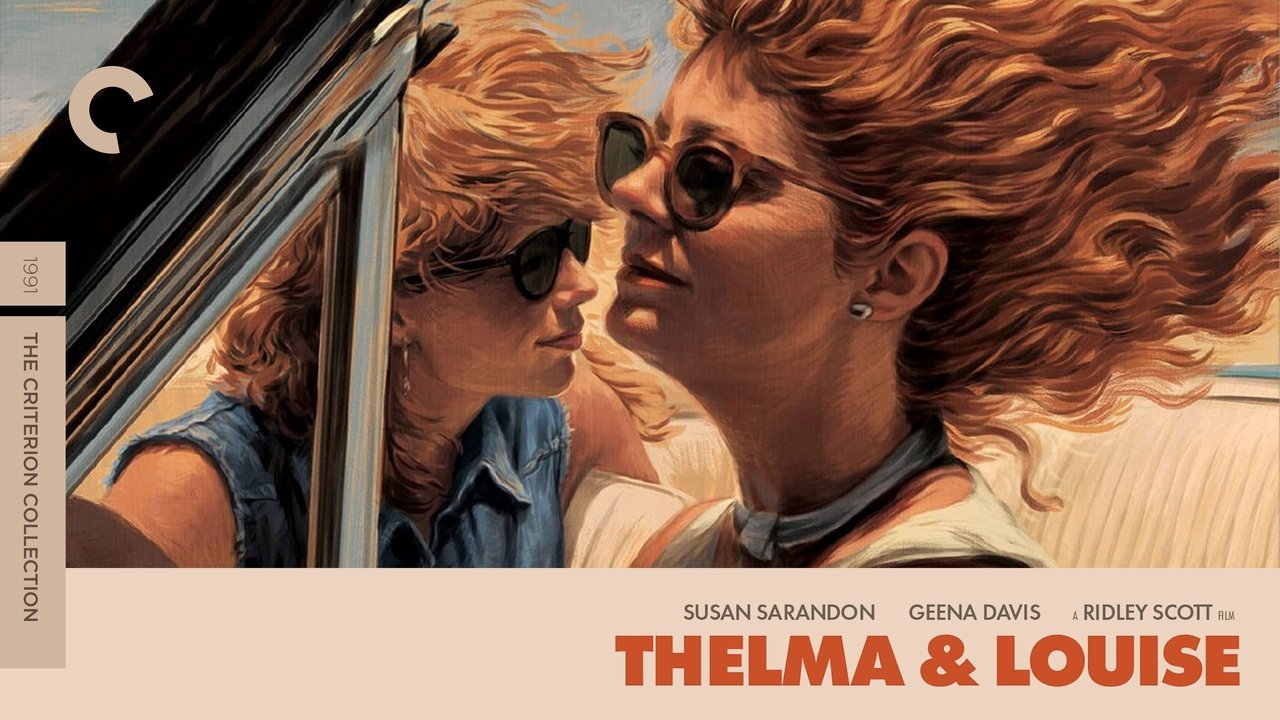
It’s fascinating to think this potent piece of cinema began as a much smaller concept in Callie Khouri's mind. She reportedly wanted to tell a story about female outlaws, partly inspired by her own experiences and observations. Getting it made wasn't simple; several other high-profile actresses like Michelle Pfeiffer and Jodie Foster were considered before Sarandon and Davis perfectly embodied the roles. The film, made for a relatively modest $16.5 million, became a cultural phenomenon, grossing over $45 million domestically and sparking heated debates. Was it a feminist rallying cry? A dangerous revenge fantasy? A damning indictment of systemic misogyny? The fact that it provoked such strong, divergent reactions speaks volumes about the nerves it touched.
And who can forget Brad Pitt as J.D.? Securing that role wasn't a given; apparently, Geena Davis herself was quite taken with his audition and advocated for him. It’s one of those perfect storms of casting that feels like destiny in hindsight. Trivia buffs might also appreciate knowing that multiple Thunderbirds were used – and several met rather unfortunate ends during filming, especially for that final, unforgettable sequence. The debate around the ending itself was reportedly significant during production, but the choice they made remains one of the most iconic and discussed final moments in modern cinema.
What Lingers After the Dust Settles?
Rewatching Thelma & Louise today, it’s striking how potent its themes remain. The questions it raises about freedom, consequence, societal expectations placed on women, and the sometimes-desperate measures taken to escape suffocating circumstances feel startlingly relevant. Does the film offer easy answers? Absolutely not. It presents a situation, born of trauma and escalating choices, and asks us to ride along, to understand, even if we don't condone everything. It forces a confrontation with uncomfortable truths, wrapped in the guise of a high-octane chase movie.

Rating: 9/10
This score reflects the film's enduring power, fueled by powerhouse performances from Davis and Sarandon, Khouri's sharp script, and Scott's masterful direction. It's a film that transcends its genre trappings to become something more profound – a landmark piece of 90s cinema that blended thrills with potent social commentary. It loses a single point perhaps only because some supporting male characters lean towards caricature, though arguably that serves the film's perspective.
Thelma & Louise isn't just a movie you watch; it's one you feel. It’s the rush of wind through an open car window, the shared glance between friends facing the abyss, the echo of a defiant cry against an indifferent sky. It remains a vital, exhilarating, and ultimately heartbreaking ride, forever etched in the landscape of American film. What choice did they truly have, in the end? That's the question that haunts you long after the tape clicks off.