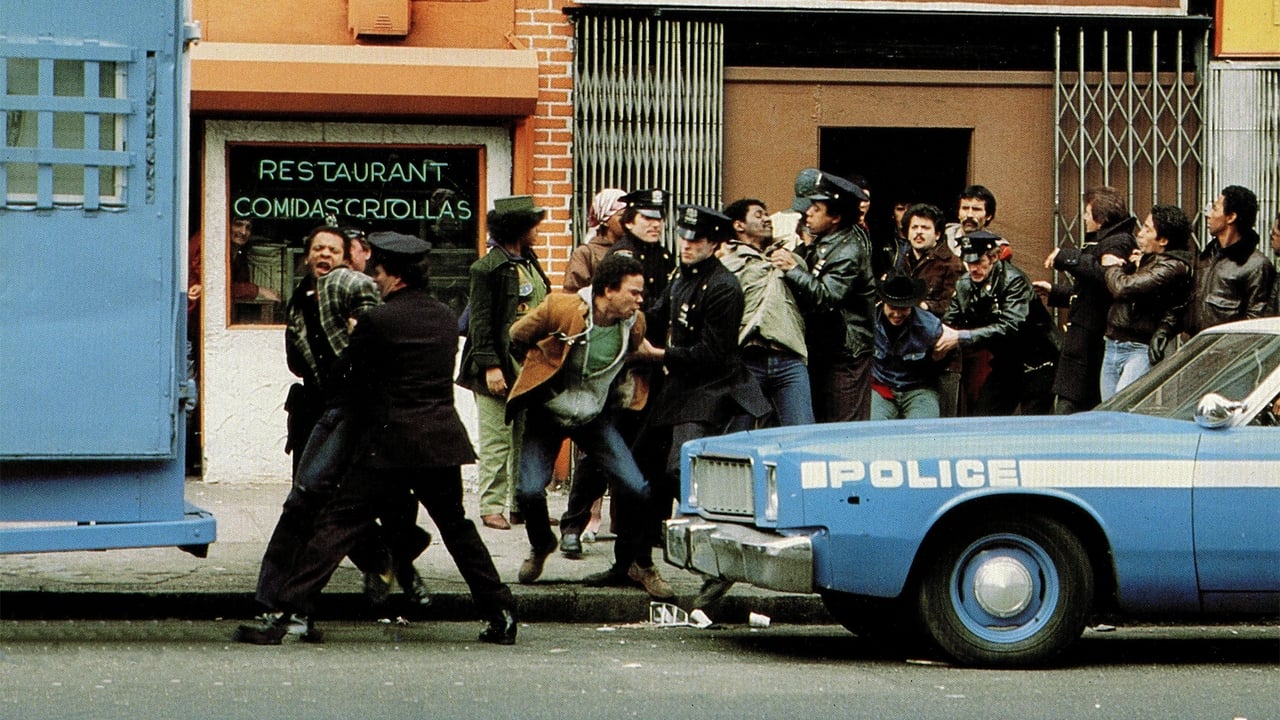
The opening moments linger, don't they? That jarring juxtaposition – the sudden, brutal violence cutting through the mundane routines of a city seemingly resigned to decay. It's an image that sets the stage perfectly for Daniel Petrie's 1981 police drama, Fort Apache, the Bronx. Watching it again recently, decades after first sliding that worn VHS copy into the machine, the film’s atmosphere felt just as potent, maybe even more so, given the passage of time and the ongoing conversations about the very issues it tackles.
A Precinct Under Siege
The film drops us squarely into the heart of the South Bronx's 41st Precinct, dubbed "Fort Apache" by the officers who feel less like protectors and more like an occupying force in hostile territory. It's less a traditional narrative and more a series of interwoven vignettes showcasing the daily grind, the sudden terrors, and the moral compromises faced by cops Murphy (Paul Newman) and Corelli (Ken Wahl). There's crime, poverty, drug addiction, desperation – painted not with broad strokes, but with a kind of weary, observational detail that feels disturbingly authentic. Writer Heywood Gould based the script on the real experiences of NYPD officers Thomas Mulhearn and Pete Tessitore, lending the proceedings a chilling verisimilitude that likely felt even starker on release. I remember that raw, unvarnished quality being quite striking back then, a far cry from the more stylized cop shows often seen on TV.
Newman’s Weary Soul
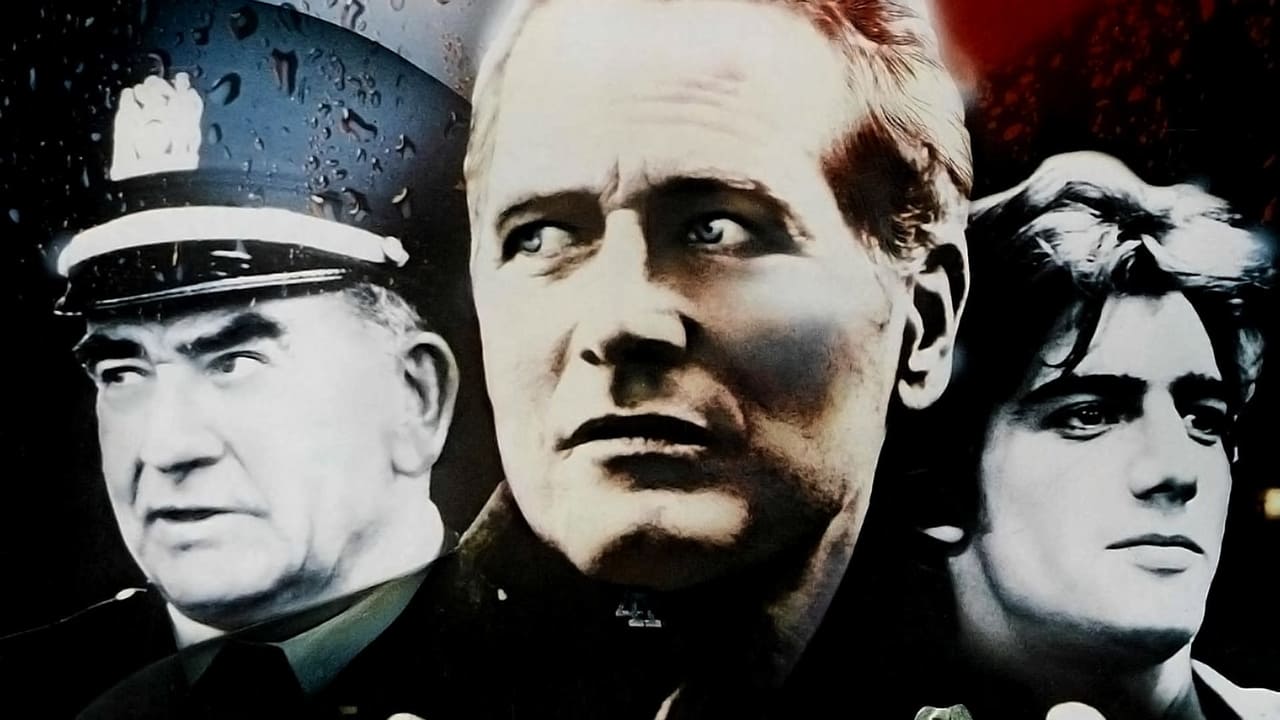
At the center of it all is Paul Newman as Murphy, a veteran cop whose cynicism hasn't quite extinguished a flicker of weary idealism. It’s a fascinating performance. Newman, often the embodiment of cool charisma (The Sting, Cool Hand Luke), brings a different energy here. His Murphy is tired, disillusioned, carrying the weight of years spent witnessing the worst of humanity. Yet, there's a core decency, a struggle to maintain his moral compass amidst the surrounding chaos. His interactions with the younger, more volatile Corelli (Ken Wahl, fresh off The Wanderers) provide much of the film's dynamic energy, showcasing the generational differences and shared stresses of the job. Wahl holds his own against the screen legend, portraying Corelli's frustrations and flashes of anger convincingly.
It's worth noting that Newman reportedly wasn't initially keen on the role, concerned about the script's potential implications. It was only after significant rewrites, aimed at adding nuance and avoiding simple stereotypes, that he committed. That commitment shines through; his performance feels lived-in, grounded, never resorting to easy heroism. There’s a moment where Murphy witnesses something truly reprehensible committed by fellow officers – the conflict that plays across Newman’s face, the internal battle between loyalty and conscience, speaks volumes without a word. What does a man do when the lines blur so badly?
Controversy and Grit
You can't discuss Fort Apache, the Bronx without acknowledging the significant controversy it stirred upon release. Community groups protested vehemently, arguing that the film unfairly depicted the South Bronx and its residents, particularly minority communities, focusing solely on crime and decay while ignoring the lives of ordinary, law-abiding citizens. It’s a valid criticism, and watching it today, that laser focus on the bleakest aspects is noticeable. The film offers little respite, little counterbalance to the grim reality it portrays. Does this make it irresponsible, or simply uncompromising in its chosen perspective? That's a question viewers likely debated fiercely back in '81, and one that still resonates.
The production itself wasn't without its own hurdles. Filming on location in the actual South Bronx brought challenges, requiring careful negotiation and security. The reported $12 million budget yielded a respectable $65 million at the box office, suggesting audiences were drawn to its gritty realism, even amidst the protests. The direction by Daniel Petrie is straightforward, almost documentary-like at times, letting the environment and the performances carry the weight. There’s little stylistic flourish; the power comes from the unflinching gaze. And who could forget Edward Asner's blistering, albeit brief, turn as the outgoing precinct commander Connolly? His farewell speech is a masterclass in barely contained rage and despair.
The Lingering Questions
What stays with you after Fort Apache, the Bronx ends? For me, it's the pervasive sense of systemic failure, the feeling that both the police and the community are trapped in a cycle of violence and mistrust. It doesn’t offer easy answers or comforting resolutions. Murphy's journey isn't one of triumph, but of weary survival and clinging to a personal code in an environment designed to break it. The film forces us to confront uncomfortable truths about poverty, policing, and the cracks in the social fabric. Did it capture the entire truth of the Bronx in 1981? Likely not. But did it capture a truth, a specific, harsh reality experienced by those on the front lines? It certainly feels that way. The film remains a powerful, if flawed and controversial, piece of early 80s cinema – a time capsule of urban anxiety that still sparks debate. It’s the kind of film that burrowed under your skin when you rented that tape, leaving you thoughtful long after the static-filled blue screen appeared.
---
Rating: 7/10
While undeniably controversial for its narrow focus and potential for reinforcing negative stereotypes, Fort Apache, the Bronx earns its score through its powerful, authentic atmosphere, Paul Newman's deeply felt central performance, and its unflinching portrayal of the brutal realities faced by police in a specific, challenging environment. It's a grim, unsettling watch that avoids easy answers, grounded by Heywood Gould's research-driven script and Daniel Petrie's unadorned direction. The controversy is part of its history, but the performances and the raw depiction of urban struggle give it lasting, albeit uncomfortable, power.
It leaves you wondering not just about the characters, but about the systems they operate within – a question as relevant today as it was when those credits first rolled on worn-out VHS tapes.