It begins, as the title promises, with death. Not a sudden shock, but the heavy, palpable weight of grief settling over a family already burdened by secrets and simmering violence. Abel Ferrara’s 1996 film, The Funeral, doesn't just depict mourning; it immerses you in it, using the somber gathering for the youngest Tempio brother, Johnny (Vincent Gallo), as a crucible to examine the devastating cycles of retribution and toxic masculinity within a 1930s New York crime family. This wasn't the kind of tape you grabbed for a light Friday night viewing back in the day; finding this on the shelf often meant bracing yourself for something raw, something that might linger long after the VCR clicked off.
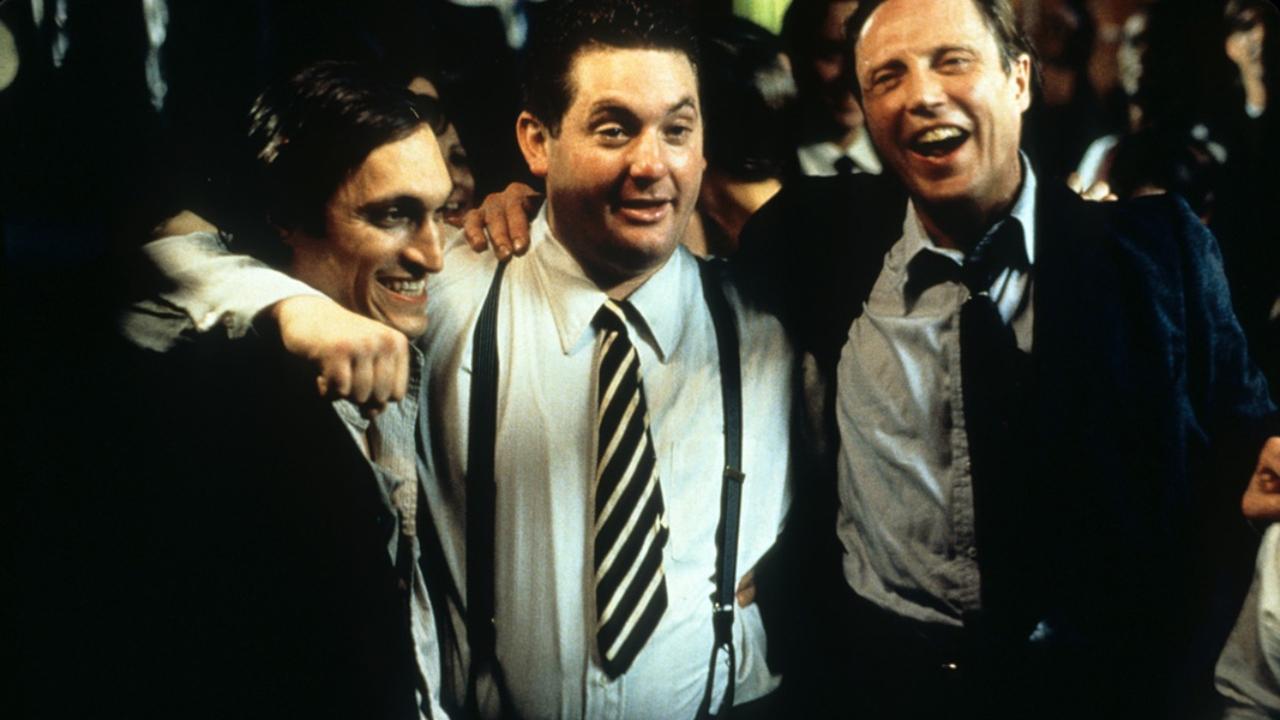
A Gathering Storm
The structure itself, penned by Ferrara’s frequent collaborator Nicholas St. John (who also wrote gritty classics like King of New York (1990) and Bad Lieutenant (1992)), mirrors the fractured nature of memory and grief. The present – the wake, the hushed conversations laced with threats, the arrangements for revenge – is constantly interrupted by flashbacks. We see Johnny not just as a corpse, but as a troubled young man grappling with communist ideals and the brutal legacy of his family name. We witness the events, small and large, that paved the road to this casket. It’s a deliberate choice by Ferrara, denying us easy catharsis and forcing us instead to piece together the tragedy, feeling the inevitability of the outcome press down harder with each revealed fragment of the past.
Brothers in Arms and Anguish
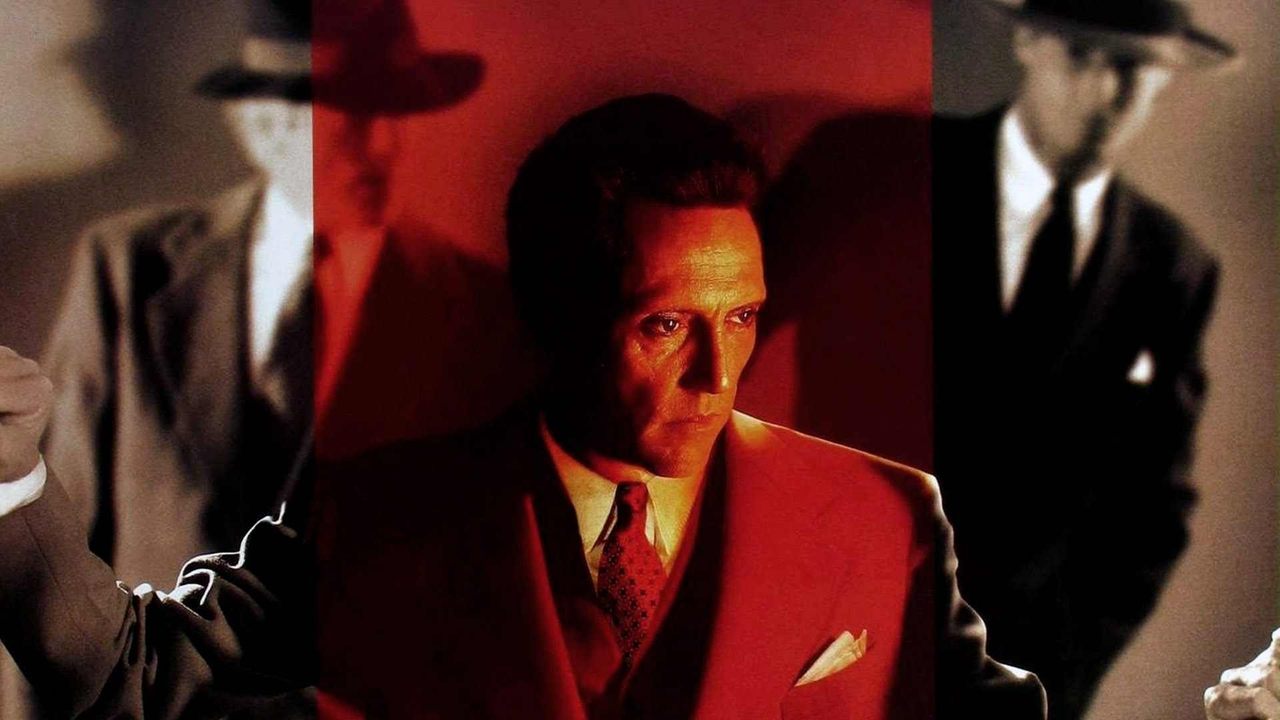
At the heart of this maelstrom are the two surviving Tempio brothers, portrayed with searing intensity. Christopher Walken embodies Ray, the eldest. Walken, already a screen legend by this point, delivers a performance of chilling restraint. Ray is the thinker, the calculator, outwardly calm but radiating a cold authority that’s perhaps even more frightening than overt rage. He processes his grief through logic and planning, contemplating the strategic necessity of vengeance. You see the gears turning behind those unsettlingly steady eyes, weighing family honor against the potential consequences. It’s a masterful portrayal of control bordering on the sociopathic.
Then there's Chez, brought to volcanic life by the late, great Chris Penn. If Ray is ice, Chez is fire – impulsive, emotionally raw, tormented by his own capacity for violence and a gnawing sense of guilt. Penn’s performance is simply extraordinary, a raw nerve exposed. He swings wildly between tearful remorse, explosive fury, and a desperate longing for connection, often within the same scene. There’s a profound sadness beneath his aggression, a sense of being trapped by his own nature and the expectations of his world. It’s a physically and emotionally demanding role, and Penn inhabits it completely. It's no surprise his devastating work here earned him the Volpi Cup for Best Supporting Actor at the Venice Film Festival – a recognition thoroughly deserved for one of the most powerful and tragically overlooked performances of the 90s. Watching him unravel is both terrifying and heartbreaking.
The Silent Strength
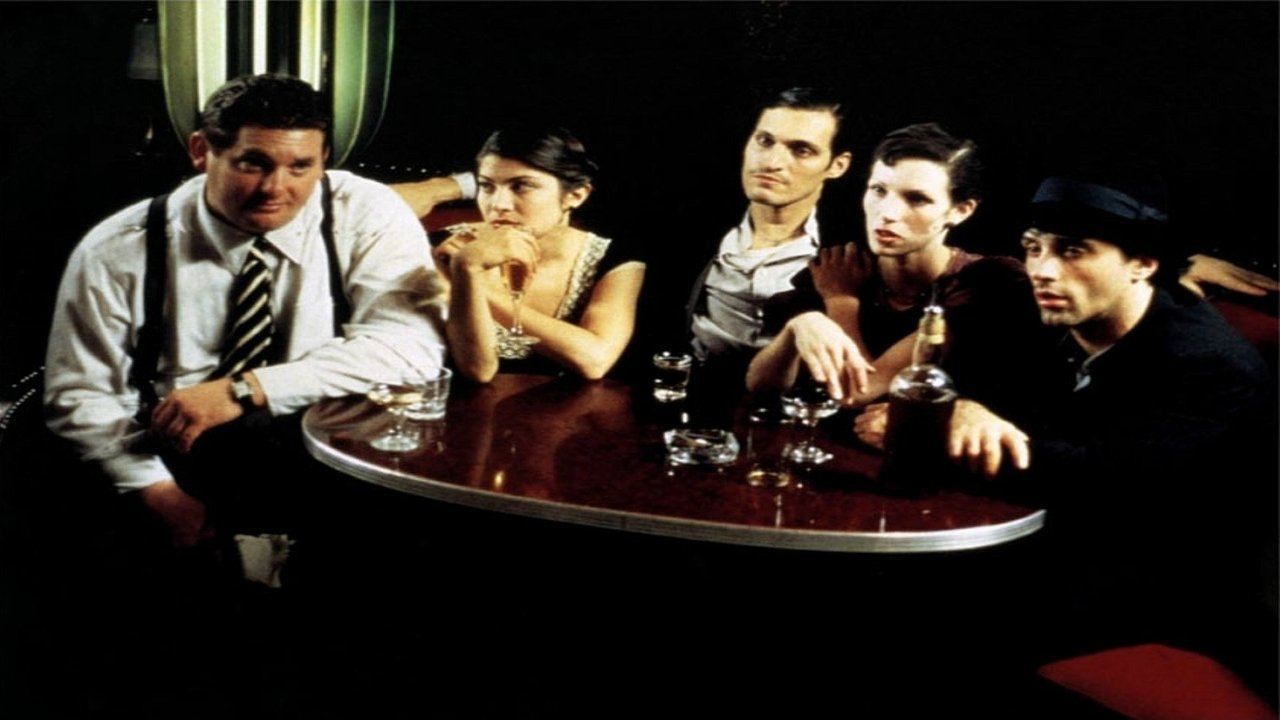
Amidst the brothers' destructive dance, the women in their lives offer glimpses of strained resilience and moral clarity. Annabella Sciorra as Jean, Ray's wife, carries the weight of understanding the true cost of their lives. Her quiet observations and moments of confrontation with Ray are potent, highlighting the suffocating constraints placed upon her. Isabella Rossellini as Clara, Chez’s wife, provides a different kind of anchor, trying to appeal to the humanity buried deep within her volatile husband. They aren't passive figures; they are trapped witnesses, their presence underscoring the devastating impact of the men's choices on the entire family unit.
Ferrara's Unflinching Gaze
Ferrara directs with his signature unflinching realism. The film feels claustrophobic, often confined to dimly lit interiors – the funeral parlor, cramped apartments, shadowy back rooms. The color palette is muted, reflecting the somber mood and the moral decay. There's little glamour here; the violence, when it erupts, is brutal, sudden, and ugly, devoid of heroic sheen. Ferrara isn't interested in romanticizing the gangster lifestyle; he's dissecting its poisonous roots and inevitable consequences. It's a challenging watch, demanding patience and a willingness to confront uncomfortable truths about loyalty, vengeance, and the impossibility of escaping one's past. I remember renting this on VHS, perhaps nestled between a blockbuster action flick and a goofy comedy, and being struck by its stark contrast – its quiet intensity felt louder than any explosion.
One fascinating tidbit often overlooked is how the film uses Johnny’s burgeoning communist ideals not just as a plot point, but as a thematic counterpoint to the dog-eat-dog capitalism inherent in his family's criminal enterprise. It adds another layer to his tragedy – a young man grasping for a different world, only to be swallowed by the old one. It’s a subtle but significant thread in St. John’s intricate script.

Rating: 8/10
The Funeral is a demanding, often bleak, but ultimately powerful piece of filmmaking. It earns its rating through its uncompromising vision, the sheer force of its central performances (especially Penn's career-best work), and its thoughtful exploration of complex themes. The deliberate pacing and somber tone might not appeal to everyone, and it certainly doesn't offer easy answers or resolution. It’s not a film you ‘enjoy’ in the conventional sense, but one you experience and absorb.
It’s a potent reminder from the VHS shelves that sometimes the most impactful stories are the ones that leave you quietly contemplating the wreckage long after the credits roll. What remains isn't catharsis, but the chilling echo of choices made and the inescapable gravity of family ties, however destructive they may be.