It's a peculiar kind of chill, isn't it? Not the jump-scare shock of a slasher flick rented on a Friday night, but the slow-burn unease that settles in your gut watching something eerily familiar unfold. That’s the feeling Tim Robbins’ 1992 directorial debut, Bob Roberts, leaves you with – a feeling perhaps even more potent now than when those chunky VHS tapes first hit the shelves. It arrived looking like a documentary, feeling like a warning, and singing songs that were catchy, insidious, and disturbingly plausible.
The Candidate Sings a Different Tune
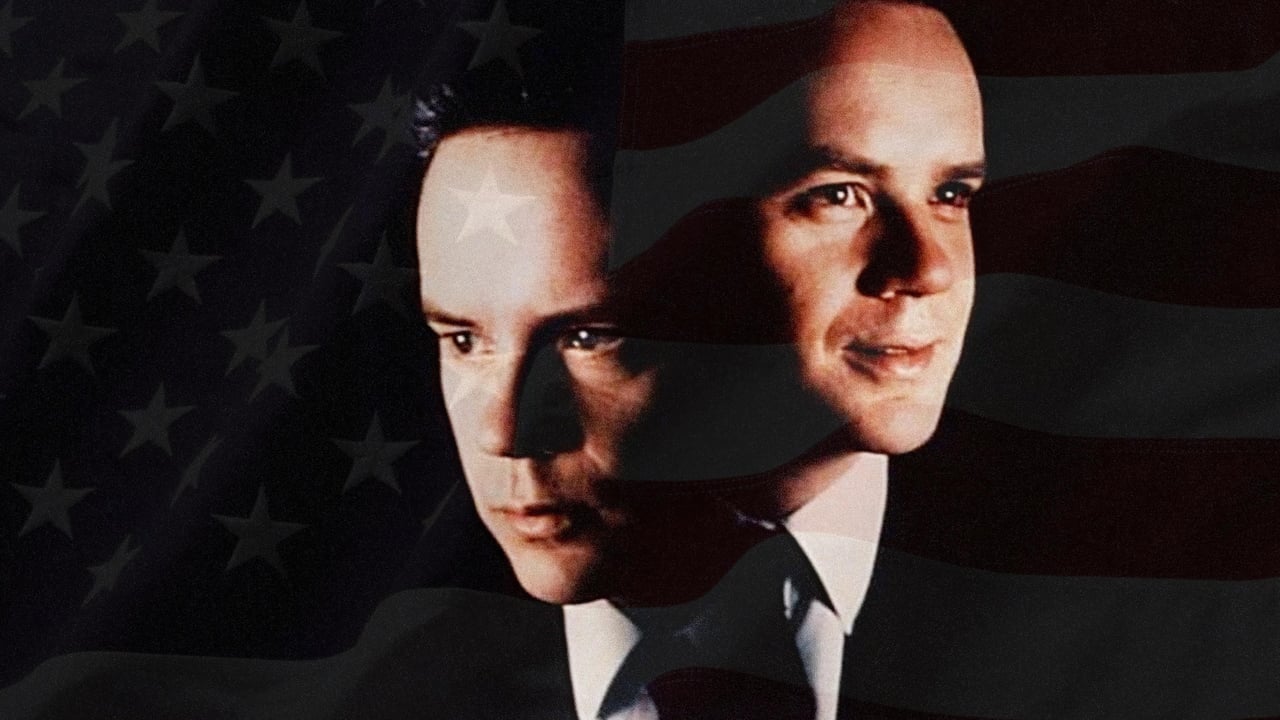
Filmed in the fly-on-the-wall style of a political documentary, the movie follows the Pennsylvania Senate campaign of the titular Bob Roberts (Tim Robbins himself). He’s a different breed of politician: a handsome, guitar-strumming multimillionaire folk singer whose lyrics champion Reagan-era conservatism, corporate greed, and thinly veiled prejudice, all wrapped in the comforting package of acoustic chords and earnest smiles. Think Bob Dylan meets Gordon Gekko, armed with a 12-string and an unnerving amount of self-belief. Opposing him is the aging liberal incumbent, Senator Brickley Paiste (Gore Vidal, lending real-world political weight), who seems utterly bewildered by Roberts' populist appeal. Documenting this strange political theatre is British filmmaker Terry Manchester, whose initially neutral lens gradually captures something deeply rotten beneath the polished surface.
That Awful, Brilliant Smile
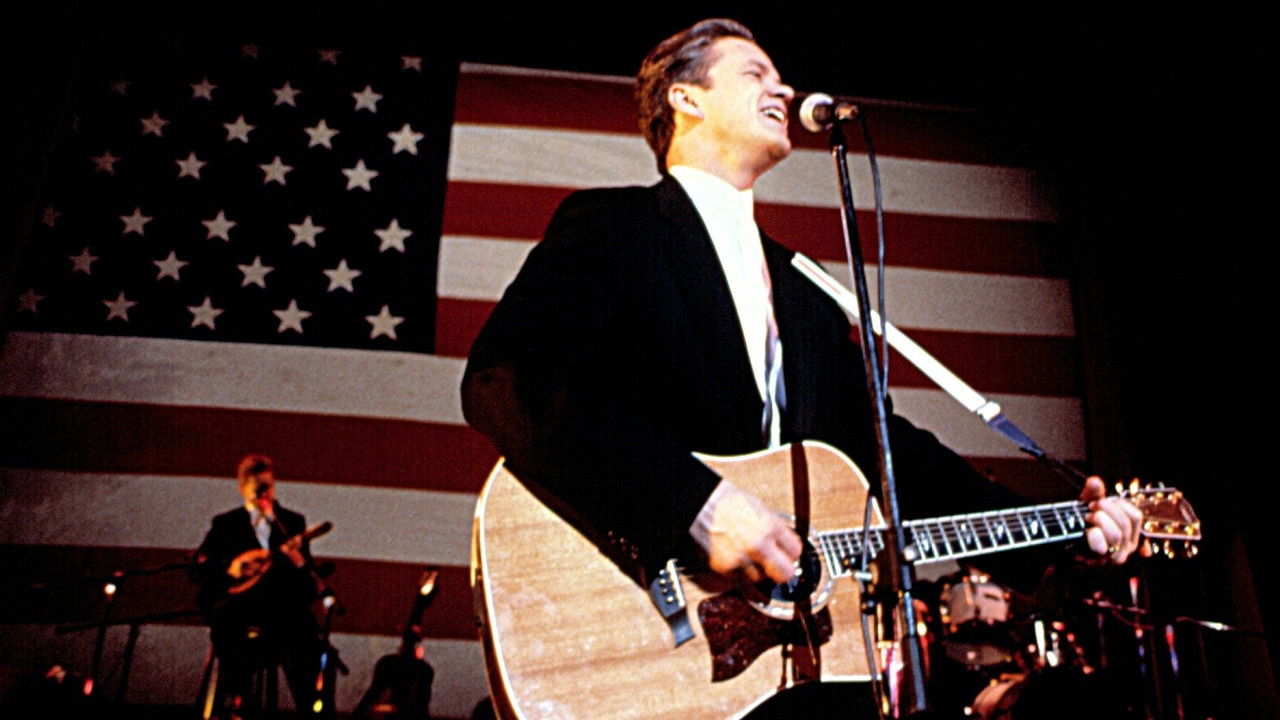
At the heart of the film's chilling effectiveness is Tim Robbins' performance. Having originated the character in sketches on Saturday Night Live back in the mid-80s, Robbins embodies Bob Roberts with a terrifying completeness. It's not just caricature; it's a study in manufactured authenticity. The easy grin never quite reaches his eyes, the patriotic fervor feels rehearsed yet undeniably effective, and the way he weaponizes folk music – a genre traditionally associated with protest and the counter-culture – for right-wing propaganda is genuinely unnerving. Robbins wrote and performed all the songs himself, tunes like "Times Are Changin' Back" and "Wall Street Rap," which are both pitch-perfect parodies and disturbingly catchy. You find yourself humming them, then catching yourself, feeling slightly complicit. That’s the uncomfortable genius of the performance – it forces you to recognize how easily charisma can mask corruption.
Truth Seekers in a World of Spin
While Roberts dominates the screen, the film hinges on those trying to expose him. Giancarlo Esposito, years before his iconic turn in Breaking Bad, delivers a fierce, grounded performance as Bugs Raplin, an independent journalist convinced Roberts is involved in shady dealings far beyond manufactured folksiness. Raplin represents the dogged, often marginalized, pursuit of truth in an increasingly image-obsessed media landscape. His frustration and determination feel painfully real. Then there's Alan Rickman as Lukas Hart III, Roberts' campaign manager. Rickman, ever the master of suave menace (think Hans Gruber gone political), is chillingly pragmatic, orchestrating the spin and managing the scandals with ruthless efficiency. His presence adds a layer of calculated cynicism that perfectly complements Roberts' faux idealism. The film is also peppered with fantastic cameos – keep an eye out for brief appearances by Susan Sarandon, James Spader, Helen Hunt, Peter Gallagher, and a very young Jack Black as a devoted Roberts fan. Robbins clearly called in favours, lending the mockumentary an extra layer of "hey, isn't that...?" realism.

Behind the Mockumentary Curtain
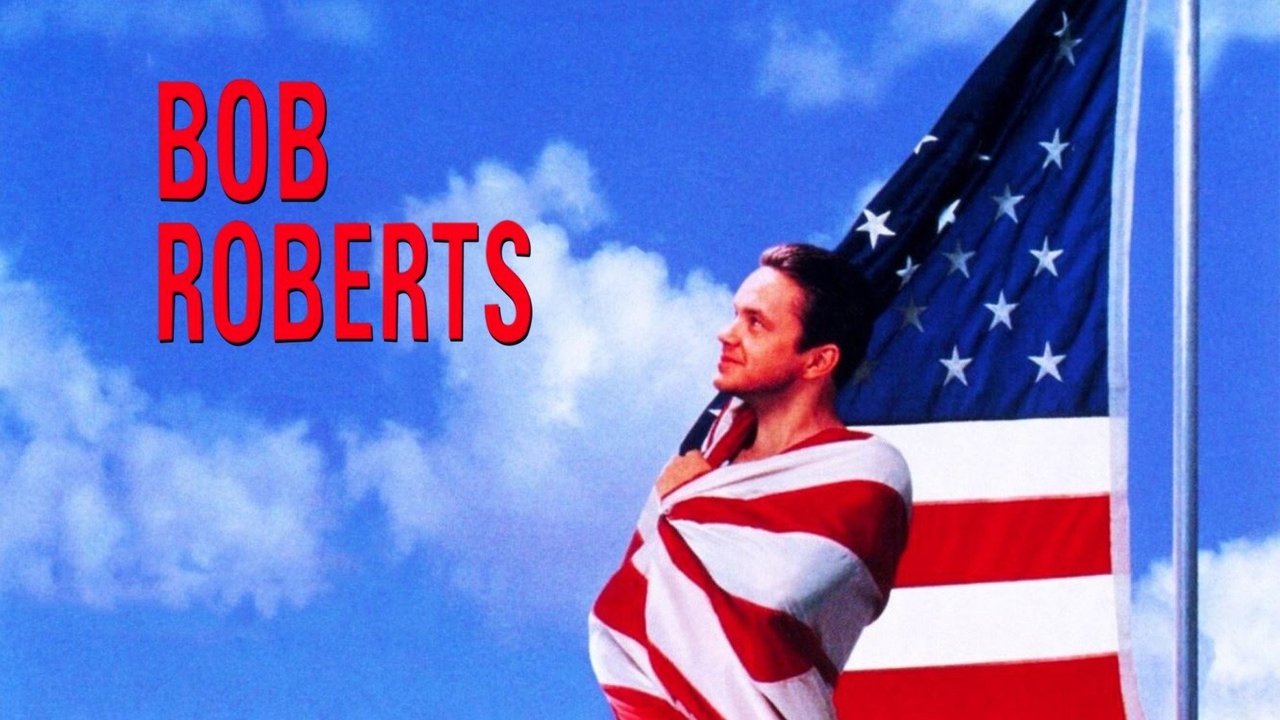
The mockumentary format, still relatively fresh for mainstream audiences in '92 (though This is Spinal Tap (1984) had paved the way), is deployed brilliantly. Robbins uses it not just for laughs, but to heighten the sense of unease. The handheld camera work, the awkward interviews, the moments where the mask slips – it all contributes to a feeling of watching something you shouldn't be, a manufactured reality fraying at the edges. One fascinating tidbit is how Robbins encouraged improvisation around his scripted scenes, particularly from the actors playing journalists and cameramen, to capture genuine reactions and enhance the documentary feel. It's a technique that pays off, blurring the line between fiction and a potential, terrifying reality. The film itself was a modest affair, made for around $4 million, but its sharp intelligence punched far above its weight class, becoming a cult favourite and a critical success precisely because it felt so different.
A Folk Song for the Future?
Watching Bob Roberts today is a strange experience. What felt like biting satire in 1992 now feels almost prophetic. The film's dissection of media manipulation, the rise of personality-driven politics over policy, the co-option of cultural symbols for political gain, and the dangers of voter apathy – doesn't it all sound disturbingly familiar? It forces us to ask uncomfortable questions about how we consume information and choose our leaders. Has the line between entertainment and politics blurred even further since Bob Roberts first tuned his guitar? The film offers no easy answers, ending on a note of profound cynicism that lingers long after the credits roll. I remember renting this from Blockbuster back in the day, probably expecting a straightforward comedy based on the SNL connection, and being absolutely floored by its intelligence and bite. It was one of those rentals that sparked actual conversation afterwards, a rarity sometimes.
Rating and Final Reflection
Bob Roberts remains a potent piece of political filmmaking – smart, funny in a deeply uncomfortable way, and unnervingly prescient. Robbins' triple-threat performance as writer, director, and star is remarkable, crafting a character and a world that feel both absurd and terrifyingly real. The supporting cast is impeccable, and the mockumentary style is expertly handled. It’s a film that uses satire not just to make you laugh, but to make you think, and maybe even to worry a little.
Rating: 9/10
This rating reflects the film's sharp intelligence, masterful execution of the mockumentary format, standout performances (especially Robbins), and its enduring, almost chilling, relevance. It’s a near-perfect example of political satire done right.
Bob Roberts isn't just a time capsule of early 90s political anxieties; it's a mirror reflecting currents that still run strong today. It reminds us that sometimes the most dangerous tunes are the catchy ones sung with a smile.