Okay, fellow tapeheads, let's rewind to the turn of the millennium. The Y2K bug hadn't ended the world, nu-metal was… happening, and the Highlander franchise decided it was time for a reunion. Not just any reunion, mind you, but the ambitious, slightly bonkers collision of the cinematic universe and the beloved TV series: Highlander: Endgame (2000). This wasn't your standard video store find; it carried the weight of two distinct fanbases, promising the ultimate Highlander crossover. Did it deliver? Well, grab your trench coat and katana, because it's complicated.
### Two Immortals, One Screen
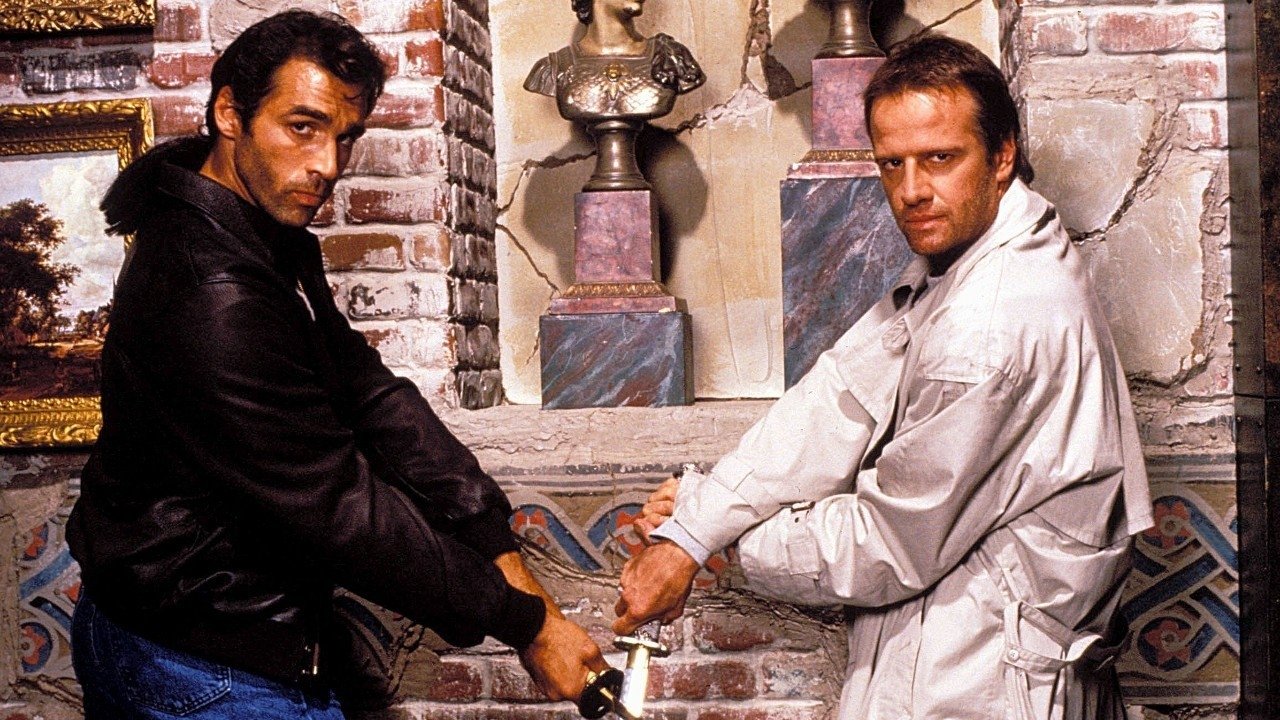
The big hook, of course, was seeing Christopher Lambert's Connor MacLeod share the screen properly with Adrian Paul's Duncan MacLeod, the star of the long-running and arguably more developed TV show. For fans who had followed Duncan's centuries-spanning adventures week after week, this felt like the main event. The film positions Duncan as the primary protagonist, grappling with a devastating personal loss tied to the film's antagonist, the impossibly powerful and theatrical Jacob Kell, played with scenery-devouring gusto by Bruce Payne. Remember him chewing up the screen in Passenger 57 (1992)? He brings that same sneering intensity here, amplified to eleven.
Connor, meanwhile, feels weary, almost spectral. Lambert leans into the character's exhaustion, a man burdened by centuries of loss, culminating in a plot point that, while controversial among fans, aims to pass the torch. It's a bold move, maybe too bold for some, attempting to bridge the gap between the gritty, rain-soaked atmosphere of the original 1986 film and the more serialized, character-driven narrative of the show. Gregory Widen, who penned the original Highlander, actually returned to co-write the story here, lending a sliver of original DNA to the proceedings.
### Swords, Sparks, and Early CGI
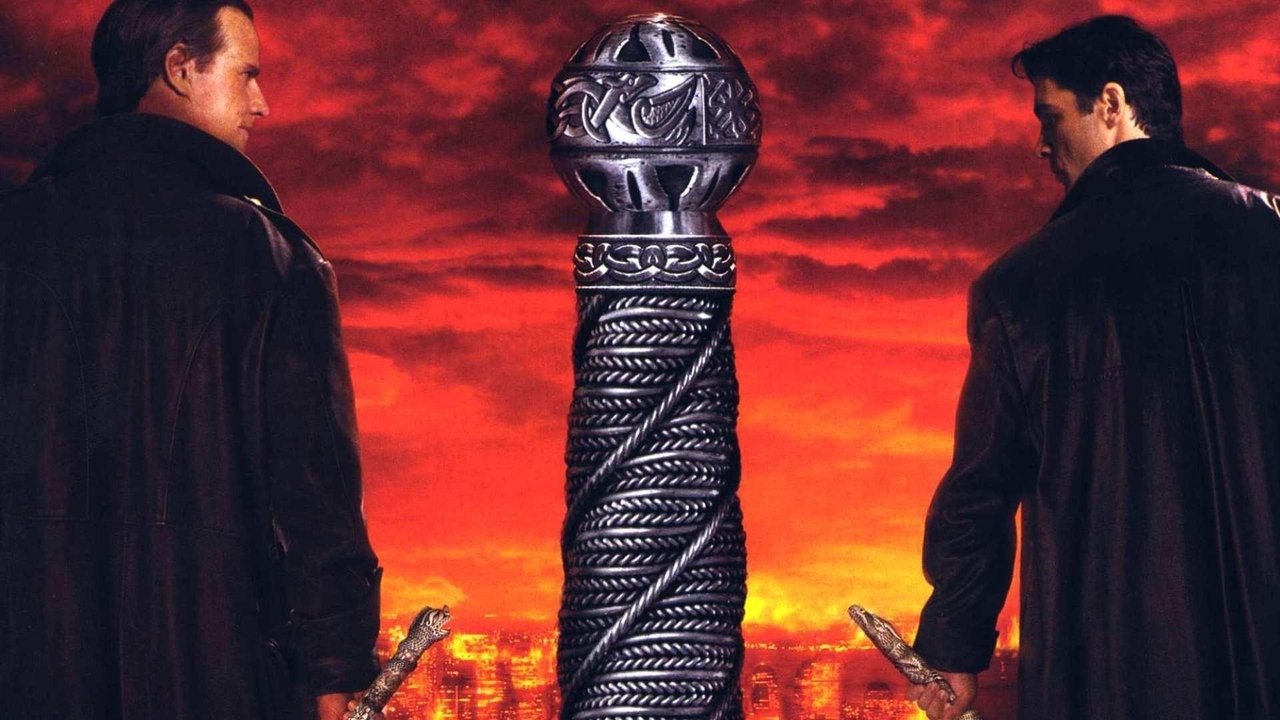
Let's talk action. Directed by Douglas Aarniokoski, who cut his teeth as an assistant director on action-heavy films like Robert Rodriguez's From Dusk Till Dawn (1996), Endgame certainly tries to deliver epic swordplay. You can see the influence of late-90s action filmmaking – think wire-fu, slow-motion flourishes, and a generally slicker presentation than the raw, almost clumsy (in a good way!) clashes of the original movie.
Crucially, legendary martial arts star Donnie Yen not only appears as the immortal Jin Ke but also served as the martial arts choreographer for several sequences. You can spot his influence in some of the more stylized duels. However, this was also the era where CGI was becoming more accessible but hadn't quite hit its stride. While there are still plenty of practical sparks flying from clashing blades and some decent stunt work, there’s also that slightly floaty wirework and early digital compositing that screams "Year 2000." It doesn't quite have the visceral, grounded feel of Connor and the Kurgan battling it out on that rooftop back in '86, does it? That sense of real weight and danger feels… diluted. A fascinating "Retro Fun Fact": the film reportedly underwent significant reshoots and re-edits, resulting in different versions (including a Producer's Cut) that tried to balance the action and character arcs differently. This tinkering might explain some of the uneven pacing and tonal shifts.
### A Legacy Entangled
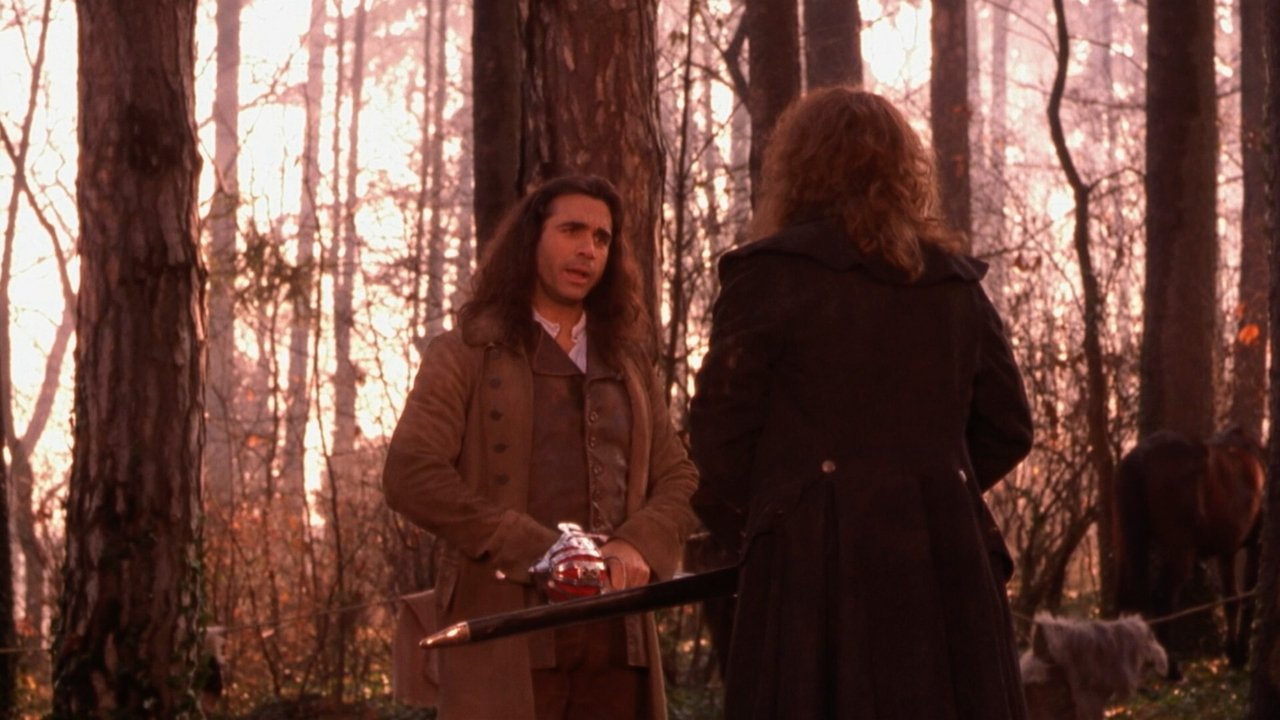
Endgame arrived at a tricky time. The original Highlander was a certified cult classic, a VHS staple defined by its brooding atmosphere, Queen soundtrack, and Sean Connery's delightful Spanish-Egyptian-Scotsman Ramirez. The TV series, while initially met with skepticism, had built a loyal following through Adrian Paul's charisma and deeper world-building. Trying to merge these wasn't easy, and the film often feels caught between worlds. The plot, involving Kell hunting down Connor's loved ones across centuries and assembling a crew of immortals immune to the rules of The Game (sort of), gets pretty convoluted. Remember trying to keep track of all the flashbacks and shifting allegiances?
It throws a lot at the wall – Sanctuary, Watchers gone rogue, Methos making brief appearances – hoping to satisfy everyone, but perhaps satisfying few completely. Lisa Barbuscia plays Kate/Faith, Duncan’s resurrected love interest, adding another layer of angst and supernatural shenanigans. Critically, the film didn't fare well, and its box office ($15 million worldwide against a reported $25 million budget) reflected a franchise struggling to find its footing in a new decade. It wasn't the triumphant return many hoped for, feeling less like a grand finale and more like a complicated, slightly messy epilogue.
### The Final Cut
So, how does Highlander: Endgame hold up when you pop that hypothetical tape in today? It's a fascinating artifact, an ambitious attempt to unite two strands of a beloved universe that doesn't quite stick the landing. Adrian Paul carries the dramatic weight effectively, and Bruce Payne is undeniably entertaining as the villain. The action has moments of flair, thanks in part to Donnie Yen, but it lacks the raw impact of its predecessors, caught in that awkward transition phase of early 2000s effects. The plot is dense, sometimes confusing, and the handling of Connor MacLeod remains a point of contention for many purists.
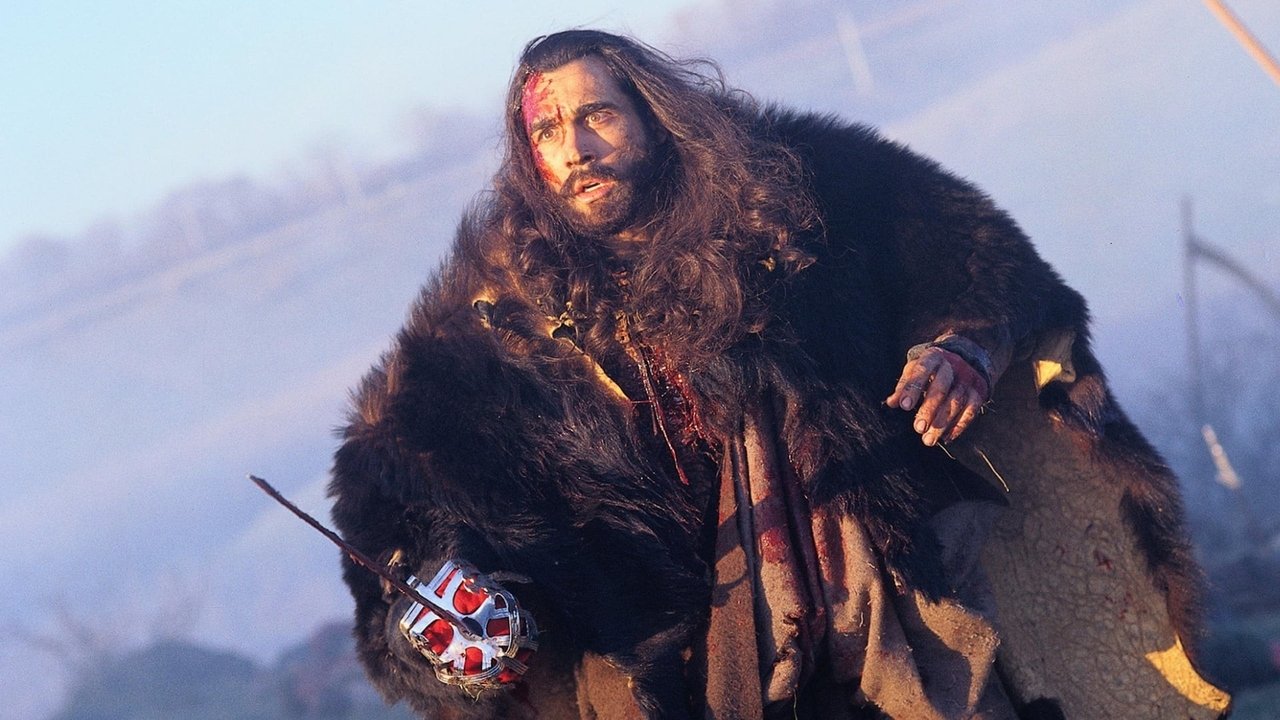
Rating: 5/10
Why this score? It earns points for its sheer ambition, bringing the two MacLeods together and featuring a committed performance from Adrian Paul. Bruce Payne is a memorable villain, and there's some interesting action choreography. However, it loses significant points for its convoluted plot, uneven tone, questionable handling of established lore (especially regarding Connor), and visual effects that haven't aged particularly well. It tried to be epic, but ended up feeling more like a tangled web.
Final Thought: Endgame is the cinematic equivalent of that mixtape you made in 2000 – full of bold choices trying to bridge different eras, ultimately a bit messy, but holding a certain nostalgic curiosity if you were invested in the saga back then. Just don't expect the timeless magic of the original Quickening.