Here’s a review for Leap of Faith, tailored for "VHS Heaven":
***
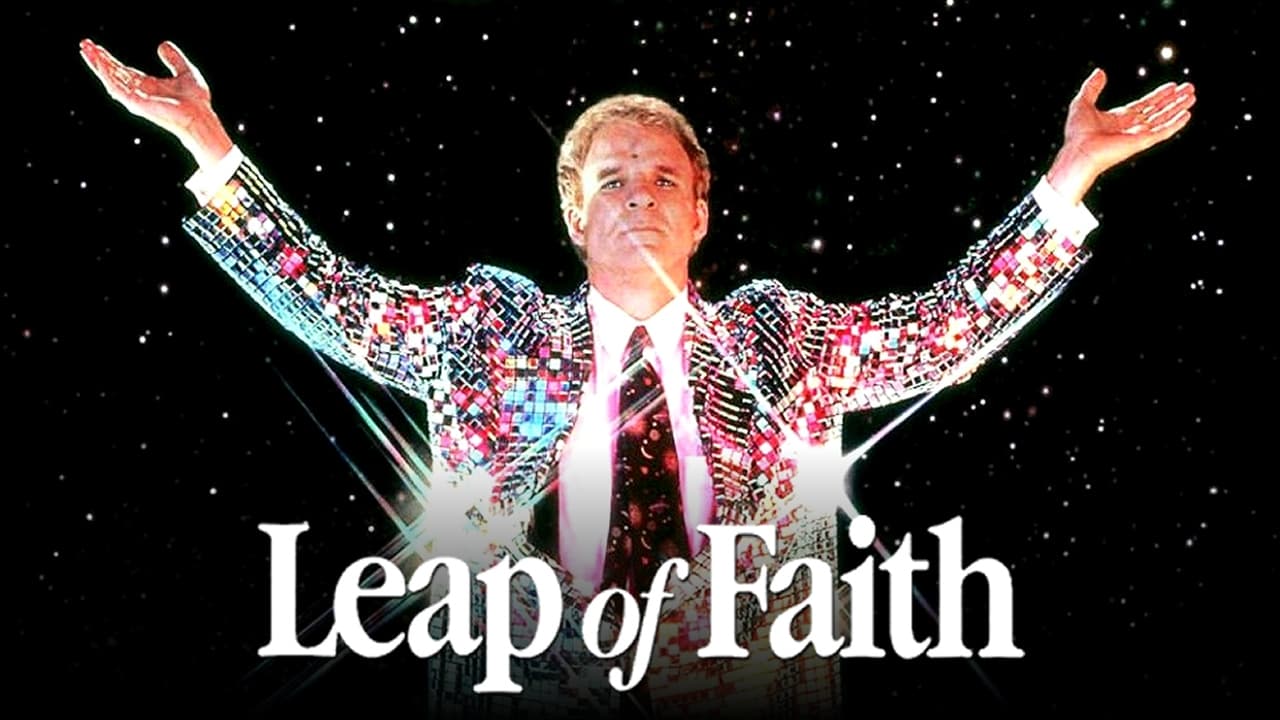
The air hangs thick and heavy, doesn't it? Not just with the dust kicked up by battered tour buses rolling into a drought-stricken Kansas town, but with anticipation. That’s the feeling that washes over you early in Richard Pearce's Leap of Faith (1992), a film that arrived on video store shelves promising the familiar face of Steve Martin, but delivered something far more complex and, ultimately, resonant. I remember grabbing this tape, maybe expecting a broad comedy about religious hucksters, only to find myself drawn into a surprisingly thoughtful exploration of faith, fraud, and the murky space where they sometimes overlap.
The Show Must Go On
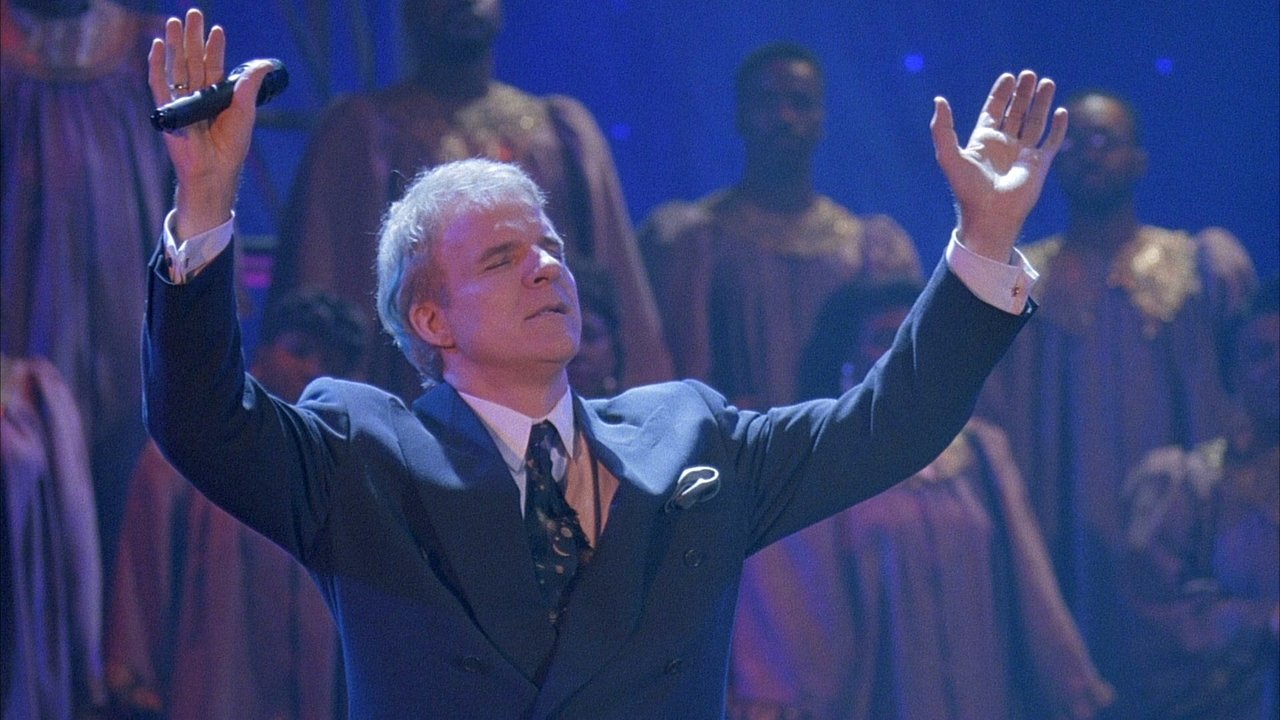
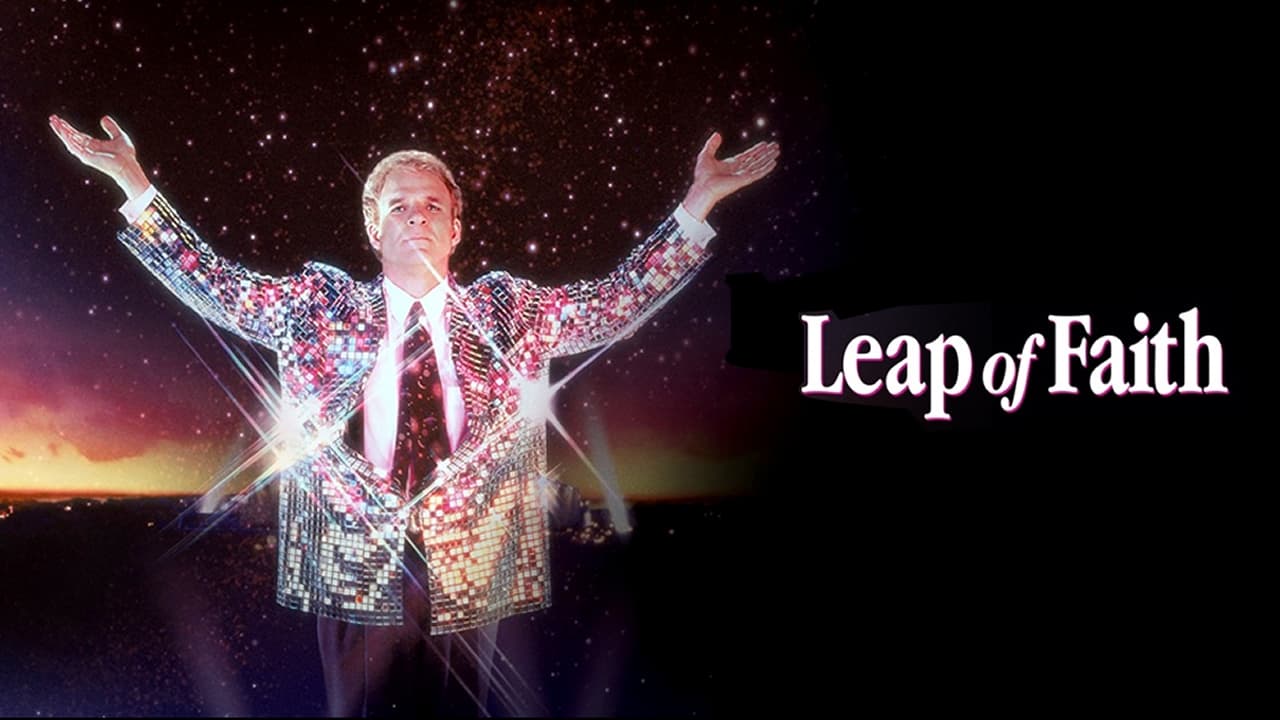
At the center of the storm is Jonas Nightengale (Steve Martin), a charismatic, utterly cynical evangelist preacher whose traveling revival show is less about saving souls and more about separating the desperate from their dollars. He’s a performer, a con artist extraordinaire, orchestrating phony healings and miracles with military precision, aided by his sharp, pragmatic manager Jane Larson (Debra Winger) and a crew adept at manipulating hope. Their operation is a well-oiled machine, relying on hidden earpieces, advance scouts gathering intel on the locals, and Jonas's own mesmerizing stage presence. It’s a fascinating, almost uncomfortable look behind the curtain of manufactured belief. The film doesn't shy away from the mechanics of the deception; writer Janus Cercone reportedly spent time observing real faith healers, and that research lends a disturbing authenticity to the proceedings.
Beyond the Wild and Crazy Guy
What truly elevates Leap of Faith beyond a simple exposé is Steve Martin's performance. Seeing him here, shedding the arrow-through-the-head persona that defined much of his 80s output, was a revelation back in '92. Jonas isn't just a villain; he's a weary showman trapped in his own act, keenly aware of the emptiness behind the spectacle. Martin imbues him with a restless energy, a quick wit bordering on cruelty, but also hints of a buried vulnerability. It’s a performance that avoids easy caricature, allowing us to see the calculating mind and the flicker of something else – perhaps regret, perhaps just exhaustion. It's a turn that deserved more recognition at the time, showcasing a dramatic depth many might not have expected from the star of The Jerk (1979) or Planes, Trains & Automobiles (1987).
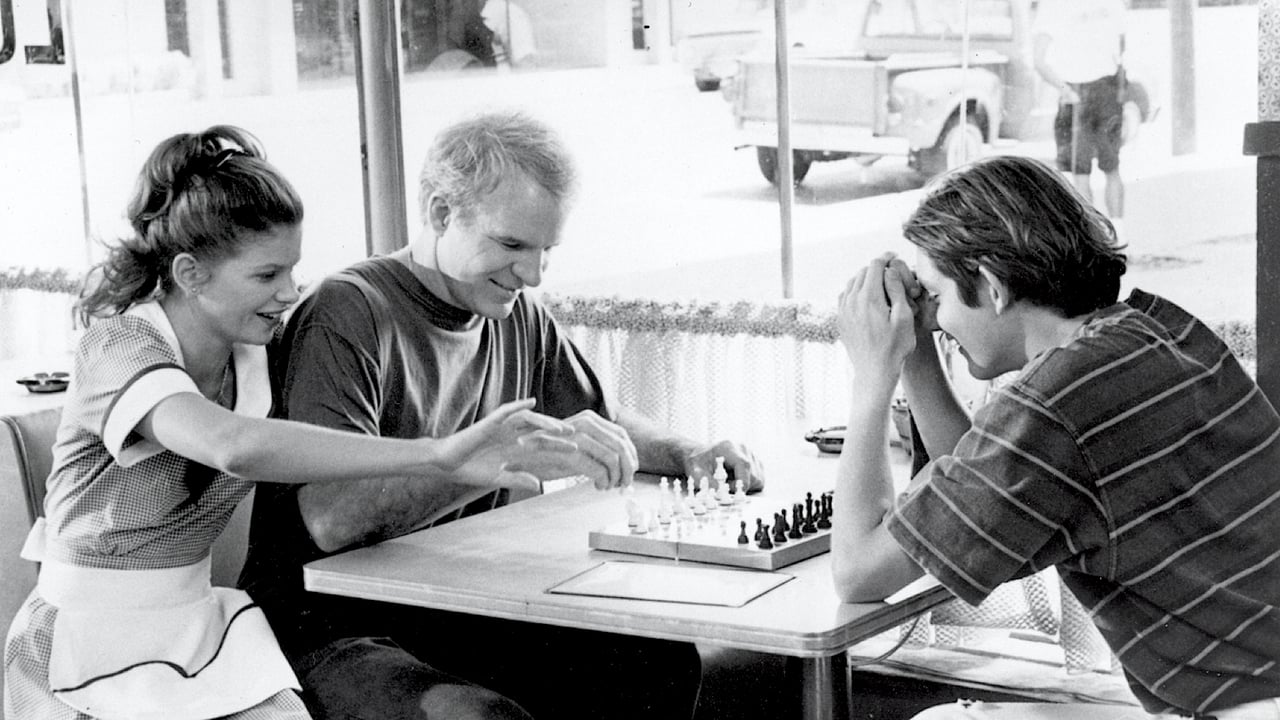
Equally crucial is Debra Winger as Jane. Fresh off powerful roles in films like An Officer and a Gentleman (1982) and Terms of Endearment (1983), she grounds the film with a weary intelligence. Jane is the ultimate skeptic, the one who knows exactly how the trick works because she helps run it. Her relationship with Jonas is complex – part business partner, part enabler, part reluctant conscience. Winger plays Jane not as a foil, but as a mirror, reflecting the toll this life takes. Her interactions with the earnest local sheriff, Will Braverman (Liam Neeson, bringing his characteristic quiet intensity), who is immediately suspicious of Jonas's circus, create a compelling triangle of belief, cynicism, and burgeoning connection.
Rustwater Reflections
The film masterfully captures the atmosphere of Rustwater, Kansas (actually filmed primarily in Plainville and other Kansas towns, adding to the authentic feel), a place desperate for rain and ripe for Jonas's brand of manufactured hope. Pearce, who previously directed the grounded rural dramas Heartland (1979) and Country (1984), uses the stark landscapes and the hopeful faces in the revival tent crowd to great effect. The contrast between the slick, high-tech deception orchestrated by Jonas's team (including early appearances by Meat Loaf and Philip Seymour Hoffman!) and the simple faith of the townspeople, like Marva (Lolita Davidovich) and her disabled brother Boyd (Lukas Haas), is stark and moving. Does their faith make them susceptible, or does it hold a power Jonas can't comprehend?
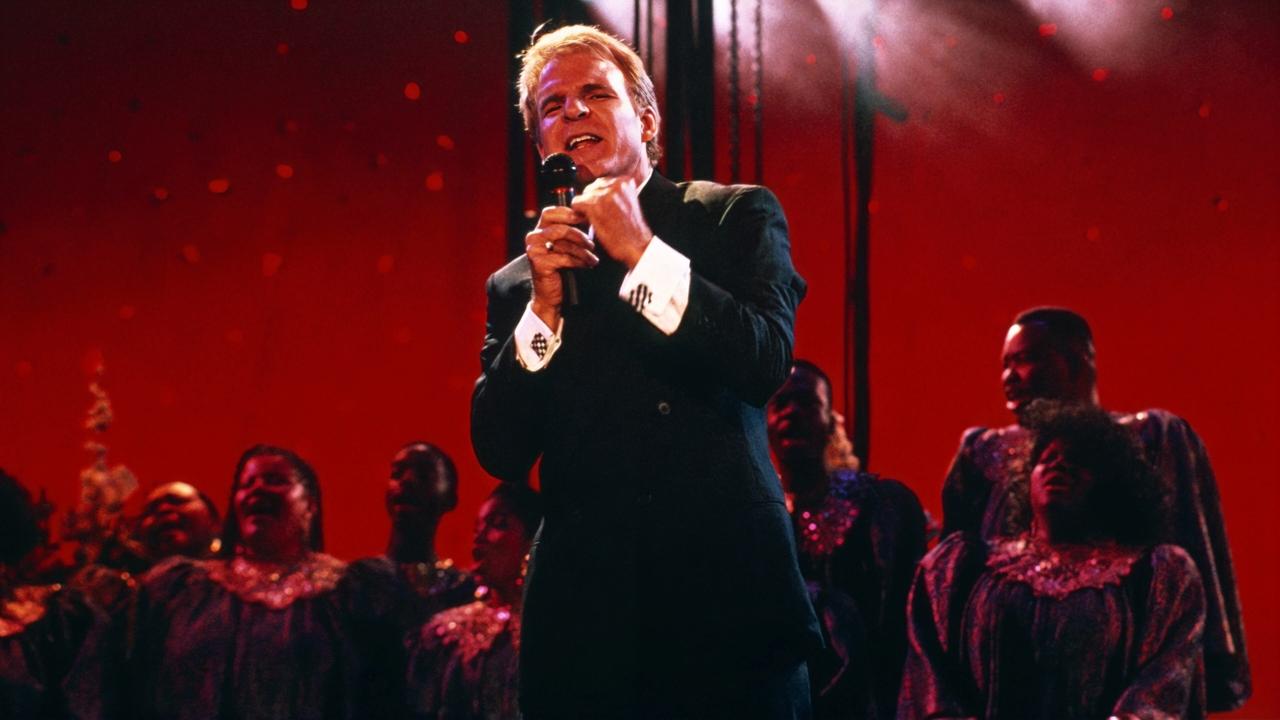
The gospel music is another undeniable star here. The choir performances feel electric, genuinely uplifting even within the context of Jonas's fraud. It raises the question: can something beautiful and true emerge even from deceitful origins? The music provides moments of genuine spiritual energy that contrast sharply with Jonas's calculated theatrics.
Where Does Belief Take Root?
Leap of Faith isn't about easy answers. It doesn't condemn faith itself, but rather the cynical manipulation of it. The film dares to ask whether genuine miracles can occur even amidst profound fraud, or if the belief itself holds transformative power, regardless of the source. Spoiler Alert! The climax, involving Boyd and the possibility of a real miracle, remains deliberately ambiguous. Does Jonas facilitate something genuine, or is it another layer of showmanship, perhaps one that even surprises himself? The film leaves you pondering that long after the credits roll. What does it mean when the con man starts to wonder if maybe, just maybe, there’s something more at play?
This wasn't a blockbuster hit – its roughly $23 million domestic gross barely covered its estimated budget – and critical reception was somewhat divided. Yet, revisiting it now, its subtleties shine through. It feels like a mature, thoughtful piece of 90s filmmaking that trusted its audience to grapple with complex themes.
Rating: 7.5/10
This score reflects a film anchored by a career-best dramatic performance from Steve Martin, strong support from Debra Winger and the ensemble, and a compelling exploration of faith and doubt. While perhaps a touch predictable in its narrative arc at times, its atmospheric direction and willingness to embrace ambiguity make it a standout character study from the era.
It’s a film that stays with you, less for its plot twists and more for the questions it poses about the human need to believe, and the strange paths redemption can sometimes take, even for a man who sells miracles he doesn't believe in. Definitely worth dusting off that old tape or seeking it out for a rewatch.