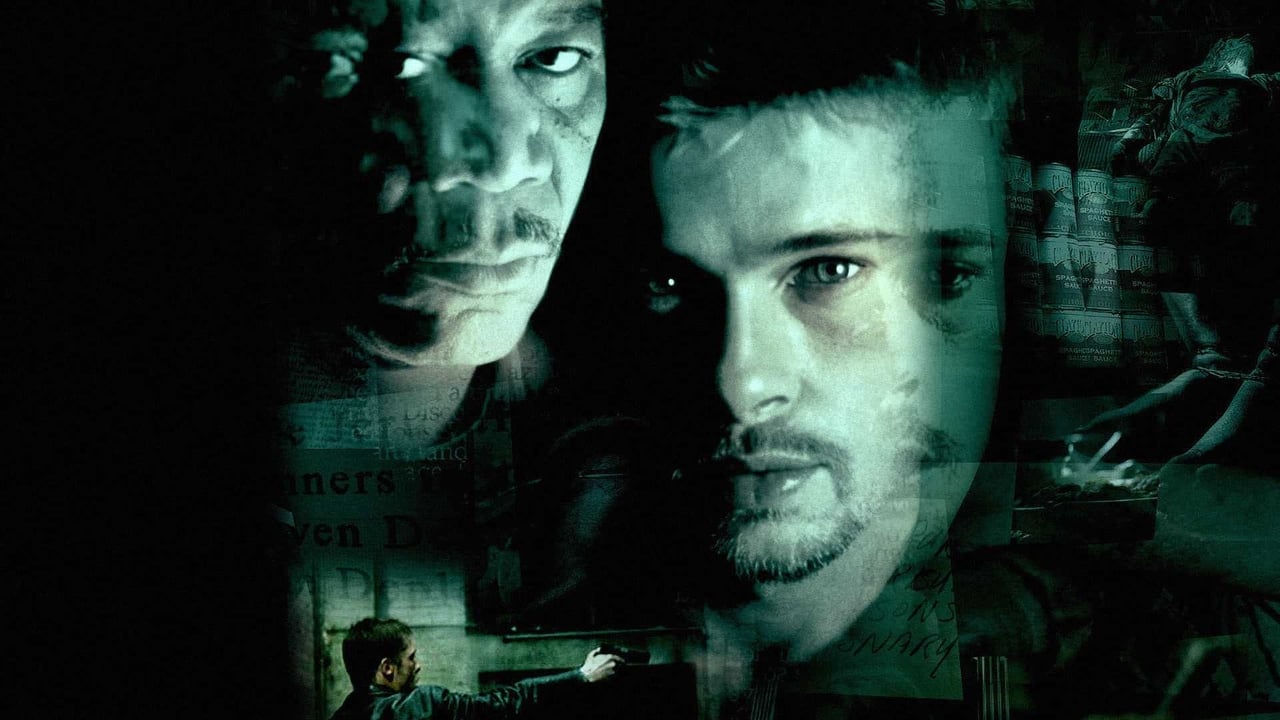
It doesn't just rain in David Fincher's suffocating world; it pours. A relentless, soul-drenching torrent that mirrors the moral decay eating away at the unnamed, eternally twilight city. Stepping into Se7en (1995) again feels less like watching a movie and more like succumbing to a fever dream – one meticulously crafted to leave you chilled, unsettled, and perhaps questioning the very air you breathe. Forget jump scares; this is a film that crawls under your skin and stays there, a masterclass in sustained dread delivered on a grimy, rain-slicked platter.
### City of Perpetual Night
From its instantly iconic, deeply unnerving opening credits sequence – a jagged, disturbing montage scored by Nine Inch Nails' "Closer" (in a remix by Coil) that reportedly took Kyle Cooper, the title designer, longer to perfect than some entire films take to shoot – Se7en establishes its relentless tone. This isn't the slick, stylized crime thriller that was becoming common; this is something dirtier, more visceral. Cinematographer Darius Khondji, working closely with Fincher (who'd just come off the troubled production of Alien 3 and needed a hit), employed a then-uncommon bleach bypass process on the film print. This crushed the blacks, muted the colours, and gave everything that signature sickly, high-contrast look. It's a city perpetually caught between bruised twilight and inky blackness, where sunlight seems like a forgotten myth. Even the constant downpour wasn't always natural; Fincher’s insistence on perpetual rain meant massive rain machines were employed throughout the shoot, adding another layer to the oppressive atmosphere and, no doubt, the crew's workload.
### The Weary and the Wired
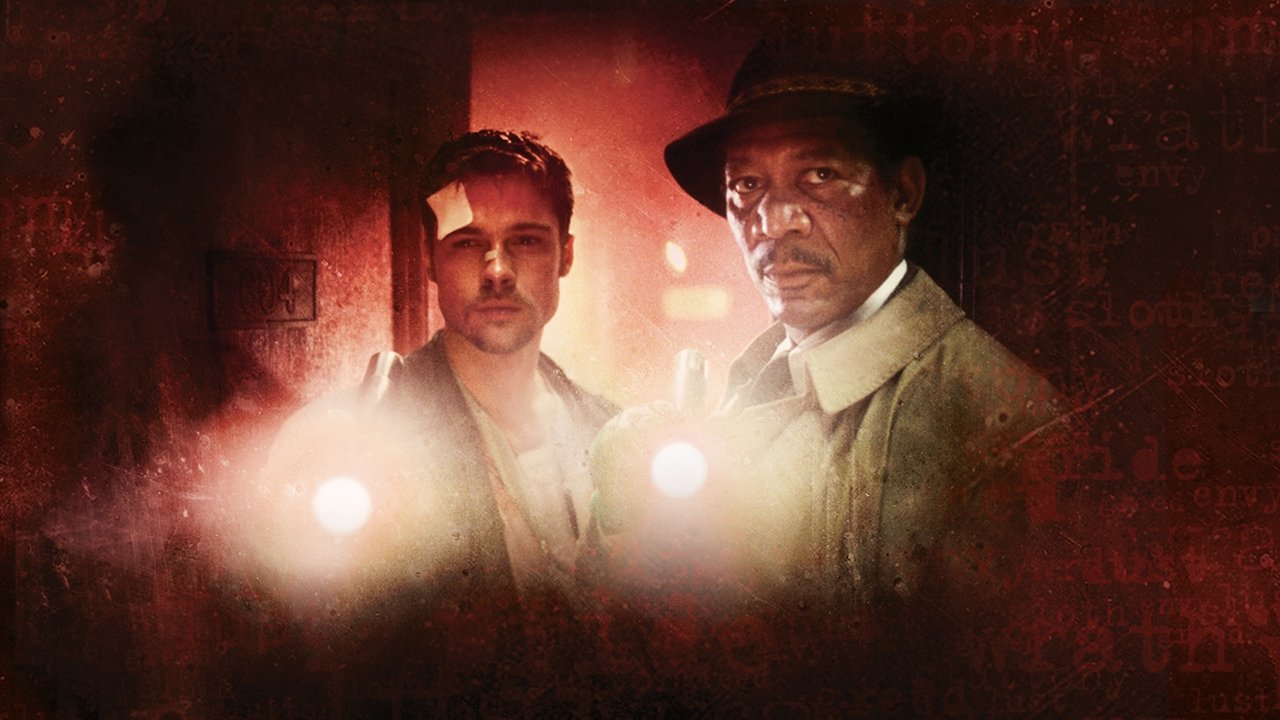
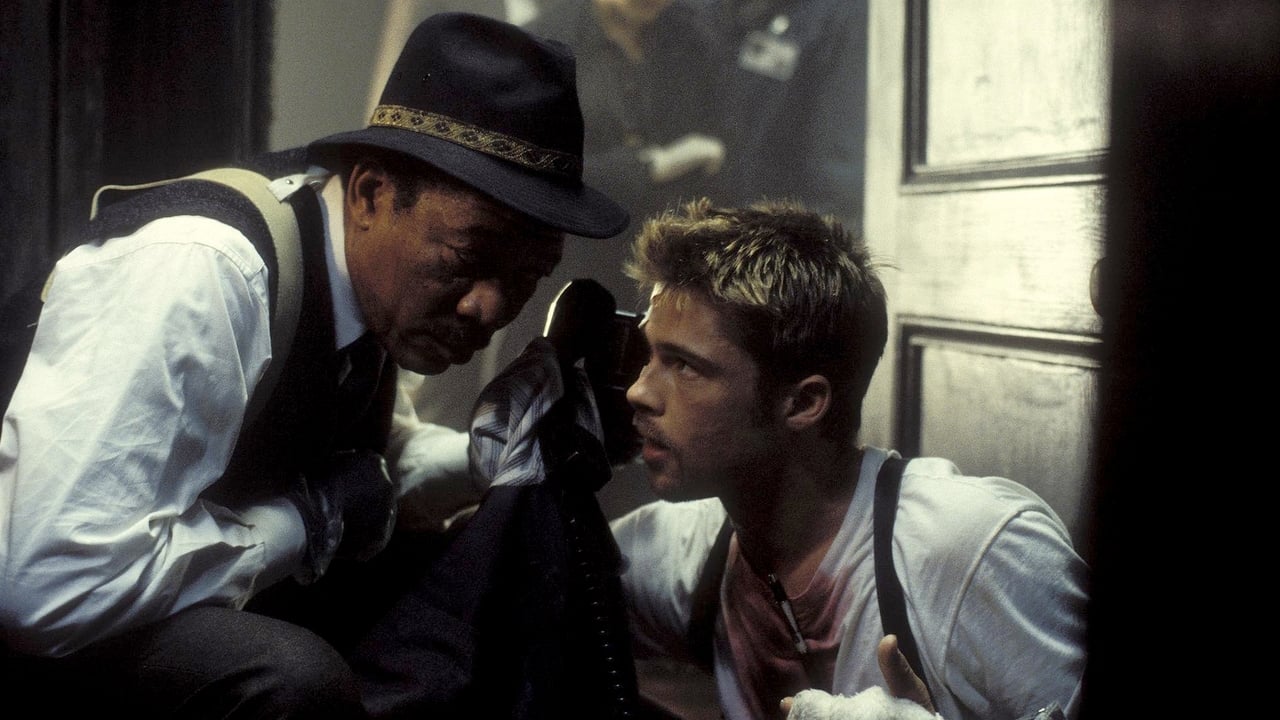
At the heart of this gloom are Detectives Somerset and Mills. Morgan Freeman embodies world-weariness as Somerset, the veteran homicide detective just days from retirement, literate, methodical, and utterly exhausted by the darkness he's waded through for years. He delivers lines steeped in bleak poetry, a reluctant guide through this urban hellscape. Freeman, initially considered for the Mills role, rightly felt Somerset was the better fit, bringing a gravitas that anchors the film. Contrast him with Brad Pitt’s Detective Mills – young, impulsive, idealistic (in a cynical sort of way), and utterly unprepared for the abyss he’s about to stare into. Pitt, eager to break away from lighter fare, threw himself into the role, even suffering a genuine injury during a chase scene where he smashed his arm through a car windshield – an incident cleverly written into the script, explaining Mills' arm sling for much of the film. Their dynamic, the jaded mentor and the hot-headed protégé, could be cliché, but writer Andrew Kevin Walker’s sharp script and the actors' committed performances elevate it far beyond formula. Walker famously wrote the script during a bleak period living in New York City and working at a Tower Records, channeling his disillusionment onto the page; Fincher reportedly received the script by mistake but was immediately captivated by its darkness.
### Method in the Madness
The film's structure, revolving around a serial killer thematically executing victims based on the seven deadly sins, is brilliantly insidious. Each crime scene is a grotesque tableau, pushing the boundaries of mainstream cinematic horror in 1995. These weren't just murders; they were elaborate, nightmarish installations. The level of detail was obsessive – John Doe's infamous notebooks, glimpsed throughout the film, were genuinely filled cover-to-cover with disturbed writings and illustrations, a task that took two months and cost thousands of dollars, all for props that are barely onscreen for long but add immeasurable texture. These weren't just props; they felt like artifacts from a genuinely fractured mind. The production design, meticulously overseen by Arthur Max, is crucial – every peeling paint flake, every water stain, every grimy windowpane contributes to the overwhelming sense of decay. Even the locations whisper dread, often filmed in rundown areas of Los Angeles deliberately chosen for their oppressive feel.
### That Ending (Spoiler Alert!)
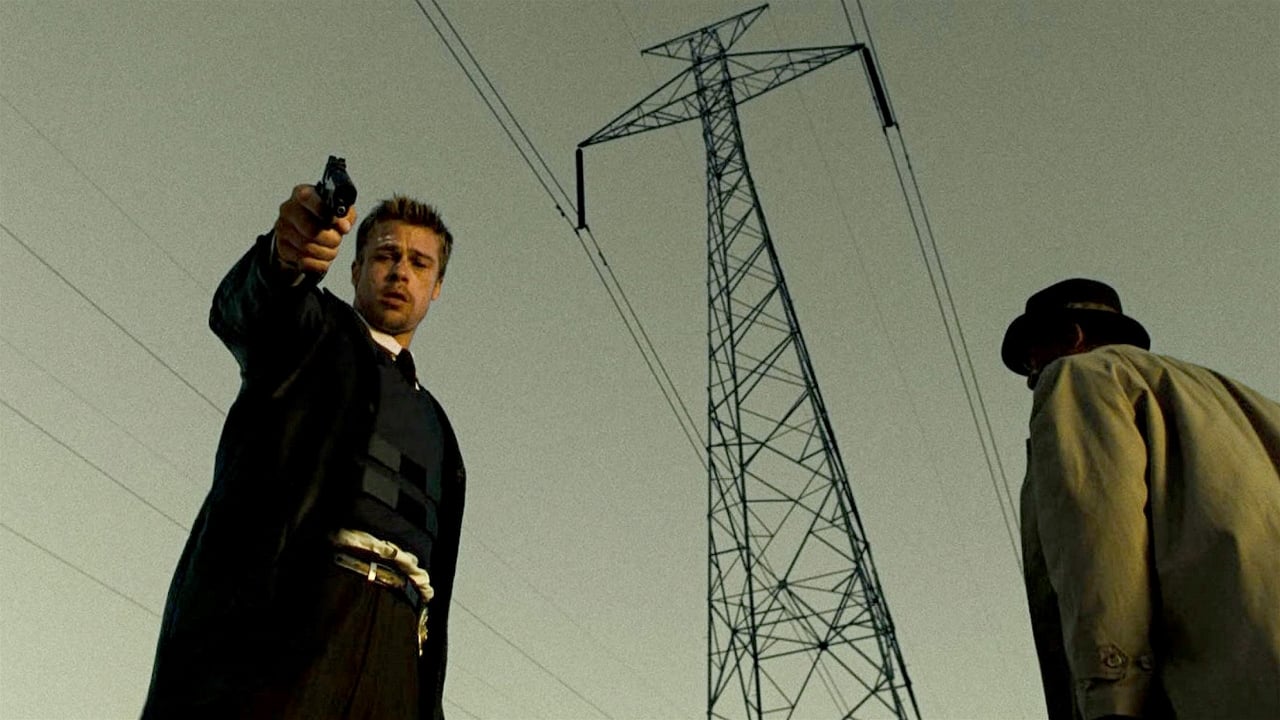
And then there's the ending. Even now, knowing it's coming, it retains its power to shock and devastate. New Line Cinema executives were famously horrified by Walker's original climax and desperately pushed for a lighter, more conventional resolution. Legend has it that Fincher received the original draft by mistake (the studio sent it before a revised, happier ending was written) and fell in love with its bleakness. Both Fincher and Brad Pitt essentially told the studio they wouldn't make the film without that gut-punch finale. It’s a testament to their conviction (and perhaps Pitt's rising star power giving him leverage) that they prevailed. It’s an ending that refuses easy answers, that drags the audience into the same despair engulfing the characters. The brief, almost unwilling appearance of Kevin Spacey as John Doe, whose name was deliberately kept out of the opening credits and all initial marketing to preserve the shock of his reveal, is chilling perfection. His calm, articulate monstrosity is perhaps more terrifying than any cackling villain. Doesn't that final, desolate landscape perfectly encapsulate the film's crushing thesis?
### Legacy in Shadow
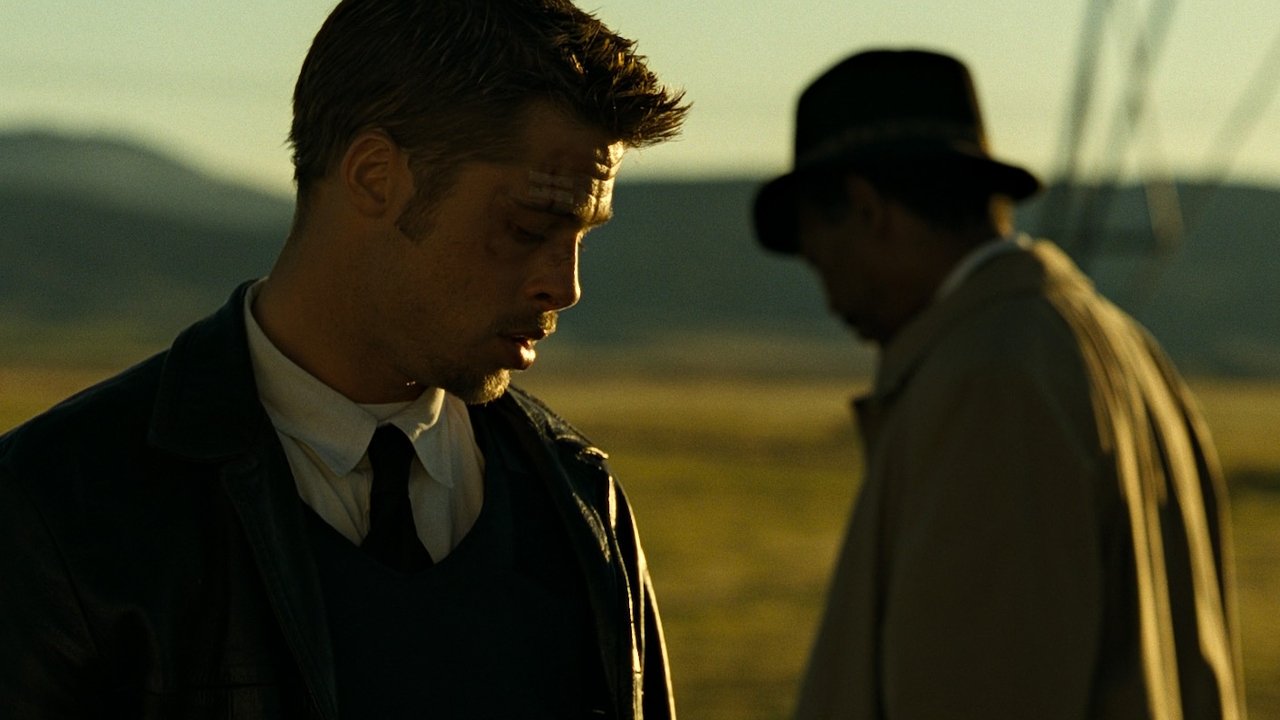
Se7en wasn't just a movie; it felt like an event. In an era often defined by brighter blockbusters, its $100 million domestic gross ($327 million worldwide against a $33 million budget – that's roughly $640 million today) proved there was a massive audience for intelligent, uncompromisingly dark thrillers. It arguably revitalized the genre, paving the way for countless imitators, though few captured its specific blend of procedural detail, gothic horror, and philosophical despair. It cemented David Fincher as a major directorial talent with a distinct, influential visual style. Watching it on VHS back in the day, hunched close to the CRT glow, felt like handling something dangerous, something potent. My own tape got worn thin from rewinds, trying to absorb every detail of those crime scenes, decipher Somerset's weary wisdom, and brace for that unforgettable final act.
Rating: 9.5/10
The near-perfect score reflects its masterful execution across the board – direction, script, performances, cinematography, and production design all coalesce into a singular, chilling vision. It’s a relentless, often harrowing experience, but one crafted with such intelligence and skill that it remains utterly compelling. Se7en doesn't just linger; it stains. It’s a high-water mark for the psychological thriller, a film whose pervasive dread feels just as potent today, reminding us that sometimes the most terrifying monsters are chillingly, horrifyingly human. It redefined grim and proved darkness could be box office gold.