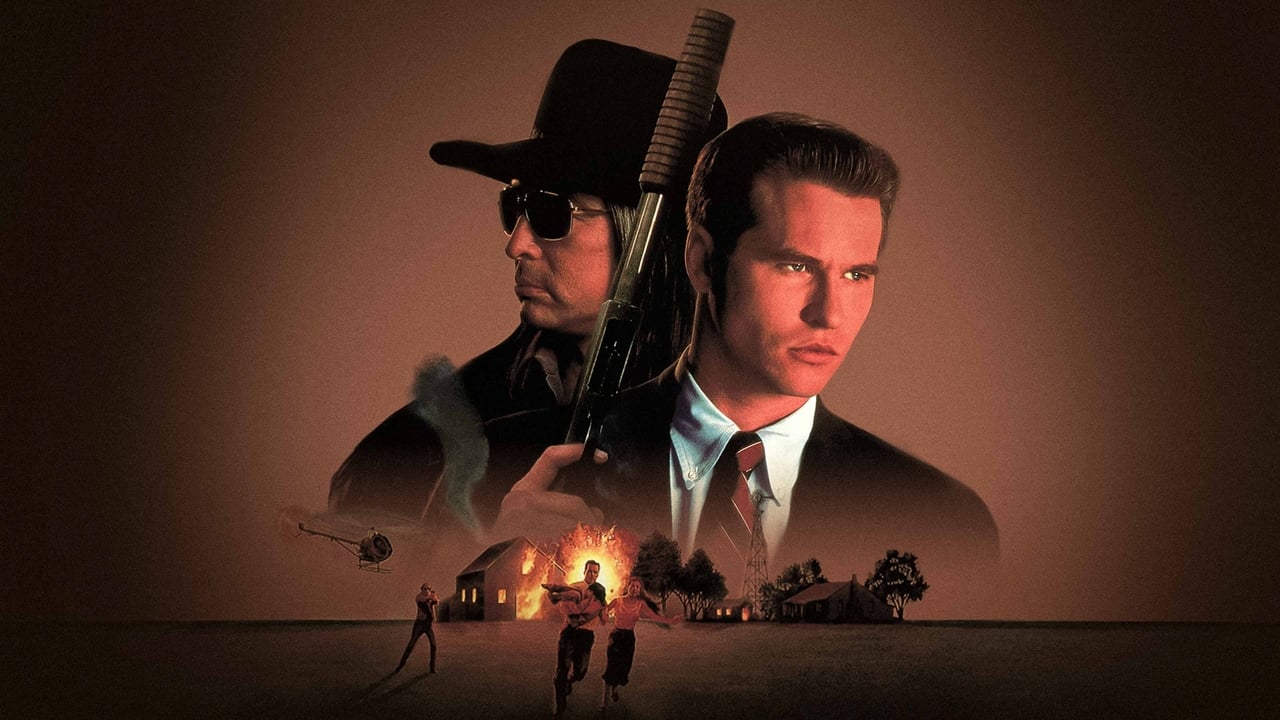
There's a quiet intensity that settles over you when watching Michael Apted's Thunderheart (1992), a feeling as palpable as the dust kicked up on the sun-baked roads of the South Dakota Badlands it so vividly portrays. It wasn't the loudest thriller on the video store shelf back in the day, often overshadowed by more explosive fare. Yet, revisiting it now, its power feels undiminished, perhaps even amplified by the passage of time. It’s a film that begins like a straightforward procedural but quickly spirals into something far more complex – a journey into the heart of cultural conflict, political corruption, and one man's fractured identity.
Where Two Worlds Collide
We're introduced to Ray Levoi (Val Kilmer), a young, ambitious FBI agent eager to prove himself. He's sharp, detached, and carries a secret he barely acknowledges: his own Sioux heritage, a fact his superiors cynically exploit when dispatching him to the Pine Ridge Indian Reservation to investigate the murder of a tribal member. Levoi arrives clad in the armor of federal authority – crisp suit, city shoes, and a carefully constructed wall around his own past. What unfolds is less a standard whodunit and more a gradual, painful stripping away of that armor. Kilmer, then riding high after The Doors (1991) and heading towards Tombstone (1993), delivers one of his most nuanced and compelling performances here. He embodies Levoi's initial arrogance and discomfort, the subtle shifts as the land and its people begin to seep under his skin, forcing him to confront the heritage he's long suppressed. You see the conflict playing out in his eyes long before he speaks it. It’s a portrayal that feels deeply internalised, born from Kilmer reportedly immersing himself in the reservation's culture during preparation.
Beyond the Badge: Authenticity and Apted's Eye
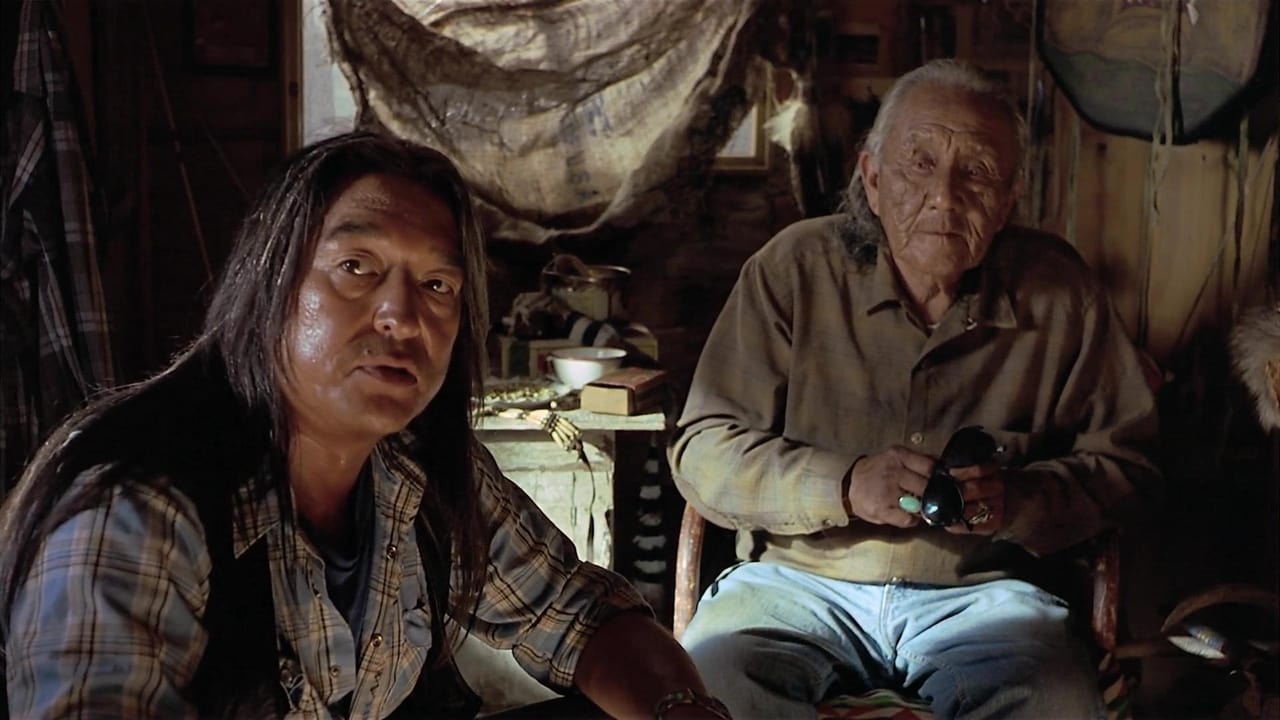
What truly elevates Thunderheart is its commitment to a certain authenticity, rare for Hollywood thrillers tackling Native American subject matter at the time. Director Michael Apted, renowned for his sensitive handling of real lives in films like Coal Miner's Daughter (1980) and his groundbreaking Up documentary series, brings a grounded realism to the proceedings. This wasn't just another assignment for Apted; remarkably, in the very same year, he released the powerful documentary Incident at Oglala, exploring the real-life events surrounding Leonard Peltier and the violent unrest on Pine Ridge in the 1970s that loosely inspired Thunderheart's narrative backdrop. This dual focus lends the fictional story an undeniable weight, a sense that the conflicts depicted – poverty, systemic neglect, the clash between traditional ways and federal interference represented by the ominously named GOONs (Guardians of the Oglala Nation) – are rooted in painful reality.
The screenplay, penned by John Fusco (who also wrote Young Guns (1988)), stemmed from his own experiences living on the Pine Ridge Reservation. This personal connection likely contributed to the film’s more respectful and nuanced portrayal of the Lakota Sioux culture and spirituality, moving beyond stereotypes to depict a community grappling with complex issues. Filming on location in the starkly beautiful, yet challenging, landscapes of South Dakota's Badlands and Pine Ridge itself further anchors the film in a specific, tangible reality. The environment isn't just scenery; it's practically a character in itself, ancient and enduring, silently witnessing the human drama unfolding upon it.
Wisdom and Weariness: Supporting Roles That Shine

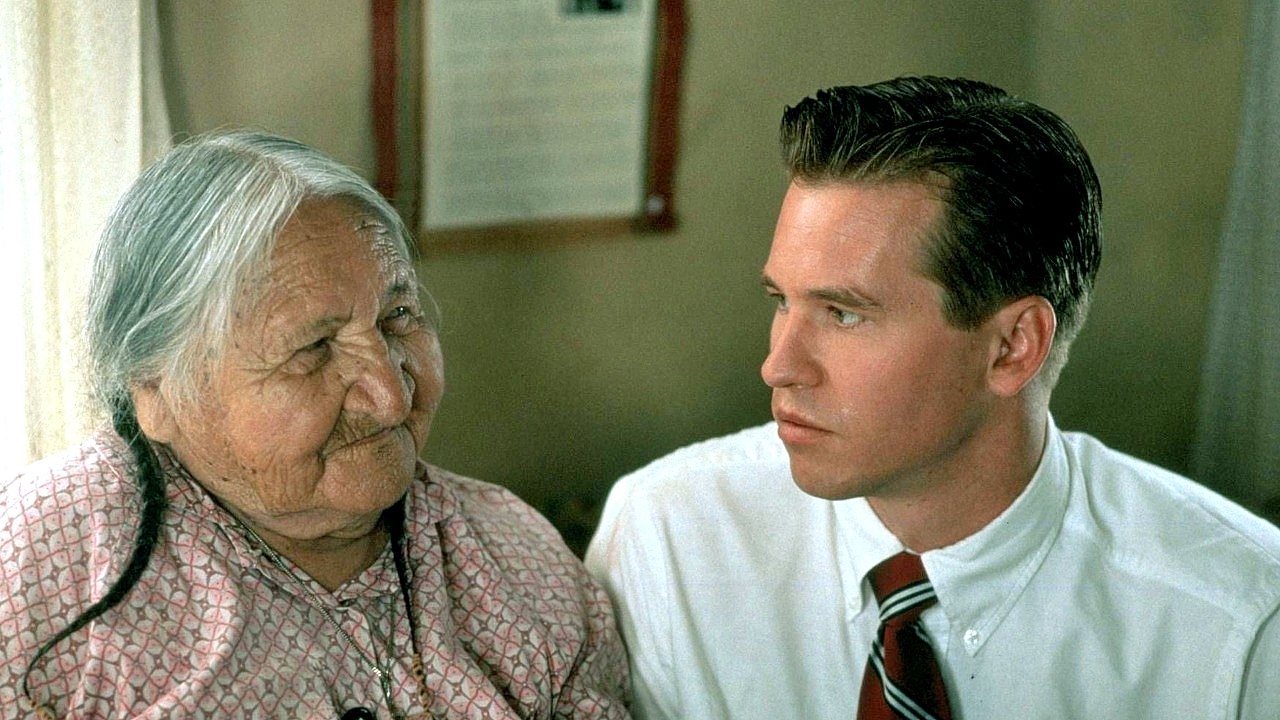
Kilmer doesn't navigate this treacherous terrain alone. Sam Shepard, brings his signature world-weary gravitas to Frank Coutelle, Levoi's veteran FBI partner and mentor figure. Coutelle is a fascinating foil – cynical, perhaps compromised, yet possessing a deeper understanding of the reservation's complex dynamics than Levoi initially grasps. Their shifting relationship forms one of the film's core tensions.
And then there's Graham Greene as Walter Crow Horse, the tribal police officer. Fresh off his Oscar-nominated turn in Dances with Wolves (1990), Greene is simply magnetic. Crow Horse is sharp, wryly humorous, deeply connected to his community, and instantly sees through Levoi's carefully constructed facade. He serves as both guide and challenger, embodying a pragmatic wisdom grounded in lived experience. His interactions with Kilmer are electric, crackling with suspicion, grudging respect, and moments of unexpected connection. Greene’s presence lends invaluable authenticity and heart to the film. Remember seeing him on screen back then? He had this incredible ability to convey so much with just a look.
A Thriller with a Soul
While deeply invested in its characters and themes, Thunderheart doesn't forget it's also a thriller. Apted builds suspense effectively, utilizing the desolate landscapes to create a sense of isolation and vulnerability. There are tense standoffs, sudden bursts of violence, and a steadily mounting conspiracy that feels chillingly plausible. The investigation itself, involving tribal elders, militant activists, and shadowy federal interests tied to resource exploitation (a uranium mining subplot feels depressingly prescient), keeps the narrative driving forward. Yet, the film never sacrifices its thematic depth for cheap thrills. The violence, when it comes, feels consequential, rooted in the deep-seated tensions simmering just beneath the surface. It cost around $20 million to make back then and pulled in about $22.7 million domestically – maybe not a blockbuster smash, but its life on VHS and cable cemented its place for many of us as a truly compelling 90s drama.
The film isn’t afraid to explore the spiritual aspects of Lakota culture, integrating visions and traditional beliefs into Levoi's journey without condescension. These elements feel earned, representing the gradual opening of Levoi's mind to a different way of seeing the world, a way connected to the land and his ancestors. It asks profound questions: What does it mean to belong? How do we reconcile progress with tradition? Can justice prevail against entrenched power structures? Doesn't Levoi's struggle to connect with his roots echo challenges many face in understanding their own heritage?
Rating and Final Reflection
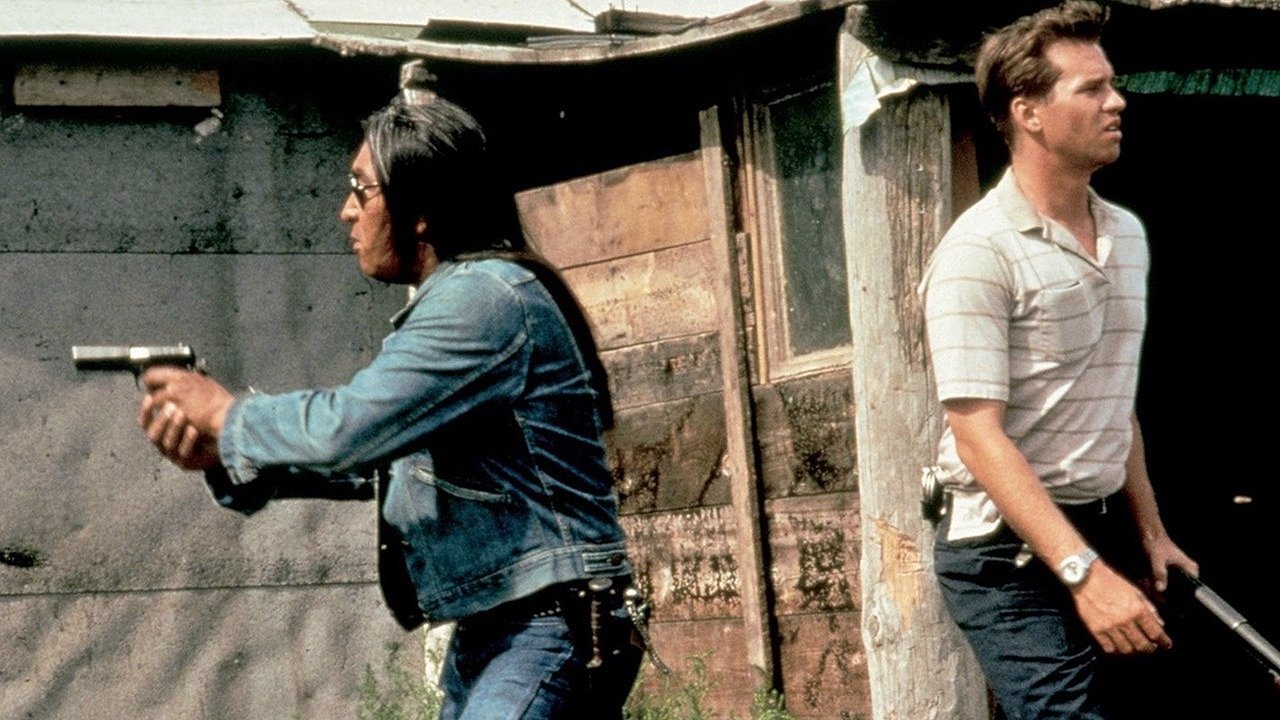
Thunderheart is a film that lingers. It’s a thoughtful, atmospheric thriller anchored by strong performances, particularly from Kilmer and Greene, and guided by Apted’s sensitive direction. It tackles complex issues with a gravity often missing from mainstream genre fare, striving for a nuanced perspective that feels even more relevant today. While perhaps adhering to some thriller conventions, its thematic depth and genuine sense of place elevate it considerably. Finding this tape back in the day truly felt like discovering something special, something with substance beneath its intriguing cover art.
Rating: 8/10
This score reflects the film's exceptional performances, its potent atmosphere, respectful handling of sensitive subject matter, and its enduring thematic resonance. It successfully blends genre thrills with a compelling character study and social commentary. Thunderheart remains a powerful piece of 90s cinema, a quiet storm of a movie that reminds us that sometimes the most profound mysteries lie not in the crime, but within ourselves and the history we carry. What ghosts from the past does it stir in you?