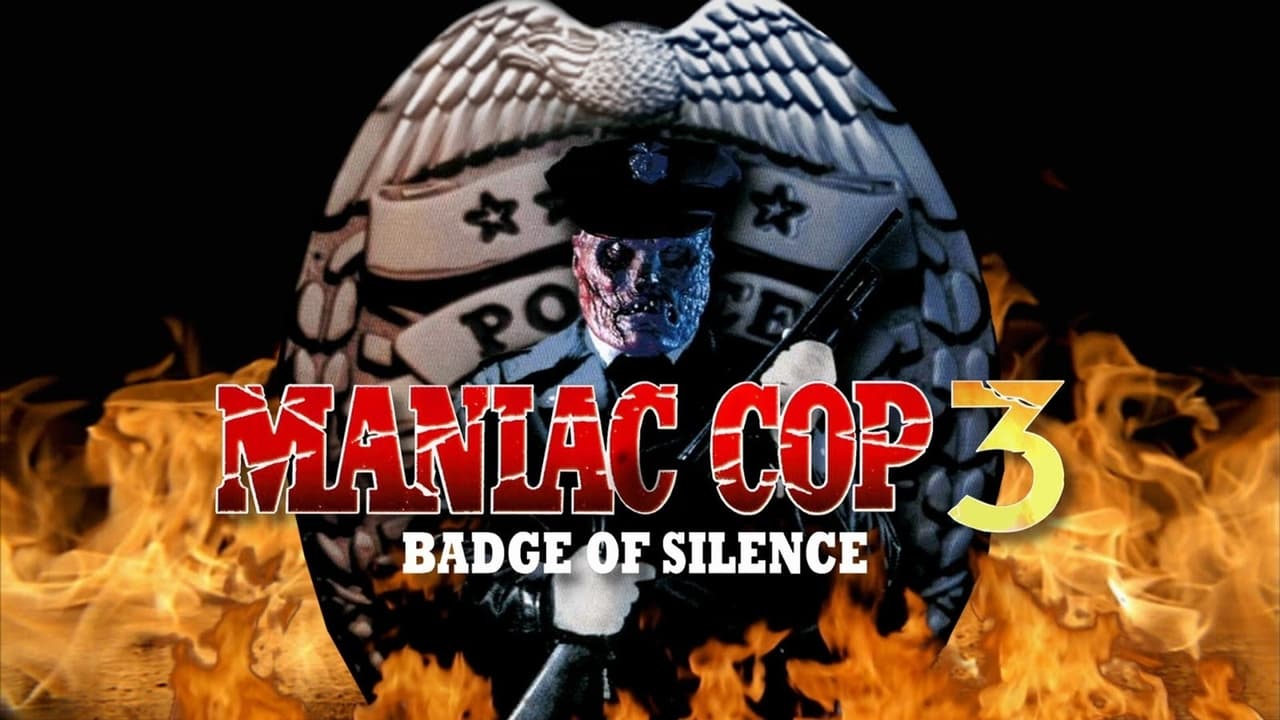
Okay, let's dim the lights and slide another tape into the VCR. Tonight, we're diving deep into the troubled, grimy world of Maniac Cop 3: Badge of Silence (1992), a film that almost didn't happen, and perhaps one that carries the scars of its difficult creation right there on the screen. This isn't the sleek, triumphant sequel; it's the battered, bruised survivor, still managing to throw a few good punches before the final reel.
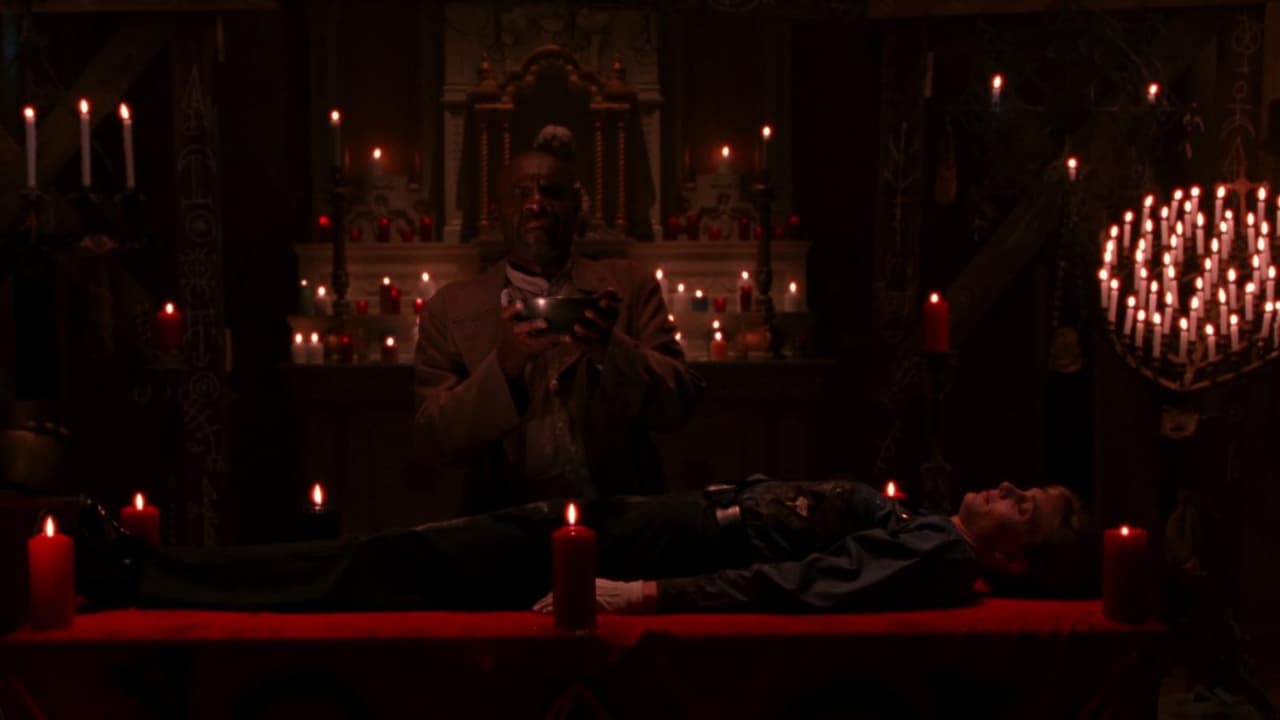
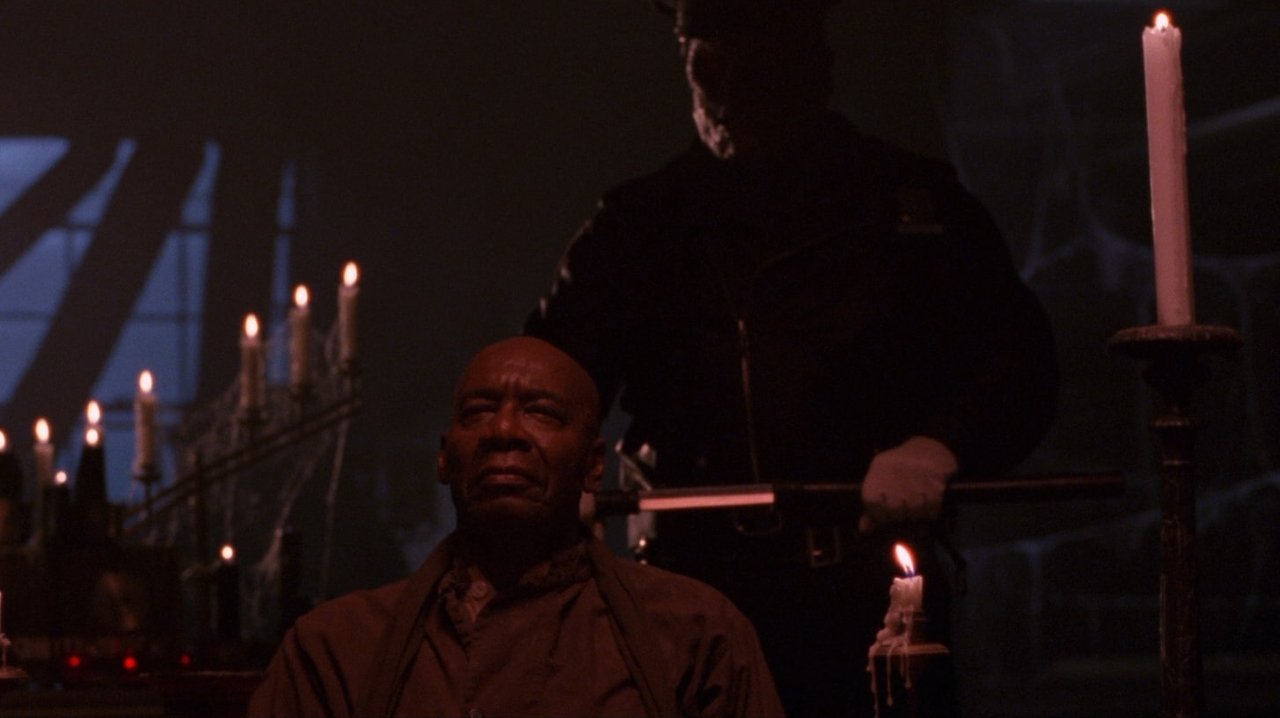
The air hangs heavy from the start. This time, the return of Matt Cordell (Robert Z'Dar), our hulking, undead officer with a serious grudge, feels less like a relentless force of nature and more like a spectral presence clinging to the edges of sanity – both his and the film's. The plot finds Cordell resurrected via some questionable voodoo (a plot point apparently forced on writer Larry Cohen), drawn to Officer Kate Sullivan (Caitlin Dulany) after she’s gunned down and left comatose, framed by an opportunistic press. There's a bizarre, almost gothic romance angle attempted here, as Cordell watches over her hospital bed like a grotesque guardian angel, dispatching anyone he perceives as responsible for her fate. Doesn't that twisted devotion somehow make him even more unsettling than his previous rampages?
### A Franchise Running on Fumes?
You can feel the strain behind the camera. William Lustig, the director who gave the first two films their gritty, distinctly New York pulse (and also directed the infamous Maniac (1980)), famously clashed with producers over the direction and budget for this third installment. He ended up walking off the set relatively early, leaving much of the directorial duties reportedly falling to producer/writer Joel Soisson, though Lustig retains the official credit. Even legendary writer Larry Cohen (the mind behind It's Alive (1974) and Q: The Winged Serpent (1982), who penned the first two Maniac Cop films) largely disowned this final product, feeling his original script, which apparently included a send-off for Bruce Campbell's character from the first two films, was heavily compromised. You see the seams – the noticeable chunks of stock footage lifted directly from Maniac Cop 2 (particularly the prison riot sequences) feel less like clever callbacks and more like patchwork necessitated by circumstance. It gives the whole affair a slightly disjointed, dreamlike (or perhaps nightmare-like) quality.
### Davi Holds the Line
Amidst the production chaos and narrative oddities, Robert Davi returns as Lieutenant Sean McKinney, and frankly, he’s the anchor that keeps the whole thing from drifting completely adrift. Davi brings that same world-weary gravitas, a cynical but determined cop wading through the corruption and disbelief surrounding Cordell's continued existence. His presence provides vital continuity, linking this fractured sequel back to the strengths of its predecessor. Seeing him back in that familiar leather jacket, barking orders and piecing together the impossible, offers a comforting thread of gritty noir in a film sometimes wrestling with its own identity. And then there’s Robert Z’Dar. Even with potentially less screen time focused solely on rampage, his physical presence is Matt Cordell. That imposing frame, the scarred visage – it remains undeniably iconic, a silent testament to raw, vengeful fury. Z'Dar reportedly endured hours in makeup and performed many of his own stunts across the series, a dedication that shows even when the script falters.
### Flawed Atmosphere, Fiery Finish
While Badge of Silence doesn't quite capture the relentless pace or urban decay grandeur of Maniac Cop 2, it still tries to conjure some atmosphere. The dimly lit hospital corridors, Cordell's spectral vigils, the lingering sense of dread – moments occasionally flicker with the dark energy we expect. The budget constraints show, certainly, but there's still a commitment to practical effects that feels distinctly of the era. Remember how impressive those full-body burns looked back then? The fiery finale, featuring some genuinely harrowing stunt work (reportedly performed by stuntman Spiro Razatos himself, who was also the stunt coordinator and second unit director), remains a standout sequence. It’s a raw, dangerous-looking spectacle that feels like a throwback to a time when cinematic fire felt genuinely hot through the screen. This climax, born perhaps from a desire to end the troubled shoot with a literal bang, almost redeems some of the earlier unevenness.
### The End of the Beat?
Maniac Cop 3: Badge of Silence is undeniably the black sheep of the original trilogy. Born from conflict, stitched together with repurposed footage and compromised visions, it lacks the cohesive power of the first two. Larry Cohen’s original script ideas, including a deeper dive into Cordell’s backstory and a proper farewell for Jack Forrest (Bruce Campbell), sound fascinating, leaving you wondering what might have been. Yet, for fans who stuck with Cordell through thick and thin, renting each new installment from the local video store, there's a certain charm to its flawed persistence. It’s a grimy, sometimes awkward, but strangely compelling final chapter (at least for the original run) for one of the 80s/90s most unique slasher icons. It may not be perfect, but it refused to go down quietly.
Rating: 5.5/10
Justification: The score reflects the film's troubled nature and noticeable flaws – the disjointed plot, reliance on stock footage, and diluted vision drag it down significantly compared to Maniac Cop 2. However, Robert Davi's grounding performance, Robert Z'Dar's iconic presence, some genuinely impressive practical stunt work (especially the finale), and its status as the concluding chapter of the original trilogy prevent it from falling into complete failure. It’s a deeply compromised film, but not entirely without merit for dedicated fans of the series or gritty 90s horror.
Final Thought: It’s the kind of sequel that makes you appreciate the smoother ride of its predecessors, yet its very existence, despite the odds, feels like a testament to the stubborn tenacity of low-budget horror filmmaking in the VHS era. A flawed echo, perhaps, but an echo nonetheless.