Alright, fellow tapeheads, let's rewind to 1992. Slide that slightly worn cassette into the VCR, maybe blow the dust off first (we all did it), and settle in for a film that’s a fascinating time capsule, a weirdly wonderful collision of genres, and the unlikely seed for a television phenomenon. I’m talking about the original Buffy the Vampire Slayer, a movie that often gets overshadowed by its iconic TV successor but absolutely deserves its own spot on the shelf in VHS Heaven. Finding this on the rental store wall, perhaps nestled between a goofy comedy and a straight-to-video horror flick, felt like unearthing something unique – and it kind of was.
### Valley Girl vs. Vampires
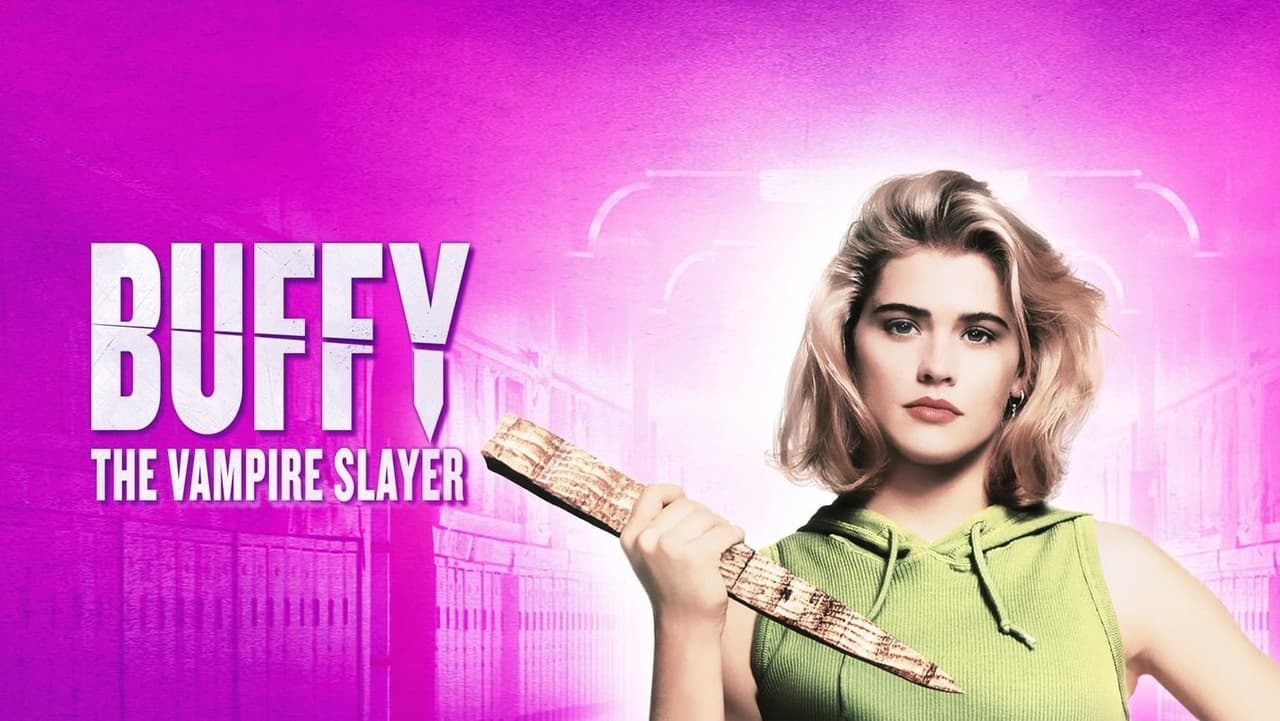
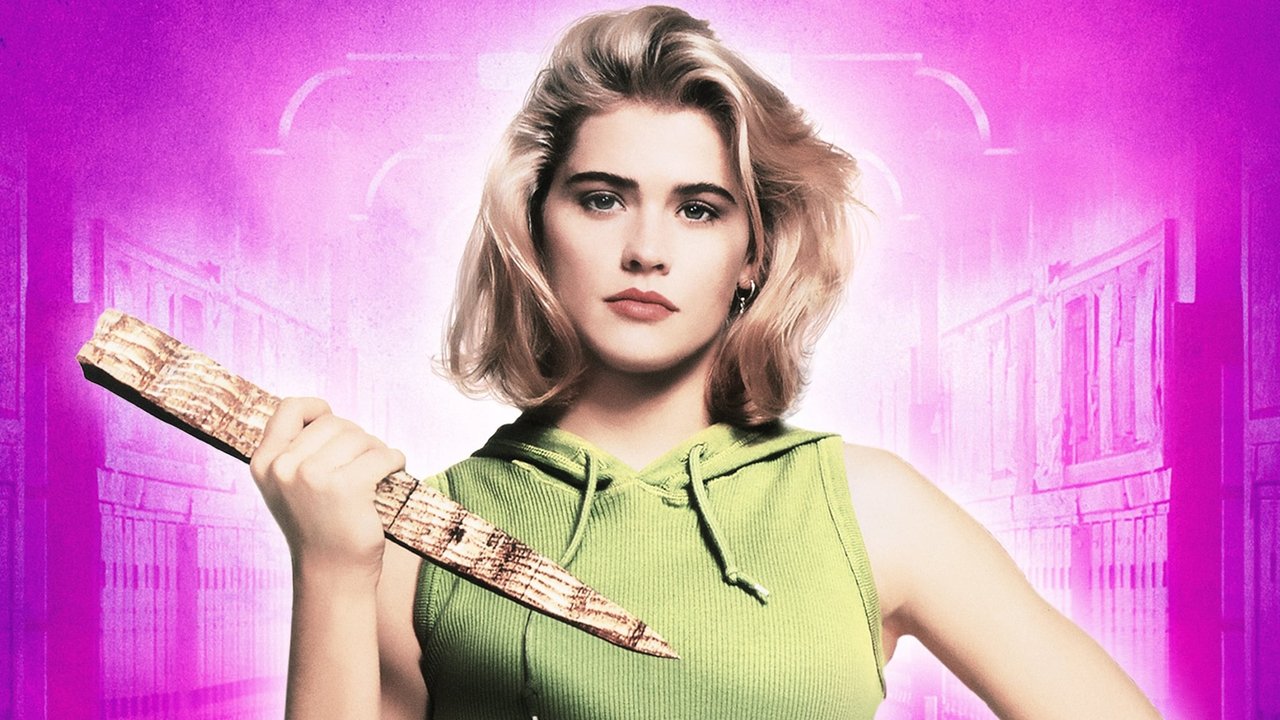
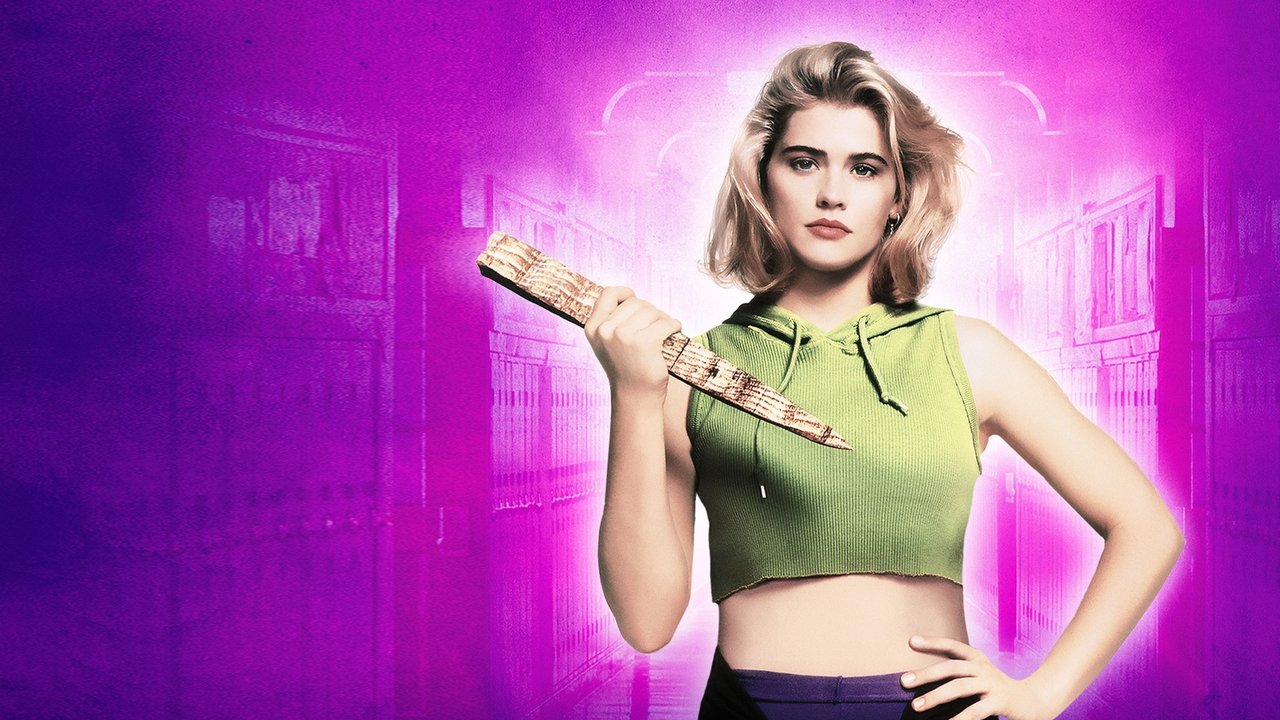
The premise itself is pure early-90s gold: Buffy Summers (Kristy Swanson) is your quintessential Southern California high school senior. Her biggest concerns? Cheerleading practice, nailing the perfect prom dress, and maintaining social cred. That is, until a mysterious, trench-coated gent named Merrick (Donald Sutherland) informs her she's not just any mall rat – she's The Slayer, the chosen one destined to battle the undead. It’s a goofy, high-concept pitch that director Fran Rubel Kuzui leans into, mixing teen comedy tropes with horror elements in a way that feels… well, distinctly of its time.
Swanson embodies that initial clash perfectly. She brings the right amount of blonde ambition and, crucially, develops a believable physicality as she (begrudgingly at first) accepts her destiny. Remember watching her learn to fight? It wasn’t the hyper-stylized choreography we see today, but there was a scrappy energy to it, a sense that this popular girl was genuinely figuring out how to kick vampire butt between classes. And let's be honest, the sheer contrast between her Valley Girl speak ("Get out of my facial!") and staking vampires is where much of the film's charm lies.
### Merrick, Pike, and Pee-wee's Last Laugh
While Buffy is the heart, the supporting cast adds layers of glorious oddity. Donald Sutherland as Merrick brings a certain gravitas, though stories abound about his on-set improvisations and clashes over dialogue. Apparently, large chunks of Merrick’s lines were rewritten by Sutherland himself, adding a quirky, sometimes rambling quality to the ancient Watcher lore. It’s a performance that feels both distinguished and slightly eccentric – perfectly fitting for this movie.
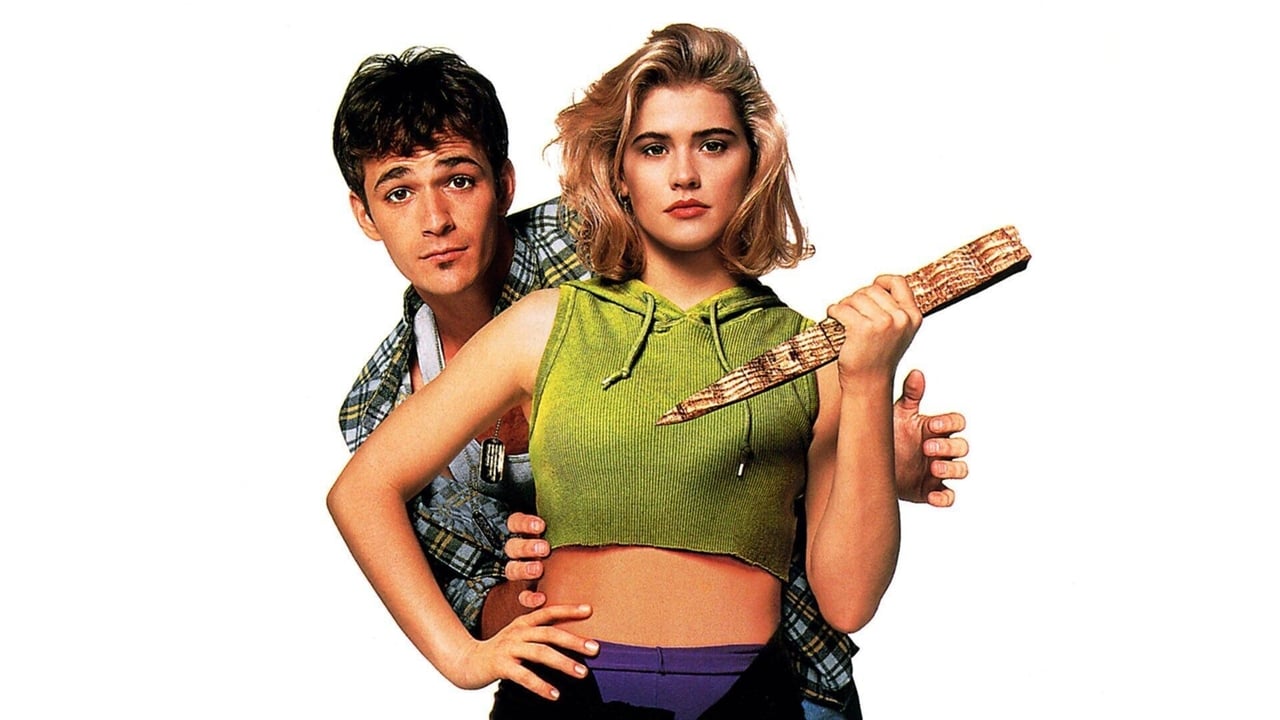
Then there's Luke Perry as Pike, the sensitive bad boy mechanic who becomes Buffy’s unlikely ally and love interest. Riding high on his Beverly Hills, 90210 fame, Perry brought instant heartthrob appeal, even playing a character who starts off as more of a slacker burnout than a traditional hero. His chemistry with Swanson feels genuine, adding a necessary human element amidst the vampiric chaos.
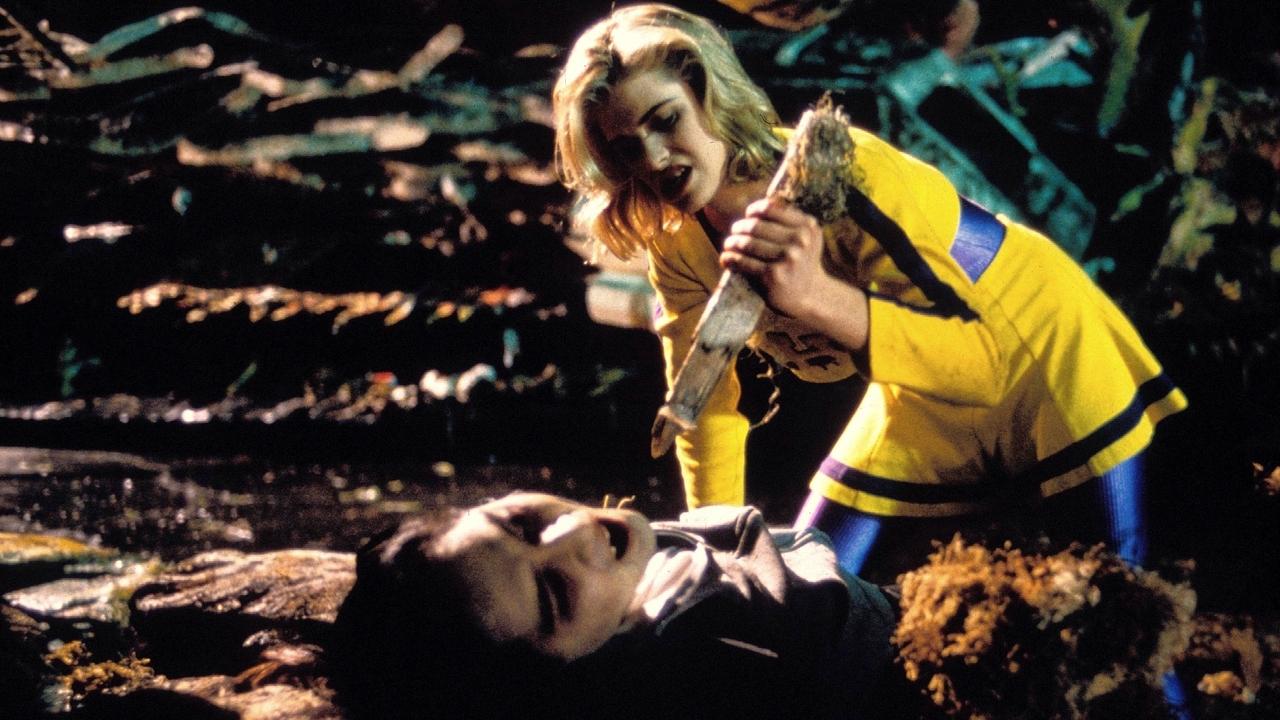
But let's talk about the scene-stealer: Paul Reubens as Amilyn, the vampire Lothos's (played with theatrical menace by Rutger Hauer) main henchman. Shedding his Pee-wee Herman persona, Reubens delivers a performance that is both genuinely creepy and hilariously campy. And his death scene? Oh man, that death scene! It’s an extended, over-the-top practical effects extravaganza involving a lost arm and a slow, theatrical demise that is probably the most memorable sequence in the entire film. It’s the kind of gooey, slightly absurd gore effect that defined so much 80s and early 90s horror – tactile, messy, and unforgettable. No smooth CGI cleanup here, folks.
### The Whedon Factor and Cult Status
Of course, you can't discuss the Buffy movie without mentioning the writer: Joss Whedon. This was one of his earliest produced screenplays, and his dissatisfaction with the final product is legendary. Whedon envisioned something slightly darker, wittier, and more focused, feeling the final film leaned too heavily into broad comedy, diluting his intended themes. He famously felt Kuzui didn't quite capture the tone he was aiming for. Looking back, you can definitely see kernels of the later TV show's brilliance – the snappy dialogue, the subversion of horror tropes, the strong female lead – but they're filtered through a lighter, arguably goofier, lens.
Critically, the film received mixed reviews upon release, and its box office ($16.6 million against a $7 million budget) was respectable but not earth-shattering. It wasn't a blockbuster smash, but like so many films we cherish here at VHS Heaven, it found its true audience on home video. Renting it, passing the tape among friends, catching it late at night on cable – that's how Buffy the movie became a cult favorite. It was this persistent afterlife that likely convinced executives years later that Whedon’s core concept had serious potential, leading to the beloved TV series.
### Does It Still Slay?
Watching Buffy the Vampire Slayer today is a trip. The fashion is aggressively early 90s, the slang feels like a time capsule, and the blend of tones can sometimes feel a little jarring. Yet, there's an undeniable charm to its earnestness and its willingness to be silly. The practical vampire effects, while maybe not terrifying by modern standards, have a certain nostalgic appeal. The central concept remains clever, and the performances, especially Swanson and Reubens, are genuinely entertaining. It's not the complex, layered masterpiece the TV show would become, but it was never trying to be. It aimed to be a fun, quirky horror-comedy, and on that level, it largely succeeds.
Rating: 6.5 / 10
Justification: The film gets points for its originality, fun performances (especially Reubens), and its foundational role in the Buffyverse. It’s undeniably dated and tonally uneven, reflecting the reported behind-the-scenes creative differences, which keeps it from scoring higher. However, its sheer charm and nostalgic value make it a worthwhile watch.
Final Thought: It might not have the depth or polish of its TV offspring, but the original Buffy movie is a fizzy cocktail of high school comedy and fang-baring horror – a totally tubular slice of 90s cheese that still offers a surprisingly fun bite. Stake your claim on a copy if you find one!