Alright, fellow tape-heads, slide that worn cassette into the VCR, maybe give the tracking knob a little tweak, and settle in. Tonight on VHS Heaven, we’re diving headfirst into the glorious, slightly unhinged world of 1992’s direct-to-video gem, Mission of Justice. Forget nuanced political thrillers; this is civic duty enforced with spinning back-kicks and bone-crunching throws, the kind of movie that practically screamed "RENT ME!" from the action shelf at Blockbuster.
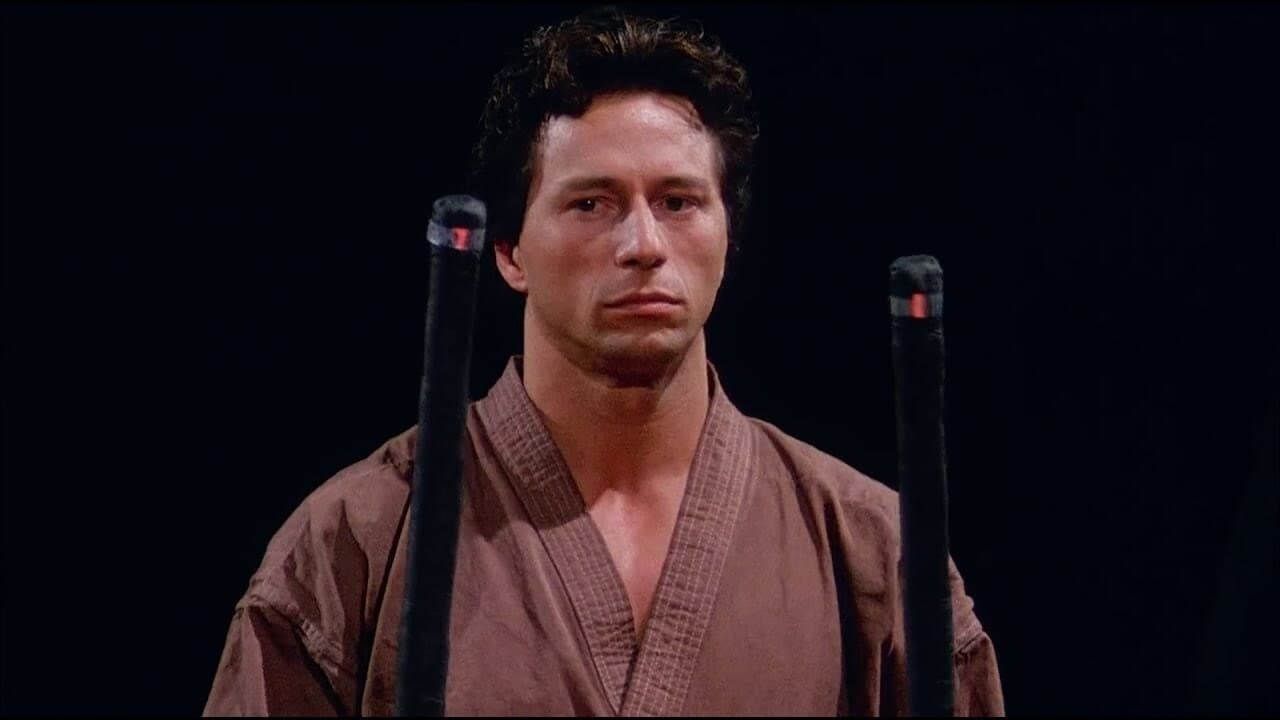
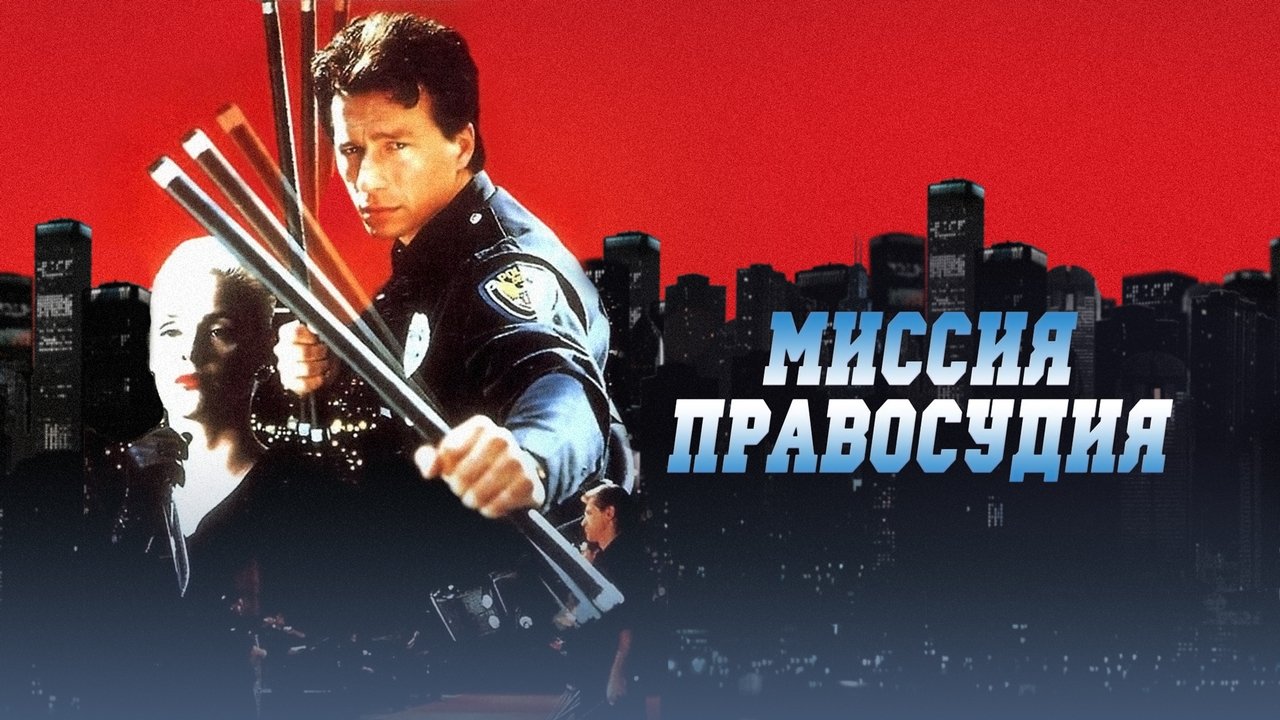
This wasn't playing at the multiplex next to the Oscar contenders, folks. This was pure, unadulterated early 90s action fodder, delivered with the kind of earnest intensity that makes you grin even as you wince. The premise alone is golden: a charismatic but utterly ruthless mayoral candidate, Dr. Rachel K. Larkin (Brigitte Nielsen), runs a community action group called "Mission of Justice." Sounds noble, right? Except her "peacemakers" are essentially martial arts thugs enforcing her will on the streets, led by the imposing Titus (Matthias Hues). When police detective Kurt Harris (Jeff Wincott) sees his partner gunned down and the system fail, he does what any self-respecting action hero cop did back then – he goes undercover inside the Mission to dish out some non-sanctioned justice.
### Politics with Punches
Let’s be honest, the political commentary here isn't exactly All the President's Men. It’s more like a Saturday morning cartoon version of municipal corruption, but that’s part of the charm! Brigitte Nielsen, towering and icily detached, is perfectly cast as the villainous Dr. Larkin. Fresh off roles like Red Sonja and her high-profile marriage to Stallone, Nielsen brought a certain intimidating glamour to the direct-to-video scene, and here she relishes the power-hungry role. A fun bit of trivia: Nielsen apparently had clauses in some contracts around this time specifying minimum height differences for her male co-stars – not likely an issue standing next to the equally statuesque Matthias Hues, a familiar face often playing imposing European heavies in films like Dark Angel (aka I Come in Peace) (1990). Together, they make for a visually striking and enjoyably over-the-top villainous duo.
### Wincott: The Thinking Man's Kicker
But the real draw here is Jeff Wincott. While maybe not as household a name as Van Damme or Seagal during their peak, Wincott carved out a solid niche as a believable, grounded action hero with genuine martial arts chops (he holds black belts in Tae Kwon Do and Karate). As Kurt Harris, he’s less about quippy one-liners and more about grim determination and swift, effective violence. He sells the undercover tension well, even when the script requires him to infiltrate the Mission with suspicious ease. Wincott became a reliable star for production company PM Entertainment Group, known for churning out dozens of these action-packed flicks throughout the 90s, often reusing locations around Los Angeles to keep budgets tight. Mission of Justice was actually one of PM Entertainment’s earlier big successes on the home video market, paving the way for many more car chases and explosions to come.
### The PM Entertainment Touch: Real Hits, Real Danger
And that brings us to the action, the glorious, tangible action. This film hails from the golden age of practical effects and stunt work in the B-movie arena. Director Steve Barnett, who also gave us Scanner Cop II (1995), knew how to stage a fight scene. Forget shaky-cam confusion or CGI weightlessness. Here, the punches land. The kicks connect. You feel the impact thanks to sharp editing, committed stunt performers (often including Wincott himself), and that satisfyingly chunky sound design common to the era. Remember how real those bullet squibs looked back then, spraying little puffs of red?
The fight choreography is fast, intricate, and showcases Wincott's flexibility and power. There's a rawness to it, a sense that people could actually get hurt – because they probably could! PM Entertainment, despite modest budgets (reportedly around $2-3 million for films like this, which would be maybe $4-6 million today – peanuts by Hollywood standards!), became legendary for pushing the envelope with practical stunts, especially elaborate car chases and pyrotechnics in their later films. While Mission of Justice is more focused on hand-to-hand combat, that same dedication to visceral, physical action is clearly present. It’s a world away from today's often overly polished, physics-defying sequences. Was it sometimes clumsy? Sure. But it felt real in a way that resonates differently now.
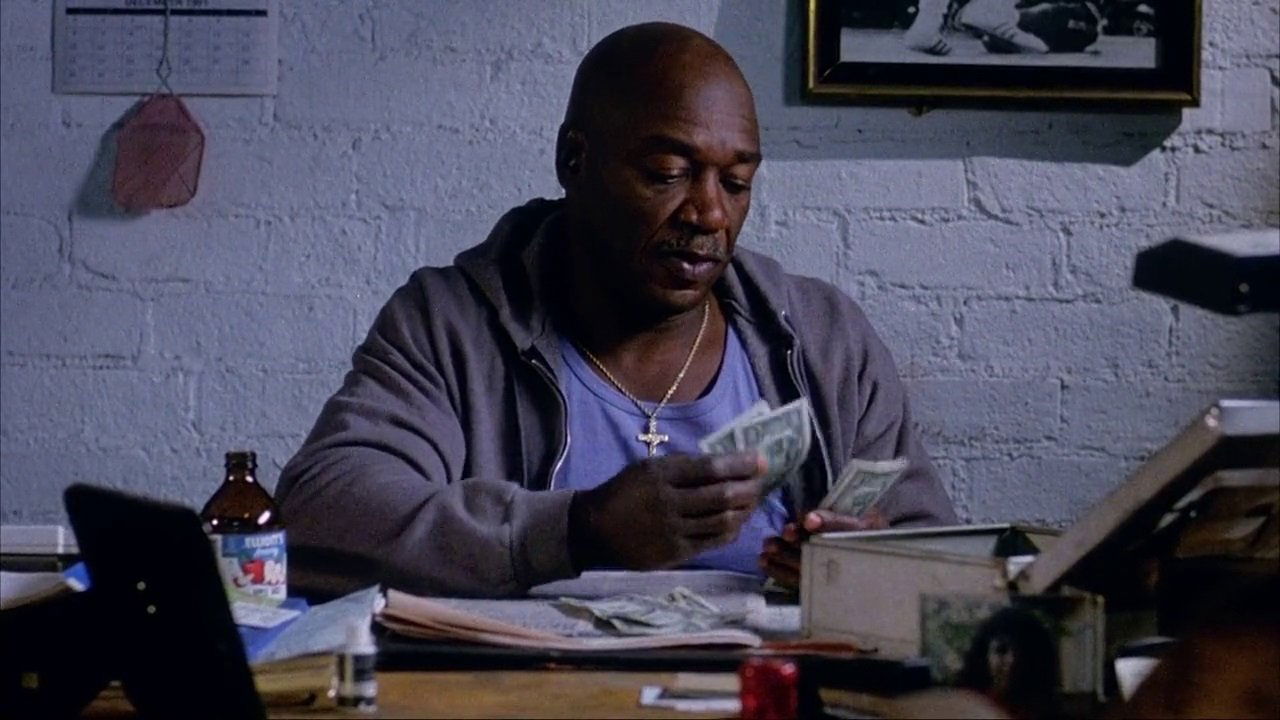
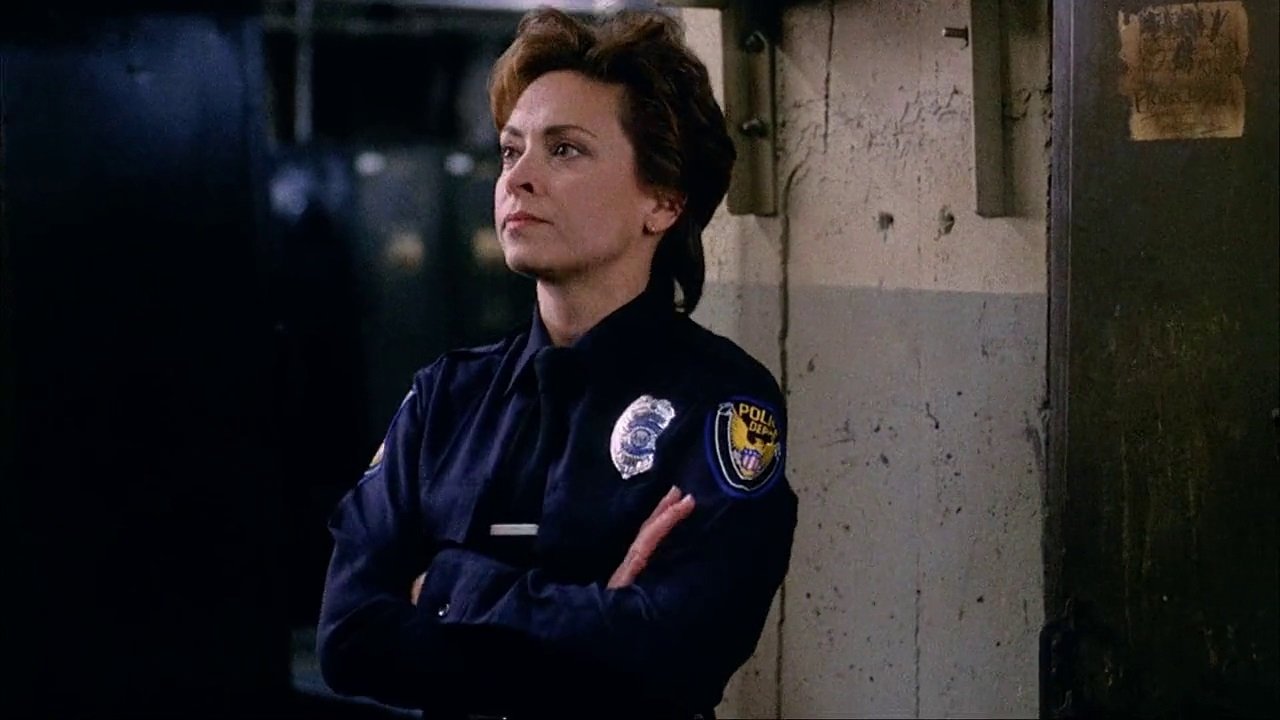
The film’s score pounds along effectively, a typical synth-heavy affair of the time that ramps up the tension during the numerous training montages and brutal showdowns. The supporting cast does their job, providing necessary exposition or serving as fodder for the villains, but it's truly Wincott's show when the fists start flying.
### Final Takedown
Mission of Justice isn't high art. It’s a product of its time – a time when a concept like "vigilante Tae Kwon Do politician" could get greenlit, when muscular heroes solved complex social problems with roundhouse kicks, and when the limitations of budget often sparked creative, practical solutions for action sequences. The plot has holes you could drive a truck through, and some of the dialogue is pure cheese. I distinctly remember renting this one weekend, probably as part of a "5 movies for 5 nights for $5" deal, and being absolutely thrilled by the non-stop martial arts mayhem.
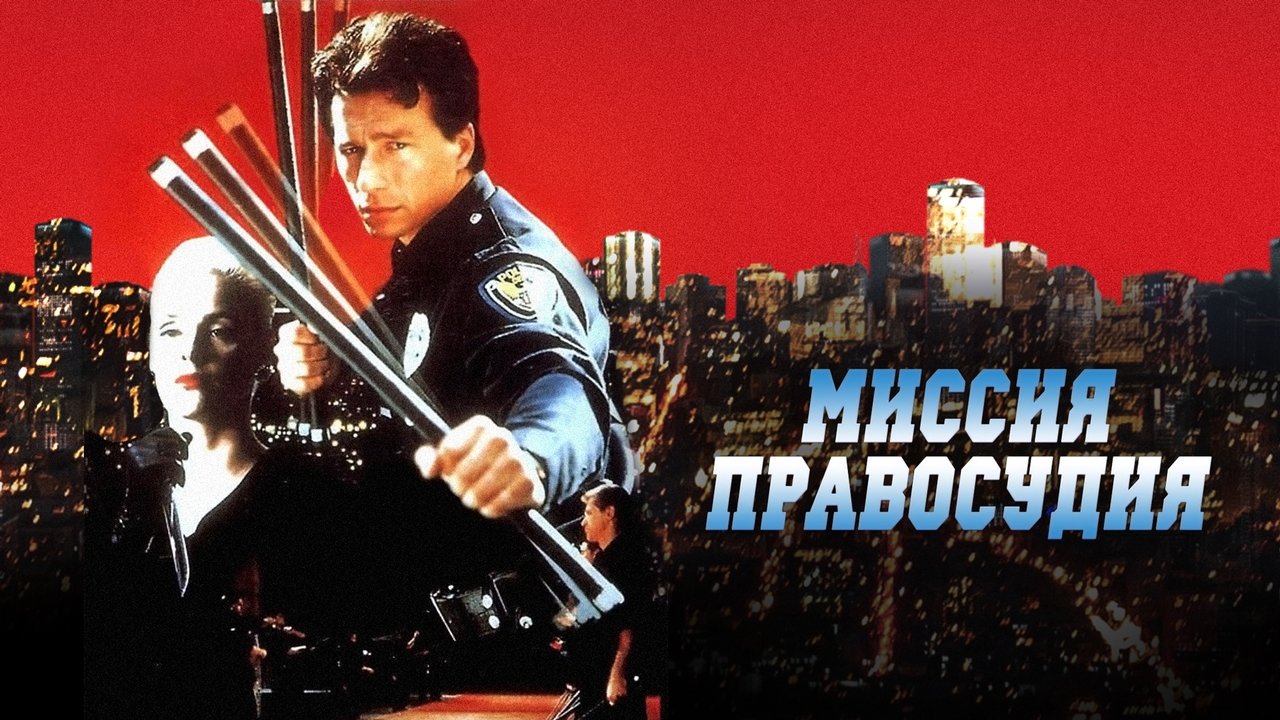
It delivers exactly what it promises: a tough cop taking down colourful villains with impressive fighting skills. Jeff Wincott is immensely watchable, Brigitte Nielsen and Matthias Hues make for memorable antagonists, and the action, while dated by today's standards, has a tactile energy that's hard to beat.
Rating: 7/10 - The score reflects its success as a top-tier example of early 90s direct-to-video action. It knows exactly what it is and delivers with enthusiasm, featuring solid martial arts displays and that specific charm unique to the era. The plot is silly, but the execution of the core concept – Wincott kicking bad guys – is strong.
Final Thought: In the VHS days, justice didn't always need a warrant; sometimes, all it needed was a well-placed spinning heel kick captured on slightly fuzzy magnetic tape. Still kicks today.