There are films that linger, not necessarily because they offer comfort or easy resolution, but because they hold up a dark mirror. Nicholas Hytner's 1996 adaptation of The Crucible is precisely that kind of film – a stark, unsettling experience that burrows under your skin and stays there. Watching it again recently, decades after first encountering it likely on a rented tape borrowed perhaps more out of obligation (maybe for a school assignment?) than eager anticipation, I was struck anew by its suffocating power and the chilling relevance that seems, tragically, immune to the passage of time. This wasn't your typical Friday night popcorn fare, even back then; it demanded attention, drew you into its tightly wound paranoia, and left you wrestling with uncomfortable questions.
### Whispers in the Woods, Fire in the Village
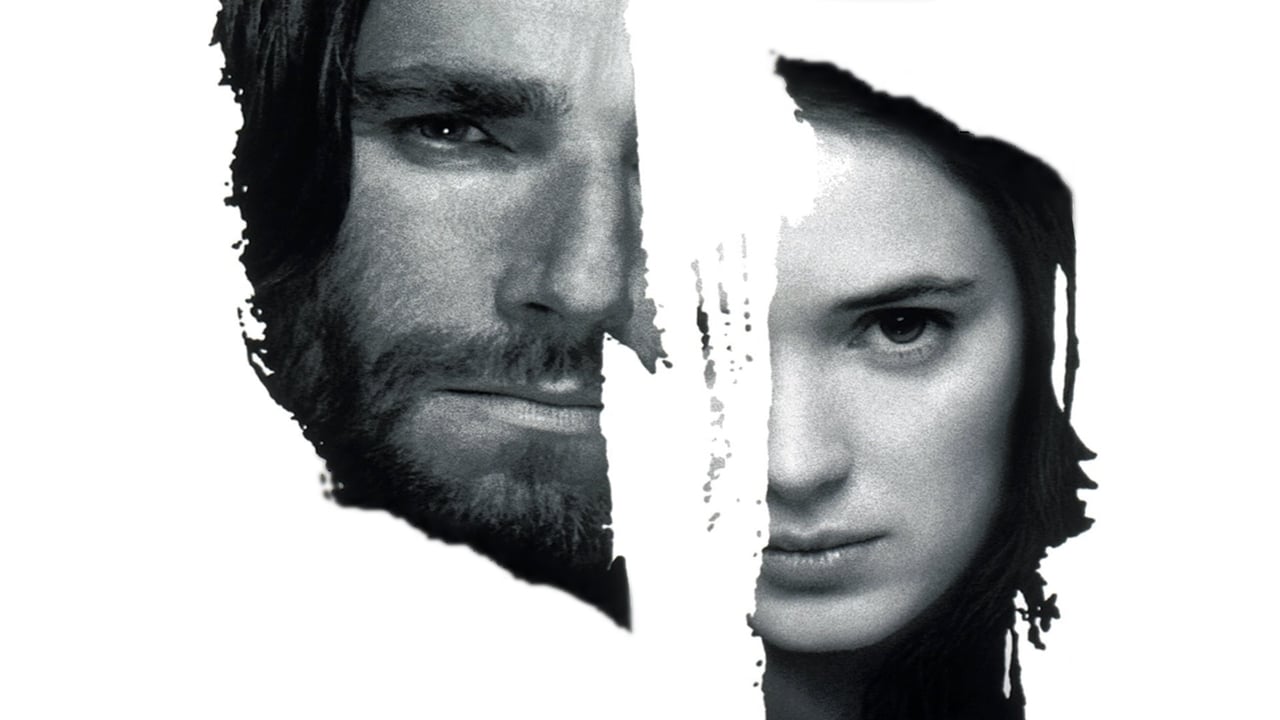
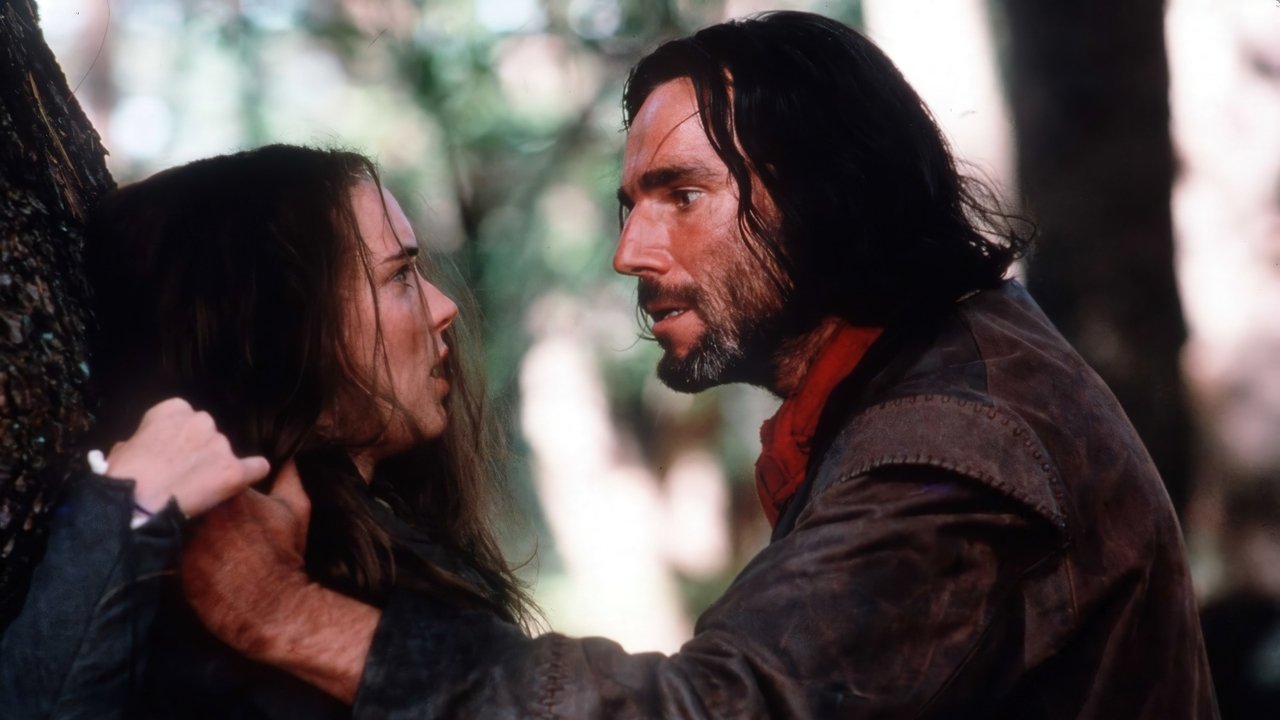
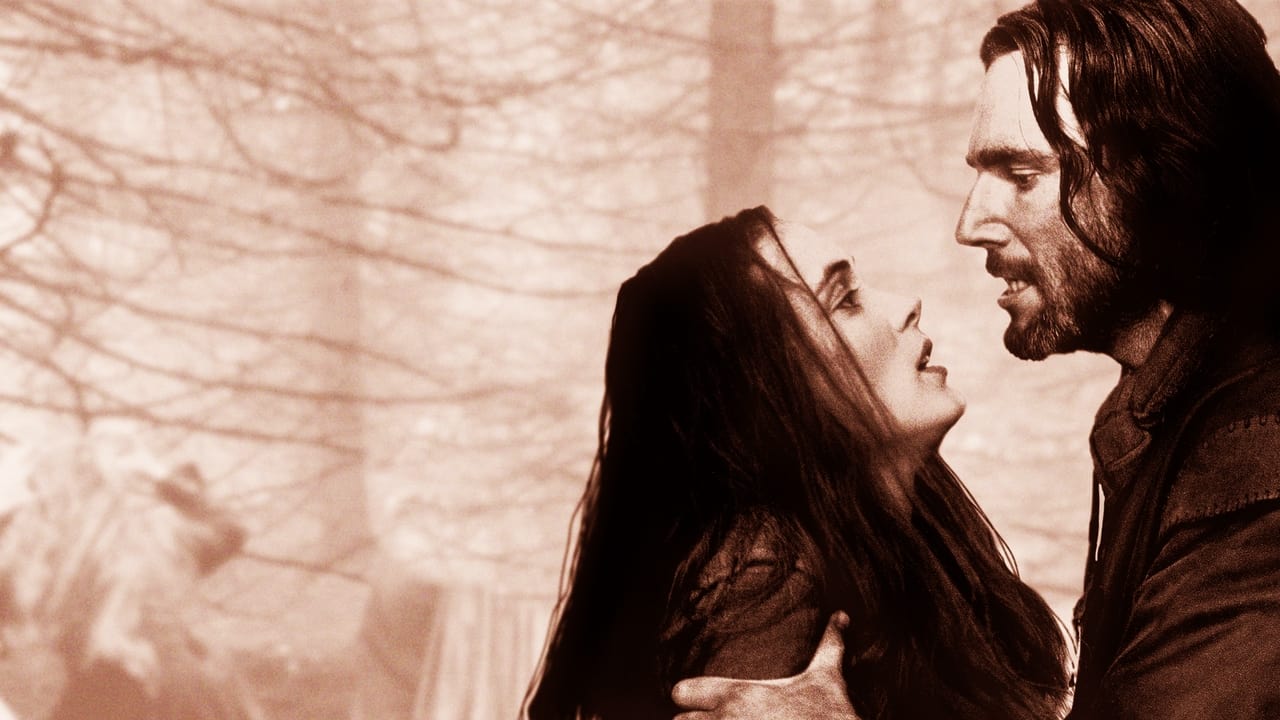
The film plunges us directly into the austerity and simmering tensions of Salem, Massachusetts, 1692. It begins not with courtroom pronouncements, but with the furtive, forbidden energy of young women, led by the calculating Abigail Williams (Winona Ryder), dancing in the woods, attempting to conjure charms. This addition, not explicitly staged in Arthur Miller's original 1953 play (though alluded to), immediately grounds the unfolding hysteria in adolescent impulse, forbidden desire, and petty vengeance. When accusations of witchcraft erupt, primarily aimed by Abigail at Elizabeth Proctor (Joan Allen), the wife of the man she desperately wants, John Proctor (Daniel Day-Lewis), the spark ignites a wildfire of fear, religious extremism, and social manipulation that threatens to consume the entire community.
What Hytner, working directly with Arthur Miller who adapted his own iconic play for the screen, captures so masterfully is the terrifying speed at which reason evaporates. Miller himself was often on set during filming, a fascinating detail considering the personal connection – he was, at the time, Daniel Day-Lewis's father-in-law, adding another layer of intimacy to the production. This direct involvement from the playwright ensures the film retains the fierce intelligence and moral clarity of the stage original, while Hytner translates the claustrophobia of the Salem meeting houses and courtrooms into potent cinematic language. The camera often stays close, trapping us with the characters, forcing us to witness the rising tide of baseless accusations and the crumbling defenses of the accused.
### A Crucible of Performances
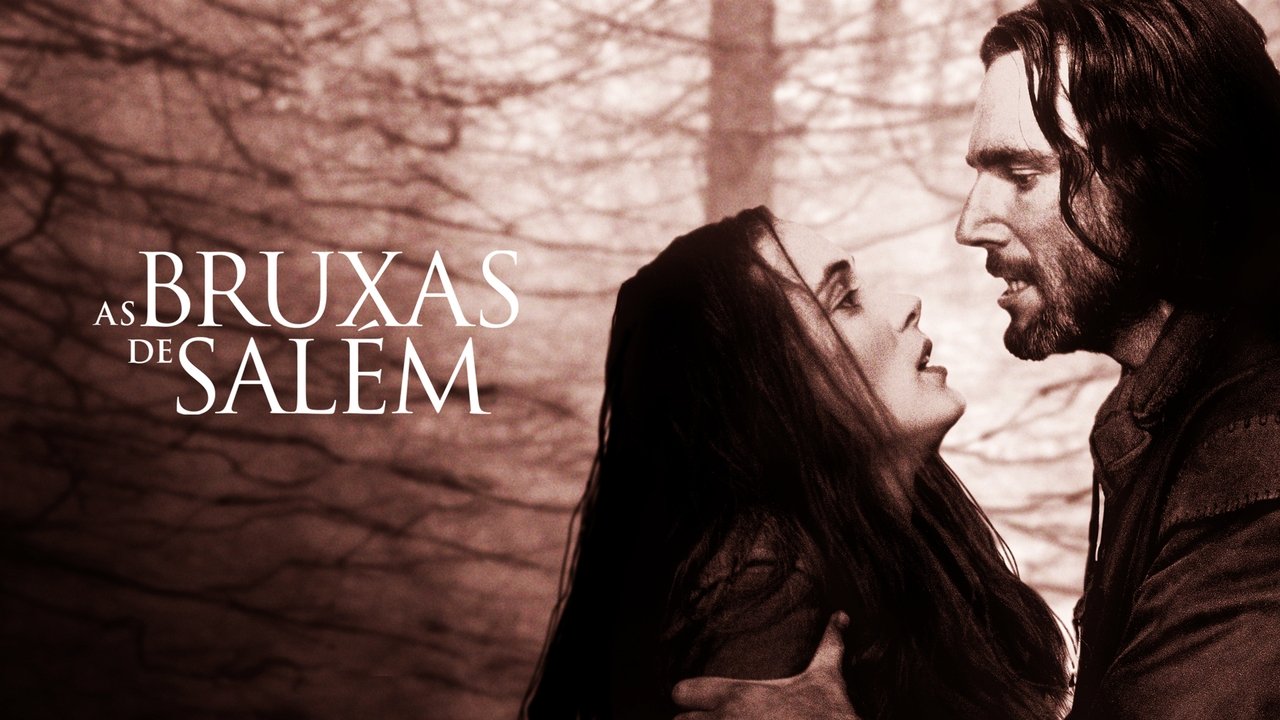
While the narrative itself is inherently powerful, The Crucible ascends to greatness on the backs of its performers. Daniel Day-Lewis, embodying the flawed but fundamentally decent John Proctor, delivers a performance of raw, earthy integrity. He’s a man wrestling with his own sins – his affair with Abigail is the poisoned root from which much of the tragedy grows – but his ultimate refusal to sacrifice his name, his very identity, to save his life is devastatingly portrayed. You feel the weight of his choices, the agony of his conscience. There’s a story that during filming, Day-Lewis insisted on living in a replica 17th-century house on set, without electricity or running water, to better understand Proctor's world. Whether apocryphal or not, it speaks to the kind of immersion that radiates from his performance.
Opposite him, Winona Ryder, who reportedly championed the film getting made, is a revelation as Abigail. She eschews simple villainy, presenting Abigail as a complex vortex of wounded pride, manipulative cunning, and genuine youthful passion twisted into something monstrous. Her gaze can shift from feigned innocence to chilling intensity in an instant, making her utterly believable as the catalyst for Salem's madness. It’s a brave, unsettling performance from an actress then primarily known for lighter or more quirky roles.
And then there is the late, great Paul Scofield as Deputy Governor Danforth. Persuaded out of semi-retirement for the role, Scofield is terrifying precisely because of his unwavering conviction. His Danforth isn't a moustache-twirling villain; he's a man utterly convinced of his divine purpose and the righteousness of the court, blinded by dogma to the human cost of his judgments. His quiet certainty is perhaps more chilling than any overt malice could be. Supporting them, Joan Allen as Elizabeth Proctor offers a portrait of quiet strength and bruised dignity that is simply heartbreaking, earning her an Academy Award nomination. Her journey from coldness to profound love and forgiveness is the film's emotional anchor.
### The Weight of History and Hysteria
Filmed on Hog Island, Massachusetts, with a meticulously constructed village set built from scratch, the production design convincingly evokes the harshness and isolation of 17th-century Puritan life. The muted colour palette, the rough-hewn textures, the ever-present wind whistling through sparse trees – it all contributes to an atmosphere thick with dread and judgment. This wasn't an easy shoot; the coastal Massachusetts weather was reportedly quite severe, adding an unintended layer of realism to the actors' portrayals of endurance.
Miller famously wrote The Crucible as an allegory for the anti-communist McCarthy hearings of the 1950s, a period of intense political paranoia in America where accusations flew, reputations were destroyed, and lives were ruined based on suspicion and association. What makes the 1996 film resonate so strongly, even outside that specific historical context, is its timeless depiction of how easily fear can be weaponized, how fragile truth becomes in the face of collective delusion, and the immense pressure individuals face to conform or be crushed. Doesn't this dynamic feel unnervingly familiar, echoing in various forms throughout history and even in our present day?
Despite the powerhouse cast and Miller's own screenplay adaptation, the film was surprisingly not a box office success, grossing just over $7 million in the US against a $25 million budget. Perhaps the grim subject matter proved too challenging for mainstream audiences in the mid-90s, a time often favouring lighter entertainment. Yet, its value isn't measured in ticket sales, but in its enduring power as a cautionary tale.
Rating: 9/10
This rating reflects the film's exceptional execution on nearly every level. The screenplay, adapted by the original playwright, is intelligent and potent. The direction is assured, creating a palpable sense of time, place, and dread. Above all, the performances, particularly from Day-Lewis, Ryder, Scofield, and Allen, are simply outstanding – masterclasses in conveying complex human emotions under immense pressure. It falls just shy of a perfect score perhaps only because the sheer weight of its subject matter makes it a demanding, rather than purely enjoyable, watch. But its power is undeniable.
The Crucible isn't a film you watch casually. It's an experience that demands engagement and reflection. It reminds us of the darkness humanity is capable of when fear takes hold, but also of the incredible strength required to stand for one's conscience against the tide. What truly lingers, long after the credits roll, is the echo of Proctor's agonized cry for his name – a haunting reminder of the value of integrity in a world too often willing to trade it away.