There's a particular kind of electricity when a celebrated stage play makes the leap to the screen. Sometimes it feels diminished, cramped by the camera's gaze. Other times, something magical happens – the intimacy of film deepens the characters, the scope broadens the world, and the core truth resonates even more powerfully. Watching The Madness of King George (1994) again, pulling that well-worn tape from its sleeve, reminds me instantly that this is firmly in the latter category. It's a film anchored by a performance of such astonishing depth and vulnerability that it feels less like acting and more like witnessing a soul laid bare.
From Stage Triumph to Screen Gem
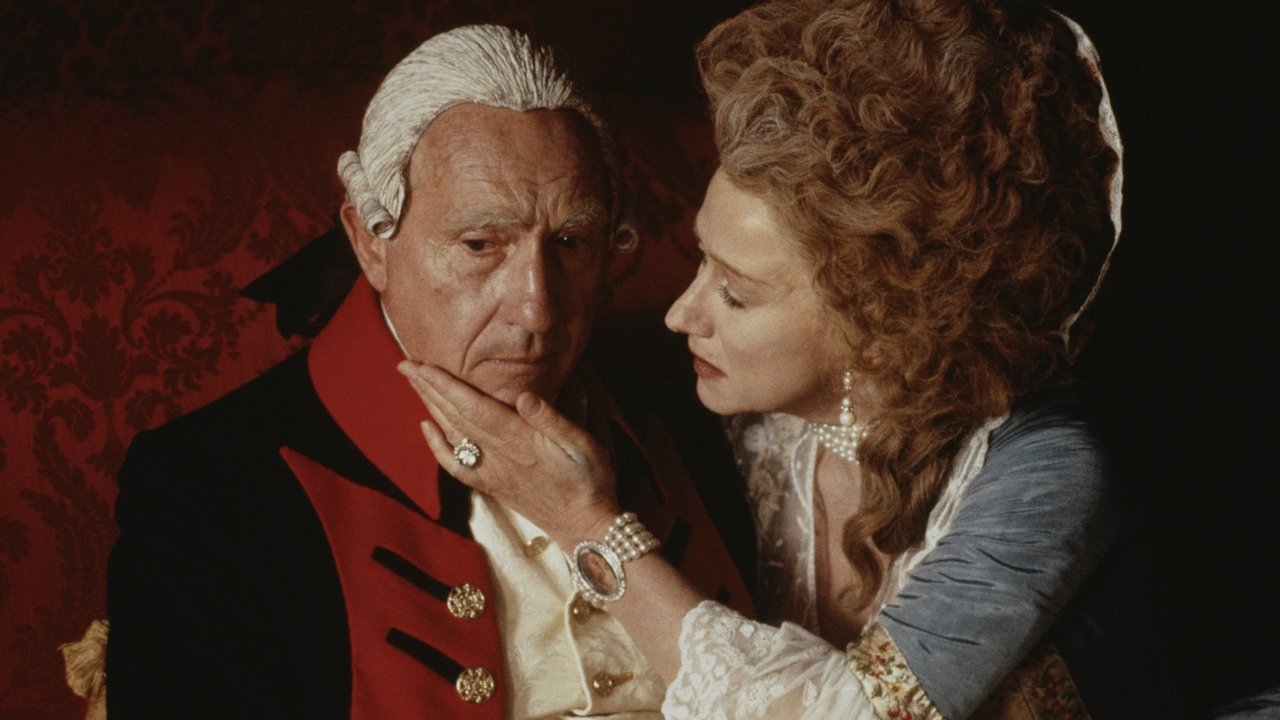
Many of us likely first encountered Nigel Hawthorne as the impeccably manipulative Sir Humphrey Appleby in Yes Minister. His transformation into King George III is nothing short of breathtaking. Having originated the role on stage in Alan Bennett's play The Madness of George III (winning a Tony Award for the Broadway run), Hawthorne fought for the film role, and thank goodness he did. Bennett, adapting his own work, masterfully retains the sharp wit and political intrigue while allowing director Nicholas Hytner (making a remarkable feature debut after success in theatre) to exploit the visual possibilities of cinema. Interestingly, the title change for the film – dropping the 'III' – sparked rumours it was to avoid confusing American audiences into thinking it was Madness 3. Bennett himself suggested it was simply for clarity, ensuring the focus remained squarely on the monarch. Whichever the case, it’s a title that sticks.
The Crown Slips: Power and Frailty
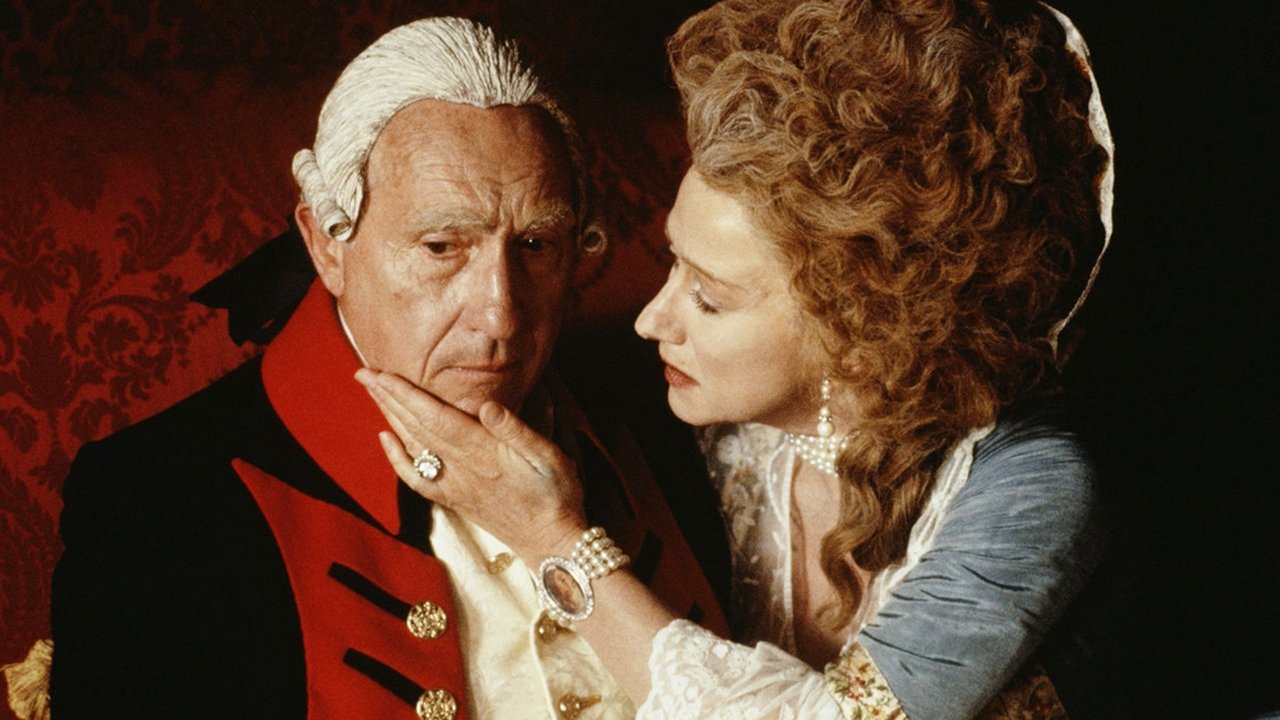
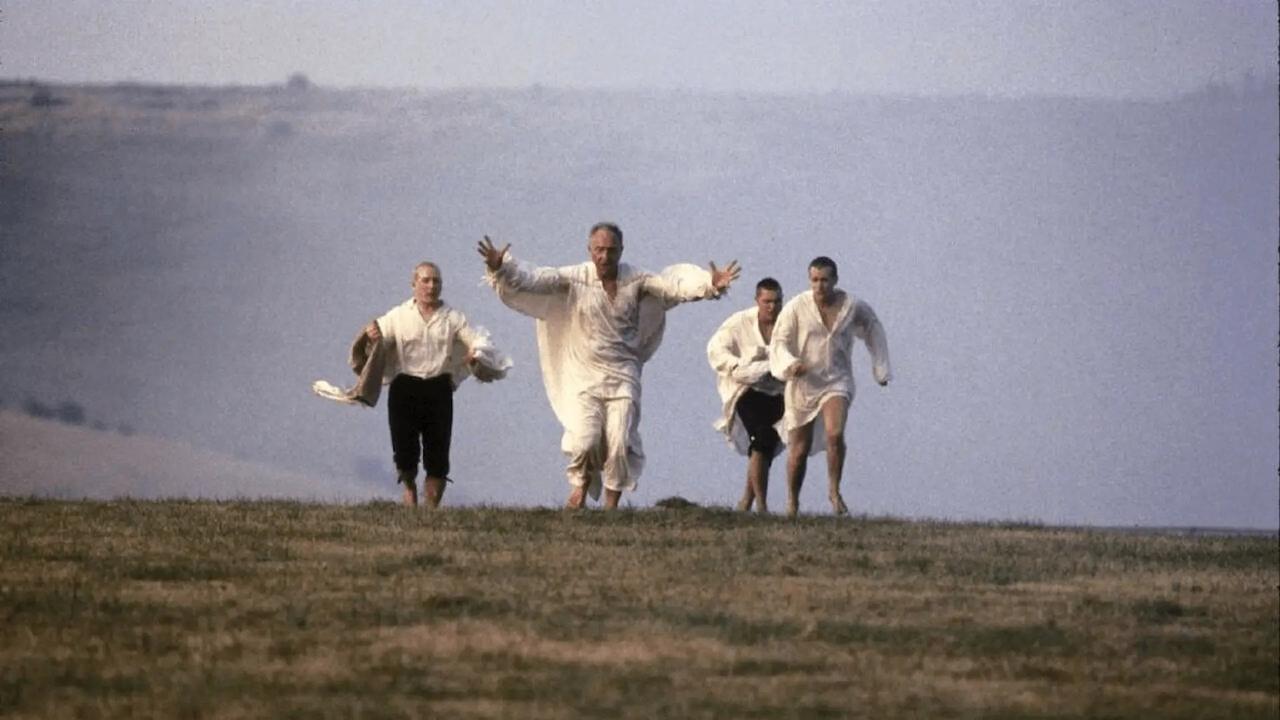
The film plunges us into the seemingly ordered world of the British monarchy in 1788. George III is portrayed initially as robust, perhaps a touch eccentric, devoted to his wife Queen Charlotte (Helen Mirren) and his country, but undeniably the King. Then, subtly at first, things begin to unravel. Hawthorne charts this descent with terrifying precision – the confusion, the inappropriate outbursts, the flashes of paranoia, the sheer physical agony. It's a raw, unvarnished portrayal of mental and physical breakdown, made all the more poignant by the character's immense power and public visibility. What does it mean when the symbol of national stability becomes the embodiment of chaos? The film doesn't shy away from the indignity, the fear, and the profound isolation George experiences. Hytner uses authentic locations like Arundel Castle and Syon House to great effect, the grandeur of the settings forming a stark contrast to the King's internal turmoil.
A Battle for the King's Mind
As the King's condition worsens, the court descends into panic and political maneuvering, particularly from the ambitious Prince of Wales (Rupert Everett, perfectly capturing the foppish entitlement). The medical establishment of the era, depicted with horrifying accuracy, resorts to blistering, purging, and restraint – treatments that seem barbaric to modern eyes. Into this fray steps Dr. Willis (Ian Holm), a former clergyman turned physician with radical, proto-psychological methods. Holm is superb, portraying Willis not as a miracle worker, but as a pragmatist demanding discipline and attempting to impose order on the King's fractured mind. The scenes between Hawthorne and Holm are electric, a battle of wills fraught with desperation and a glimmer of hope. It’s fascinating trivia that the real Dr. Willis was indeed known for his unorthodox but relatively humane approach for the time, running a private asylum based on principles of occupational therapy and kindness alongside strict routine.
Loyalty in the Face of Crisis
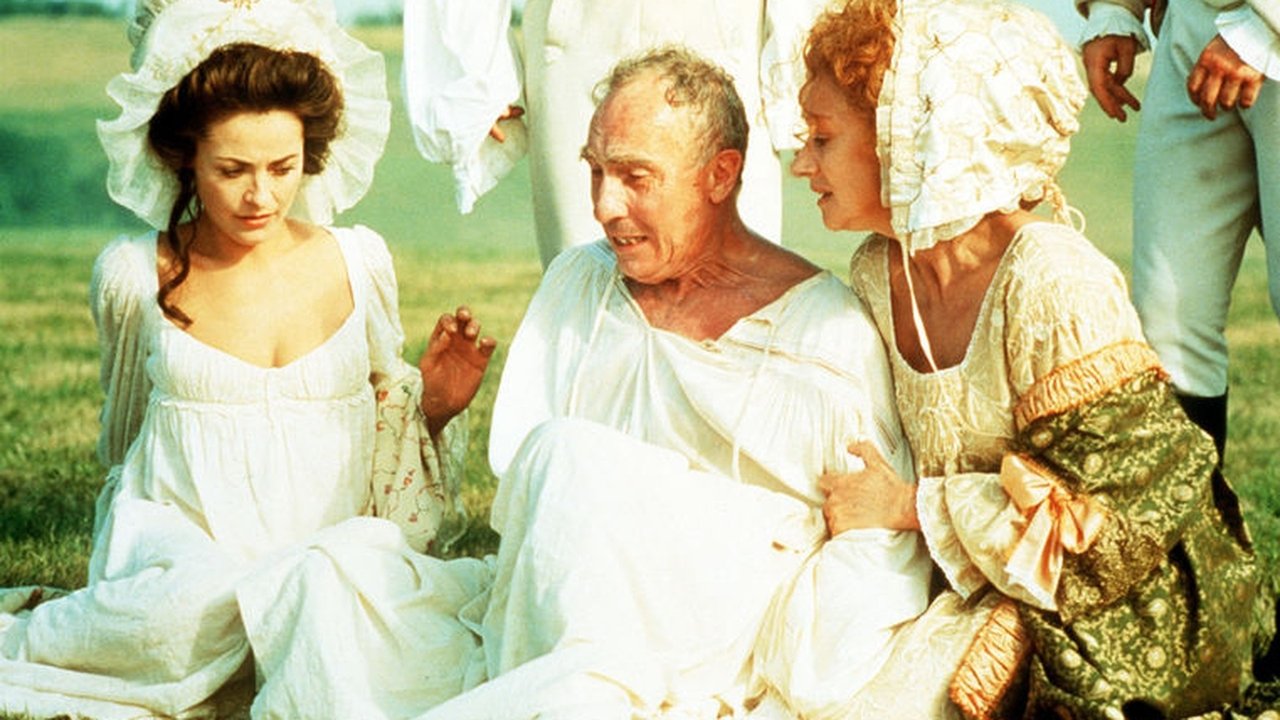
Amidst the political scheming and medical tortures, the film finds its heart in Queen Charlotte. Helen Mirren is simply magnificent, conveying immense strength, unwavering loyalty, and quiet heartbreak. Her scenes with Hawthorne are deeply moving, showing the human cost of the crisis on their relationship. She is the King's fiercest advocate, navigating the treacherous political waters while grappling with the potential loss of the man she loves. The supporting cast, including Amanda Donohoe as the sympathetic Lady Pembroke and Rupert Graves as the King's conflicted equerry Greville, adds layers of complexity to the court dynamics.
An Enduring Portrait
The Madness of King George was a critical darling upon release, earning Oscar nominations for Hawthorne, Mirren, and Bennett's screenplay, and winning for its stunning Art Direction and Set Decoration – a testament to the film's visual richness, achieved on a relatively modest budget (around $8 million, grossing over $15 million in the US alone). It’s a film that blends historical drama with unexpected moments of sharp wit and profound sadness. It avoids easy answers about the King’s condition (now believed to be porphyria, though the film leaves it ambiguous) and instead focuses on the human drama, the political consequences, and the timeless themes of power, sanity, and the struggle for dignity. Renting this back in the day felt like discovering a hidden gem – a sophisticated, brilliantly acted drama nestled amongst the action blockbusters on the video store shelf.
Rating: 9/10
This rating feels wholly earned by the tour-de-force performance from Nigel Hawthorne, elevated by a stellar supporting cast (Helen Mirren and Ian Holm are particularly outstanding), Alan Bennett's witty and intelligent script, and Nicholas Hytner's assured direction. The film masterfully balances historical detail, political intrigue, and deeply personal tragedy, creating a visually rich and emotionally resonant experience. It’s a film that stays with you, prompting reflection on the fragility of the human mind, regardless of station, and the enduring power of loyalty. A true standout of 90s historical cinema, and a tape well worth revisiting.