There's a certain magnetism, an almost unsettling charisma, that Alan Rickman could conjure seemingly at will. We saw it in his villains, certainly, but perhaps never was it deployed with such complex, contradictory force as in his portrayal of the titular "mad monk" in HBO's 1996 production, Rasputin (or Rasputin: Dark Servant of Destiny, as the full title goes). Watching it again, decades after its initial splash, the film remains a potent reminder of just how ambitious television could be in the mid-90s, tackling epic history with a depth and focus on performance that felt truly cinematic, even on our trusty CRT screens.
Shadows Over the Winter Palace
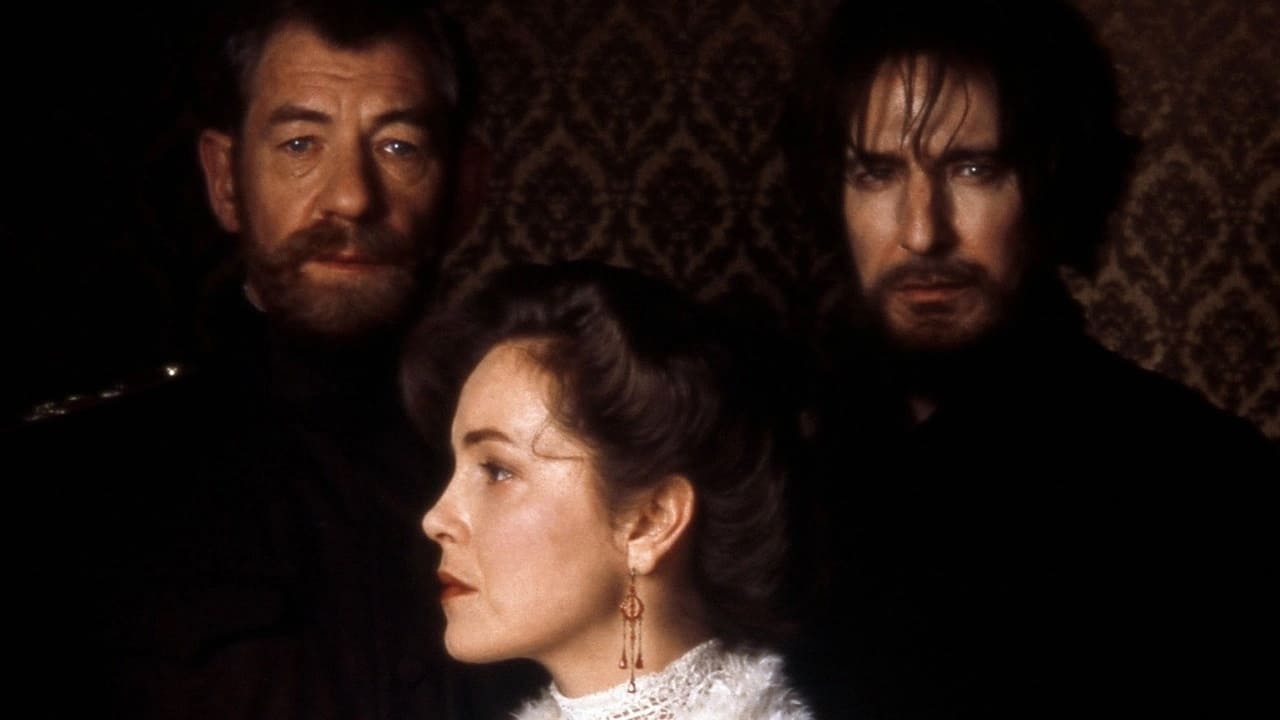
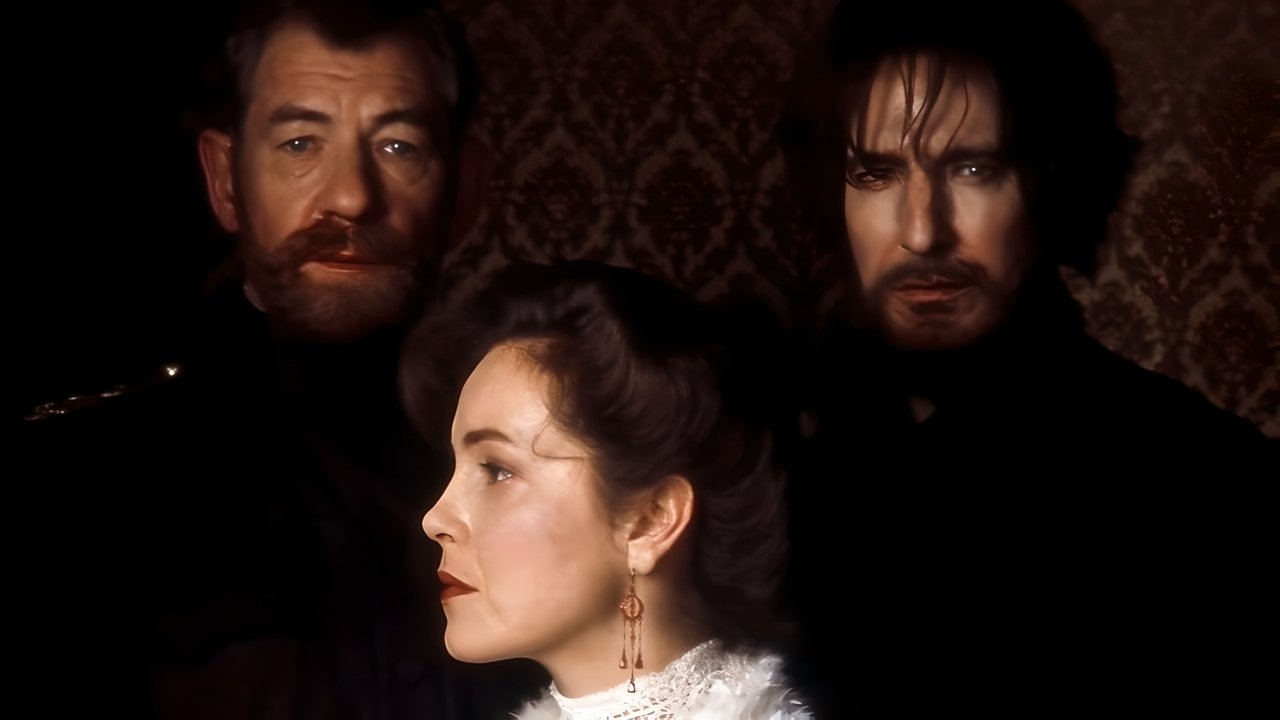
The film plunges us headfirst into the dying embers of Imperial Russia. Director Uli Edel, who had previously given us the raw intensity of Christiane F. (1981) and Last Exit to Brooklyn (1989), brings a surprisingly measured, almost classical approach here. Yet, beneath the opulent sets and period detail – much of it filmed authentically in St. Petersburg, lending a palpable sense of place – there's a persistent chill, an atmosphere thick with foreboding. We meet Tsar Nicholas II (Ian McKellen) and Tsarina Alexandra (Greta Scacchi) not just as historical figures, but as desperate parents, their world revolving around the fragile health of their hemophiliac son, Alexei. It’s this vulnerability, this very human crack in the imperial facade, that allows Grigori Rasputin to enter.
The Man Who Wouldn't Die (Metaphorically Speaking)
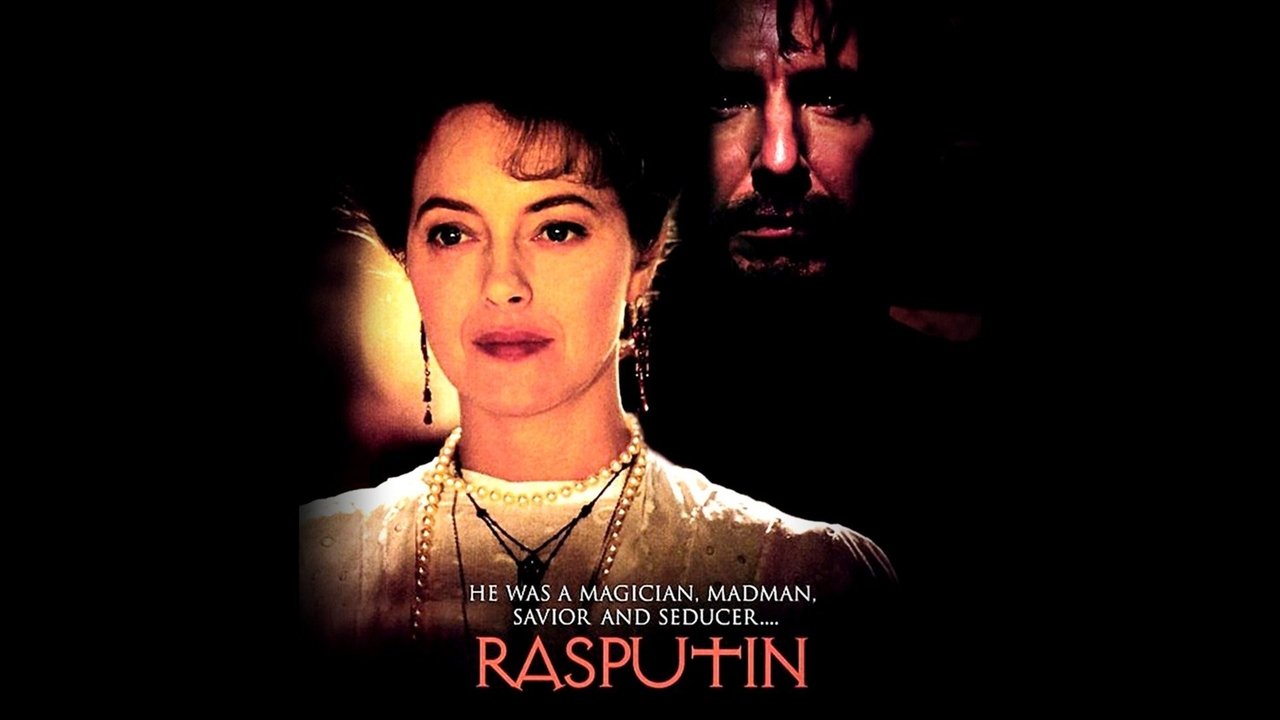
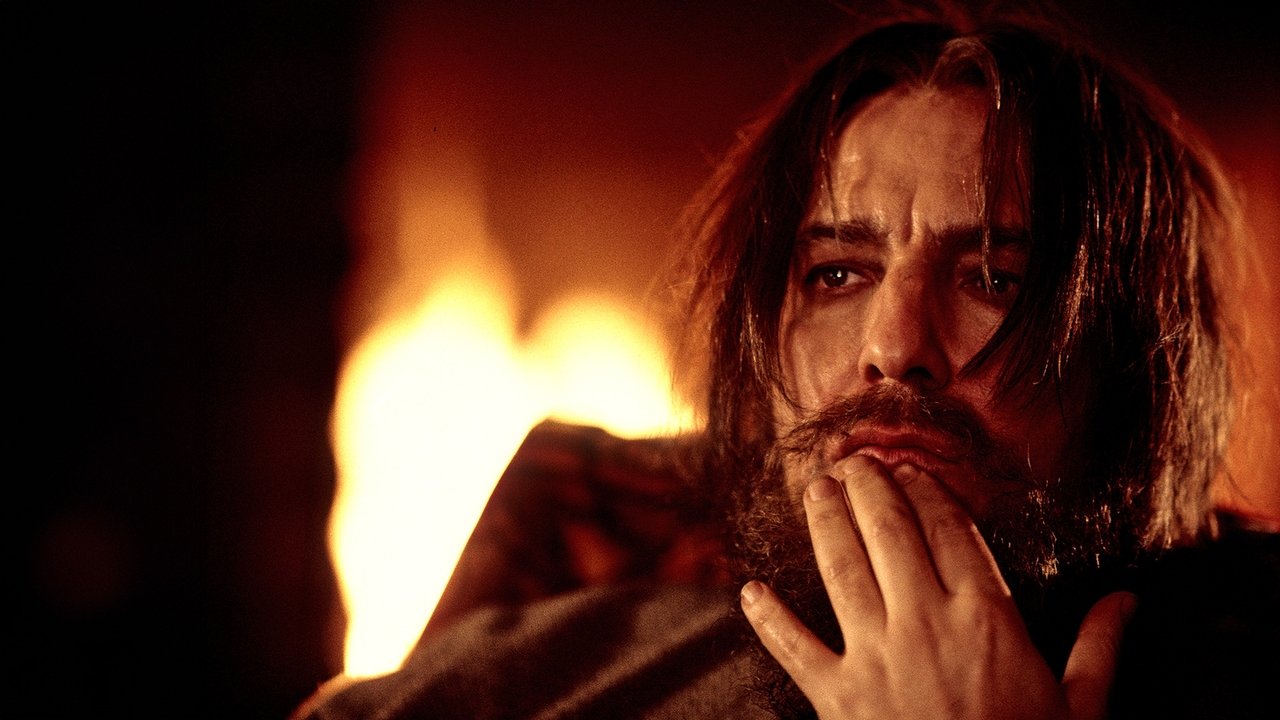
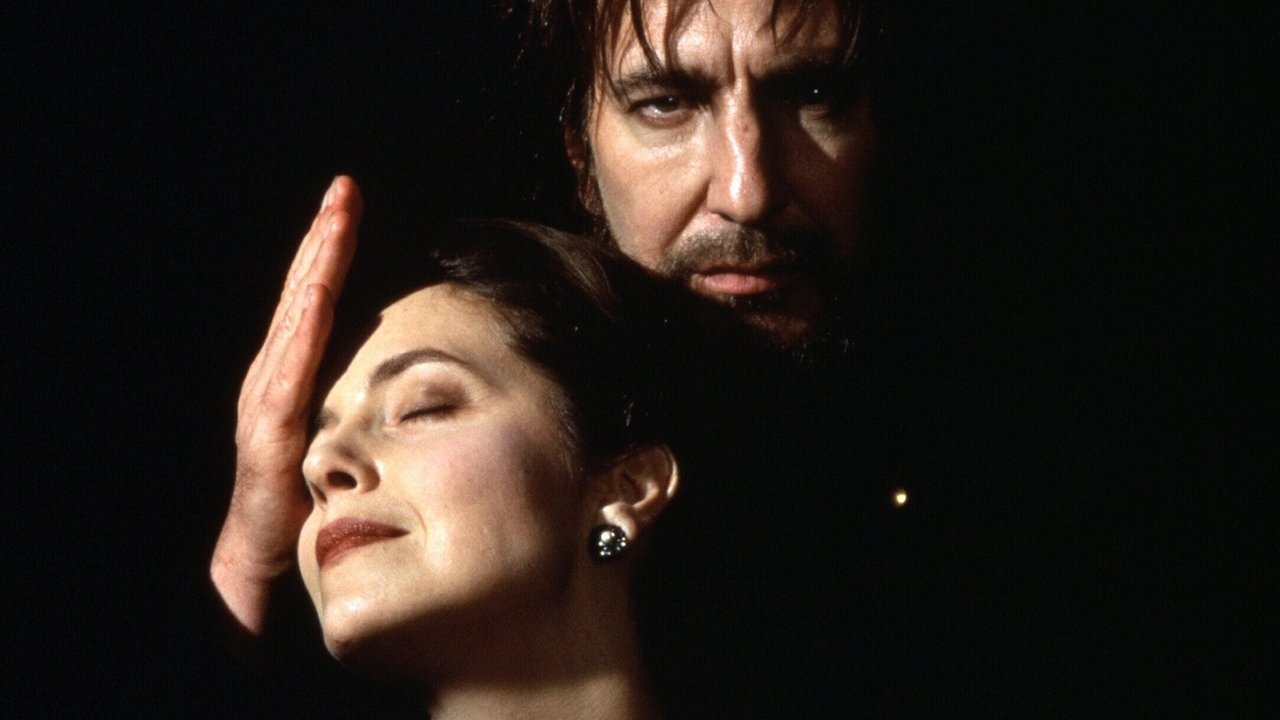
Peter Pruce's script doesn't shy away from the more lurid aspects of the Rasputin legend – the womanizing, the drinking, the almost hypnotic influence he held. But crucially, it avoids painting him as a simple, moustache-twirling villain. Rickman embodies this ambiguity perfectly. Is he a genuine mystic, capable of easing the Tsarevich's suffering through faith healing? A charlatan exploiting a family's desperation? Or something unsettlingly in between? Rickman plays him as a force of nature – raw, earthy, undeniably intelligent, yet possessed of a strange, almost childlike faith mixed with cunning manipulation. His eyes, often the most expressive tool in his arsenal, flicker between profound empathy, calculating ambition, and unsettling fervor. It’s a performance of immense physicality and subtle nuance, capturing a man who could simultaneously inspire fervent devotion and utter revulsion. Little wonder it earned him both an Emmy and a Golden Globe; it feels less like acting and more like channeling. I recall watching his scenes back then, utterly captivated by how he commanded the screen, making you understand, even momentarily, why people might fall under his spell.
A Court on the Brink
Equally compelling are the portrayals of the Tsar and Tsarina. Ian McKellen, long before he became Gandalf or Magneto for a new generation, brings a poignant fragility to Nicholas II. He’s not depicted as a tyrant, but as a fundamentally decent man utterly overwhelmed by the tides of history and his own inadequacy for the throne. His quiet desperation and devotion to his family are heartbreakingly rendered. McKellen also walked away with a Golden Globe for his work here, and it’s richly deserved. Greta Scacchi, as Alexandra, masterfully conveys the Tsarina’s fierce maternal love, her deep faith, and the gradual, tragic surrender to Rasputin's influence born of sheer desperation for her son’s survival. The chemistry between Rickman, Scacchi, and McKellen forms the aching heart of the film – a triangle of faith, fear, and political decay.
Behind the Velvet Curtains
For a television movie, even an HBO production, the scale is impressive. Filming in actual Russian locations like the Catherine Palace adds an invaluable layer of authenticity that sets couldn't replicate. You feel the vastness and the cold. Uli Edel uses these environments effectively, creating painterly compositions that emphasize both the grandeur and the isolation of the Romanovs. While not heavy on practical effects in the way of sci-fi or horror, the production design itself feels like a crucial effect, transporting us directly into that specific time and place. The score by Don Davis (who would later score The Matrix trilogy) effectively underscores the drama without becoming intrusive, adding to the atmosphere of impending doom. It’s worth remembering that productions like this felt like events back then, a sign that television was truly capable of rivalling cinema in scope and artistic merit.
More Than Just a Mad Monk?
Does Rasputin offer the definitive historical account? Likely not. It leans into the drama, understandably, and simplifies complex political currents for narrative clarity. Yet, its strength lies in its commitment to exploring the human tragedy within the historical spectacle. It asks us to consider the potent mix of faith, power, and desperation that allowed such a figure to rise, and how personal anxieties can intersect with seismic historical shifts. What lingers, beyond the impeccable performances, is that sense of inevitability, the chilling awareness of the revolution lurking just outside the palace walls, ready to consume them all.
Rating: 8.5/10
This score reflects the film's towering central performance by Alan Rickman, strongly supported by McKellen and Scacchi, and its impressive production values for a 90s television movie. It successfully blends historical drama with compelling character study, capturing the atmosphere of a dying empire with conviction. While perhaps not a perfect historical document, its dramatic power and Rickman's unforgettable portrayal make it a standout of the era.