Okay, fellow travelers through time and tape, let's dim the lights and settle in. Sometimes, nestled between the explosive action covers and the lurid horror artwork on those video store shelves, you'd find something quiet, something unassuming, yet possessed of a power that lingered long after the VCR clicked off. Zhang Yimou's 1992 masterpiece, The Story of Qiu Ju (Qiu Ju da guan si), is precisely that kind of film – a deceptively simple tale that unfolds with the patience of the seasons and the unshakeable resolve of its heroine.
An Unyielding Quest for...What Exactly?
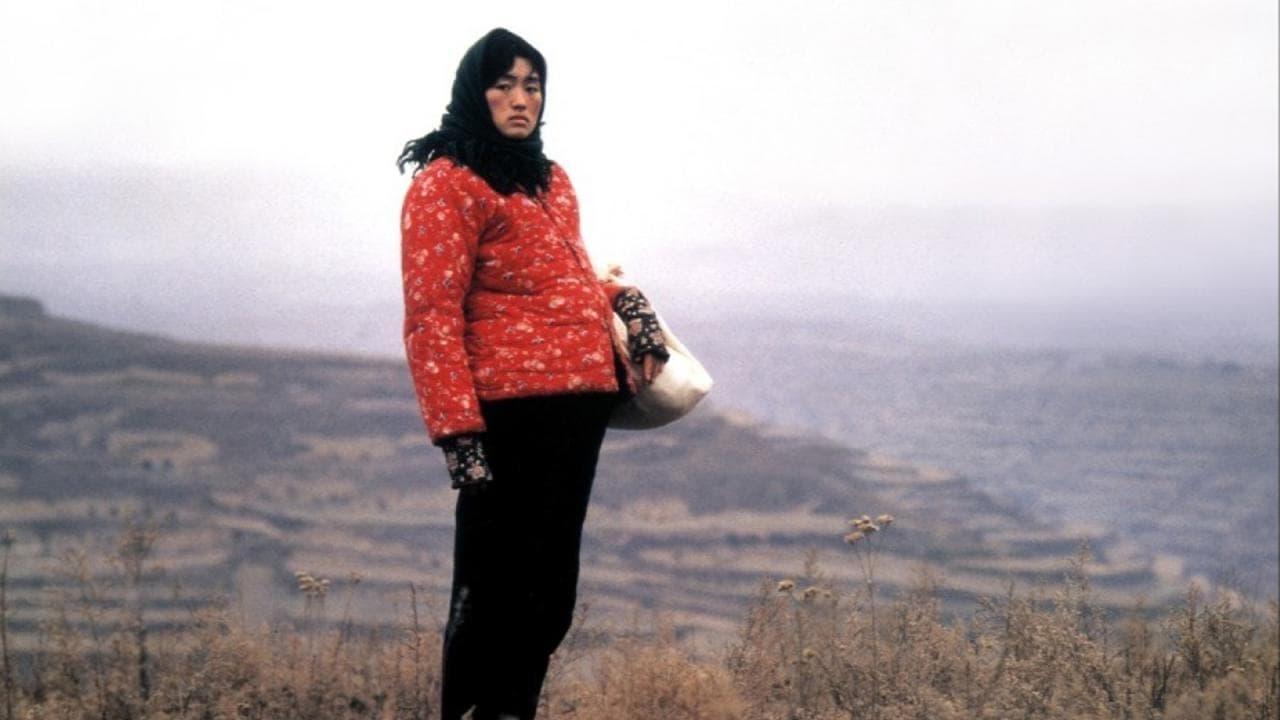
The premise feels almost like a folk tale: Qiu Ju (Gong Li), a heavily pregnant peasant woman in rural China, seeks redress after the village chief (Lei Kesheng) kicks her husband (Liu Peiqi) in the groin during a dispute. What does she want? Not money, not punishment, really. She wants an apology. She wants acknowledgement. She wants shuofa – an explanation, a justification, a restoration of dignity. This simple, almost stubborn demand propels her on an odyssey through the labyrinthine layers of the Chinese legal and bureaucratic system, from local officials right up to the district court in the city.
What strikes you immediately is the film’s almost startling authenticity. This isn't the stylized, visually opulent China of Zhang Yimou's earlier triumph, Raise the Red Lantern (1991). Instead, he employs a vérité style that feels remarkably ahead of its time, blurring the lines between documentary and fiction.
Cinema Verité in Rural China
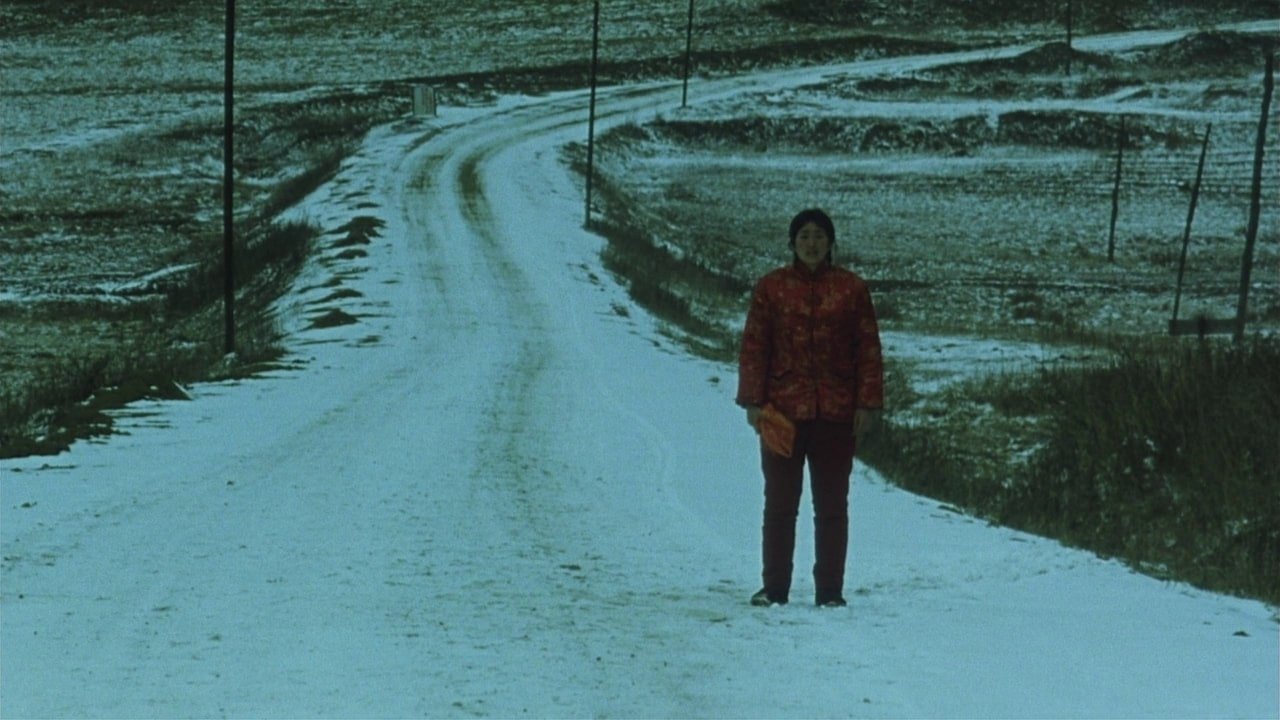
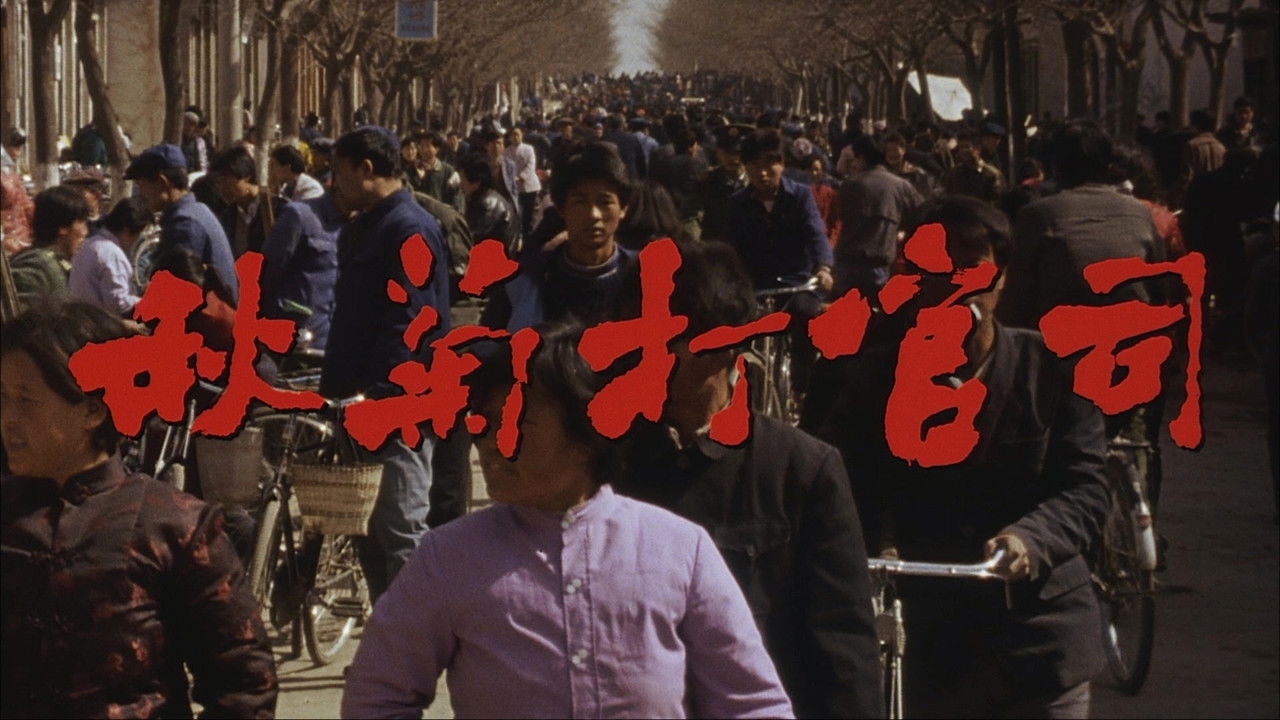
Here’s where some fascinating production insight really illuminates the film's unique texture. Zhang famously utilized hidden cameras for many scenes, particularly those in bustling marketplaces or crowded offices. He wanted to capture the genuine reactions of ordinary people encountering Qiu Ju and her seemingly simple problem. The result is extraordinary – a sense of unvarnished reality, of life observed rather than staged. Local villagers were often used as extras, sometimes interacting directly with the main cast, their unscripted moments adding layers of truthfulness. You feel the chill in the air, the mud on the ground, the weary patience of people waiting in anonymous corridors.
This approach demanded something special from its lead. And Gong Li, already a major star, delivers a performance of breathtaking transformation. Stripped of glamour, padded for pregnancy, adopting the specific dialect and rough-hewn mannerisms of the region (she reportedly spent months living in the village to prepare), she becomes Qiu Ju. There's no artifice; her determination, her frustration, her quiet resilience feel utterly real. It’s a testament to her skill that she blends so seamlessly with the non-professional actors surrounding her, anchoring the film with profound authenticity. Her performance rightfully earned her the Best Actress award at the Venice Film Festival, where the film itself snagged the prestigious Golden Lion.
Beyond the Bureaucracy
While the film certainly offers a subtle critique of bureaucratic inefficiency and the disconnect between state mechanisms and rural realities, its heart lies elsewhere. It’s about the persistence of the human spirit, the fundamental need for respect, and the complexities of justice itself. Is Qiu Ju merely being stubborn, as even her husband sometimes implies? Or is her dogged pursuit a necessary assertion of her family's worth in a system that often overlooks the individual? The film doesn't offer easy answers, instead inviting us to ponder these questions alongside Qiu Ju on her arduous journeys. Doesn't her quest, in a way, echo the universal desire to simply be heard and acknowledged?
The visual style perfectly complements this. The slightly grainy film stock, the natural lighting, the observational camera work – it all contributes to an atmosphere that is immersive and deeply felt. There are no soaring crane shots or dramatic musical cues telling you how to feel. The power comes from the quiet accumulation of detail, the steady rhythm of Qiu Ju’s footsteps, the changing seasons mirroring the slow turning of bureaucratic wheels.
A Quiet Giant on the VHS Shelf
Finding The Story of Qiu Ju back in the day might have felt like discovering a hidden channel. It wasn't the typical Friday night popcorn fare. Renting it perhaps felt like a deliberate choice, a detour from the familiar into something more contemplative. I remember the distinct feeling of watching it on a CRT TV, the film's grounded reality somehow intensified by the humble format. It stood out, a quiet drama asking profound questions amidst the louder offerings of the era. Its critical success certainly helped it find an audience on home video, offering a window into a different world and a different kind of filmmaking.
Final Thoughts
The Story of Qiu Ju is a masterclass in understated storytelling and performance. It uses its simple narrative framework to explore complex themes of justice, dignity, and perseverance with immense empathy and skill. Zhang Yimou's bold directorial choices and Gong Li's transformative performance create a film that feels both specific to its time and place, and universally resonant. It’s a film that doesn’t shout, but whispers profound truths that stay with you.
Rating: 9/10 - This score reflects the film's exceptional direction, Gong Li's phenomenal and immersive performance, its innovative (for the time) blend of fiction and reality, and its powerful, subtly rendered themes. The deliberate pacing might test some viewers expecting faster fare, but its artistry and emotional depth are undeniable.
It leaves you pondering: in the grand machinery of society and law, how much space is there for the simple human need for acknowledgement? A question as relevant now as it was in 1992.