Okay, settle in and let's dim the lights. Remember that feeling, maybe back in your late teens or early twenties, when the path ahead seemed both wide open and terrifyingly blank? When friendships felt like lifelines, yet independence tugged insistently? That precise, often uncomfortable space is where Claudia Weill’s quietly revolutionary 1978 film, Girlfriends, lives and breathes. It might predate the main VHS boom by a few years, but trust me, finding this gem tucked away on a rental shelf felt like uncovering a secret truth about navigating young adulthood, especially for women carving out their own space in the world.

### The End of an Era, The Start of... Something
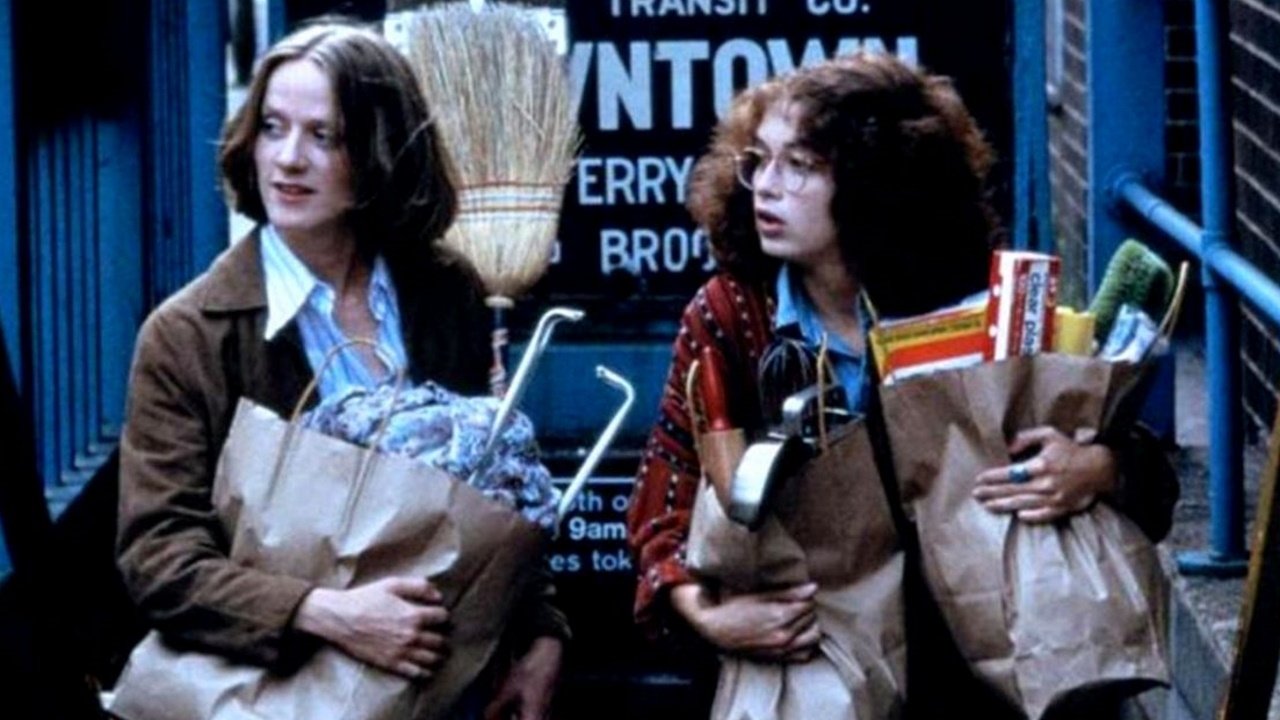
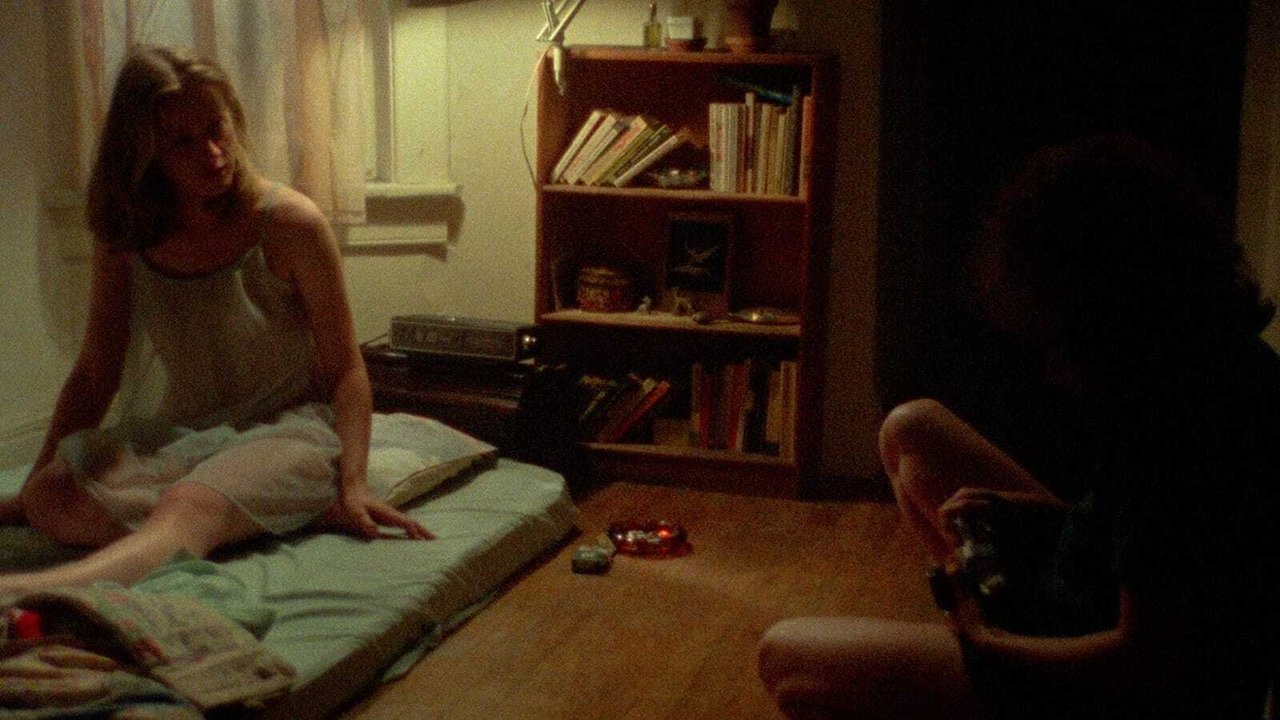
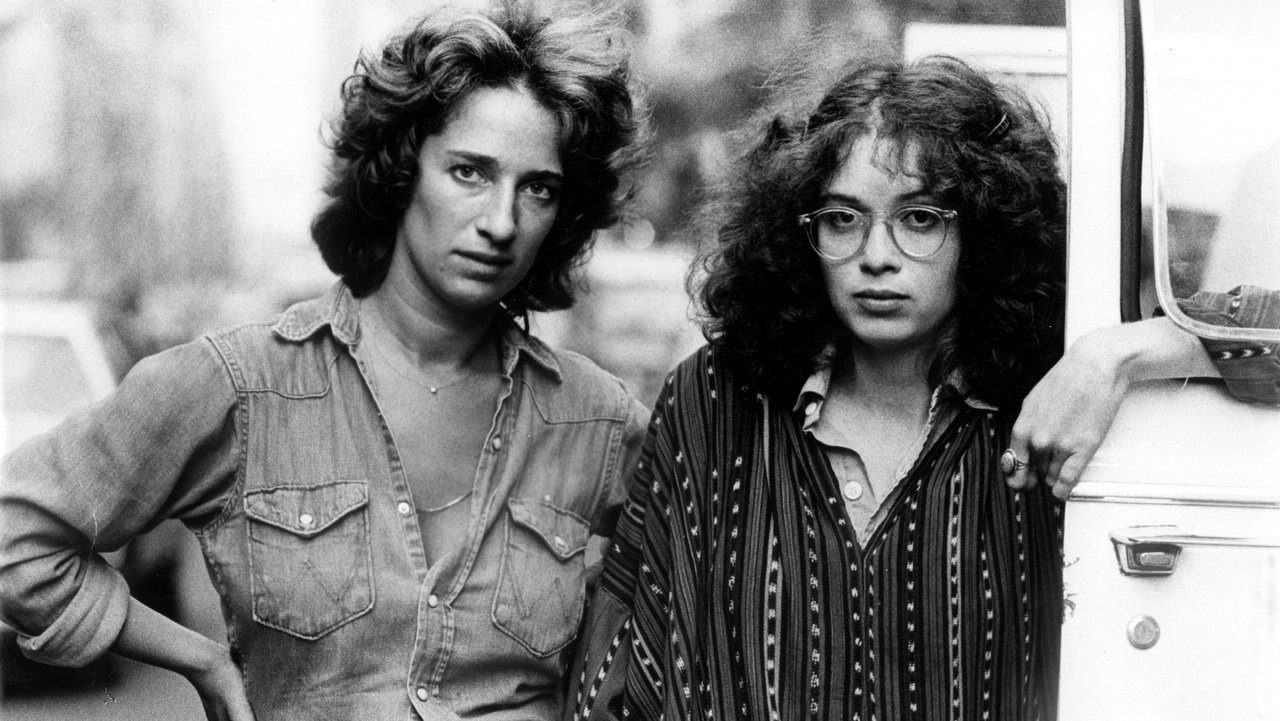
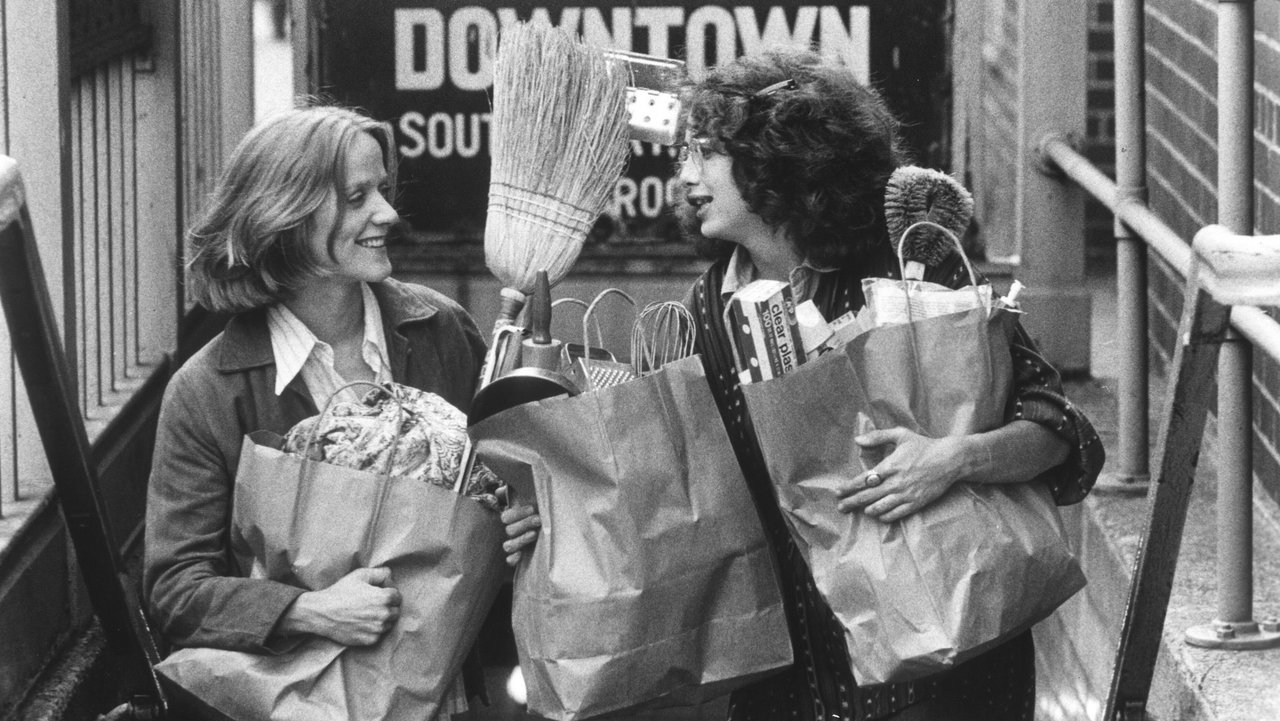
The premise is deceptively simple: Susan Weinblatt (Melanie Mayron) and Anne Munroe (Anita Skinner) are best friends and roommates, scraping by in late 70s New York City. Susan’s a photographer, capturing moments of life while trying to make rent shooting weddings and bar mitzvahs. Anne’s a writer, wrestling with her own ambitions. Their close-knit world fractures when Anne abruptly announces she's getting married and moving out. What follows isn't high drama in the conventional sense, but something far more resonant: Susan’s solitary journey through the emotional landscape of forging an identity – artistic, personal, professional – largely on her own terms.
Weill, directing from a script she developed with Vicki Polon, avoids easy answers or neat resolutions. Instead, she gives us textured reality. We see Susan’s cramped apartment, the awkwardness of trying to reconnect with her newly-domesticated friend, the small victories and persistent anxieties of freelance life, the tentative steps towards new relationships – including a beautifully observed, slightly melancholic connection with an older Rabbi, played with gentle wisdom by the great Eli Wallach.
### A Masterclass in Naturalism
What truly elevates Girlfriends is the breathtaking authenticity of its central performance. Melanie Mayron is Susan. It’s not just acting; it feels like documentary. Her portrayal is a marvel of nuanced vulnerability – the slumped shoulders conveying disappointment, the flicker of hope in her eyes when discussing her art, the barely concealed hurt when friendship dynamics shift. Mayron captures the messy contradictions of being young: capable yet insecure, lonely yet fiercely needing space, ambitious yet sometimes overwhelmed. It’s a performance devoid of vanity, deeply relatable, and frankly, one that should be studied. You feel her frustrations, her small joys, her quiet determination. It’s a performance that stays with you, whispering truths long after the credits roll.
Anita Skinner provides the necessary counterpoint as Anne, embodying the friend who chooses a more conventional path, yet clearly hasn't entirely figured things out either. Their scenes together crackle with the unspoken history, the affection, and the simmering resentments that define long-term friendships undergoing change. Keep an eye out too for early appearances by Christopher Guest as a potential romantic interest and Bob Balaban as a former boyfriend – hints of the talent that would fully bloom in the coming decades.
### New York State of Mind
Claudia Weill’s direction is unobtrusive yet masterful. She captures the specific grain and feel of late 1970s New York – not the glitzy disco version, but the lived-in reality of walk-up apartments, struggling artists, and the city's inherent blend of possibility and indifference. There's a raw, almost cinéma vérité quality here, born partly from its independent roots and modest budget, that perfectly mirrors Susan’s own unvarnished perspective. It’s fascinating to learn that Stanley Kubrick, a filmmaker known for meticulous control, was apparently a huge admirer of Girlfriends, reportedly screening it for his crew before shooting The Shining – perhaps drawn to its stark emotional honesty and Weill's confident, unshowy style. It feels like a crucial precursor to the wave of American independent cinema that would gain momentum in the 80s and 90s.
### Why It Still Resonates
Does the film feel dated? In superficial ways, perhaps – the landlines, the specific fashion. But emotionally? Intellectually? Not one bit. The core questions it raises about the tightrope walk between connection and independence, the sacrifices and compromises involved in pursuing creative passion, the often-painful process of friendships evolving or fading – these are timeless. How do we maintain our sense of self when the anchors in our lives shift? What does it mean to truly support a friend whose choices diverge sharply from our own? Girlfriends doesn't offer lectures, just honest observation.
It’s a film that understands loneliness not as a failure, but as a complex, sometimes necessary, part of growth. It champions female interiority and ambition in a way that felt groundbreaking then and still feels refreshingly direct today. It’s a quiet film, yes, but its emotional impact reverberates.
***
VHS Heaven Rating: 9/10
Justification: Girlfriends earns this high rating for its profound emotional honesty, Melanie Mayron's landmark naturalistic performance, Claudia Weill's sensitive direction, and its timeless exploration of female friendship and artistic struggle. It's a near-perfect slice-of-life that feels authentic decades later. While its low-key pace might not grab everyone initially, its depth and truthfulness offer immense rewards.
Final Thought: Long before the think-pieces and hashtags, Girlfriends offered a deeply human, unflinching look at the complexities of being a young woman finding her way. It’s a vital piece of late 70s cinema that feels less like a movie and more like catching up with an old, insightful friend.