Sometimes, a film doesn't need explosions or dazzling special effects to leave an indelible mark. It doesn't need movie stars or intricate plot twists. Sometimes, all it takes is a simple promise, depicted with unflinching honesty, to resonate deep within your soul. That’s the quiet power of Zhang Yimou’s 1999 masterpiece, Not One Less (Yi ge dou bu neng shao), a film that arrived like a breath of stark, rural air amidst the often-slick offerings lining the video store shelves back in the day.
A Heavy Mantle on Young Shoulders
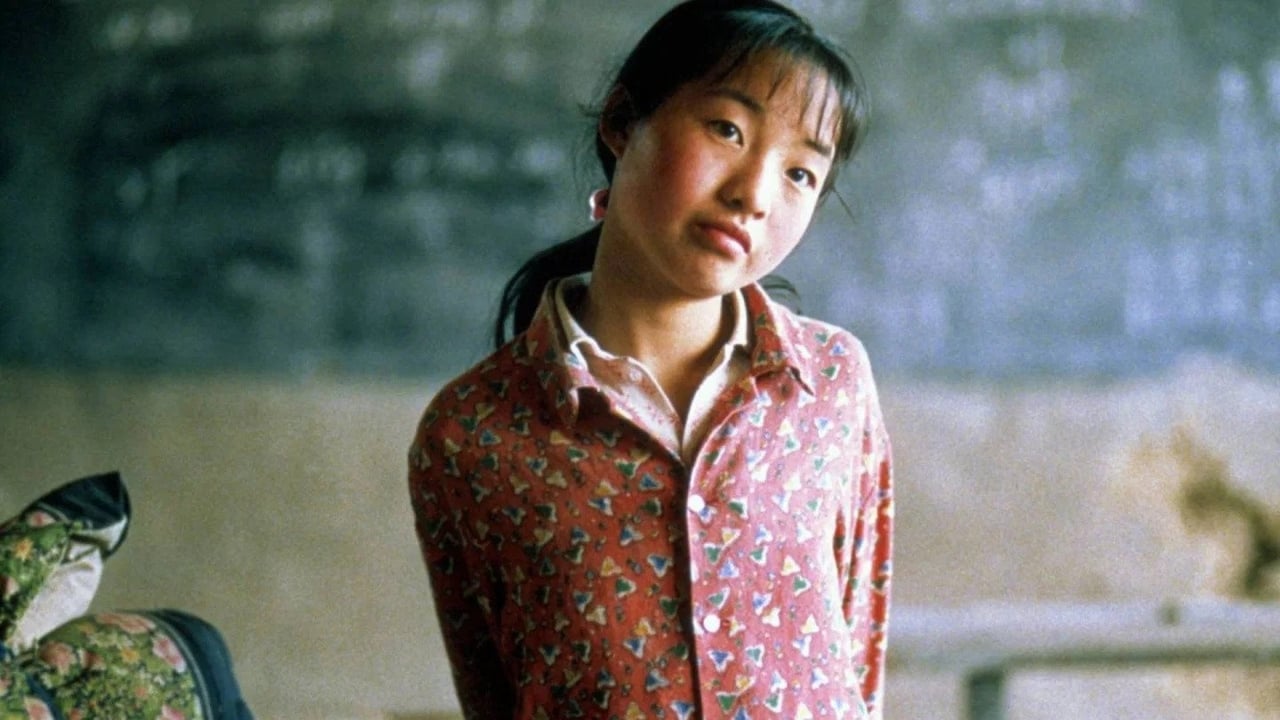
The premise is deceptively straightforward. In the desperately poor Shuiquan Primary School, located in a remote Chinese village, the regular teacher, Gao, must take a leave of absence to care for his ailing mother. His replacement is Wei Minzhi, a girl barely older than her students – just thirteen years old. Played with astonishing naturalism by the real Wei Minzhi (in a stroke of casting genius we'll touch on later), she isn't a qualified teacher, merely the only person the village mayor could find. Teacher Gao leaves her with one crucial instruction, underscored by the promise of a bonus: ensure that upon his return in one month, not a single student has dropped out. Not one less. When mischievous ten-year-old Zhang Huike abandons school for the daunting prospect of work in the big city to help his family's debt, Wei Minzhi takes that promise with the unwavering seriousness only the young and truly determined can muster.
The Power of Unvarnished Reality
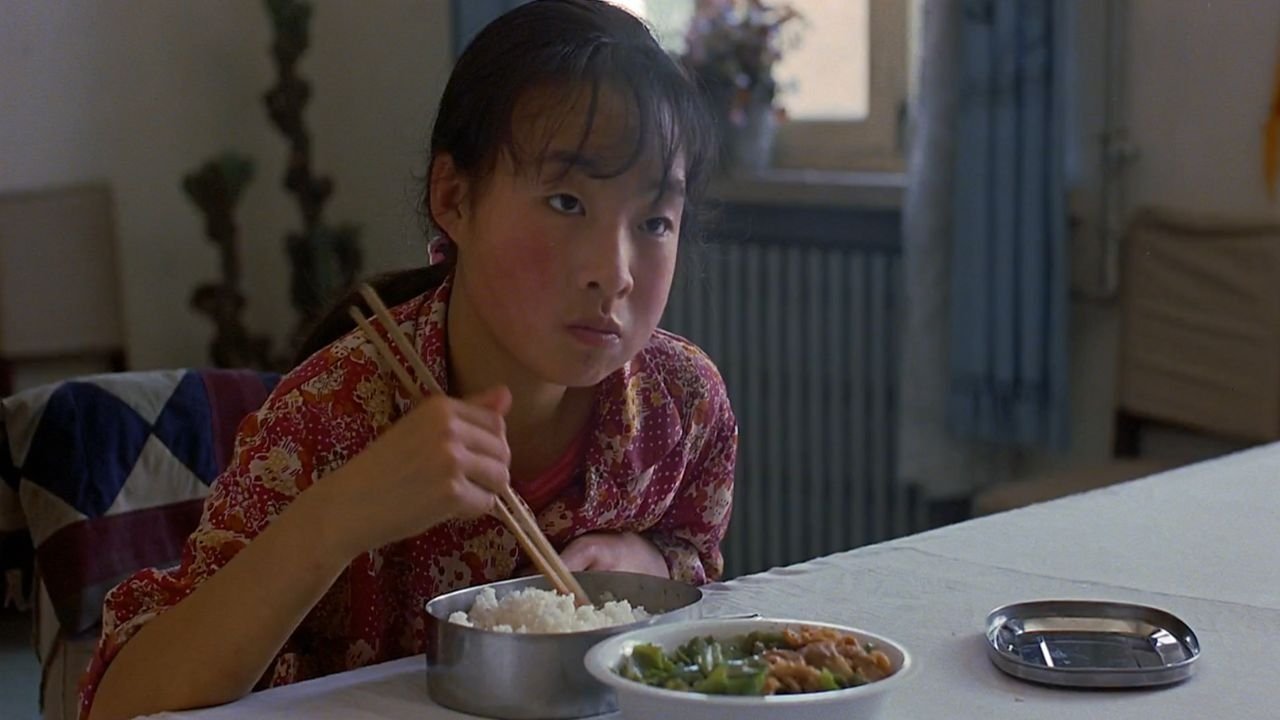
What unfolds isn't a typical cinematic journey. Zhang Yimou, previously known for visually lush, critically acclaimed dramas like Ju Dou (1990) and Raise the Red Lantern (1991), pivots dramatically here towards neorealism. Gone are the opulent colours and stylized compositions. Instead, we're immersed in the dusty, hardscrabble reality of rural China. The cinematography is plain, almost documentary-like, reflecting the unadorned lives of its subjects. This isn't poverty romanticized; it's presented with a quiet dignity and an undercurrent of struggle that feels utterly authentic.
This authenticity is amplified exponentially by Zhang Yimou's decision to cast non-professional actors, essentially villagers playing versions of themselves. Wei Minzhi, chosen from tens of thousands of hopefuls, is Wei Minzhi, the substitute teacher. Her performance isn't about technique; it's about raw presence. Her stubbornness, her frustration, her moments of near-despair, and her unbreakable resolve feel completely genuine because, in many ways, they likely were. You see the weight of responsibility settle onto her young shoulders, the simple promise becoming an unshakeable quest. Similarly, Zhang Huike as the runaway student and Tian Zhenda as the village mayor feel less like actors and more like people plucked directly from the life the film depicts. It’s a testament to Zhang Yimou's direction that he could elicit such truthful portrayals.
More Than Just a Story: Behind the Simplicity
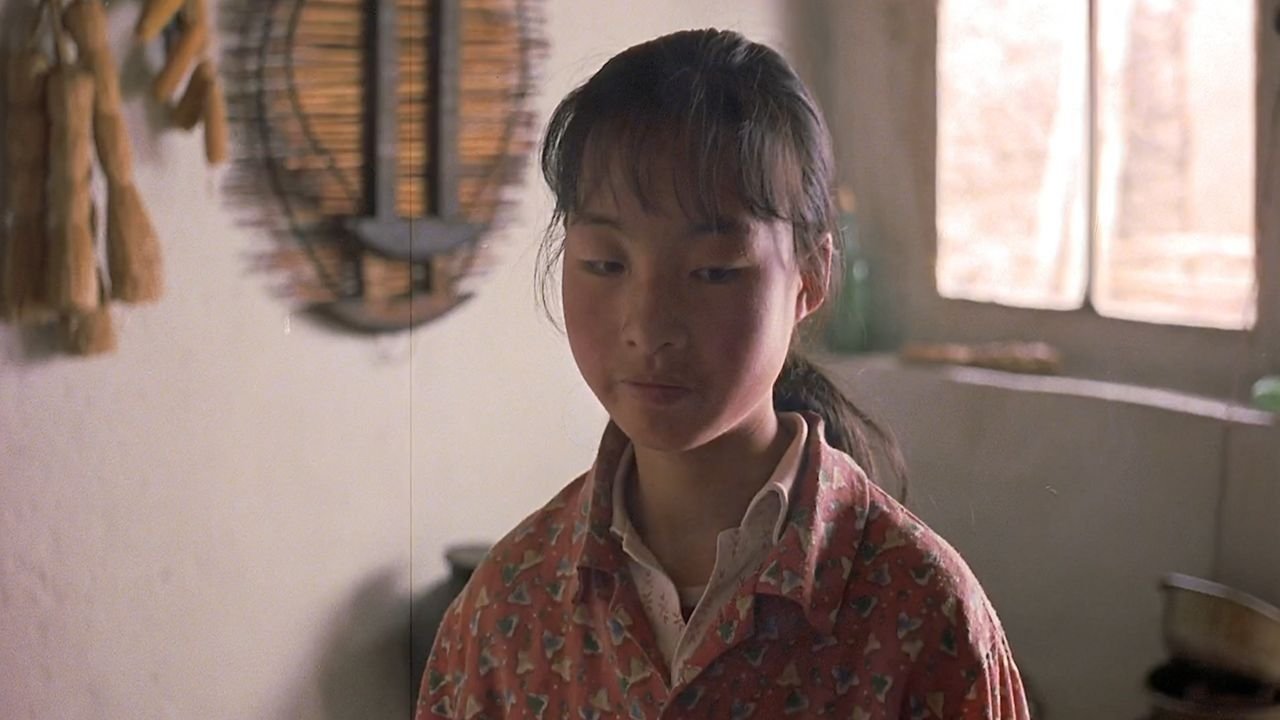
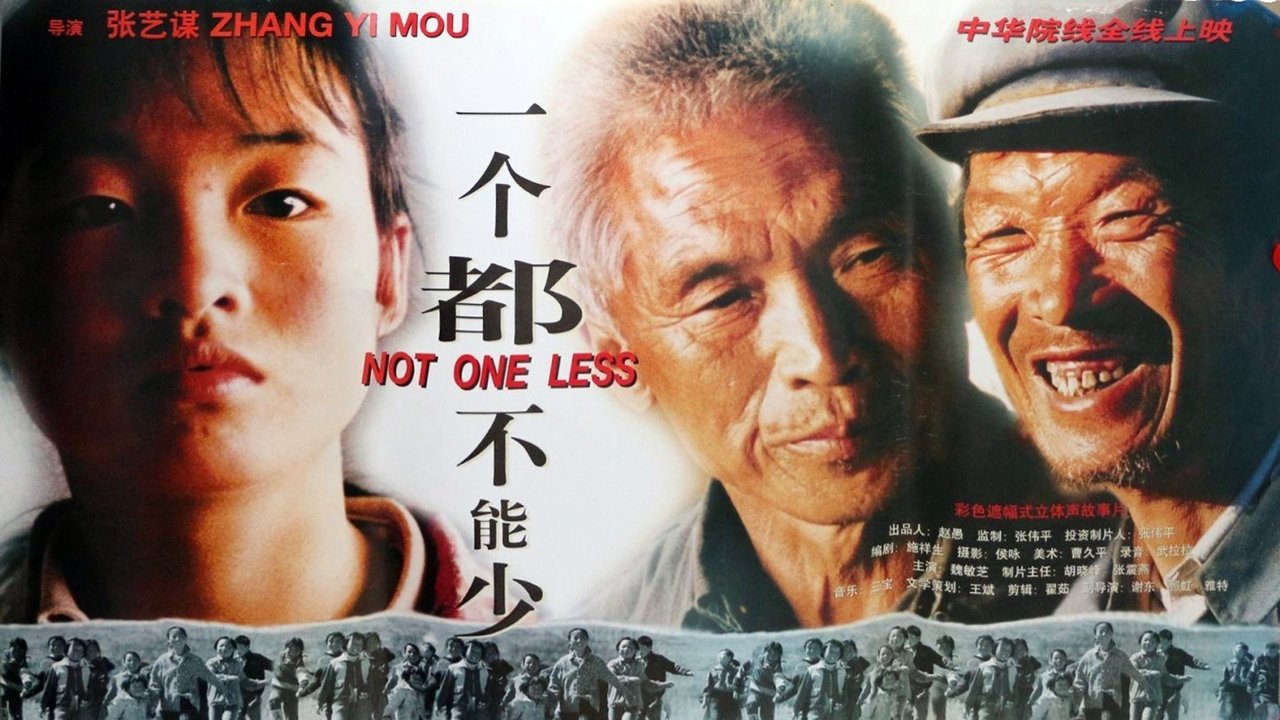
The film's production itself mirrors its themes of resourcefulness and determination. Filmed on location in Hebei province, Zhang Yimou worked with the local community, integrating their lives into the fabric of the narrative. This commitment to realism wasn't without controversy. The film was famously withdrawn from the 1999 Cannes Film Festival by Zhang himself, reportedly after festival organisers wanted to screen it out of the main competition and suggested edits, possibly perceiving it (incorrectly, many argue) as state propaganda due to its ultimately positive portrayal of community resolve and eventual official intervention. Ironically, the film went on to win the prestigious Golden Lion at the Venice Film Festival later that year, lauded for its powerful humanism. This behind-the-scenes drama only adds another layer to the film's quiet defiance.
The journey Wei Minzhi undertakes to find Zhang Huike in the overwhelming, indifferent city is the heart of the film. Her methodical counting of bricks she needs to move to earn bus fare, her painstaking copying of characters onto the blackboard, her desperate attempts to get noticed by a TV station manager – these sequences are studies in tenacity. Does her single-mindedness perhaps border on naive obsession? Maybe. But isn't that often the nature of profound commitment, especially when shouldering a burden others deem unimportant? The film forces us to consider the value placed on a single child, a single education, in the face of overwhelming societal challenges.
A Lesson That Lingers
Watching Not One Less today, perhaps after rediscovering it on a streaming service or dusting off an old DVD that replaced the worn-out VHS tape, its message feels just as potent. In an era often saturated with cynicism, Wei Minzhi’s simple, unwavering dedication is profoundly moving. The film doesn't offer easy answers to the systemic issues of poverty and educational inequality, but it shines a powerful light on the human spirit's capacity for perseverance and care. It reminds us, with quiet insistence, that every individual matters.
It’s not a film you watch for escapism in the traditional sense. It’s grounding, thought-provoking, and deeply affecting. The unpolished aesthetic, which might have seemed unusual on a CRT screen next to Hollywood gloss, now feels timeless in its honesty. It’s a film that settles in your thoughts long after the credits roll.
Rating: 9/10
This near-perfect score is earned through the film’s profound emotional honesty, the incredible authenticity of its non-professional cast led by Wei Minzhi, Zhang Yimou's masterful shift to neorealism, and its simple yet deeply resonant message about the value of every single person. It avoids sentimentality while delivering a powerful, human story. The slight deduction acknowledges that its deliberate pacing and unvarnished style might not resonate with absolutely everyone seeking pure entertainment, but its artistic and emotional achievements are undeniable.
Not One Less remains a testament to the power of simple stories told with immense heart, a quiet classic from the late 90s that reminds us of the difference one determined individual can make. What promise, perhaps made long ago, still guides you?