## The Crimson Stain: Reflecting on Zhang Yimou's Ju Dou
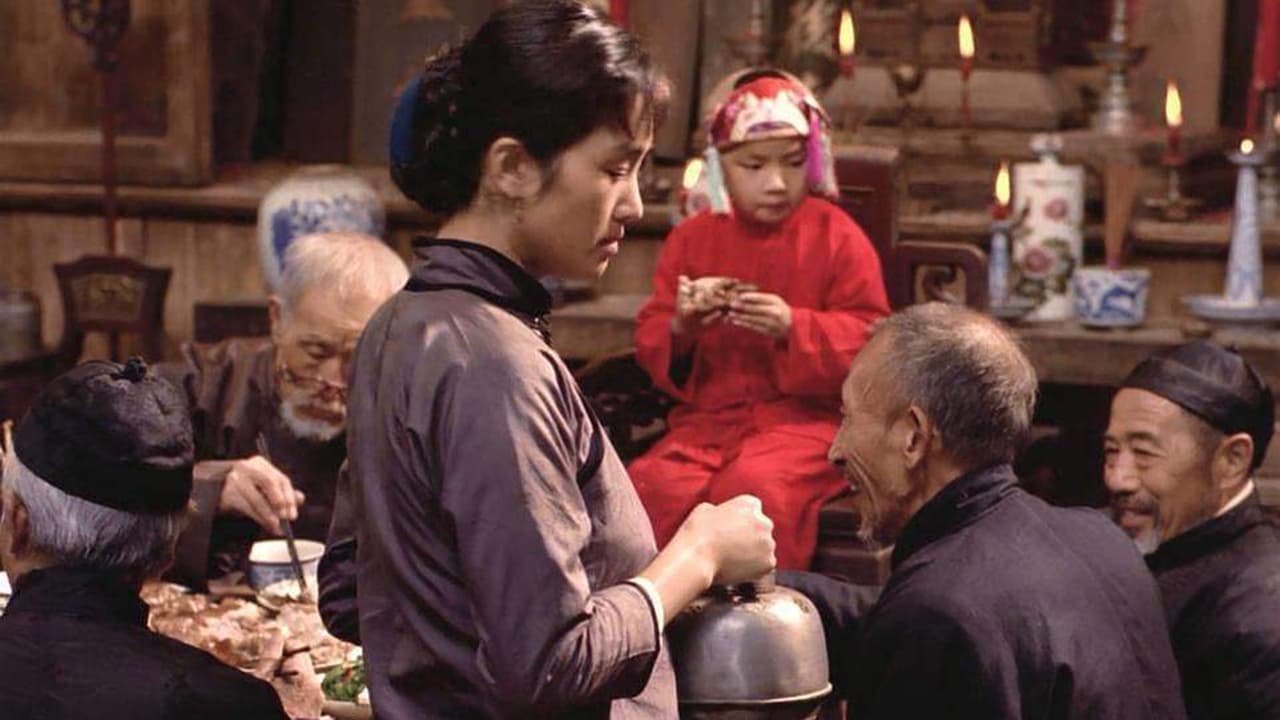
There are images from cinema that lodge themselves deep in the memory, resisting the fade of time. For me, one such indelible picture comes from Zhang Yimou’s shattering 1990 drama, Ju Dou: the vast, cavernous dye mill, draped with immense bolts of fabric cascading down like silent, vibrant waterfalls. Sunlight streams through the high windows, catching the dust motes dancing in the air, illuminating brilliant yellows, blues, and, most potently, blood-reds. It's a setting of breathtaking beauty, yet within its walls unfolds a story steeped in cruelty, forbidden passion, and the suffocating weight of tradition. Discovering Ju Dou on a grainy VHS tape, perhaps tucked away in the "World Cinema" section of a local video store, felt like uncovering something intensely private, powerful, and utterly unforgettable.
A Looming Tragedy
Set in rural China, likely in the 1920s, the film introduces us to Yang Jin-shan (Li Baotian), the aging, wealthy, and brutally sadistic owner of the dye mill. He purchases a beautiful young wife, Ju Dou (Gong Li), solely for the purpose of bearing him an heir – a feat his previous wives failed to achieve, suffering his violent wrath as a result. Jin-shan is impotent and takes his frustrations out on Ju Dou with nightly abuse. Witnessing this, and enduring his own share of the old man's cruelty, is Jin-shan's quiet, browbeaten adopted nephew, Tian-qing (Li Wei). Thrown together under the same oppressive roof, Ju Dou and Tian-qing form a desperate, secret bond that blossoms into a passionate, dangerous affair. The birth of a son, Tian-bai, conceived in secret but passed off as Jin-shan's heir, only tightens the knot of their perilous situation, setting in motion a tragedy as inescapable as fate itself.
Where Beauty Masks Brutality
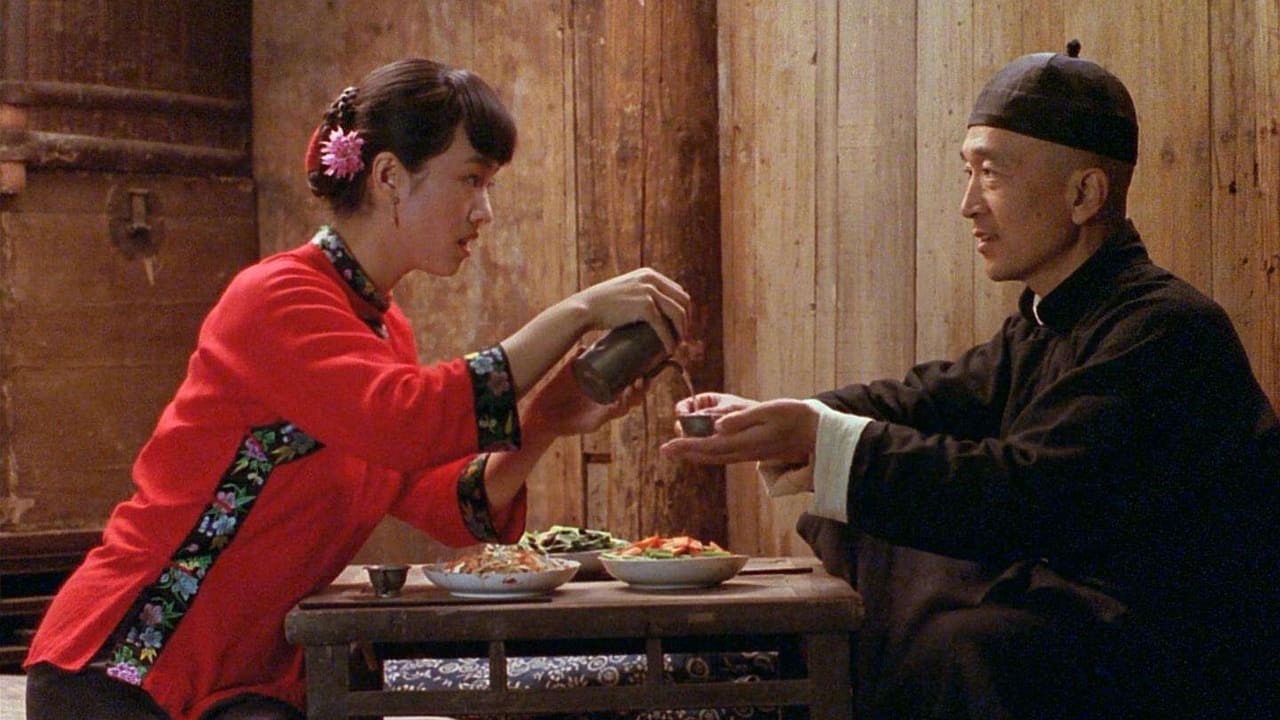
What elevates Ju Dou beyond a mere tale of forbidden love is Zhang Yimou's masterful direction and the astonishing visual language he employs. This was, remarkably, the first Chinese film shot using the imported Technicolor process, and the result is a visual feast that feels almost hyperreal. Cinematographers Lü Yue and Yang Lun capture the textures and tones of the dye mill with painterly precision. The vibrant colors of the dyes are not just aesthetic choices; they are deeply symbolic. The golden yellows might represent fleeting moments of hope or Ju Dou's inherent vitality, while the deep reds foreshadow passion, blood, and danger. The mill itself becomes a character – its looms like instruments of fate, the vats of dye pools of hidden desires and potential doom. The film’s beauty is constantly juxtaposed with the ugliness of the human behaviour within its walls, creating a potent, unsettling tension. How often does such visual richness serve to underscore such profound human suffering?
The Weight of Silence
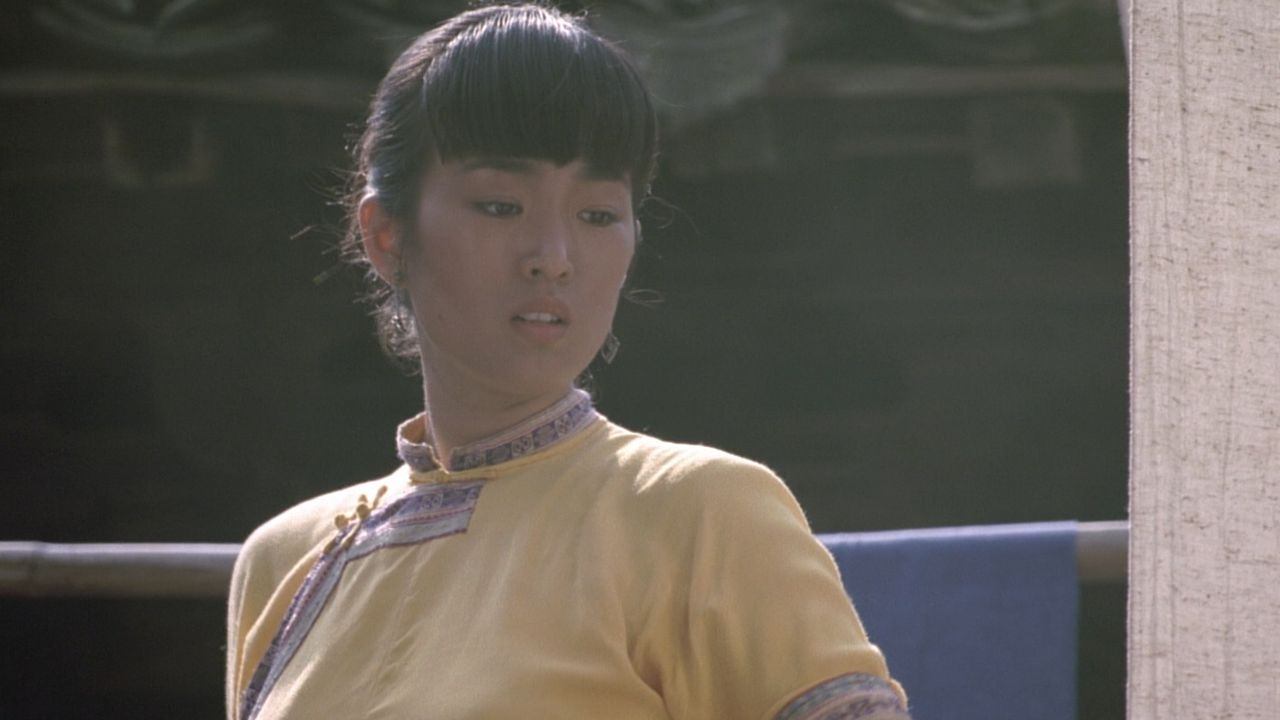
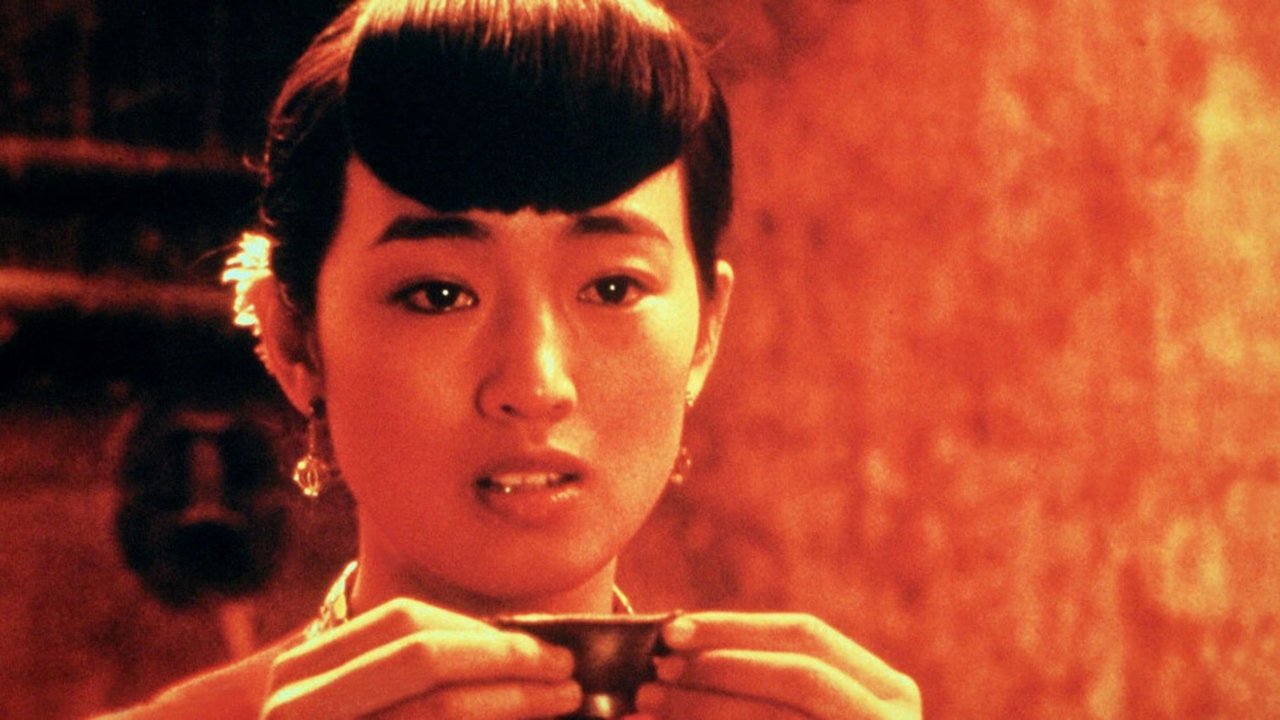
The performances are nothing short of astonishing, particularly from the luminous Gong Li, who was fast becoming Zhang's muse after Red Sorghum (1987). She portrays Ju Dou's transformation from a terrified victim to a woman quietly simmering with defiance and desperate love with heartbreaking authenticity. Her resilience, even when trapped, is palpable. We see the flicker of hope in her eyes during stolen moments with Tian-qing, and the crushing despair as societal and familial pressures close in. Li Baotian is terrifyingly convincing as the monstrous Jin-shan, embodying petty tyranny and patriarchal rage without slipping into caricature. And Li Wei captures Tian-qing’s tormented passivity, a man caught between desire and fear, his inaction ultimately contributing to the unfolding disaster. Much of the film's power lies in what remains unsaid, conveyed through loaded glances, stifled gestures, and the heavy silence that hangs in the air. Doesn't this quiet desperation speak volumes about the constraints they face?
A Film That Challenged Boundaries
It's impossible to discuss Ju Dou without acknowledging its controversial history. The film's unflinching portrayal of feudalistic cruelty, its questioning of traditional structures, and its frank depiction of female desire led to it being banned in China for several years. Yet, internationally, it garnered acclaim, becoming the first Chinese film ever nominated for the Academy Award for Best Foreign Language Film. This context adds another layer to its viewing; we're watching a film that dared to expose uncomfortable truths, using its historical setting to implicitly critique oppressive forces, both past and present. It cemented Zhang Yimou (who would later give us visually stunning works like Raise the Red Lantern (1991) and Hero (2002)) and Gong Li as major forces in world cinema. I recall the buzz around that Oscar nomination – finding a nominated film from mainland China felt significant, a sign of cinematic worlds opening up, even through the humble medium of VHS.
The Unfading Stain
Ju Dou is not an easy watch. It's a film that explores the darkest corners of human nature – cruelty, jealousy, the destructive power of secrets, and the way societal pressures can warp individuals and relationships. Yet, its artistry is undeniable. The visual storytelling is extraordinary, the performances are deeply affecting, and its thematic resonance lingers long after the credits roll. It forces us to confront uncomfortable questions about tradition, agency, and the cycles of violence that can echo through generations. For those of us who stumbled upon it during the VHS era, it was a powerful reminder of cinema's ability to transport us to unfamiliar worlds and confront us with profound, often unsettling, truths.
Rating: 9/10
This near-masterpiece earns its high rating through its stunning, symbolic visuals achieved with that rare Technicolor process, Zhang Yimou's assured direction, the powerhouse performances led by Gong Li, and its courageous exploration of deeply challenging themes. Its historical significance as an Oscar nominee initially banned in its home country only adds to its weight. It might lack the narrative sweep of some epics, focusing tightly on its central quartet, but its concentrated power is immense.
Ju Dou remains a hauntingly beautiful, deeply disturbing film – a crimson stain on the tapestry of memory, impossible to wash away. What stays with you most: the vibrant colours, the silent suffering, or the chilling inevitability of its ending?