It’s rare for a film to genuinely catch you off guard, especially within the often predictable, albeit comforting, structures of mainstream cinema. Yet, watching Baazigar (1993) unfold, particularly back in the hazy days of rented VHS tapes, felt like a jolt. Here was a Hindi film that presented a charming, seemingly conventional leading man, only to pull the rug out from under the audience with audacious narrative choices that still resonate. It wasn't just a thriller; it felt like a deliberate crack in the established mould of the Bollywood hero.
Beyond the Boy Next Door
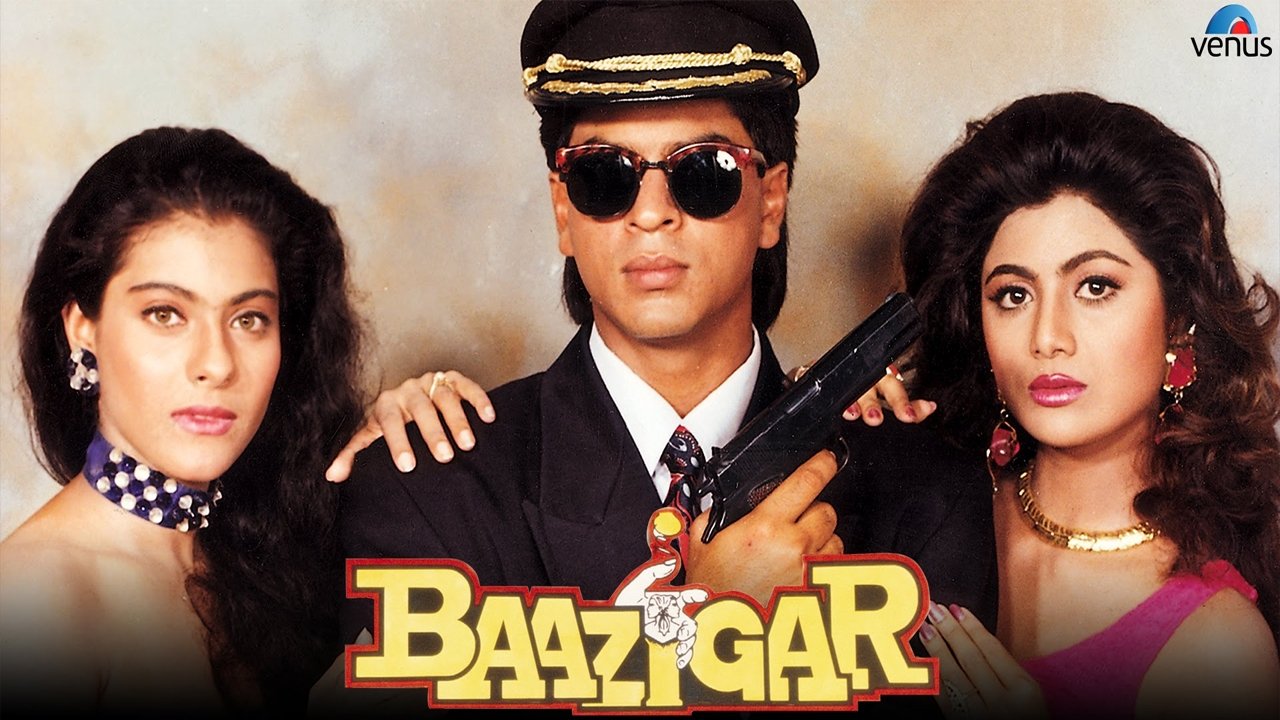
At its heart, Baazigar is a revenge saga, wrapped in the gloss and glamour typical of early 90s Bollywood. We meet the dashing Ajay Sharma, a young man who effortlessly charms his way into the lives of the wealthy industrialist Madan Chopra and his two daughters, the vivacious Seema and the more introspective Priya. The setup feels familiar, hinting at romance, perhaps some family drama. But directors Abbas-Mustan, already honing their skills for slick thrillers often inspired by Western cinema (in this case, quite clearly drawing from 1991's A Kiss Before Dying), had something far darker in mind. The film pivots on shocking acts of betrayal and violence perpetrated by its protagonist, forcing the audience to question everything they thought they knew about him. What lingers isn't just the plot twist, but the chilling determination behind it.
The Rise of the Anti-Hero
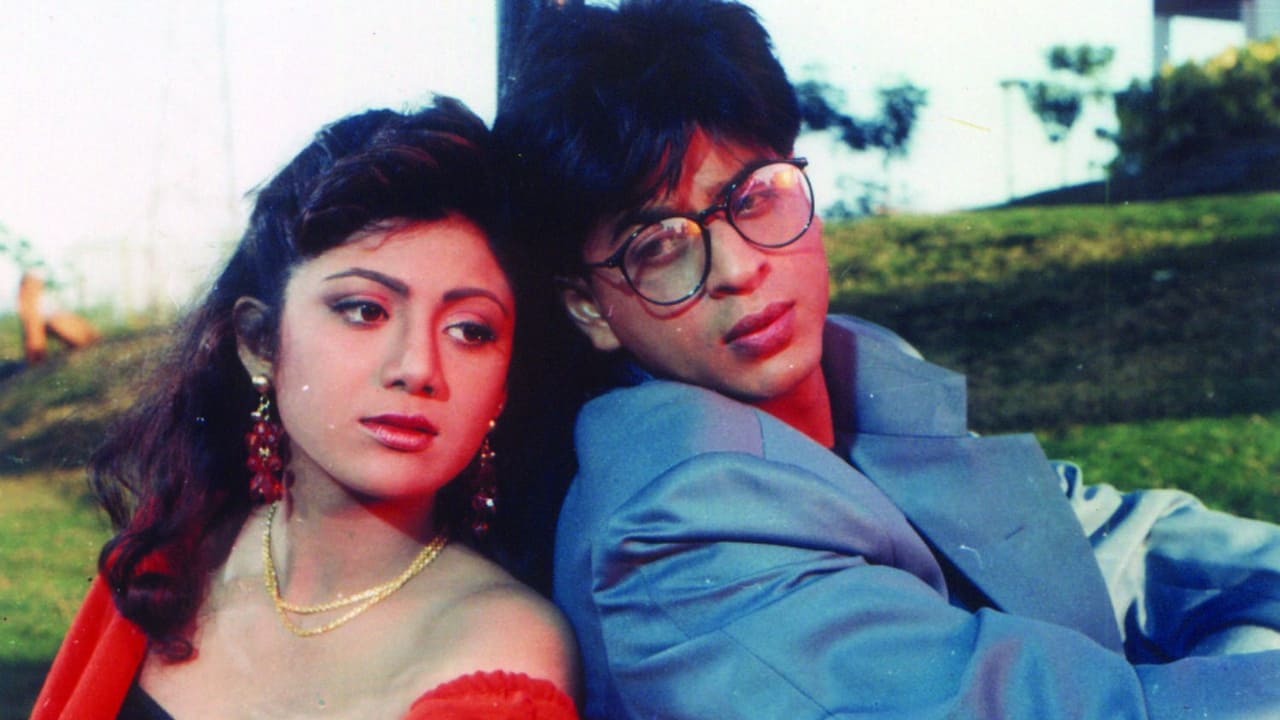
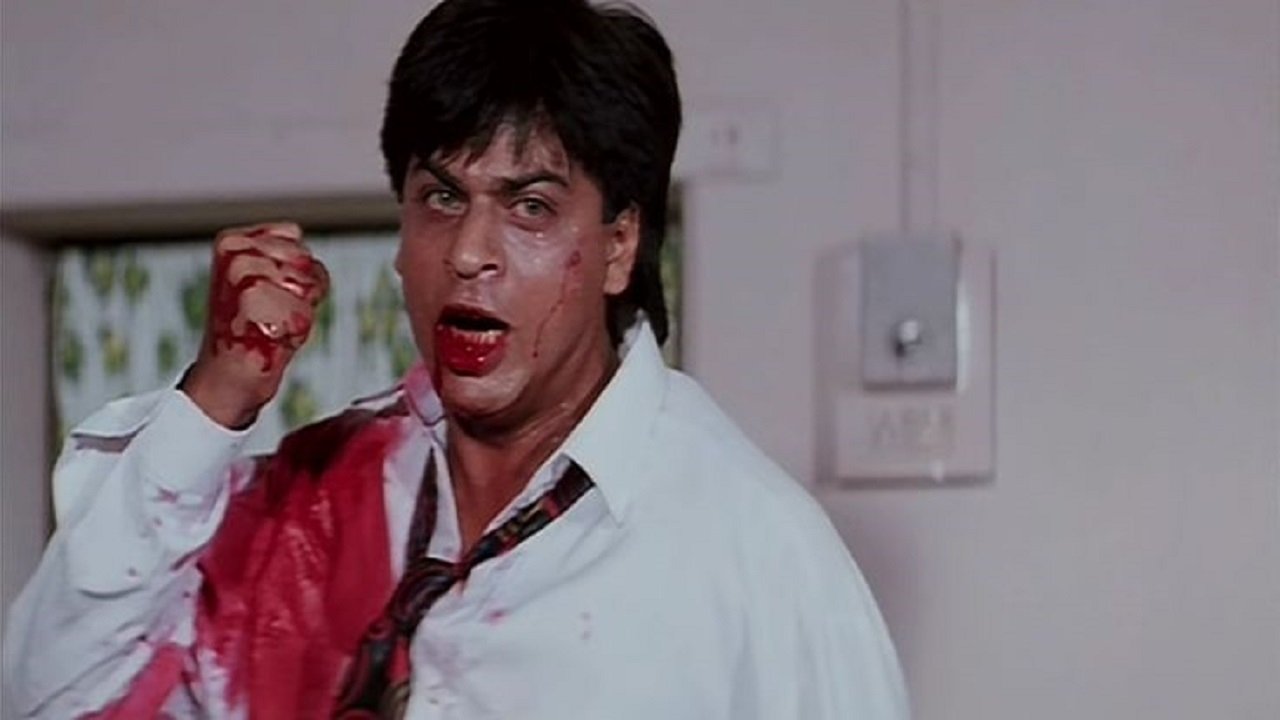
This film is inseparable from the performance that anchors it. Shah Rukh Khan, in a role reportedly turned down by more established stars like Anil Kapoor and Salman Khan perhaps wary of its negative shades, seized the opportunity with both hands. His portrayal of Ajay Sharma is a masterclass in controlled duality. One moment, he’s the charismatic suitor, flashing that dimpled smile that would soon become legendary; the next, his eyes hold a terrifying coldness, revealing the wounded, vengeful soul beneath. It wasn't just a negative role; it was a star-making turn that demonstrated Khan's willingness to take risks, moving beyond the romantic hero archetype even early in his career. This performance didn't just win him his first Filmfare Award for Best Actor; it arguably redefined possibilities for leading men in Hindi cinema, paving the way for his equally complex role in Darr the very same year. Doesn't it say something profound about audience appetite that such a morally ambiguous character could become so iconic?
Sparks and Debuts
Opposite Khan, the leading ladies hold their own magnificently. A young Kajol, already showcasing the natural screen presence and fiery energy that would make her a superstar, plays Priya with compelling intensity. Her journey from naive trust to determined investigation provides the film's moral compass and emotional core. Her chemistry with Khan, even amidst the dark narrative, was palpable – a spark that would ignite one of Bollywood’s most celebrated screen pairings. And making her unforgettable debut was Shilpa Shetty as the ill-fated Seema. Though her screen time is tragically limited, Shetty makes a significant impact, embodying the initial glamour and vulnerability that sets the plot's darker gears in motion. It's a confident first step onto the silver screen for her.
Crafting the Thrill
Abbas-Mustan, known for their signature white attire almost as much as their thrillers, direct with a certain flair. While some elements feel distinctly of the 90s – the fashion, the slightly heightened dramatic moments – their pacing keeps the tension taut. They understood how to build suspense and deliver genuinely shocking moments within the commercial Hindi film structure. This wasn't some gritty indie; it was mainstream entertainment daring to be different. Made on a modest budget (around ₹1.5 crore, or roughly US$500,000 back then), its box office success (grossing over ₹10 crore, a significant hit) proved the gamble paid off handsomely. It showed that audiences were ready for more complex narratives.
Melody and Mayhem
And what 90s Bollywood hit would be complete without its soundtrack? Anu Malik delivered an absolute chartbuster album for Baazigar. Songs like "Yeh Kaali Kaali Aankhen," "Ae Mere Humsafar," and the title track weren't just filler; they were integral to the film's identity and became omnipresent on radio waves and cassette players across India. I distinctly remember the tunes blaring from neighbourhood shops, a constant reminder of the film's pervasive popularity. The music perfectly captured the film's blend of romance and underlying menace, becoming as iconic as the film itself.
The Gambler's Legacy
Watching Baazigar today on a worn-out tape (or, let's be honest, maybe a streaming service that reminds us of the old days) is still an engaging experience. Yes, certain stylistic choices firmly plant it in its era, but the core story, the audacious central performance, and the sheer nerve of its premise remain potent. It was a gamble (Baazigar translates to "Gambler," after all) that fundamentally altered the trajectory of its lead star and nudged mainstream Hindi cinema towards exploring darker, more complex human motivations. It proved that a hero didn't always have to be purely heroic to capture the audience's imagination.
Rating: 8/10
This score reflects Baazigar's undeniable impact, its thrilling narrative, and the powerhouse performance from Shah Rukh Khan that remains a cornerstone of his career. While some 90s Bollywood tropes might feel dated to modern eyes, the film's boldness, memorable music, and the sheer shock value it delivered back in the VHS era earn it a high place in the pantheon of 90s Hindi cinema. It’s a film that took a chance and won big, leaving us with the unsettling question: how far can revenge truly push someone?