### Beneath the City Lights, A Different World Awakens
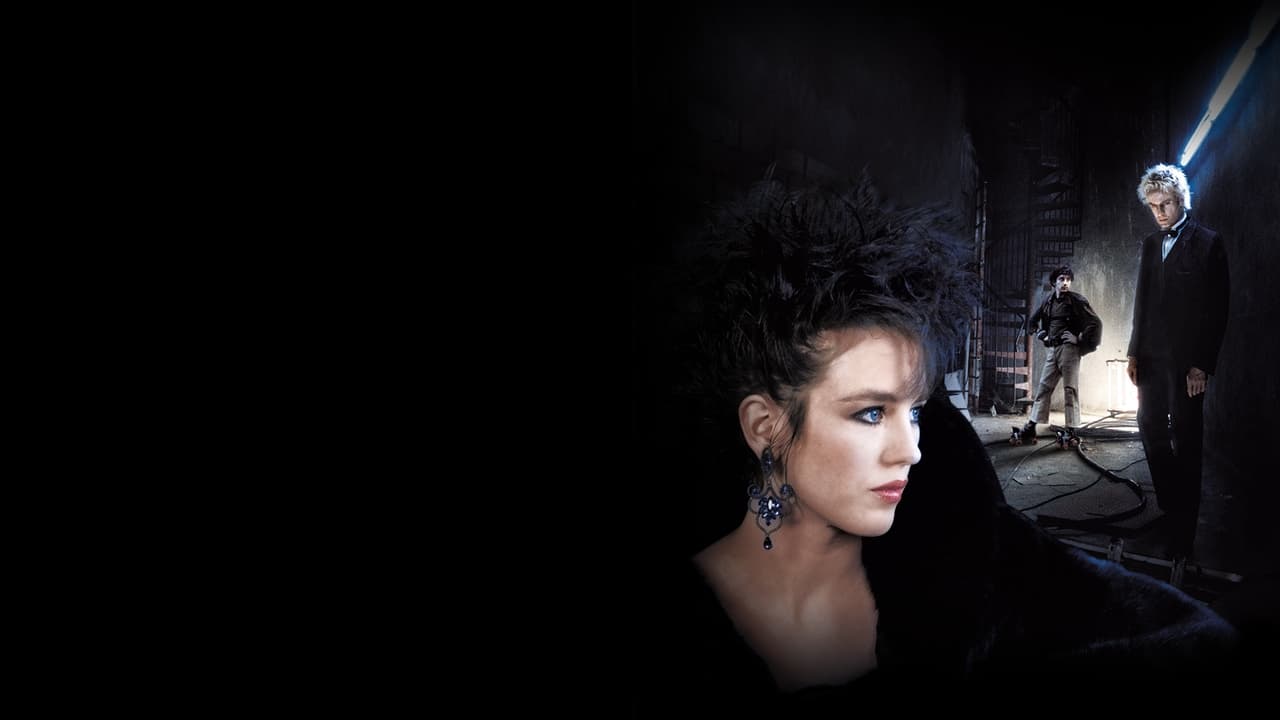
There’s a peculiar energy that pulses through Luc Besson’s Subway (1985), a film that feels less like a conventional thriller and more like plunging into a neon-drenched fever dream beneath the streets of Paris. It doesn’t just use the Métro as a backdrop; it transforms the subterranean network into a character itself – a sprawling, chaotic ecosystem populated by dreamers, hustlers, and lost souls existing just below the surface of respectable society. Watching it again now, decades after its release, it feels like unearthing a time capsule, not just of 80s French style, but of a certain kind of cinematic rebellion.
The Look is Everything (Almost)
Subway arrived as a key text in what critics dubbed the 'Cinéma du look', alongside films like Jean-Jacques Beineix's Diva (1981). Style wasn't just decoration here; it was practically the narrative engine. Besson, in only his second feature film after the stark, black-and-white Le Dernier Combat (1983), floods the screen with vibrant blues, sharp contrasts, and a punk-infused aesthetic. The dingy tunnels and echoing platforms become stages for operatic emotion and sudden bursts of action. It's a world defined by its look – the spiky hair, the leather jackets, the almost futuristic sheen layered over urban decay. Complementing this visual feast is Éric Serra's synthesizer-heavy score, which became almost as iconic as the film itself, perfectly capturing the film's blend of cool detachment and simmering energy. It’s a soundscape that immediately transports you back to that specific mid-80s frequency.
Fred and Héléna: An Unlikely Orbit
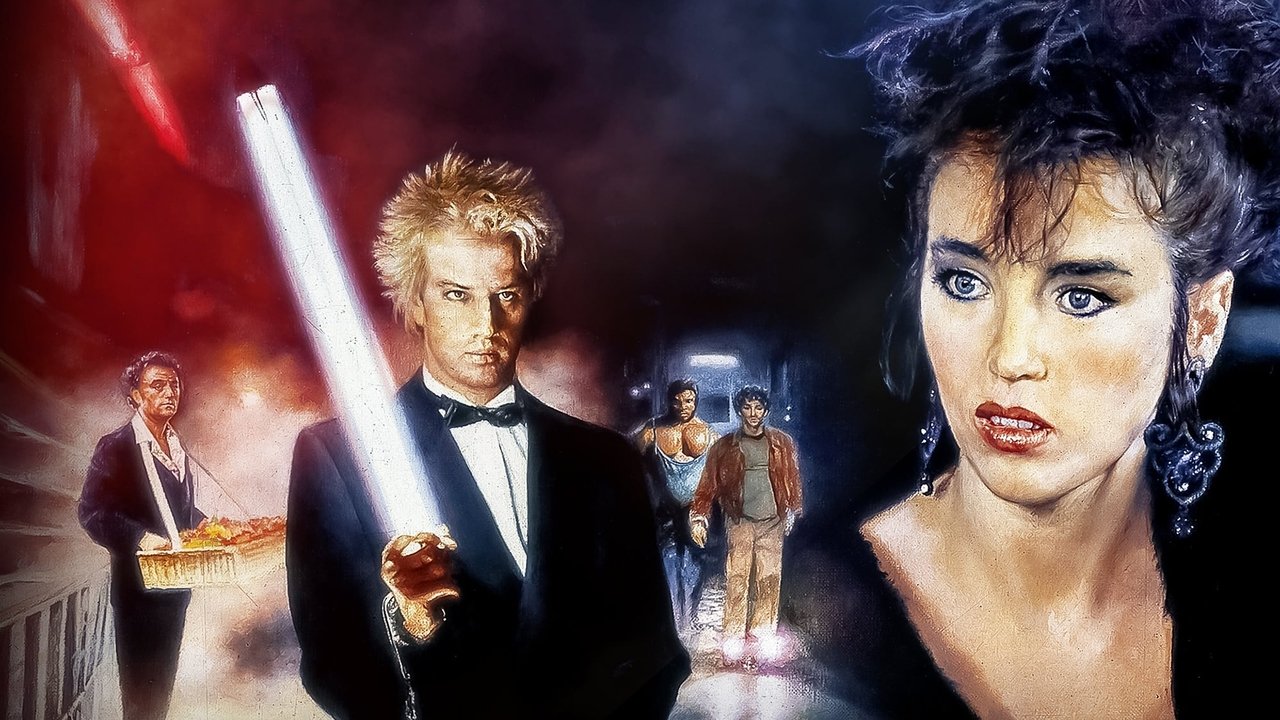
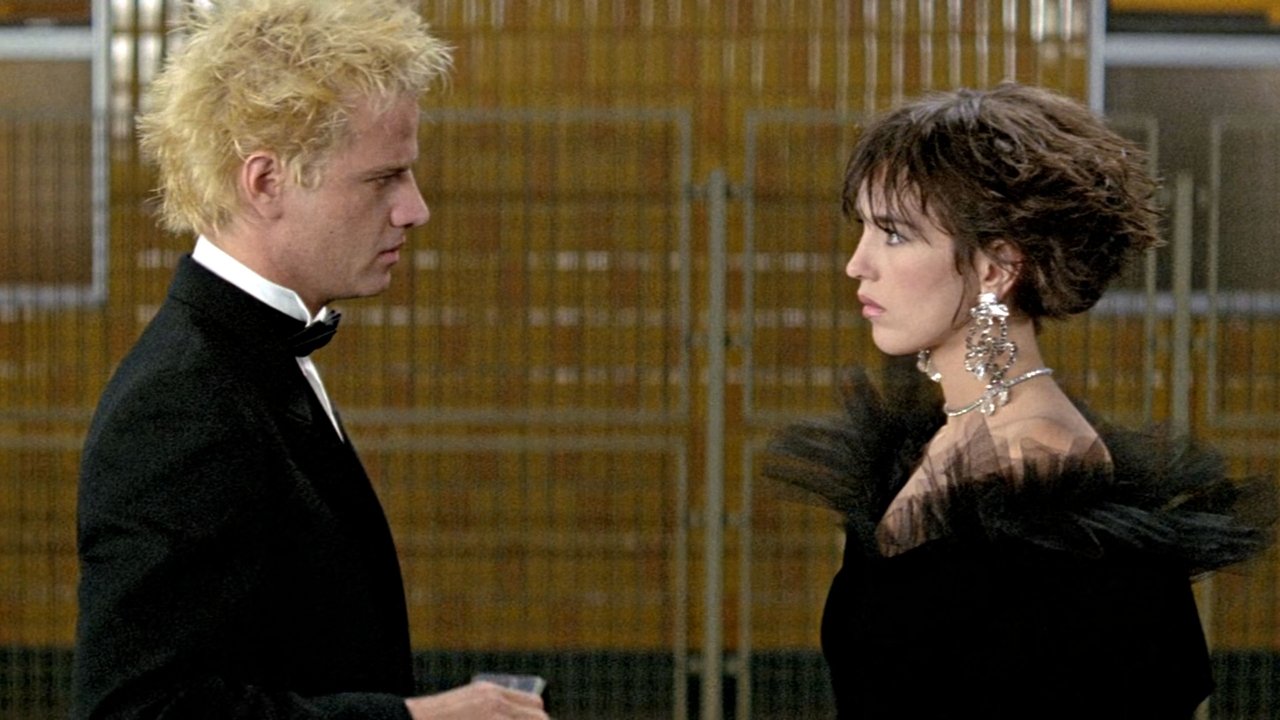
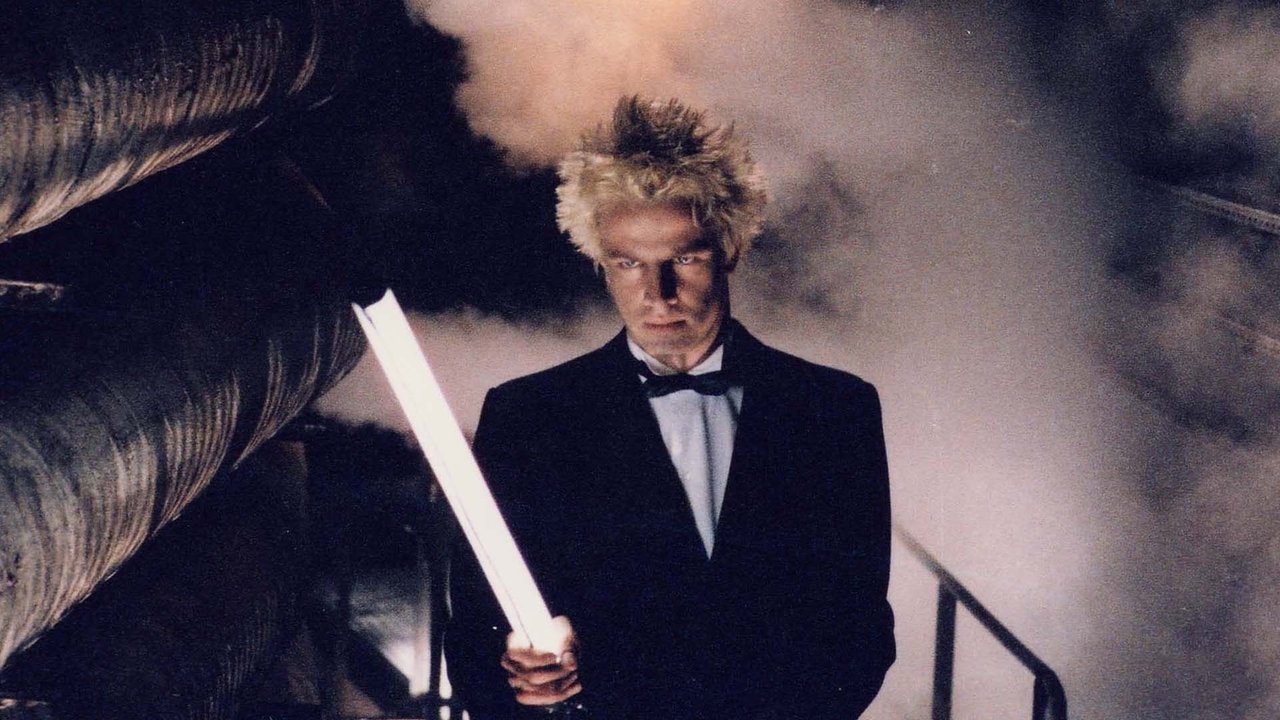
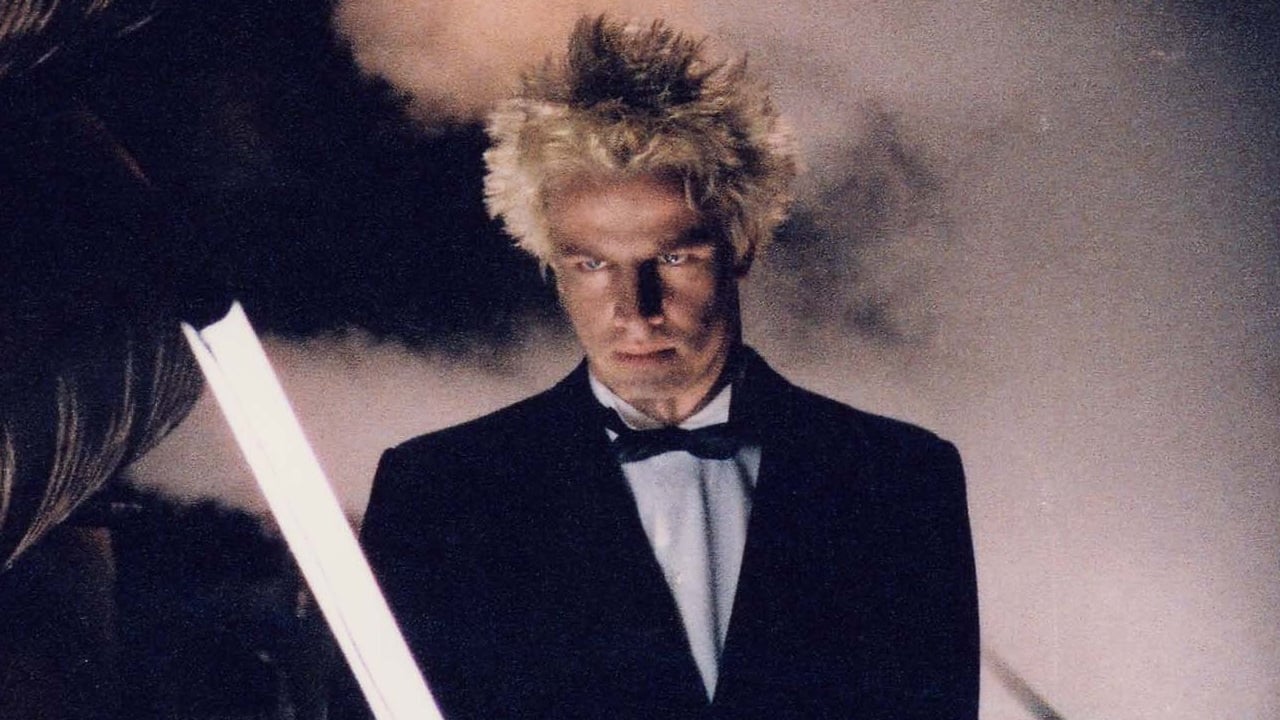
At the heart of this underground maze is Fred, played by Christopher Lambert in the role that arguably launched his international career (and won him a César Award for Best Actor). Fred is a charismatic enigma – a dinner-jacketed safe-cracker hiding out after blackmailing the impossibly glamorous Héléna (Isabelle Adjani). Lambert imbues Fred with a kind of restless cool; he’s perpetually in motion, dodging Héléna’s dangerous husband, the police (led by a delightfully gruff Michel Galabru), and navigating the Métro's bizarre social strata. His bleached-blonde, gravity-defying hair became an instant visual signature for the film.
His connection with Héléna is the film's fragile emotional core. Adjani, already a superstar (Possession (1981), One Deadly Summer (1983)), brings her signature intensity and ethereal beauty to the role. Their interactions crackle with an odd, almost reluctant chemistry – a bored high-society wife drawn to the dangerous freedom represented by this underworld dweller. Their scenes together, often snatched conversations in echoing tunnels or brief encounters amidst the chaos, feel like stolen moments from a different, more conventional romance awkwardly blooming in this strange environment. Does their connection feel entirely earned? Perhaps not always, but the sheer magnetism of the two leads makes you invest nonetheless.
A Society Below Society
What truly gives Subway its unique flavour, though, isn't just the central cat-and-mouse game, but the vibrant community Fred discovers. He evades capture by integrating, befriending roller-skating thieves (Jean-Hugues Anglade as 'The Roller'), muscle-bound protectors (Richard Bohringer as 'The Florist'), and ultimately deciding his true calling is... forming a rock band with fellow Métro musicians. It’s here the film leans into its more whimsical, almost surreal aspects. The plot becomes less about the stolen documents and more about Fred assembling his band, dodging capture, and finding a peculiar sense of belonging amongst these societal outliers. Look closely and you'll spot a very young Jean Reno, a frequent Besson collaborator, in a memorable role as 'The Drummer'. These supporting characters aren't just quirky additions; they represent the lifeblood of this alternative world, each carving out their niche beneath the city.
Tales from the Tunnels
Getting this vision onto the screen wasn't simple. Besson fought hard for permission to film extensively within the operational Paris Métro, managed by the RATP. While they were granted access, it often came with tight restrictions, forcing creative solutions and likely adding to the film's kinetic, sometimes frantic energy. The production had to work around train schedules and passenger flows, lending an undeniable authenticity to the environment. Reportedly, Christopher Lambert, eager to prove himself, performed many of his own stunts, including the memorable chase sequences that weave through platforms and tunnels. It’s this kind of commitment, meshed with Besson’s bold visual choices, that elevates Subway beyond a simple genre exercise. Made for a relatively modest budget (around $2.5 million USD at the time), its success in France was significant, drawing nearly 3 million viewers and cementing Besson's reputation as a stylish new voice in cinema.
Style, Substance, and Lingering Questions
Does the emphasis on style sometimes overshadow narrative coherence? Absolutely. The plot can feel disjointed, more a series of striking vignettes than a tightly woven thriller. Yet, perhaps that's part of its enduring appeal. Subway captures a feeling – a specific mid-80s blend of ennui, rebellion, and romanticism set against a visually stunning backdrop. It asks, without necessarily demanding answers, what constitutes freedom. Is it escaping the gilded cage like Héléna, or finding camaraderie and purpose in the literal underworld like Fred?
The film feels like a snapshot of youthful energy, both Besson's and the era's. It’s stylish, occasionally shallow, but undeniably alive. It doesn't offer profound insights, but it creates a mood, an atmosphere that lingers – the echo of Serra’s score in a tiled tunnel, the glint of neon on wet pavement, the defiant stare of Lambert’s Fred.
Rating: 7/10
Subway earns its 7 for sheer audacity, visual flair, and its iconic status within 80s French cinema. While the narrative can sometimes feel secondary to the aesthetic, the performances (especially Lambert's star-making turn), the unforgettable atmosphere, and Éric Serra's pulsing score make it a captivating watch. It's a film that perfectly embodies the 'Cinéma du look' movement – sometimes frustratingly opaque, but always visually arresting and brimming with a unique, rebellious energy.
It remains a potent reminder of a time when style felt like a statement, and the underground wasn't just a place, but an attitude. What better place to hide, or perhaps find oneself, than in the beautiful chaos beneath the city?