Crayon Shin-chan: Action Mask vs. Leotard Devil
Alright, let's dim the lights, imagine the whir of the VCR rewinding, and pop in a tape that unleashed perhaps one of the most wonderfully anarchic forces in animation onto the big screen for the very first time. Some movies aim for heartwarming messages or epic quests; 1993’s Crayon Shin-chan: Action Mask vs. Leotard Devil (or Action Kamen vs. Haigure Maō if you snagged a particularly authentic Japanese import back in the day) aimed squarely for maximum absurdity, butt jokes, and letting its five-year-old chaos agent protagonist run absolutely wild. And honestly? It was glorious.
### The Nohara Family Vacation Goes Sideways
For anyone unfamiliar (though how could you forget that voice?), Crayon Shin-chan centers on Shinnosuke "Shin-chan" Nohara, voiced with iconic, mischievous energy by Akiko Yajima in the original Japanese version. He's not your typical cute anime kid; he’s precocious, obsessed with older women, prone to dropping his pants (the infamous "butt dance"), and possesses a logic delightfully alien to most adults. He lives with his perpetually stressed mother Misae (Miki Narahashi) and beleaguered salaryman father Hiroshi (Keiji Fujiwara), whose exasperated reactions are half the fun.
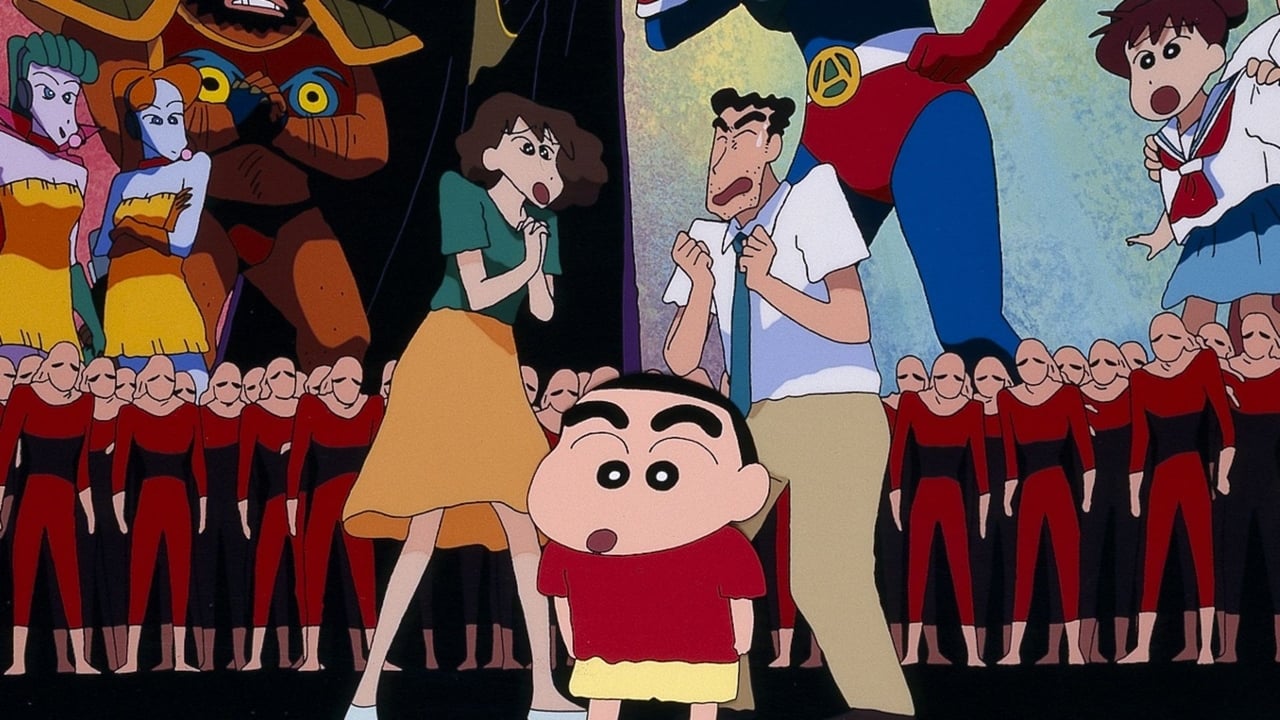
This inaugural cinematic adventure, skillfully directed by Mitsuru Hongo (who also helmed the early TV series, ensuring a perfect transition), kicks off innocently enough. Shin-chan wins a golden ticket – literally – for a family trip to a beach resort that also happens to be the location for a live Action Mask show. Action Mask, Shin-chan's tokusatsu TV hero idol (a loving parody of shows like Kamen Rider), is everything Shin-chan aspires to be: cool, powerful, and equipped with awesome catchphrases. Of course, this being a Shin-chan story, the vacation quickly derails into utter madness involving Action Mask's arch-nemesis, the ridiculously named Leotard Devil, and his plan for world domination using... well, let's just say it involves brainwashing and some truly bizarre minions.
### Embrace the Absurdity
What makes this first Shin-chan movie such a riot, and why it likely found its way into many a VCR despite (or perhaps because of) its reputation, is its complete commitment to the source material's unique brand of humor. Penned by original manga creator Yoshito Usui alongside director Hongo, the film doesn't tone down Shin-chan's antics for the big screen; if anything, it dials them up. The jokes range from clever visual gags and pop culture parodies to the kind of gleefully low-brow humor that probably made some parents sweat back in the day. Remember trying to explain the appeal of the "Mr. Elephant" gag? Good times.
The plot itself is delightfully simple, serving mainly as a framework to hang hilarious set pieces and character interactions on. The Leotard Devil is a perfectly silly villain, menacing but never truly terrifying, allowing the focus to remain on Shin-chan's disruptive influence on events. He doesn't just stumble into heroism; he actively annoys, distracts, and occasionally saves the day through sheer, unpredictable weirdness. Seeing him team up, however unintentionally, with his beloved Action Mask is pure wish fulfillment for the character and surprisingly fun to watch.
### Simple Style, Maximum Impact
Visually, Action Mask vs. Leotard Devil retains the distinctive, simple art style of the early TV show. There's no attempt at lavish, feature-film glossiness here. Instead, the animation relies on expressive character designs, bold lines, and fluid movement that perfectly complements the slapstick and surreal humor. This wasn't trying to be Akira; it was Shin-chan, amplified. This stylistic choice, guided by Hongo's experience with the series, was crucial. It kept the film grounded in the familiar world fans loved, just on a slightly grander scale.
Finding anime like this on VHS in the 90s often felt like uncovering a secret handshake. Maybe it was a specialty store rental, a copy passed between friends, or a tape ordered from a niche catalog. It wasn't always mainstream, but discovering the unique energy of shows like Shin-chan, especially in a feature-length format, was part of the adventure. This film, reportedly made on a modest budget, proved successful enough in Japan to launch the now long-running tradition of annual Crayon Shin-chan movies, a testament to the enduring appeal of this little hellraiser.
### Retro Fun Facts
A few tidbits for fellow enthusiasts: This being the very first theatrical release cemented the formula many subsequent Shin-chan films would follow – taking the Nohara family out of their usual suburban setting and throwing them into an extraordinary adventure. The character of Action Mask himself is a cornerstone of the Shin-chan universe, representing the childhood obsession with larger-than-life heroes, filtered through Usui's wonderfully strange lens. It's also worth noting how Akiko Yajima's performance defined Shin-chan for generations; her ability to convey childlike innocence and utter menace simultaneously is legendary.
### The Verdict
Crayon Shin-chan: Action Mask vs. Leotard Devil isn't high art, and it never pretends to be. It's a blast of pure, unadulterated, often crude, but undeniably funny entertainment. It captures the anarchic spirit of the early series perfectly, delivering laughs through surreal situations, Shin-chan's bizarre worldview, and the sheer audacity of its humor. If you were a fan back in the day, revisiting this feels like catching up with a mischievous old friend. If you're discovering it now, prepare for a uniquely Japanese brand of animated chaos.
Rating: 7.5/10
Justification: While the plot is basic and the animation simple by modern standards, the film excels at its primary goal: being hilariously entertaining in the specific, boundary-pushing way only Shin-chan can. It perfectly translated the TV show's appeal to the big screen for the first time, establishing a beloved franchise tradition. Points are docked slightly for the simplicity that might not resonate as strongly with newcomers, but its comedic energy and nostalgic charm for fans are undeniable.
It's a reminder that sometimes, the most memorable adventures on that flickering CRT screen didn't need intricate plots or dazzling effects – just a five-year-old agent of chaos and his unwavering belief in Action Mask. Wassa wassa!