Okay, settle back into that well-worn armchair, maybe pop open a fizzy drink that stained your tongue bright colours back in the day. Remember the weird and wonderful corners of the video rental store? Beyond the blockbuster action flicks and sweeping dramas, tucked away in the animation or imports section, you might have stumbled across something truly... different. Something like 1993's Kamen Rider SD: Strange?! Kumo Otoko, a prime example of Japan's glorious early 90s Super Deformed craze crashing headfirst into the iconic world of tokusatsu heroes. This wasn't your dad's Kamen Rider; this was Rider on a sugar rush, shrunk down and ready for slapstick.
### Pint-Sized Heroes, Big Personalities
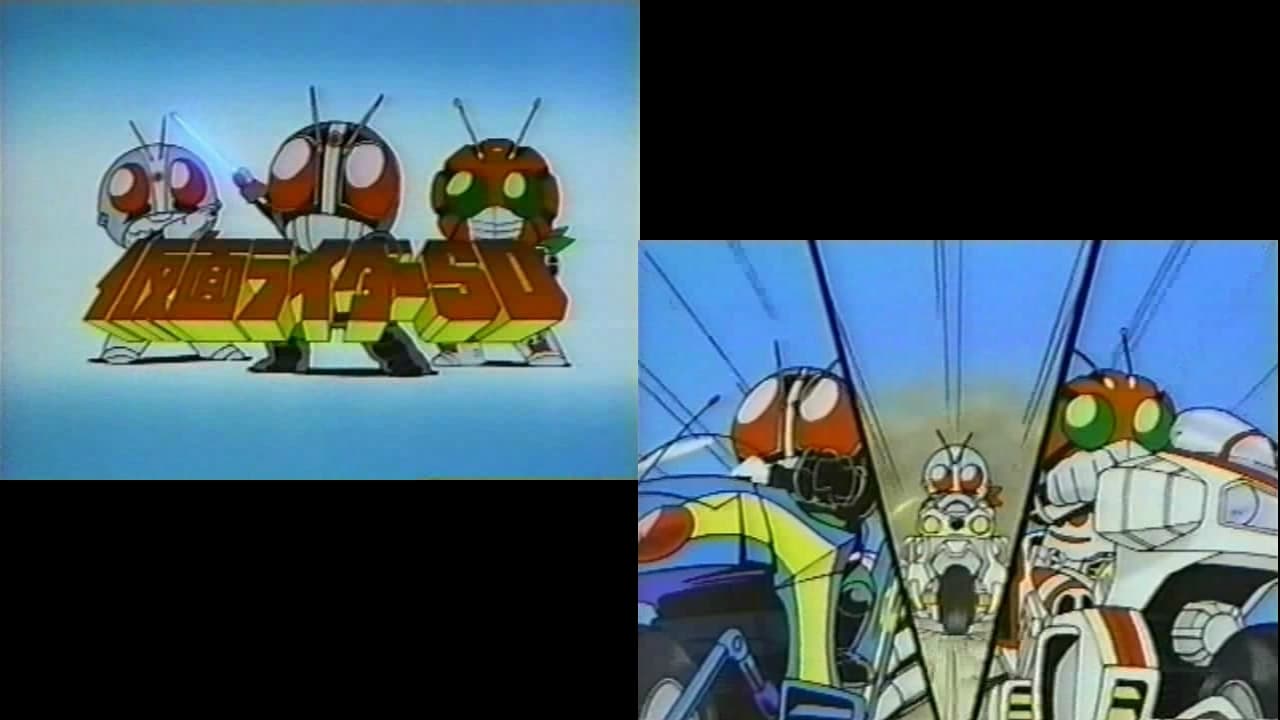
The "SD" or Super Deformed phenomenon swept through Japanese pop culture like wildfire, morphing beloved characters into chibi-fied versions with oversized heads and condensed bodies. Gundam did it, other anime icons followed, and naturally, the legendary Kamen Riders couldn't escape the adorable transformation. This particular OVA (Original Video Animation – those direct-to-video tapes that often held niche treasures) throws several fan-favourite Riders like Black RX, ZX, and Rider 1 into a hyper-colourful, comedic adventure. Helming this short burst of animated absurdity was director Minoru Okazaki, a veteran of the tokusatsu world itself, having worked on numerous Super Sentai and Metal Hero shows. He was guided by scripts credited to the legendary creator Shotaro Ishinomori (whose imagination birthed the Riders in the first place) and anime writer Sukehiro Tomita (known for work on shows like Sailor Moon).
The premise is simple, as befits its likely target audience and runtime: the nefarious Gran Shocker organization (the SD universe's equally goofy version of the classic Shocker) unleashes the equally miniaturized Kumo Otoko (Spider Man – yes, the very first monster Kamen Rider Ichigo ever fought back in 1971!) to cause mayhem. It falls to our team of SD Riders, voiced by talents like Yasunori Matsumoto (who voiced Knight Gundam in SD Gundam Gaiden), Toshiyuki Morikawa (a prolific voice actor, later known for roles like Sephiroth in Final Fantasy VII: Advent Children), and Takumi Yamazaki (another Gundam veteran), to stop him.
### More Looney Tunes than Tokusatsu?
Forget the gritty realism or existential angst sometimes found in the live-action shows. Kamen Rider SD leans heavily into pure cartoon comedy. The animation is bright, bouncy, and full of visual gags. Characters squish, stretch, and make exaggerated faces. Action sequences often dissolve into comedic scrambles rather than choreographed martial arts. Think less Henshin-pose intensity, more slipping on banana peels (though thankfully, it doesn't quite go that far).
For fans primarily familiar with the dramatic live-action Kamen Rider series, the shift can be jarring, maybe even bewildering. Seeing serious heroes like Kamen Rider Black RX reduced to squeaky-voiced, big-headed caricatures trading quips feels almost surreal. Yet, there's an undeniable charm to it. It’s a product of its time, capturing that specific early 90s anime aesthetic and the sheer novelty of the SD concept when it was fresh and exciting. It never takes itself seriously, aiming squarely for laughs and lighthearted fun.
### A Relic of the SD Boom
Understanding Kamen Rider SD requires remembering just how massive the Super Deformed trend was. It wasn't just animation; it was manga, video games (like the Battle Dodge Ball series where Riders also appeared in SD form), model kits (Bandai's BB Senshi line was hugely influential), and merchandise galore. This OVA was just one facet of a larger cultural moment. Finding this tape back in the day felt like uncovering a strange, parallel universe version of your favourite heroes. It wasn't epic, it wasn't complex, but it was different, and sometimes, that was exactly what you were hunting for on those rental shelves.
The production itself is typical OVA fare for the era – decent animation quality for direct-to-video, clearly aimed at existing fans who would get a kick out of seeing their heroes in this bizarre new context. It's short, sweet, and doesn't overstay its welcome. The humour relies heavily on recognition of the characters and their tropes, amplified by the absurdity of the SD presentation. Kumo Otoko, the iconic first foe, being the villain adds a nice layer of nostalgic reference for long-time Rider followers.
### Final Spin Cycle
Kamen Rider SD: Strange?! Kumo Otoko isn't going to convert anyone unfamiliar with the franchise, nor is it a forgotten masterpiece of animation. It’s a delightful, goofy little time capsule – a brightly coloured snapshot of a specific trend intersecting with a beloved tokusatsu legacy. For Rider fans with a sense of humour and an appreciation for the weirder corners of 90s anime, it’s a charming curiosity. For others, it might just seem baffling. But viewed through the lens of nostalgia, remembering that thrill of finding something unexpected and wonderfully weird on VHS? It definitely sparks a smile.
VHS Heaven Rating: 6/10
Justification: The score reflects its niche appeal and comedic, non-serious nature. It's fun for established Kamen Rider fans and those nostalgic for the SD craze, offering charmingly dated animation and goofy humour. However, its simplistic plot and reliance on prior knowledge limit its broader appeal, keeping it from a higher score. It's a fun oddity, not essential viewing.
Final Thought: Sometimes, the strangest spins on familiar heroes are the ones that stick in your memory, reminding you just how wonderfully weird and varied the world of VHS could be. Henshin... into something much smaller and funnier!