There's a certain kind of quiet that settles over the flat, sun-scorched plains of West Texas, a silence that feels less like peace and more like something held captive, waiting. It's this oppressive stillness that permeates every frame of Steve Kloves' 1993 drama, Flesh and Bone, a film that burrows under your skin with the slow, deliberate persistence of a desert rattler. Watching it again, years after first pulling that distinctive VHS tape from the rental shelf, feels less like simple nostalgia and more like excavating a half-forgotten, unsettling memory. It's a stark departure from the usual fare associated with its leads, and maybe that’s precisely why it lingers.

Secrets Buried in Dust
The film opens with a brutal, almost primal act of violence that sets the tone for everything that follows. A young boy, Arlis Sweeney, witnesses his father Roy (James Caan) commit a horrifying crime, forever linking their fates to a small family living in isolation. Decades later, Arlis (Dennis Quaid) is a man adrift, restocking vending machines across the barren Texas landscape, seemingly content with a life lived in transit, disconnected. He carries the past like an invisible weight, his quiet demeanor a dam holding back a flood of unspoken trauma. Then, inevitably, fate intervenes. He meets Kay Davies (Meg Ryan), a woman fleeing a failed marriage, whose path crosses his by chance – or perhaps by something more preordained. Their connection is tentative, wary, yet undeniable, until the terrifying shadow of Arlis’s father, Roy, reappears, bringing the buried past violently into the present.
A Different Kind of Star Power

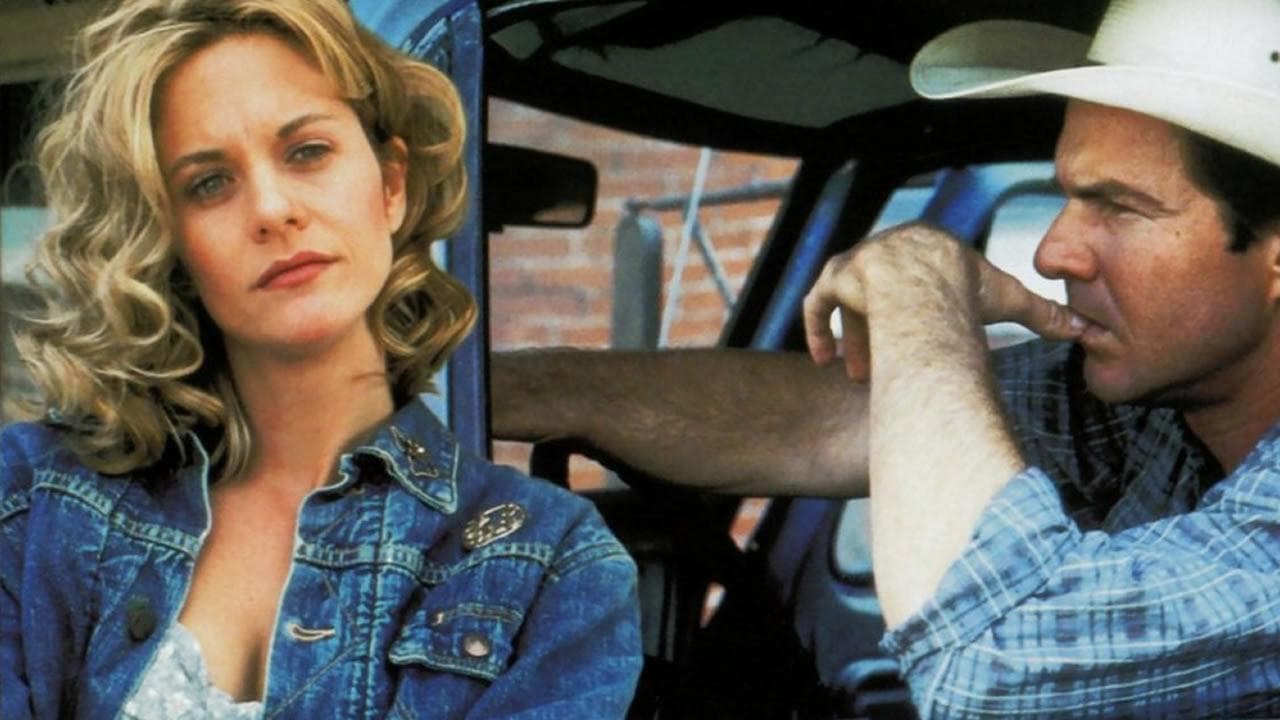
What truly elevates Flesh and Bone beyond a standard neo-noir or bleak family drama are the performances, particularly from its central pairing. Dennis Quaid and Meg Ryan, who audiences knew from lighter fare like Innerspace (1987) and the noir-ish D.O.A. (1988), were a real-life couple at the time of filming. Here, however, any trace of their usual screen personas is deliberately shed. Quaid is coiled tension personified, his Arlis a man defined by what he doesn’t say, his glances heavy with unspoken history. It’s a performance of remarkable restraint, conveying deep wells of pain and a quiet longing for connection that feels utterly authentic.
Ryan, stepping far away from her America’s Sweetheart image, gives Kay a brittle vulnerability masked by a survivor’s pragmatism. There’s a weariness in her eyes that speaks volumes about past disappointments, making her cautious attraction to Arlis feel earned and fragile. Their chemistry isn't explosive; it's hesitant, burdened by the secrets that lie unknowingly between them, adding a layer of tragic irony heightened by their off-screen relationship. It's a brave choice for both actors, stripping away glamour for something far more raw and resonant.
The Devil You Know
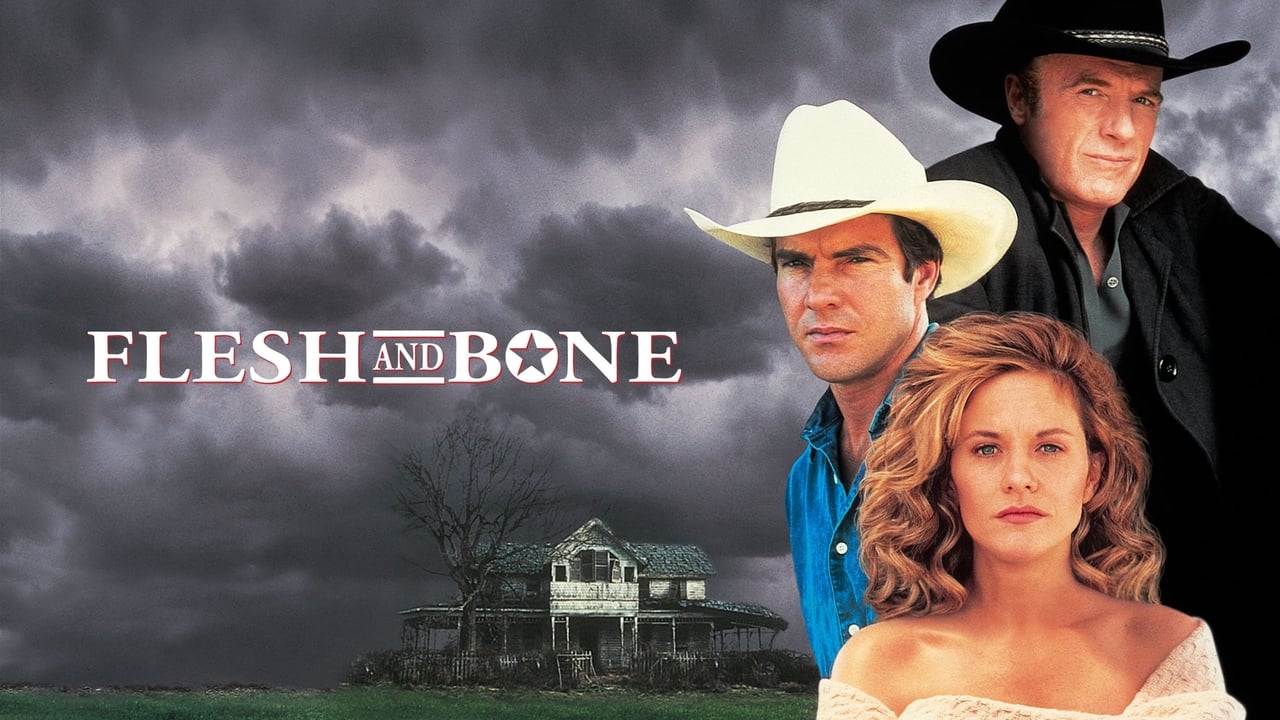
And then there's James Caan. Oh, James Caan. As the chillingly charismatic patriarch Roy, he delivers a performance that’s pure, distilled menace wrapped in a veneer of folksy charm. Roy isn't just a bad man; he's the embodiment of inherited sin, a force of nature that destroys everything in his path with casual indifference. Steve Kloves, who also wrote the screenplay (reportedly years before he felt ready to direct it himself after his acclaimed debut The Fabulous Baker Boys), apparently wrote the role specifically with Caan in mind. It shows. Caan inhabits Roy completely, making his sudden appearances genuinely terrifying. His scenes crackle with unpredictable danger, a stark contrast to the film's otherwise deliberate, almost suffocating pace.
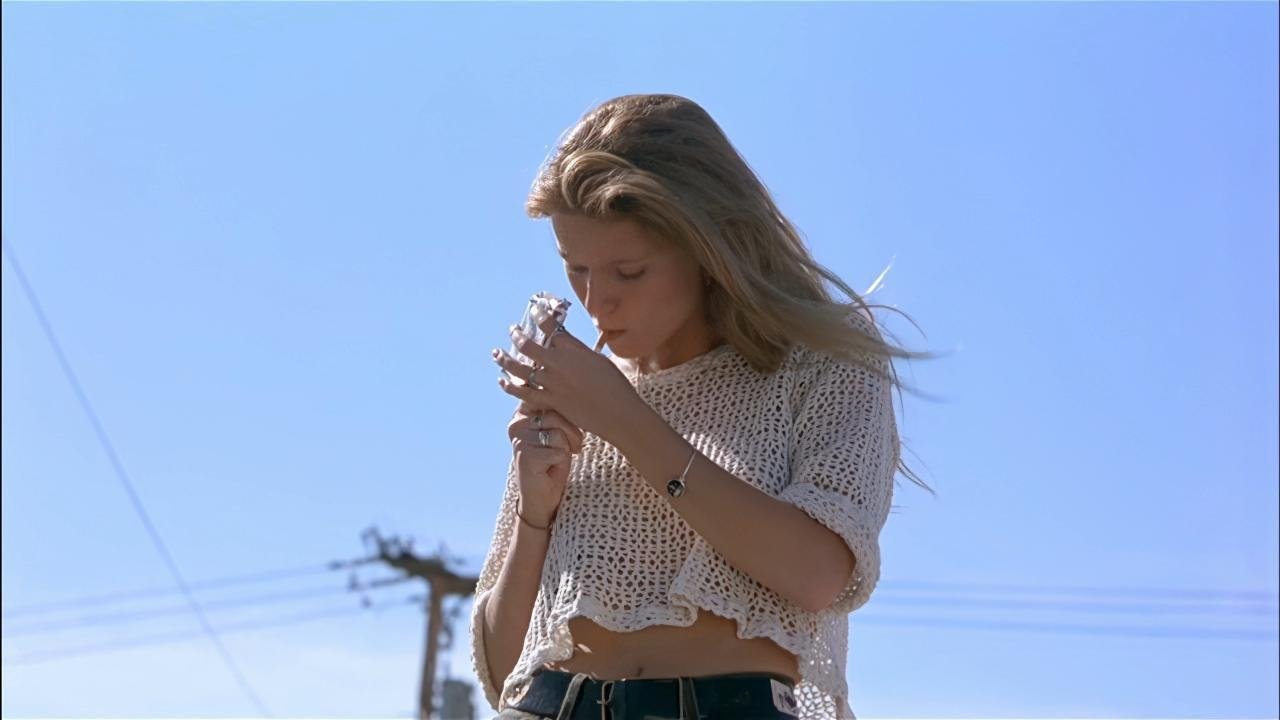
It’s also fascinating to see a very young Gwyneth Paltrow in one of her early significant roles as Ginnie, a grifter travelling with Roy. She brings a sly, knowing energy that offers a different flavour of opportunism, a small flicker of sharp wit in the surrounding gloom.
Crafting the Unease
Kloves masterfully uses the vast, empty Texas landscape (primarily filmed around the starkly beautiful Marfa region, later seen in films like No Country for Old Men) not just as a backdrop, but as a character reflecting the emotional desolation of the story. Cinematographer Philippe Rousselot (A River Runs Through It, Interview with the Vampire) paints with a palette of bleached sunlight and deep shadows, emphasizing the isolation and the feeling that there’s nowhere to hide, even in the wide-open spaces. Coupled with Thomas Newman's haunting, atmospheric score, the film cultivates a palpable sense of dread. The pacing is intentionally unhurried, forcing the audience to sit with the discomfort, to feel the weight of unspoken history pressing down. This wasn’t a massive box office success – earning around $20 million against a $13 million budget – likely due in part to its challenging tone and deliberate rhythm, but those very qualities make it stick with you.
Retro Fun Facts Woven In
Digging around the history of Flesh and Bone, you find little details that add texture. Knowing Kloves waited years to direct his own script speaks to the personal nature of the project. The choice to cast real-life couple Quaid and Ryan in such complex, ultimately tragic roles feels like a deliberate stroke, using their known connection to deepen the audience's investment, only to subvert expectations. The critical reception at the time praised the performances, especially Caan's chilling turn, but some found the slow burn plotting a test of patience – a reaction that feels familiar even today for films that prioritize mood over momentum. Finding this on a dusty VHS tape felt like unearthing a hidden, perhaps difficult, gem – the kind of movie that didn't scream its merits from the cover box but revealed its power slowly.
Final Reckoning
Flesh and Bone isn't an easy watch. It’s a somber, patient film that demands your attention and offers little in the way of conventional catharsis. Its exploration of inescapable pasts, the cyclical nature of violence, and the fragile possibility of connection in a damaged world feels deeply resonant. The performances are uniformly excellent, grounded in a reality that makes the encroaching darkness feel all the more potent. It might move too slowly for some, and its bleakness can be overwhelming, but its atmosphere and the haunting power of its central questions are undeniable.
Rating: 8/10
The score reflects the film's artistic integrity, its powerful performances, and its masterful creation of atmosphere. It’s a challenging but rewarding piece of 90s cinema that uses its star power not for comfort, but to confront uncomfortable truths. It leaves you pondering the invisible ties that bind us to our pasts, long after the Texas dust has settled on the screen. A haunting piece of American gothic that definitely earned its place on the 'Forgotten Gems' shelf at the video store.