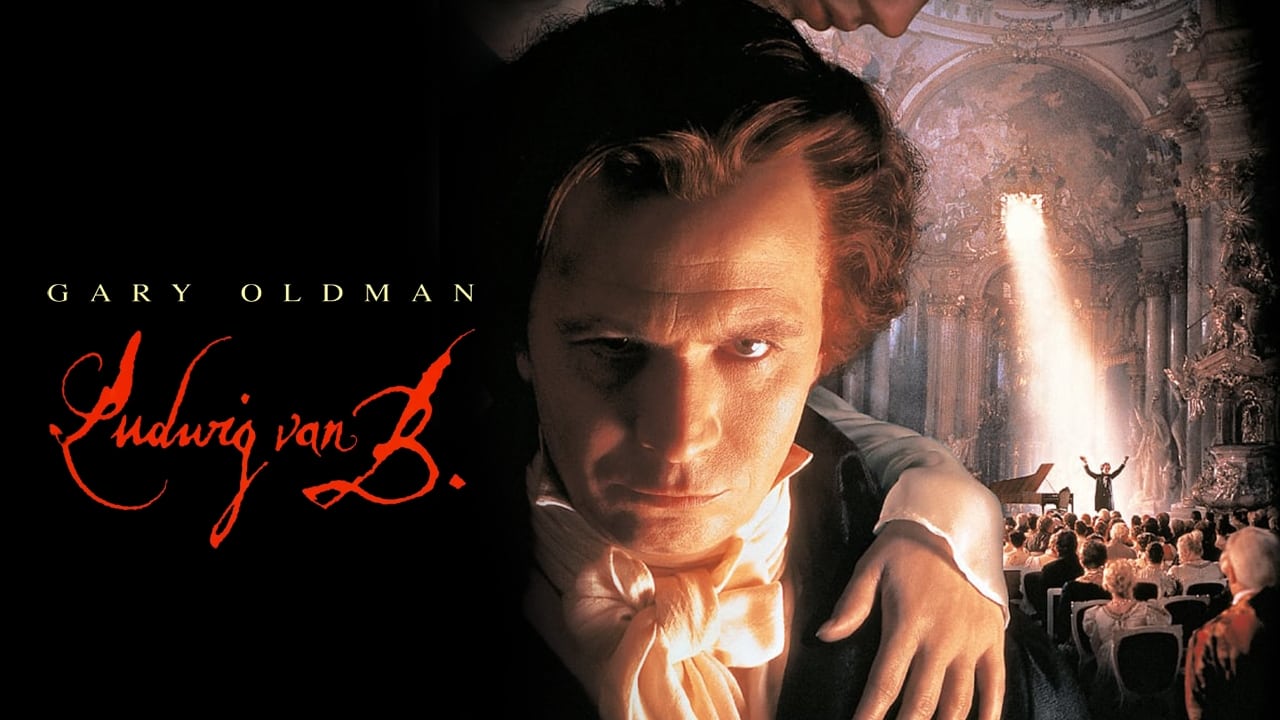
Okay, pull up a chair, maybe pour yourself something comforting. Let’s talk about a film that arrived on VHS shelves in 1994, promising not just music, but a mystery wrapped in passion and genius: Bernard Rose's Immortal Beloved. This wasn't your typical composer biopic, content to simply tick off chronological milestones. Instead, it opened with a death, a cryptic will, and a question that still echoes through history: who was the enigmatic woman Ludwig van Beethoven bequeathed everything to, his "immortal beloved"?
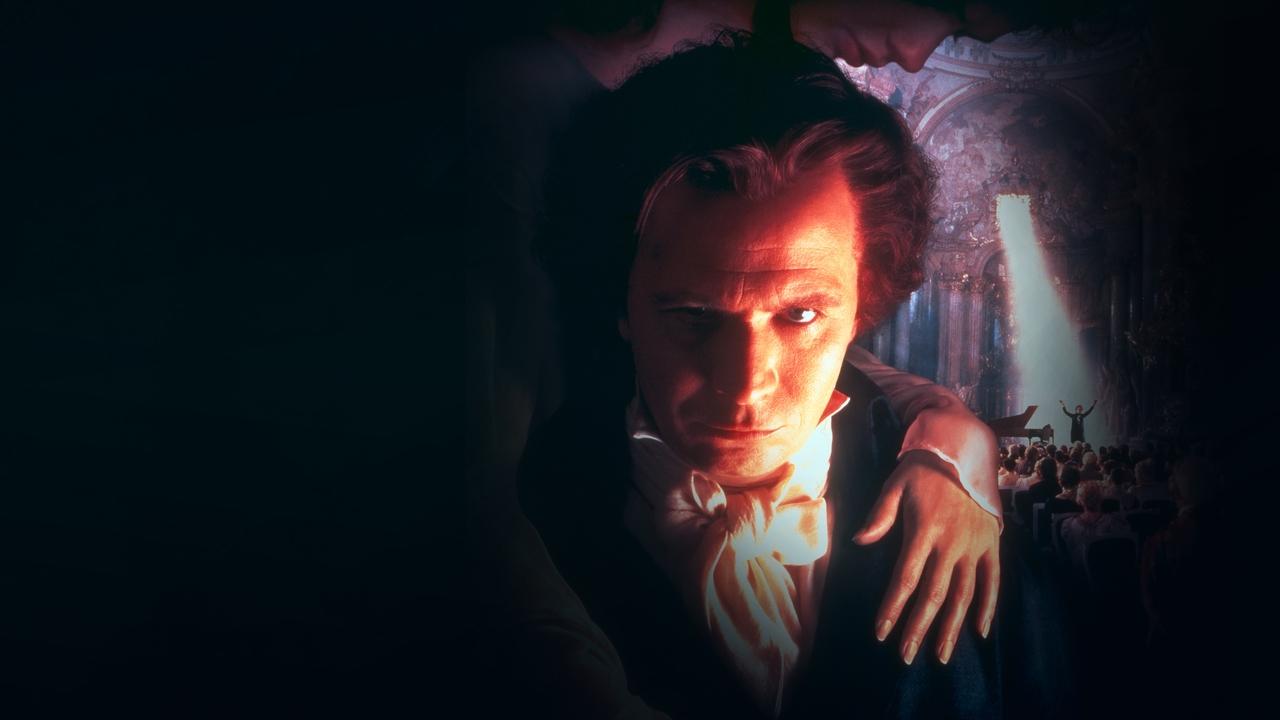
A Storm Incarnate
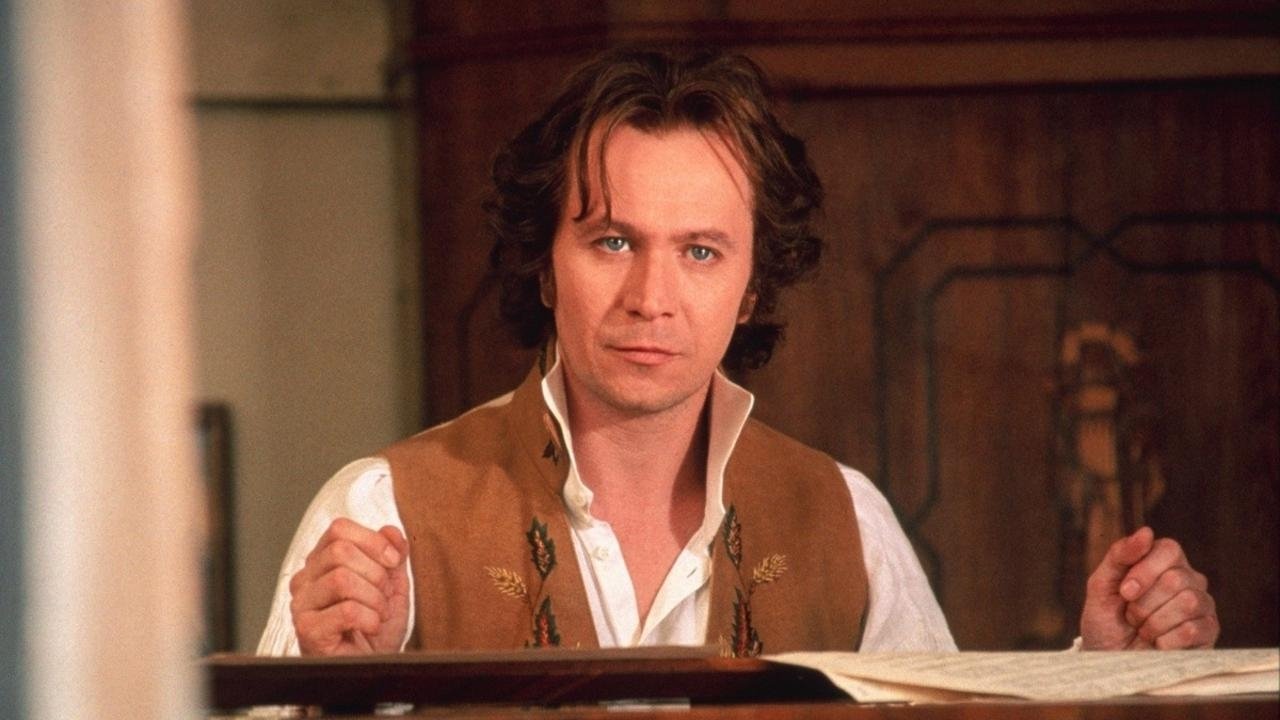
At the heart of this tempestuous film lies one of Gary Oldman's truly transformative performances. Forget charming maestro; Oldman gives us Beethoven as a force of nature – brilliant, arrogant, wounded, and profoundly deaf. It’s a portrayal that digs deep beneath the powdered wigs and historical reverence. He embodies the composer's famous intensity, not just in explosive outbursts, but in the quiet agony of his encroaching silence, the frustration simmering beneath the surface. There’s a raw physicality to it; you feel the vibrations he desperately tries to perceive, the isolation that fuels both his genius and his torment. It's a performance less about imitation and more about capturing an essence – the turbulent spirit behind the transcendent music. I recall watching this on a buzzing CRT back in the day, and Oldman’s fury felt like it could crack the screen.
Unraveling the Melody of Memory
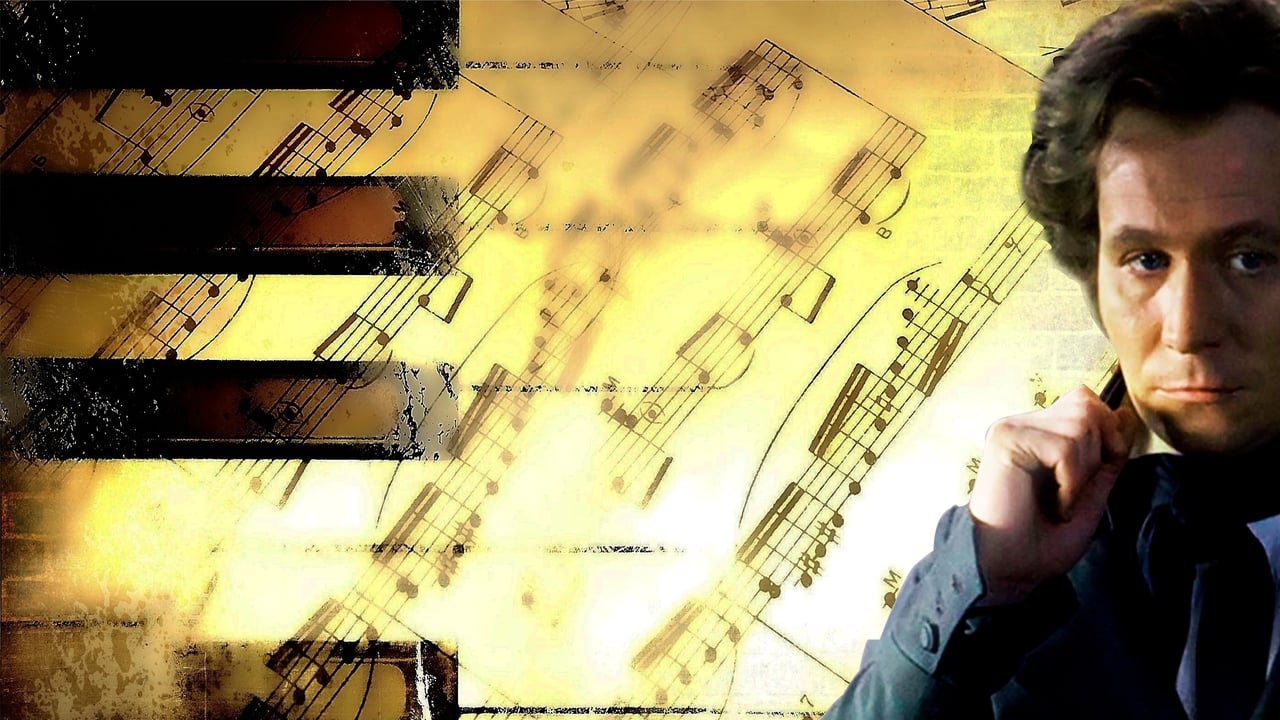
The film cleverly frames its narrative through the investigation led by Anton Schindler (Jeroen Krabbé, bringing a necessary grounding presence), Beethoven’s friend and secretary. As Schindler journeys through the composer’s past, interviewing the women who might hold the key, the film unfolds in a series of lush, often melancholic flashbacks. It’s a structure reminiscent of Citizen Kane, peeling back layers to understand a complex, larger-than-life figure. Director Bernard Rose, who had previously terrified audiences with the urban legend nightmare Candyman just two years prior, brings a surprisingly sensitive, almost painterly eye here. He uses the stunning Czech locations (standing in for Vienna) and rich period detail not just as backdrop, but as integral parts of the emotional landscape. The camera often lingers, allowing the weight of history and unspoken feelings to settle.
Music as Character
Crucially, Immortal Beloved understands that Beethoven's music isn't just accompaniment; it's the narrative's lifeblood. Rose masterfully weaves iconic pieces – the Moonlight Sonata, the Pathétique, the surging power of the Ninth Symphony – into the story, often visualizing the emotions or events that might have inspired them. The sequence depicting the premiere of the Ninth, conducted by the profoundly deaf Beethoven, is particularly moving. We experience it through his perspective – the muffled silence, the delayed realization of the thunderous applause. It’s a moment that powerfully conveys both his triumph and his tragedy. Reportedly, Oldman, already known for his immersive preparation, dedicated significant time to learning the piano pieces he performs on screen, adding another layer of authenticity to his portrayal. While professional musicians ultimately provided the soundtrack (conducted by the legendary Sir Georg Solti), Oldman's commitment sells the illusion completely.
Fact, Fiction, and Feeling
Now, it’s important to remember this Immortal Beloved review acknowledges the film takes significant dramatic license. Historians still debate the identity of the woman addressed in Beethoven's passionate, unsent letter found after his death. The film proposes a specific, somewhat controversial answer, focusing heavily on Countess Johanna Reiss (played with intriguing complexity by Isabella Rossellini). While this interpretation might frustrate purists, it serves the film's dramatic purpose, crafting a narrative of hidden connections, societal constraints, and enduring love. Does the historical accuracy matter as much as the emotional truth the film seeks? That's a question viewers might wrestle with long after the credits roll. The film wasn't a massive blockbuster (grossing around $9.9 million in the US on a reported $16 million budget), but it found a devoted audience on home video, precisely because it prioritized passion and mystery over dry biography.
The Weight of Genius
What lingers most is the film's exploration of the relationship between suffering and creativity. Does genius require such turmoil? Oldman’s Beethoven certainly suggests a link, his deafness becoming both a prison and a catalyst, forcing him inward to find sounds others couldn't imagine. The film doesn't shy away from his difficult personality – his temper, his possessiveness, his moments of cruelty. Yet, through the lens of Schindler's search and the power of the music, we glimpse the vulnerable man beneath the formidable legend. It’s a film that invites empathy, even for a figure often portrayed as remote and intimidating.
---
Rating: 8/10
Immortal Beloved earns its 8/10 rating for its ambitious structure, Gary Oldman's towering central performance, the gorgeous visuals, and its intelligent, moving integration of Beethoven's timeless music. While its historical conclusions are speculative and might divide opinion, the film succeeds brilliantly as a passionate, atmospheric exploration of genius, love, and loss. It avoids the pitfalls of staid biography, opting instead for a compelling mystery that uses history as a canvas for powerful human drama.
Final Thought: More than just a biopic, Immortal Beloved feels like an invitation into the emotional storm behind the music, leaving you pondering the hidden loves and secret sorrows that might fuel the art we cherish. It’s a reminder that sometimes, the most compelling stories lie in the questions, not just the answers.